Source Pneumatic Control Penmatic Shuttle Valve for Water, Air, Gas
Compare 30 listings of Pneumatic Control Penmatic Shuttle Valve options for industrial water, air, and gas applications. View specifications including actuator sizes, materials, and connection types to find suitable valves for sanitary ware and general industrial use.
Key considerations
Products List




Comprehensive Sourcing Guide
Strategic Sourcing Guide for Pneumatic Control and Shuttle Valves
Understanding the Technical Landscape of Pneumatic Control Valves
When sourcing pneumatic control valves, specifically those functioning as shuttle valves or general pneumatic actuators, buyers must first establish a clear understanding of the technical parameters that define product viability. The core functionality of these components relies on the precise interaction between the actuator, the valve body, and the sealing mechanisms. Based on observed market data, the actuator material is frequently constructed from SS304 stainless steel or high-grade plastic, ensuring resistance to corrosion and chemical degradation in various industrial environments. The valve body itself is predominantly manufactured from steel or aluminum, with specific models indicating a choice between these materials depending on the required pressure rating and weight constraints.
The operational state of these valves is a critical specification, with products available in both "Normal Close" and "Normal Open" configurations. This distinction dictates the default position of the valve in the absence of an external signal, a factor that must align with the safety logic of the specific automation system. The control fluid is typically neutral gas or air, operating within a working pressure range of 0 to 1 MPa. The medium viscosity is generally limited to ≤600mm²/S, which is suitable for standard industrial fluids but may require verification for specialized applications involving higher viscosity substances.
Temperature performance is another vital technical dimension. The fluid temperature range observed in the market spans from -10°C to +180°C, with some variants extending up to +220°C. The ambient temperature tolerance is typically rated between -10°C and +80°C, while the working temperature for specific models is noted as normal temperature, generally aligning with the -5°C to +60°C range for standard pneumatic operations. The port sizes vary significantly, ranging from G1/8 to G1, allowing for integration into systems with diverse piping requirements. Thread specifications are equally varied, offering options such as 1/8, 1/4, 3/8, and 1/2 inches, alongside connection types that include Bsp, BSPT, NPT, Clamp, Weld, and Flange configurations.
Compliance Verification and Certification Standards
In the B2B procurement of industrial valves, verifying compliance with international standards and certifications is non-negotiable. The supply chain for these components often references a suite of certifications that validate the manufacturer's adherence to quality and safety protocols. Buyers should expect to see certifications such as CE, ISO, RoHS, and REACH listed in product documentation. The CE marking indicates conformity with health, safety, and environmental protection standards for products sold within the European Economic Area. ISO certifications, including ISO 9001:2008 and ISO 228, suggest that the manufacturer maintains a documented quality management system and adheres to specific thread standards, though buyers must verify the specific version and scope of these certifications for their specific use case.
RoHS and REACH compliance are particularly relevant for products intended for export to regions with strict environmental regulations regarding hazardous substances. These certifications ensure that the materials used, including the PTFE seals and actuator components, do not contain restricted substances. Additionally, some suppliers may provide SGS certification, which serves as an independent verification of product quality and safety. It is crucial for buyers to request current, valid certificates rather than relying on generic claims, as certification status can change based on the specific production batch or factory location.
The flange standards are another area requiring strict verification. Observed data indicates compliance with JIS10K, Class150, PN16, and DIN16 standards. These standards define the pressure ratings and dimensional tolerances for flanged connections. A mismatch in flange standards can lead to installation failures or leaks, making it essential to cross-reference the supplier's stated standards with the specific requirements of the existing piping infrastructure. The product origin is frequently listed as China, with specific manufacturing hubs in Ningbo, a region known for its robust industrial valve production capabilities.
Cost Drivers and Pricing Structure Analysis
The pricing structure for pneumatic control valves is influenced by a complex interplay of material costs, customization levels, and order volume. The observed price range in the market is extensive, spanning from $0.14 to $3,000. This wide disparity is not indicative of a single product type but rather reflects the diversity of valve sizes, actuator complexities, and material grades. Lower-cost units typically correspond to smaller port sizes, standard plastic actuators, and non-customized configurations. Conversely, the upper end of the price spectrum is driven by larger actuator sizes (such as 150mm), premium stainless steel construction, and the inclusion of intelligent accessories.
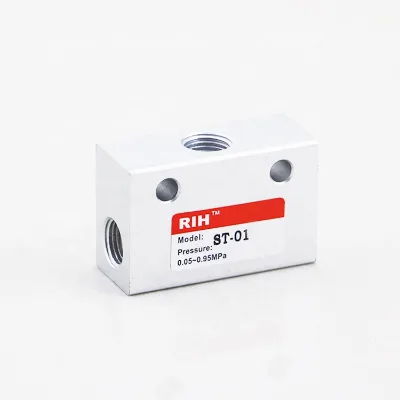
Order Volume is a primary cost driver. The Minimum Order Quantity (MOQ) ranges from 1 to 300 units. Buyers purchasing single units or small batches may face a higher per-unit cost but benefit from flexibility. Bulk orders, particularly those exceeding 300 units, often trigger volume discounts, significantly reducing the average cost per valve. The customization factor also plays a substantial role in pricing. While standard models like the SV-01 or ST series are readily available, customized solutions involving specific thread types, actuator modifications, or unique surface treatments (such as outsize or inside mirror surface processing) will incur additional engineering and production costs.
Packaging requirements can also influence the final landed cost. Options range from simple cardboard boxes to more robust plywood boxes, international standard packing, or blister packing for retail-ready units. The choice of packaging affects shipping weight and volume, which in turn impacts logistics expenses. Furthermore, the inclusion of optional accessories, such as proximity switches, solenoid valves, manual limits, or intelligent positioners, adds to the base unit cost. Buyers must carefully evaluate whether these accessories are necessary for their specific application to avoid unnecessary expenditure.
Typical Applications and Operational Contexts
Pneumatic control valves and shuttle valves are integral components in a wide array of industrial sectors, primarily driven by their reliability and speed of operation. The "Industrial" situation classification highlights their primary use in manufacturing environments where automation is key. These valves are commonly employed in sanitary ware applications, where hygiene and the ability to withstand frequent cleaning cycles are paramount. The use of PTFE seals and stainless steel or aluminum bodies ensures that these valves can handle water and neutral gases without degrading over time.
The "Quick-Opening" manner of these valves makes them ideal for applications requiring rapid response times, such as emergency shut-off systems or high-speed packaging machinery. The ability to switch between normal open and normal close states allows for versatile control logic in pneumatic circuits. For instance, in a shuttle valve configuration, the component can direct air flow from one of two inputs to a single output, a function critical in dual-control systems or safety interlocks.
The medium viscosity limit of ≤600mm²/S suggests that these valves are optimized for low-viscosity fluids like air and water. They are less suitable for heavy oils or slurries without specific modifications. The temperature ranges observed, particularly the ability to withstand up to +220°C in some models, make them suitable for processes involving heated fluids or steam, provided the ambient temperature remains within the specified -10°C to +80°C limits. The service life of these valves is typically rated at greater than 3 years, indicating a robust design intended for long-term continuous operation in demanding industrial settings.
Supplier Evaluation and Sourcing Strategy
Evaluating potential suppliers requires a multi-faceted approach that goes beyond price comparison. Buyers should prioritize suppliers who demonstrate transparency in their manufacturing processes and provide clear documentation regarding product specifications. The origin of the products, frequently listed as Ningbo, China, suggests a concentration of manufacturing expertise in this region. However, buyers must verify the specific factory location and ensure that the supplier has the capacity to meet their volume requirements and lead time expectations.
The availability of OEM services is a significant indicator of a supplier's flexibility. Suppliers offering OEM capabilities can tailor products to specific brand requirements or technical specifications, which is valuable for companies looking to integrate valves into proprietary systems. The ability to provide customized solutions, such as specific thread types or actuator sizes, further distinguishes high-quality suppliers from generic traders.
When evaluating suppliers, buyers should also consider the consistency of their product standards. The presence of multiple certifications (CE, ISO, RoHS) across different product lines suggests a mature quality management system. However, buyers must be cautious of inconsistent data, such as conflicting origin locations or varying standard references. A reliable supplier will provide a single, coherent set of specifications for each product model, ensuring that the valve meets the exact requirements of the application.
Quality Control and Long-Term Procurement Considerations
Ensuring the long-term reliability of pneumatic control valves requires a robust quality control strategy. Buyers should implement incoming inspection protocols that verify critical dimensions, material composition, and functional performance. The surface treatment, described as "Outsize/Inside Mirror Surface Processing," is a key quality indicator that suggests a high level of manufacturing precision and corrosion resistance. This treatment is particularly important for valves used in sanitary applications or environments with high humidity.
The service life of the valves, typically exceeding 3 years, is a strong indicator of durability. However, to maximize this lifespan, buyers must ensure that the operating conditions (pressure, temperature, and fluid type) remain within the specified limits. Regular maintenance schedules should be established to check for wear on the PTFE seals and the integrity of the actuator components. The availability of spare parts and the supplier's willingness to provide technical support are also critical factors in long-term procurement planning.
In terms of procurement strategy, buyers should consider the total cost of ownership rather than just the initial purchase price. This includes factors such as energy efficiency, maintenance costs, and the potential downtime associated with valve failure. Selecting a supplier with a proven track record of quality and reliability can mitigate these risks. Additionally, maintaining a diversified supplier base can provide flexibility in case of supply chain disruptions or sudden changes in demand.
Comparative Analysis of Valve Specifications
To facilitate informed decision-making, the following table summarizes key specifications observed in the market for pneumatic control valves. This comparison highlights the variability in materials, standards, and configurations that buyers must navigate during the sourcing process.
| Specification Category | Observed Options | Critical Considerations |
|---|---|---|
| Actuator Material | SS304, Plastic | SS304 offers superior corrosion resistance; Plastic is lighter and cost-effective. |
| Valve Body Material | Steel, Aluminum | Steel is robust for high pressure; Aluminum is lighter for portable systems. |
| Connection Type | Threaded (Bsp, BSPT, NPT), Clamp, Weld, Flange | Must match existing piping standards (JIS, DIN, ANSI). |
| Seals Material | PTFE | Excellent chemical resistance; verify temperature limits for specific fluids. |
| Working Pressure | 0~1 MPa | Ensure system pressure does not exceed this limit to prevent failure. |
| Temperature Range | -10°C to +220°C (Fluid); -10°C to +80°C (Ambient) | Verify ambient conditions; high fluid temps require specific seal ratings. |
| Certifications | CE, ISO, RoHS, REACH, SGS | Verify current validity; check specific ISO versions (e.g., 9001:2008). |
| Port Size | G1/8 to G1 | Select based on flow rate requirements and pipe diameter. |
| Optional Accessories | Proximity Switch, Solenoid Valve, Positioner | Adds functionality but increases cost and complexity. |
This comparative analysis underscores the importance of matching specific technical requirements with the available product options. By carefully evaluating these specifications against the intended application, buyers can select the most suitable pneumatic control valves that ensure optimal performance and reliability in their industrial operations.
FAQs
What materials are used for the valve body and actuator?
The valve body is made of steel or aluminum, while the actuator material is SS304 or plastic. These materials ensure corrosion resistance and durability for industrial applications involving water or neutral gas.
Can the valve operate in extreme temperature conditions?
Yes, the fluid temperature range spans from -10°C to +220°C depending on the model. The ambient temperature tolerance is rated between -10°C and +80°C for safe continuous operation.
Which certifications do these pneumatic valves typically hold?
Products commonly hold CE, ISO, RoHS, and REACH certifications. Some models also include SGS certification to verify quality management systems and compliance with international safety standards.
How is the valve connected to piping systems?
Connection forms include threaded, clamp, weld, and flange types. Specific thread sizes range from 1/8 to 1/2 inch, with flange standards like JIS10K, Class150, and PN16 available for integration.
What is the minimum order quantity for these valves?
The minimum order quantity ranges from 1 to 300 units depending on the supplier and customization level. Bulk orders often trigger volume discounts, while single units are available for testing.
Can the valve be customized for specific applications?
Yes, customization is available for thread types, actuator sizes, and surface treatments. Suppliers offer OEM services to tailor the valve to specific industrial requirements and brand specifications.
What is the expected service life of the valve?
The service life is typically rated at greater than 3 years under normal operating conditions. This longevity is supported by robust PTFE seals and high-quality surface treatments like mirror processing.