Source SMD 3030 LED Headlight Bulbs for Cars, Trucks, and Motorcycles
Find and compare 30 listings for SMD 3030 LED Headlight Bulbs tailored for automotive lighting needs. Evaluate options featuring aviation aluminum housings, IP67 waterproof ratings, and varying lumen outputs to select the right components for your vehicle's front position or high beam requirements.
Key considerations
Products List


$5.00 - $50.00
MOQ: 100


Ultra Bright 9012 LED Headlight Bulb for Nighttime Visibility Auto Parts
$10.10 - $13.50
MOQ: 10 Pieces
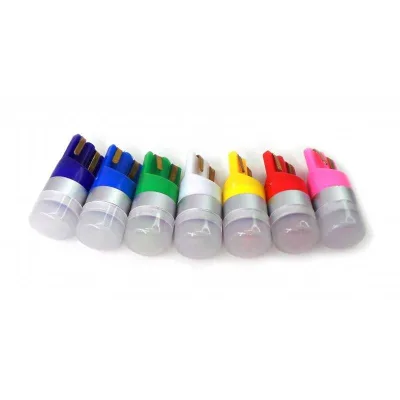
Super Bright T10 3030 LED with Cover 501 Side Light Bulbs Smd T10 Car Led
$0.18 - $0.23
MOQ: 100 pieces


Auto Headlight 9003 High Low Beam Bulb 2000lm Auto LED 5530 Chips 40W H4 Headlight Bulb
$11.00 - $13.00
MOQ: 100 Pieces


Comprehensive Sourcing Guide
SMD 3030 LED Headlight Bulbs Sourcing Guide
Sourcing SMD 3030 LED Headlight Bulbs requires a disciplined approach to balancing luminous output, thermal management, and regulatory compliance. The 3030 package is a standard surface-mount device format widely used in automotive lighting due to its compact footprint and efficient heat dissipation capabilities. Buyers must navigate a market where specifications vary significantly between suppliers, particularly regarding actual lumen output, color temperature consistency, and waterproof ratings. This guide provides a structured framework for evaluating these components, ensuring that procurement decisions are based on verified technical data rather than marketing claims.
The following sections detail the critical verification steps for product scope, technical specifications, compliance documentation, cost structures, supplier qualification, and long-term quality assurance. Each section is designed to help procurement professionals identify red flags, validate supplier claims, and establish clear requirements for their specific automotive applications. By adhering to these evidence-based guidelines, buyers can mitigate risks associated with premature failure, non-compliance with regional regulations, and inconsistent performance across production batches.
Product Scope and Observed Listing Signals
The current market for SMD 3030 LED Headlight Bulbs encompasses a diverse range of configurations, including dipped headlights, high beams, and front position lamps. Observed listings indicate a wide price range, typically spanning from $0.18 to $699 USD, which reflects significant variation in component quality, brand positioning, and included accessories. Minimum Order Quantities (MOQs) also vary substantially, ranging from single units for sampling to 1,000 units for bulk industrial procurement. Buyers should interpret this wide variance as an indicator that price alone is not a reliable proxy for quality; instead, it signals the need for rigorous specification verification before committing to volume orders.
Product attributes observed in the market include varying power ratings, such as 28W, 30W, and 6W, alongside differing lumen outputs like 3,200lm, 4,500lm, and 6,000lm. Housing materials are predominantly aviation-grade aluminum, chosen for its thermal conductivity, while LED chips range from 3570 to 3030 packages. Some listings specify waterproof rates of IP65 or IP67, and color temperatures are commonly observed at 6000K or 6500K, though warm white options exist for specific applications. Buyers must treat these observed attributes as initial screening criteria rather than guaranteed specifications, requiring direct confirmation from suppliers for each specific model number, such as H15, E1-H7, or A26-H4.
Technical Specifications to Verify
Thermal management is the most critical technical factor for the longevity of SMD 3030 LED Headlight Bulbs. Buyers must verify the operating temperature range, with reliable products typically supporting environments from -40°C to +80°C. The housing material, often aviation aluminum, plays a vital role in dissipating heat generated by the LED chips. Procurement teams should request thermal imaging data or detailed heat sink designs to ensure that the thermal resistance is low enough to prevent premature lumen depreciation. Without adequate heat dissipation, even high-quality 3030 chips can suffer from rapid brightness loss or catastrophic failure within months of use.
Electrical compatibility and optical performance are equally important verification points. The input voltage range should be confirmed, with many robust units supporting DC 9V-32V to accommodate various vehicle electrical systems. Buyers should verify the LED chip configuration, such as the number of groups (e.g., 2 or 4 groups) and the specific chip type (e.g., 3030 or 3570). Beam angle consistency is also crucial; observed angles range from 280 to 360 degrees, but buyers must ensure that the light distribution pattern meets their specific optical requirements for road illumination. Additionally, the luminous efficacy, measured in lumens per watt, should be calculated to assess energy efficiency, keeping in mind that higher lumen claims do not always correlate with better real-world performance.
Compliance and Safety Documentation
Regulatory compliance is non-negotiable for automotive lighting components, particularly for headlight bulbs intended for road use. Buyers must verify that products carry recognized certifications such as E-mark, CE, and RoHS. The E-mark certification is essential for vehicles operating in Europe and other regions that adopt UN ECE regulations, ensuring that the lighting meets strict photometric and safety standards. Procurement teams should request valid certificate numbers and verify their authenticity with the issuing bodies, as counterfeit documentation is a known risk in the LED lighting supply chain.
Waterproofing and environmental resistance are also key compliance and durability factors. Listings often cite IP65 or IP67 ratings, but buyers must understand what these ratings entail in real-world conditions. IP67 implies protection against temporary immersion in water, which is critical for headlights exposed to rain and washing. Buyers should request test reports from independent laboratories that confirm these ratings under sustained pressure and temperature cycles. Furthermore, RoHS compliance ensures that the product is free from hazardous substances, which is increasingly important for environmental regulations and corporate sustainability goals.
Cost Drivers and Commercial Terms
The cost of SMD 3030 LED Headlight Bulbs is driven by several factors, including the quality of the LED chips, the complexity of the thermal management system, and the packaging materials. High-quality aviation aluminum housings and advanced driver ICs contribute to higher unit costs but offer better reliability and longevity. Buyers should analyze the total cost of ownership rather than just the unit price, considering factors such as warranty terms, return rates, and the potential cost of vehicle recalls or customer complaints due to premature failure.
Commercial terms, including MOQs and lead times, vary significantly among suppliers. While some suppliers offer low MOQs for sampling, bulk orders may require commitments of 1,000 units or more. Buyers should negotiate clear terms for price breaks at different volume tiers and ensure that lead times are realistic and consistent. Packaging is another cost factor; options range from simple electrostatic bags to premium color boxes, which may impact retail appeal and protection during transit. Procurement teams should clarify who bears the cost of packaging and whether custom branding is available, as this can affect the final product's marketability.
Supplier Qualification and Quality Control
Supplier qualification is the first line of defense against quality issues. Buyers should conduct thorough due diligence on potential suppliers, verifying their business licenses, manufacturing capabilities, and quality management systems. Suppliers with established production lines and in-house testing facilities are generally more reliable than trading companies. It is advisable to request samples from multiple suppliers to compare build quality, light output, and thermal performance firsthand. Buyers should also check for any history of non-compliance or customer complaints, as these can indicate systemic quality issues.
Quality control processes should be clearly defined and agreed upon before production begins. Buyers should specify acceptance criteria for key parameters such as lumen output, color temperature consistency, and waterproof integrity. Implementing a pre-shipment inspection (PSI) protocol is recommended to catch defects before goods leave the factory. Buyers should also establish a clear process for handling defective items, including return policies and credit terms. Regular audits of the supplier’s quality control procedures can help ensure that standards are maintained over time, reducing the risk of batch failures.
Long-Term Procurement Checks
Long-term procurement success depends on continuous monitoring of product performance and supplier reliability. Buyers should track key performance indicators (KPIs) such as failure rates, customer feedback, and warranty claims to identify any emerging quality issues. Regular communication with suppliers is essential to address any changes in materials, components, or manufacturing processes that could affect product performance. Buyers should also stay informed about evolving regulatory requirements and industry standards to ensure that their products remain compliant and competitive.
Building a resilient supply chain involves diversifying suppliers and maintaining safety stock for critical components. Buyers should avoid over-reliance on a single supplier, as this can lead to vulnerabilities in case of production disruptions or quality issues. Establishing long-term partnerships with qualified suppliers can lead to better pricing, priority production, and collaborative innovation. By maintaining a proactive approach to supplier management and quality assurance, buyers can ensure a steady supply of high-quality SMD 3030 LED Headlight Bulbs that meet their customers' needs and regulatory requirements.
FAQs
What is the waterproof rating for these LED headlight bulbs?
The waterproof rating is IP67 for the H15 model and IP65 for the E1-H7 model. This ensures protection against dust and temporary immersion in water, making them suitable for various weather conditions during operation.
Which LED chip types are used in these headlight bulbs?
The bulbs utilize 3570 and 3030 LED chips depending on the specific model. The 3030 chip is found in the brake light variant, while the 3570 chip powers the main headlight functions like dipped and high beam.
Can these LED bulbs be customized for specific vehicle requirements?
Yes, customization is available for these LED headlight bulbs. Buyers can request specific modifications to meet unique vehicle standards or performance needs, ensuring a tailored fit for different automotive applications.
What is the operating temperature range for these LED products?
The operating temperature range spans from -40 degrees to +80 degrees Celsius. This wide range allows the bulbs to function reliably in extreme cold or hot environments without performance degradation.
How many lumens do the different headlight models produce?
Lumen output varies by model, with values ranging from 3200lm to 6000lm. Specific models like the H15 produce 5000lm, while others may offer 4500lm or 3200lm depending on the configuration and power rating.
What certifications do these LED headlight bulbs hold?
The products hold E-mark and CE certifications along with RoHS compliance. These standards verify that the bulbs meet international safety and environmental requirements for automotive lighting components.
What is the expected lifespan of these LED headlight bulbs?
The expected lifespan exceeds 50,000 hours for the specified models. This long service life reduces the frequency of replacements and ensures consistent illumination over an extended period of use.