Source Pneumatic Double Acting Valve Positioner for Process Control
Compare 24 Pneumatic Double Acting Valve Positioner options from verified Chinese manufacturers. Buyers can evaluate specifications like signal type, material, and certifications including CE and ISO before requesting quotes.
Key considerations
Products List


Intelligent Pneumatic Control Valve Positioner for Pneumatic Actuator Valve
$80.00 - $200.00
MOQ: 1 Pieces


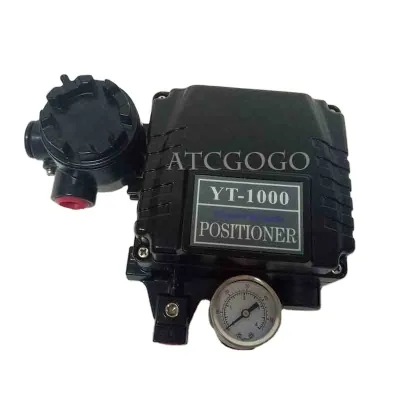


Comprehensive Sourcing Guide
Strategic Sourcing Guide for Pneumatic Double Acting Valve Positioners
Understanding Core Technical Specifications and Functional Requirements
When sourcing a Pneumatic Double Acting Valve Positioner, the primary objective is to secure a device that ensures precise valve positioning through continuous signal processing. The fundamental operation relies on a linear mathematical model, which allows the positioner to interpret input signals and adjust the valve actuator accordingly. Buyers must verify that the selected unit supports an automatic control function, as this is the defining characteristic for modern industrial automation systems requiring high responsiveness. The device typically operates with a continuous signal input, specifically within the 4~20mA DC range, ensuring compatibility with standard distributed control systems (DCS) and programmable logic controllers (PLC).
The mechanical configuration of these positioners often features a combination structure, designed to accommodate various mounting scenarios and valve types. A critical specification to observe is the acting mode, which can be configured as either single or double acting, depending on the specific process requirements and safety protocols. For pneumatic operation, the air supply connection is standardized at G1/8", while the air pressure requirement generally falls within the 5-7 Bar range. This pressure window is essential for maintaining the force necessary to drive double-acting actuators against process pressures. Furthermore, the connection interface for the positioner is typically available in PT or NPT formats, allowing for flexibility in piping integration.
The physical durability of the unit is often dictated by the material composition. Stainless steel is a prevalent material choice for the housing and internal components, offering resistance to corrosion in harsh chemical environments. In some applications, aluminum or alloy materials may be utilized, particularly where weight reduction is a priority or where the operating environment is less corrosive. The operational temperature is generally rated for normal temperature conditions, though buyers should confirm specific thermal limits for extreme environments. The stroke of the actuator controlled by the positioner is commonly 0~90 degrees, suitable for quarter-turn valves such as ball or butterfly valves.
Compliance, Certification, and Regulatory Standards
Navigating the complex landscape of industrial certifications is a critical step in the procurement process. Buyers must rigorously verify that the supplier provides documentation confirming adherence to recognized international standards. The most frequently observed certification for these devices includes the CE mark, indicating compliance with European health, safety, and environmental protection standards. Additionally, the ISO certification is a standard requirement, often cited as ISO 9001:2008 or similar iterations, which validates the manufacturer's quality management systems.
Beyond general quality certifications, specific industry standards may apply depending on the application sector. For instance, the 3A standard is relevant for applications in the food and beverage industry, ensuring sanitary design and cleanability. The SGS certification is another indicator of third-party verification for product quality and safety. In certain contexts, standards such as EMC (Electromagnetic Compatibility), SAFETY, and UL may be required to ensure the device does not interfere with other equipment and meets specific safety protocols. It is also important to note that some product lines may reference the IVP standard or JIS (Japanese Industrial Standards), though these are less universal than CE and ISO.
Buyers should not assume that all listed products automatically satisfy every standard mentioned in a general catalog. Instead, the procurement strategy must involve a direct request for the specific certificate of conformity for the exact model number being purchased. For example, while one model might be certified under CE and 3A, another variant might only carry CE and ISO markings. The verification process should include checking the validity of the certificates and ensuring they cover the specific version of the product, whether it is a basic version or a feedback version equipped with advanced diagnostics.
Cost Drivers and Pricing Structure Analysis
The pricing of pneumatic double acting valve positioners is influenced by a variety of factors, ranging from material costs to the complexity of the control logic. The observed market price range for these devices spans from 8 USD to 2000 USD, reflecting a significant disparity in product capabilities and build quality. The lower end of this spectrum typically corresponds to basic models with standard materials like aluminum or simple alloy constructions, lacking advanced feedback mechanisms or specialized coatings. Conversely, the higher price points are associated with units featuring stainless steel construction, feedback versions with enhanced precision, and comprehensive certification packages including UL or EMC compliance.
Material composition is a primary driver of cost. Stainless steel units command a premium over aluminum or alloy alternatives due to the raw material cost and the additional manufacturing processes required to ensure corrosion resistance. The level of customization also significantly impacts the final price. Products offering custom paint colors, special OEM packaging, or tailored connection types (PT/NPT) will incur higher costs compared to standard off-the-shelf configurations. Furthermore, the inclusion of advanced features such as split range outputs or regulated type adjusted forms adds to the complexity and price of the unit.
Minimum Order Quantity (MOQ) requirements also play a role in the effective cost per unit. The observed MOQ range for these products varies from 1 to 100 units. Buyers purchasing small quantities may face a higher per-unit cost due to the lack of economies of scale, whereas bulk orders often benefit from discounted pricing structures. However, the MOQ threshold can also act as a barrier for small-scale projects, requiring careful financial planning to meet the supplier's requirements without overstocking.
Typical Industrial Applications and Operational Context
Pneumatic double acting valve positioners are integral to a wide array of industrial processes where precise flow control is paramount. The ability to handle a 0~90 degree stroke makes these devices particularly suitable for quarter-turn valves, which are ubiquitous in water treatment, chemical processing, and oil and gas industries. The automatic control function ensures that the valve responds instantly to process changes, maintaining stability in systems where manual intervention is impractical or dangerous.
The robust construction, often utilizing stainless steel, makes these positioners ideal for environments with corrosive chemicals or high humidity. The IP67 rating observed in some models indicates a high level of protection against dust and temporary immersion in water, making them suitable for outdoor installations or wash-down areas in food processing facilities. The air pressure requirement of 5-7 Bar aligns with standard compressed air systems found in most industrial plants, ensuring easy integration without the need for specialized air preparation units.
In applications requiring sanitary compliance, such as pharmaceutical or food production, the availability of 3A certified models is crucial. These units prevent contamination and facilitate cleaning procedures. Similarly, in hazardous areas, the EMC and safety certifications ensure that the positioner does not generate sparks or electromagnetic interference that could compromise safety. The versatility of the connection types (PT/NPT) allows for seamless integration into existing piping networks, reducing installation time and potential leak points.
Supplier Evaluation and Quality Assurance Protocols
Selecting a reliable supplier requires a multi-faceted evaluation strategy that goes beyond price comparisons. Buyers should prioritize suppliers with a proven track record in manufacturing positioners that meet the specific standards identified in the sourcing requirements. The origin of the product is a significant factor; many reputable manufacturers are located in industrial hubs such as Wenzhou, Zhejiang, or Ningbo, China, where specialized supply chains support the production of high-quality instrumentation.
Quality assurance should be a central component of the supplier selection process. Buyers must verify that the supplier adheres to ISO 9001:2008 or equivalent quality management standards. This ensures that the manufacturing process is consistent and that every unit undergoes rigorous testing before shipment. The condition of the product is typically listed as "New," but buyers should request evidence of factory testing to confirm that the units are free from defects and operational issues.
The packaging method is another indicator of supplier professionalism. Standard export packages, paper boxes, or wooden cases are common, but the choice of packaging should align with the fragility of the device and the shipping conditions. For international shipments, the use of sturdy wooden cases or reinforced cartons is essential to prevent damage during transit. Additionally, suppliers offering flexible shipping terms, such as DHL, FedEx, EMS, UPS, or TNT, provide buyers with the agility to manage logistics effectively.
Long-Term Procurement Considerations and Maintenance
Sourcing a Pneumatic Double Acting Valve Positioner is not merely a one-time transaction but the beginning of a long-term operational relationship. Buyers should consider the availability of spare parts and the ease of maintenance when selecting a model. The weight of the unit, typically ranging from 2.8 Kgs to 3-5 Kgs per piece, impacts installation and potential future maintenance requirements. Lighter units may be easier to handle but must still provide sufficient durability for the intended application.
Customization options, such as special paint colors or OEM branding, can enhance the longevity and integration of the device within a specific facility's aesthetic and operational framework. However, buyers should be cautious with custom orders, as they may lead to longer lead times and higher costs. It is advisable to balance customization needs with the availability of standard models that offer similar performance characteristics.
The version of the positioner, whether basic or feedback, also influences long-term value. Feedback versions often provide diagnostic capabilities that can predict maintenance needs before a failure occurs, reducing downtime and operational costs. Buyers should evaluate whether the added cost of a feedback version is justified by the criticality of the valve in their process. Finally, the standard export packaging and the origin of the product should be verified to ensure that the supply chain is resilient and capable of meeting future demand without significant delays.
Comparative Analysis of Product Attributes
To facilitate informed decision-making, the following table summarizes key attributes observed across different product models, highlighting the variations in specifications and standards.
| Attribute | Model 1831 | Model YT1000 | Model REP-1000R | Model IVP | Model YT1000L/R |
|---|---|---|---|---|---|
| Material | Stainless Steel | Stainless Steel | Aluminum | Alloy | Alloy |
| Certification | ISO, CE | CE | CE, EMC, SAFETY, UL, ISO9001:2008 | ISO, Ce | ISO, JIS |
| Origin | Wenzhou, Zhejiang | Wenzhou | Ningbo | China | China |
| Packing | Standard Export | Paper Box | Carton | Wooden Cases | Original Paper Box |
| Weight | 2.8 Kgs/Unit | N/A | 3-5 Kgs/PCS | N/A | N/A |
| Standard | CE, 3A, SGS | CE | CE, EMC, SAFETY, UL | IVP | 20cm10cm10cm |
This comparison illustrates the diversity in the market. While some models prioritize material durability with stainless steel, others focus on comprehensive certification suites like UL and EMC. The variation in packaging and origin also suggests that buyers must align their logistical capabilities with the supplier's shipping methods. By carefully analyzing these attributes, procurement teams can select the most suitable positioner for their specific operational needs, ensuring both immediate performance and long-term reliability.
FAQs
What certifications do pneumatic double acting valve positioners typically have?
Most units carry CE and ISO certifications, with some models also meeting 3A, SGS, or UL standards. Buyers should verify specific certificates for the exact model, as not all products include every listed standard like EMC or JIS.
Which material options are available for these positioners?
Stainless steel is a common material choice for corrosion resistance, while aluminum and alloy options exist for weight reduction. The specific material depends on the model, such as those made from stainless steel or alloy components.
How is the air supply connection specified for these devices?
The standard air supply connection is typically G1/8 inches, operating within a pressure range of 5 to 7 Bar. This ensures compatibility with standard industrial compressed air systems for driving double-acting actuators.
Can these positioners be customized for specific needs?
Yes, customization is available for features like paint color, OEM packaging, and connection types such as PT or NPT. Buyers can request special configurations, though this may affect lead times and pricing compared to standard models.
What is the typical weight of a Pneumatic Double Acting Valve Positioner?
The weight typically ranges from 2.8 kilograms per unit to 3 to 5 kilograms per piece depending on the model. This variation is influenced by the material composition, such as stainless steel versus aluminum or alloy constructions.
Which input signals do these positioners support?
They commonly accept continuous 4 to 20mA DC input signals for precise control. Some advanced versions may also support split ranges or regulated type adjusted forms for complex process requirements.
Where are these products typically manufactured?
Manufacturing origins are primarily in China, specifically in industrial hubs like Wenzhou, Zhejiang, and Ningbo. Buyers should check the specific product origin for each model to confirm the manufacturing location.