Source Pneumatic Sandpiper Pump Repair Kit for Fluid Transfer
Find and compare 30 Pneumatic Sandpiper Pump Repair Kit options for automotive, industrial, and sewage applications. These kits include rubber and neoprene diaphragms designed for Sandpiper diaphragm pumps, supporting OEM customization and low-pressure pneumatic operations; compare the available evidence and request quotations based on your requirements.
Key considerations
Products List
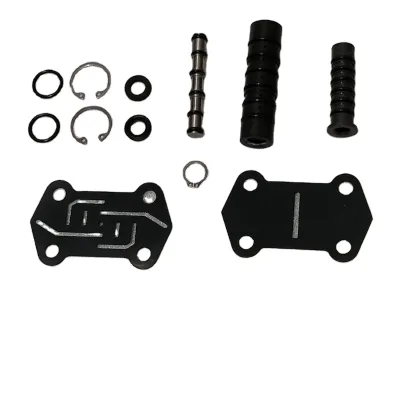


Replacement Pneumatic Double Diaphragm Pumps' Spares Compatible with Sandpiper
$10.00 - $100.00
MOQ: 1 Pieces


Negotiable
MOQ: 1 Pieces
Comprehensive Sourcing Guide
Pneumatic Sandpiper Pump Repair Kit Sourcing Guide
Procuring replacement components for pneumatic diaphragm pumps requires precise alignment between the repair kit specifications and the original equipment manufacturer’s design parameters. Buyers must recognize that these kits are not generic solutions but engineered assemblies designed to restore the specific hydraulic and pneumatic integrity of Sandpiper brand pumps. The core challenge lies in identifying the correct wet kit or individual diaphragm set that matches the pump’s internal geometry, ensuring that the new parts interface correctly with existing valves, balls, and housing structures.
This guide provides a structured approach to sourcing these critical maintenance components by focusing on verifiable technical attributes, material compatibility, and commercial terms. By adhering to strict verification protocols, procurement teams can mitigate the risk of installing incompatible parts that lead to premature failure or operational downtime. The following sections detail the essential steps for evaluating suppliers, confirming technical data, and establishing reliable supply chains for ongoing maintenance needs.
Product Scope and Observed Listing Signals
The market for pneumatic pump repair components includes a variety of configurations, ranging from complete wet kits to individual diaphragm sets made from different elastomers. Observed listings indicate a broad price range, reflecting differences in material quality, brand authenticity, and packaging standards. Buyers should note that some products are explicitly labeled as compatible with Sandpiper pumps, while others are generic industrial replacements. It is crucial to distinguish between OEM-authorized parts and aftermarket alternatives, as the latter may vary significantly in dimensional accuracy and chemical resistance.
Product descriptions often highlight specific part numbers, such as 286-099-365 or 476.129.000, which serve as primary identifiers for compatibility. These numbers must be cross-referenced with the pump’s service manual to ensure a direct fit. Additionally, listings may specify the material composition, such as Neoprene or PTFE, which dictates the chemical and temperature limits of the repair kit. Buyers must carefully review these details to avoid selecting a kit that lacks the necessary durability for their specific fluid handling application, as material mismatch is a common cause of early component failure.
Technical Specifications to Verify
Dimensional accuracy is the most critical technical factor when selecting a repair kit for a pneumatic diaphragm pump. Buyers must verify that the diaphragm’s outer diameter, thickness, and bolt hole pattern match the original specifications exactly. For instance, some listings specify standard dimensions like D278mm or 400x17.5x6mm, which must align with the pump’s internal cavity. Any deviation in these measurements can result in improper sealing, air leakage, or mechanical interference during the pumping cycle. Therefore, physical measurement or detailed CAD comparison is often necessary before placing an order.
Material selection directly impacts the repair kit’s performance under varying operational conditions. Common materials include Neoprene, which offers good general-purpose resistance, and PTFE, which provides superior chemical inertness and low friction. Buyers should also consider the temperature range, with some diaphragms rated for extreme environments from -200°C to +250°C. It is essential to confirm that the chosen material can withstand the specific chemicals, temperatures, and pressures encountered in the application. Mismatched material properties can lead to rapid degradation, swelling, or cracking, compromising the pump’s efficiency and safety.
Compliance and Safety Documentation
While specific safety certifications may not always be prominently displayed for individual pump parts, buyers should request documentation that confirms the manufacturer’s adherence to quality management systems. Many suppliers cite ISO 9001:2015 or similar standards, indicating a structured approach to production consistency and traceability. This documentation helps ensure that the repair kits are manufactured under controlled conditions, reducing the risk of defects such as inconsistent thickness or material impurities. Buyers should verify the validity of these certificates and check for any recent audit findings that might impact product reliability.
Chemical compatibility data sheets are another essential component of the documentation package, particularly when handling aggressive fluids. These sheets provide detailed information on the diaphragm material’s resistance to specific chemicals, ensuring that the repair kit will not degrade upon contact with the pumped medium. Buyers should also inquire about any relevant industry-specific standards that the parts may meet, such as FDA compliance for food-grade applications or ATEX certification for explosive environments. Having this documentation on file is crucial for regulatory compliance and risk management in industrial settings.
Cost Drivers and Commercial Terms
The cost of pneumatic pump repair kits is influenced by several factors, including material type, brand authenticity, and order volume. OEM parts typically command a premium due to guaranteed compatibility and quality assurance, while aftermarket options may offer cost savings but require more rigorous verification. Buyers should also consider the packaging and shipping costs, as these components are often shipped in small quantities but may incur significant freight charges if not consolidated. Understanding the total landed cost, rather than just the unit price, is essential for accurate budgeting and supplier comparison.
Commercial terms such as minimum order quantities (MOQ), lead times, and warranty policies significantly impact the procurement process. Some suppliers may require MOQs of 1-500 units, which can affect inventory management strategies for maintenance teams. Lead times can vary from 7-15 days for standard items to longer periods for customized orders, necessitating careful planning to avoid production delays. Additionally, buyers should clarify warranty terms, as some suppliers may not offer warranties for pump parts, shifting the risk of failure entirely to the buyer. Clear communication of these terms helps establish realistic expectations and contractual protections.
Supplier Qualification and Quality Control
Evaluating supplier capability is a vital step in ensuring the long-term reliability of the repair kit supply chain. Buyers should assess the supplier’s manufacturing processes, including their ability to produce consistent dimensions and maintain material purity. Suppliers that offer OEM or ODM support may have more advanced production capabilities, but buyers must verify that these services are used appropriately to maintain part integrity. Requesting samples before bulk ordering allows for physical inspection and functional testing, providing a practical assessment of the supplier’s quality control standards.
Quality control procedures should include incoming material inspections, in-process monitoring, and final product testing. Buyers should inquire about the supplier’s defect rate and their process for handling non-conforming products. A robust quality management system should include traceability measures, allowing buyers to identify the batch or lot number of each repair kit. This traceability is crucial for investigating any field failures and holding the supplier accountable. Establishing a strong relationship with a supplier that prioritizes quality can reduce the risk of operational disruptions and ensure consistent performance of the pneumatic pumps.
Long-Term Procurement Checks
Establishing a long-term procurement strategy for repair kits involves regular performance monitoring and supplier relationship management. Buyers should track the lifespan of installed diaphragms and wet kits to identify any trends in premature failure or performance degradation. This data can be used to negotiate better terms with suppliers or to switch to alternative materials that offer greater durability. Regular audits of supplier quality and delivery performance help maintain high standards and ensure that the supply chain remains resilient against disruptions.
Continuous improvement in the procurement process can be achieved by staying informed about new product developments and material innovations. Buyers should engage with suppliers to discuss potential upgrades or improvements that could enhance pump performance or reduce maintenance costs. Additionally, maintaining a diverse supplier base can mitigate the risk of supply shortages and provide competitive pricing options. By proactively managing these relationships and monitoring performance metrics, buyers can optimize their maintenance operations and ensure the reliable operation of their pneumatic diaphragm pumps over the long term.
FAQs
What is the warranty for Sandpiper pump parts?
There is no warranty provided for pump parts according to the product specifications. Buyers should verify specific terms with the supplier before purchasing replacement kits for Sandpiper diaphragm pumps to ensure coverage expectations are met.
Which materials are used for these diaphragm kits?
The kits are available in rubber, neoprene, and PTFE materials. These options provide high temperature resistance and wide working temperature ranges from negative two hundred to positive two hundred fifty degrees Celsius for industrial pneumatic pump applications.
Can I get OEM or ODM support for these parts?
Yes, OEM and ODM customized support is available for these pneumatic pump components. Buyers can request specific modifications or branding while sourcing from manufacturers in Shanghai, China, who offer flexible customization options for industrial pump needs.
What is the lead time for delivery of these kits?
The standard delivery time is seven to fifteen days for bulk orders. Sample requests typically require ten to twenty days for preparation. Shipping is handled via major carriers like DHL, FedEx, UPS, or TNT for efficient global distribution.
How do I find the correct model number for my pump?
Identify the correct model by matching part numbers like 286-099-365 or 286-007-365 to your specific Sandpiper pump. These models correspond to specific dimensions and materials, ensuring compatibility with diaphragm pumps used in automotive and industrial sectors.
What certifications do these manufacturers hold?
Manufacturers hold ISO 9001:2008 and ISO 9001:2015 certifications for quality management. These standards ensure that the production processes for rubber and neoprene diaphragms meet international requirements for consistency and reliability in pneumatic pump repair applications.
What is the minimum order quantity for these kits?
The minimum order quantity ranges from one to five hundred units depending on the supplier. Buyers can source single items or larger batches, with pricing varying between 0.8 and 500 USD based on material type and customization requirements.