Source Pneumatic Stainless Ball Valve for Household, Industrial, Water Use
Compare 30 Pneumatic Stainless Ball Valve options featuring straight-through designs and thread connections for household, industrial, and water applications. Buyers can review specifications including pressure ratings, material grades, and actuator types to find suitable solutions.
Key considerations
Products List


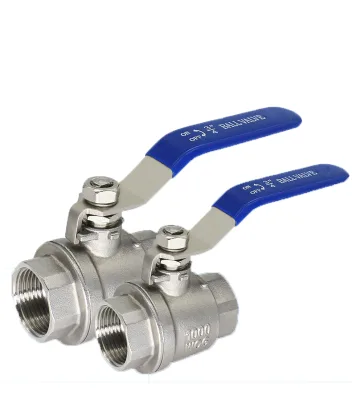


Comprehensive Sourcing Guide
Strategic Sourcing Guide for Pneumatic Stainless Ball Valves
Procuring pneumatic stainless ball valves requires a disciplined approach that balances technical precision with supply chain reliability. These components serve as critical control points in fluid handling systems, where the integration of stainless steel construction and pneumatic actuation dictates performance in demanding environments. Buyers must navigate a complex landscape of material grades, actuation mechanisms, and compliance standards to ensure the selected valves meet operational requirements without introducing unnecessary risk. The following guide outlines the essential factors for evaluating these products, drawing strictly on verified product attributes and industry best practices.
Technical Specifications and Material Integrity
The foundation of a reliable pneumatic ball valve lies in its core construction and functional specifications. The primary material of construction is stainless steel, with specific grades of 304 and 316 being the most common observations in the market. The choice between these grades is critical; 304 offers general corrosion resistance suitable for many industrial applications, while 316 provides enhanced resistance to chlorides and harsh chemicals, making it preferable for water treatment or marine environments. The valve structure is typically a floating ball design, which relies on the ball's movement against the seat to create a seal. This design is effective for pressures ranging from PN1.0 to 32.0MPa, covering a vast spectrum of low to high-pressure applications.
The connection form is predominantly threaded, utilizing standards such as Bsp, BSPT, NPT, and G. Buyers must verify the specific thread type required for their piping systems, as mismatches here can lead to significant installation failures. The nominal size range observed spans from 1/4" to 4" (DN8 to DN100), with some configurations extending to DN50 or DN6. The driving mode is pneumatic, utilizing either single-acting or double-acting actuators. Double-acting actuators require air supply for both opening and closing, offering faster cycle times, while spring-return (single-acting) units default to a safe position upon air failure, a crucial safety feature for many industrial processes. The actuator mechanism often employs a rack and pinion system, ensuring precise torque transfer to the ball.
Actuation Systems and Operational Control
The pneumatic actuation system is the heart of the valve's automation capabilities. The standard interface for mounting the actuator to the valve body often adheres to ISO 5211 and NAMUR standards, ensuring interchangeability and ease of integration with various actuator brands. The actuator type can be selected as double-acting or spring-return, depending on the safety requirements of the specific application. For applications requiring precise control or feedback, optional accessories are frequently available. These include solenoid valves for air direction control, limit switch boxes to signal valve position, and positioners for accurate throttling or precise positioning.
The media compatibility is a key consideration. While the primary observation indicates suitability for water and gas, the valve is designed to handle these media at normal temperatures. The seat material varies, with options including POM, Peek, PTFE, or metal-to-metal configurations. The choice of seat material directly impacts the valve's sealing capability and resistance to chemical attack. PTFE and Peek are common for their chemical inertness and low friction, while metal-to-metal seats are selected for high-temperature or abrasive media scenarios. The valve structure is generally straight-through, providing a 2-way flow path that minimizes pressure drop when fully open.
Compliance, Certification, and Standards Verification
Navigating the regulatory landscape is essential for B2B procurement, particularly when valves are deployed in international markets or regulated industries. The supply chain for these valves often references international standards such as ISO and CE. Specific certifications like ISO9001 indicate that the manufacturer adheres to quality management systems, ensuring consistent production processes. The CE marking suggests compliance with European health, safety, and environmental protection standards. However, buyers must verify that these certifications are current and applicable to the specific model being purchased, as certification status can vary between product lines and manufacturing batches.
The mounting and interface standards are equally important for system integration. The ISO 5211 mounting standard ensures that the actuator flange dimensions align with industry norms, facilitating easy replacement or upgrade. Similarly, the NAMUR interface standard is widely used for pneumatic actuators, defining the bolt pattern and air port locations. Buyers should request documentation confirming that the specific valve model meets these standards, rather than relying on general claims. The product origin is frequently listed as Wenzhou, China, a major manufacturing hub, but the specific factory location and its quality audit history should be part of the supplier evaluation process.
Cost Drivers and Procurement Economics
Understanding the cost structure of pneumatic stainless ball valves helps buyers negotiate effectively and budget accurately. The price range observed in the market is broad, spanning from $0.50 to $469 USD. This significant variance is driven by several factors, including the stainless steel grade (304 vs. 316), the complexity of the actuation system, the presence of optional accessories, and the nominal pressure rating. Higher pressure ratings (up to 32.0MPa) and specialized seat materials like Peek or metal-to-metal configurations will command higher prices. The minimum order quantity (MOQ) also influences unit costs, with ranges observed from 1 to 1000 units.
Packaging and logistics represent another cost component. Products are typically shipped in cartons or strong plywood cases, with some specific models utilizing carbon-based packaging or standard export wooden cases. The choice of packaging affects shipping costs and the risk of damage during transit. For large orders, the use of plywood cases or wooden crates is often necessary to meet export requirements and protect the valves. Buyers should factor in these packaging requirements when calculating the total landed cost. Additionally, the availability of customization options can impact the price, as bespoke thread types or actuator configurations may require longer lead times and higher tooling costs.
Typical Applications and Industry Usage
The versatility of pneumatic stainless ball valves makes them suitable for a wide array of applications. The observed usage categories include household, industrial, and water industrial applications. In industrial settings, these valves are commonly used for controlling the flow of water, gas, and other fluids in manufacturing processes. The straight-through design and floating ball structure make them ideal for on/off control in piping systems where reliability is paramount. The ability to handle pressures up to 32.0MPa allows them to be used in high-pressure water systems, hydraulic circuits, and gas distribution networks.
In water industrial usage, the corrosion resistance of stainless steel 316 is particularly valuable. These valves are often deployed in water treatment plants, desalination facilities, and irrigation systems where exposure to chemicals or saltwater is common. The pneumatic actuation allows for remote control and automation, which is essential for large-scale water management systems. The valve's ability to handle both water and gas media means it can be used in dual-purpose systems or in facilities where the fluid type may change. The warranty period of one year is a standard offering, providing buyers with a baseline of confidence in the product's durability, though extended warranties may be negotiable for large contracts.
Supplier Evaluation and Quality Assurance
Selecting the right supplier is as critical as selecting the right valve. Buyers should prioritize suppliers that support OEM services, allowing for branding and customization of the product. The condition of the product is typically listed as new, but verification of the manufacturing date and storage conditions is recommended to ensure the seals and actuators have not degraded. The brand "SMT" is observed in some listings, but buyers should not rely on a single brand name; instead, they should evaluate the supplier's overall reputation, production capacity, and quality control processes.
Quality control should be a central part of the procurement process. Buyers must verify that the supplier conducts rigorous testing on the valves, including pressure testing and leak testing, to ensure they meet the specified nominal pressure ratings. The presence of certifications like ISO9001 and CE is a good starting point, but on-site audits or third-party inspection reports provide more assurance. The supplier's ability to provide detailed technical data sheets, including material certificates for the stainless steel and actuator specifications, is a key indicator of professionalism. Additionally, the supplier's responsiveness to inquiries and their ability to provide samples for evaluation are important factors in the selection process.
Long-Term Procurement and Maintenance Considerations
Long-term procurement strategies for pneumatic stainless ball valves should focus on lifecycle management and maintenance planning. The availability of spare parts, such as seals, actuators, and accessories, is crucial for minimizing downtime. The modular design of many pneumatic valves, with standard mounting interfaces like ISO 5211, facilitates the replacement of individual components rather than the entire valve. Buyers should inquire about the supplier's inventory levels for common spare parts and their lead times for restocking.
The operating environment plays a significant role in the longevity of the valve. While the valves are designed for normal temperatures, extreme conditions can affect the performance of the seals and the actuator. Regular maintenance schedules should be established to inspect the valve for signs of wear, corrosion, or leakage. The pneumatic system should also be checked for air leaks and proper pressure levels. By implementing a proactive maintenance program, buyers can extend the service life of the valves and ensure consistent performance. The one-year warranty period provides a safety net for early failures, but a robust maintenance plan is essential for long-term reliability.
Conclusion
Sourcing pneumatic stainless ball valves requires a comprehensive understanding of technical specifications, compliance standards, and supply chain dynamics. By focusing on material integrity, actuation systems, and rigorous supplier evaluation, buyers can secure high-quality valves that meet their operational needs. The broad range of applications, from household to industrial usage, underscores the versatility of these components. However, the variability in pricing, MOQ, and certification status necessitates a careful, evidence-based approach to procurement. Buyers should prioritize transparency, verify all claims against documented standards, and establish long-term relationships with suppliers who demonstrate a commitment to quality and reliability.
FAQs
What materials are used for pneumatic stainless ball valves?
The valves are constructed from stainless steel grades 304 and 316. These materials provide corrosion resistance suitable for water and gas applications in both household and industrial settings.
Which connection types are available for these valves?
Available connection forms include threaded options such as Bsp, BSPT, NPT, and G. The nominal size range spans from 1/4 inch to 4 inches, accommodating various pipe standards.
Can these valves be customized for specific needs?
Yes, customization is available for these pneumatic ball valves. Buyers can request specific configurations to match their unique application requirements without compromising the core structural integrity.
How are the pneumatic actuators mounted on the valve?
Actuators are mounted using ISO 5211 and NAMUR interface standards. This ensures compatibility with various actuator types, including double-acting and spring-return rack and pinion systems.
What certifications do these valves typically hold?
The valves often carry ISO9001 and CE certifications. These standards indicate compliance with quality management systems and European safety regulations for industrial and water usage applications.
What is the warranty period for these products?
The standard warranty period is one year for new units. This coverage applies to manufacturing defects under normal operating conditions for industrial and water usage scenarios.
How are these valves packaged for export?
Products are packed in cartons, plywood cases, or strong wooden cases. Some specific models may use carbon-based packaging to ensure safe transport during international shipping.