Source Pneumatics Magnetic Switch for Home, Car, and Industry
Find and compare 30 Pneumatics Magnetic Switch options for home, car, and industrial applications. Evaluate specifications like CE and ISO certifications, reed forms, and packaging to select the right components for your automation needs.
Key considerations
Products List




Comprehensive Sourcing Guide
Pneumatics Magnetic Switch Sourcing Guide
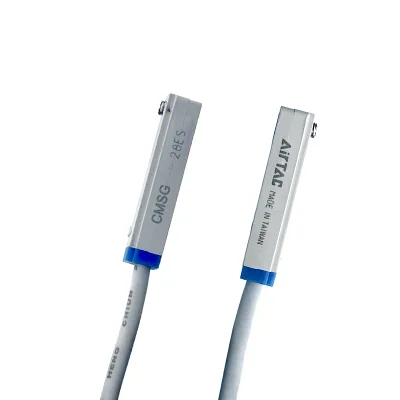
Sourcing pneumatic magnetic switches requires a nuanced understanding of how these components bridge the gap between mechanical actuation and electronic signaling in automated systems. While the term "pneumatics" often implies fluid power, the magnetic switches themselves are typically solid-state or reed-based sensors that detect the position of pneumatic cylinder rods or other moving parts. Buyers must distinguish between the sensor technology and the mechanical interface, ensuring that the selected unit can withstand the environmental conditions of the pneumatic system, such as vibration, pressure fluctuations, and potential exposure to oils or coolants. The core function remains consistent: providing a reliable binary signal to a PLC or controller to indicate whether a cylinder has reached its extended or retracted position.
The procurement landscape for these components is diverse, ranging from simple reed switches to more complex proximity sensors with integrated electronics. Observations from current market listings indicate a wide variety of form factors, including screw-mount contacts, window contacts, and specialized models designed for specific industrial applications. Buyers should note that while some products are marketed under generic names, the underlying technology varies significantly in terms of durability, switching speed, and environmental resistance. Understanding these distinctions is critical for selecting a component that will perform reliably over the lifecycle of the machinery, rather than failing prematurely due to mismatched specifications.
Product Scope and Observed Listing Signals
The current market offers a broad spectrum of magnetic switches, with observed price points ranging from approximately $0.55 to $300 USD, reflecting the disparity between basic reed switches and advanced, certified industrial sensors. Minimum Order Quantities (MOQs) are similarly flexible, starting from as low as one unit for prototyping or small-scale maintenance up to 1,000 units for large-scale production integration. This variability allows buyers to scale their procurement strategy based on immediate needs, whether for a single repair job or a full factory automation rollout. The wide price range also suggests that buyers should carefully evaluate the feature set and certification level of each product to ensure they are not overpaying for unnecessary features or underpaying for components that lack essential safety certifications.
Product listings frequently highlight customization options, with many suppliers offering non-customized standard models alongside bespoke solutions tailored to specific requirements. Common attributes observed include materials such as aluminum housings, which provide durability and heat dissipation, and color options like white, brown, grey, and tan, which may be relevant for visual identification in complex machinery. The application scope extends beyond standard industrial settings to include home security systems, automotive and motorcycle applications, and special equipment. Buyers should verify the specific model numbers, such as the BS-2032OT, BS-2035, and BS2027, as these often correspond to distinct physical dimensions and electrical characteristics that must match the existing infrastructure.
Technical Specifications to Verify
When evaluating technical specifications, the reed form and loop type are critical parameters that determine how the switch integrates into the control circuit. Common configurations include Normally Open (N/O), Normally Closed (N/C), and Single Pole Double Throw (SPDT) forms, each serving different logic requirements in automation systems. The loop type, whether closed, open, or a combination, affects the physical installation and the reliability of the magnetic field interaction. Buyers must ensure that the selected switch’s closed gap, often measured in inches or millimeters (e.g., 1 inch or 25mm, or 3/4 inch or 19mm), aligns with the physical distance between the sensor and the magnet on the moving part of the pneumatic system. Mismatched gaps can lead to false triggering or failure to detect position, causing operational errors.
Electrical ratings and physical dimensions are equally important for compatibility. The maximum switching voltage and current, such as 100V and 0.5A respectively, define the load that the switch can safely handle without degradation or failure. Physical specifications, including model-specific dimensions like 9.5mm x 28mm for certain window contact switches, must be verified against the available mounting space. Additionally, the working temperature range should be confirmed to ensure the switch can operate reliably in the ambient conditions of the installation site. Buyers should also consider the packaging, which may range from individual bags and boxes to bulk cartons of 1,000 pieces, as this impacts storage and handling logistics.
Compliance and Safety Documentation
Certification is a non-negotiable aspect of sourcing magnetic switches, particularly for applications in regulated industries or regions with strict safety standards. Observed listings frequently cite CE and ISO certifications, indicating compliance with European health, safety, and environmental protection standards, as well as quality management systems. Some products also carry RoHS certification, which restricts the use of specific hazardous materials in electrical and electronic equipment, a crucial factor for environmentally conscious procurement. Buyers should request valid certification documents from suppliers to verify that the claims are current and applicable to the specific product batch, as counterfeit or expired certifications are a risk in global supply chains.
In addition to general certifications, specific product approvals such as UL or CE/UL combinations may be required for certain markets or applications. The standard "CSLE" or "CS1-M" mentioned in some listings may refer to internal company standards or specific industry benchmarks, but buyers should clarify what these codes represent in terms of performance and safety. For products intended for use in hazardous environments or critical safety systems, additional certifications may be necessary. It is advisable to cross-reference the listed certifications with the official databases of the issuing bodies to ensure authenticity and relevance to the intended application.
Cost Drivers and Commercial Terms
Several factors influence the final cost of pneumatic magnetic switches, including the complexity of the sensor technology, the materials used in construction, and the level of customization required. Basic reed switches are generally more cost-effective, while advanced models with integrated electronics, higher IP ratings, or specialized housings command higher prices. The observed sample cost policy, where samples can be free, offers an opportunity for buyers to test product quality before committing to a larger order. However, buyers should be aware that shipping costs for samples may still apply, and the lead time for samples is typically within three days, allowing for rapid evaluation.
Commercial terms such as lead time and service availability are also key considerations. Many suppliers offer lead times within seven days for standard orders, which is beneficial for maintaining inventory levels and minimizing downtime. The promise of 24-hour online service support can be valuable for troubleshooting technical issues or addressing order discrepancies. Buyers should negotiate clear terms regarding payment methods, warranty periods, and return policies, especially when dealing with international suppliers. Understanding these commercial dynamics helps in building a resilient supply chain that can respond to fluctuations in demand and unexpected operational challenges.
Supplier Qualification and Quality Control
Supplier qualification is essential to ensure that the magnetic switches meet the required quality and performance standards. Buyers should verify the supplier’s manufacturing capabilities, quality control processes, and track record in the industry. The origin of the products, often listed as China or specific cities like Ningbo, should be considered in the context of the supplier’s reputation and reliability. It is advisable to request product samples and conduct thorough testing to verify electrical performance, mechanical durability, and environmental resistance. This hands-on evaluation provides concrete data on the product’s suitability for the intended application.
Quality control measures should include checks for consistent packaging, accurate labeling, and adherence to specified dimensions and electrical ratings. The observed packing methods, ranging from original packaging to standard cartons, should be assessed for their ability to protect the switches during transit. Buyers should also inquire about the supplier’s process for handling defects and returns, as well as their commitment to continuous improvement. Establishing a strong relationship with a qualified supplier can lead to better pricing, priority service, and access to new product developments, ultimately enhancing the overall procurement experience.
Long-Term Procurement Checks
Long-term procurement success depends on regular review and optimization of the sourcing strategy. Buyers should periodically reassess the performance of the magnetic switches in the field, monitoring for any issues related to reliability, durability, or compatibility. Feedback from maintenance and engineering teams can provide valuable insights into potential improvements or alternative products that may better suit evolving operational needs. Keeping abreast of technological advancements in sensor technology can also help buyers stay ahead of competitors and improve system efficiency.
Additionally, buyers should maintain open communication with their suppliers to stay informed about product updates, certification renewals, and changes in supply chain dynamics. Regular audits of supplier performance, including delivery times, product quality, and customer service, can help identify areas for improvement and ensure that the supply chain remains robust and responsive. By adopting a proactive approach to procurement, buyers can mitigate risks, reduce costs, and ensure the continuous operation of their pneumatic systems.
FAQs
What certifications do the magnetic switches have?
The products hold CE and ISO certifications, with some models also meeting RoHS standards. These certifications ensure compliance with international safety and environmental regulations for industrial and home applications.
Can I get free samples for testing?
Sample costs can be free depending on the specific product and order conditions. Samples are typically prepared and shipped within three days to allow for quick evaluation of the magnetic switch performance.
What is the lead time for orders?
Lead times are generally within seven days for standard orders. This rapid turnaround supports urgent procurement needs while maintaining quality control for the aluminum and plastic component magnetic switches.
Which materials are used for the switches?
The switches are constructed using aluminum and plastic materials to ensure durability. These materials provide reliable performance in normal temperature environments for window, door, and special equipment applications.
How is the product packed for shipping?
Packaging options include bag and box combinations, original packaging, or standard cartons. Some bulk orders may be packed as 1000 pieces per carton according to customer requirements.
What is the maximum switching voltage?
The maximum switching voltage is 100 volts for the listed magnetic switches. This specification ensures safe operation within standard low-voltage control circuits for home and industrial systems.