Source Polished Black Crystal Quartz for Kitchen, Bathroom, and Commercial Use
Find 30 Polished Black Crystal Quartz options for kitchen countertops, bathroom vanities, and commercial projects. Compare specifications including 93% natural quartz content, 7 Mohs hardness, and low water absorption to select the right slab for your design needs.
Key considerations
Products List


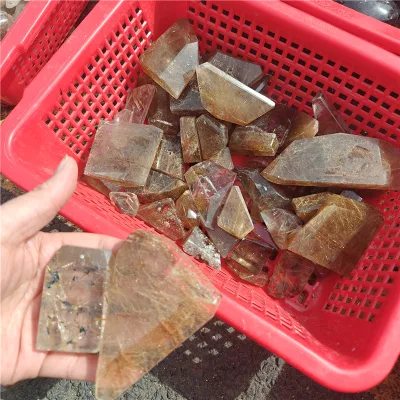

Artificial Stone Polished Crystal Black Quartz for Countertop/Vanitytop
$30.00 - $100.00
MOQ: 1 Square Meters


Polished China Artificial Crystal Black Quartz Stone Slab for Countertop
$58.00 - $80.00
MOQ: 150 Square Meters

Quartz Stone Polished Sparkling White Artificial Quartz Slabs Stone Countertop
$58.00 - $80.00
MOQ: 150 Square Meters

Polished Artificial Crystal White Quartz Stone Slab for Kitchen Office
$58.00 - $80.00
MOQ: 150 Square Meters


$16.00 - $100.00
MOQ: 10 Square Meters


China Polished White Quartz for Kitchen and Bathroom Countertop
$16.00 - $100.00
MOQ: 50 Square Meters




Comprehensive Sourcing Guide
Polished Black Crystal Quartz Sourcing Guide
Sourcing Polished Black Crystal Quartz requires a disciplined approach to balancing aesthetic consistency with rigorous technical verification. This material, often categorized as artificial quartz or engineered stone, is prized for its uniform color tone and high durability, making it a preferred choice for high-traffic commercial and residential applications. Buyers must navigate a market where "black crystal" can refer to various formulations, ranging from pure black to those with subtle crystalline inclusions, necessitating clear definition of visual and physical expectations before engaging with suppliers. The polished finish, while visually striking, demands careful handling during logistics and installation to prevent surface marring, which can significantly impact the final project’s aesthetic integrity.
The procurement process for this specific stone type involves evaluating multiple variables, including raw material composition, edge finishing capabilities, and certification compliance. Observed market data indicates a wide range in product models and specifications, suggesting that buyers cannot rely on generic descriptions alone. Instead, successful sourcing depends on verifying the exact percentage of natural quartz content, the density of the slab, and the specific hardness ratings relative to Mohs scale standards. By focusing on these tangible attributes rather than marketing terminology, procurement teams can mitigate the risk of receiving materials that do not meet the structural or aesthetic requirements of the intended application, whether it be a luxury kitchen countertop or a heavy-use commercial floor.
Product Scope and Observed Listing Signals
The current market landscape for Polished Black Crystal Quartz reveals a diverse array of product offerings, primarily characterized by their origin in China, with significant manufacturing hubs located in Guangdong. Listings frequently highlight the material as "Artificial Quartz" or "Engineered Stone," composed of approximately 93% natural quartz powder bound with resin. This high quartz content is a critical indicator of quality, as it directly influences the material’s hardness, scratch resistance, and overall durability. Buyers should observe that product models vary widely, such as BST-D8006-W, A3002, B1011, and D9296, each potentially representing different shades of black, grain sizes, or finishing techniques. The consistent color tone is a key selling point, ensuring that large projects can be completed without visible batch variations, a common issue with natural stones.
Pricing and minimum order quantities (MOQ) in this sector show considerable variance, with observed price ranges extending from approximately $3.50 to over $300 USD per unit, and MOQs ranging from 1 to 150 units. This disparity often reflects differences in slab dimensions, thickness, and the complexity of the polished finish. For instance, big slab formats are commonly available, catering to large-scale commercial projects that require minimal joint lines, while cut-to-size options, such as 600x600mm tiles, serve more specific architectural needs. The packaging methods also vary, with suppliers offering wooden frames, crates suitable for ocean shipment, or foamed plastic protection, indicating that logistics planning must be integrated into the initial sourcing strategy to prevent damage during transit.
Technical Specifications to Verify
When evaluating technical specifications, the thickness of the slab is a primary determinant of structural integrity and application suitability. A standard thickness of 20mm is frequently observed, providing a robust base for countertops and heavy-use surfaces. Buyers must verify this dimension against their structural requirements, as thinner slabs may require additional support structures, while thicker options offer enhanced durability but at a higher cost and weight. The density of the material, typically ranging from 2.3 to 2.5 g/cm³, is another critical metric that correlates with the material’s strength and resistance to impact. A higher density generally indicates a more compact and durable product, which is essential for commercial environments subject to heavy foot traffic or frequent use.
Surface and edge finishing are equally important technical considerations that affect both the aesthetic appeal and functional performance of the quartz. The polished finish is standard for black crystal quartz, offering a reflective, sleek appearance that highlights the material’s depth and color consistency. However, buyers should also inquire about edge processing options, such as eased or flat edges, which can influence the final look and safety of the installation. Additionally, the water absorption rate, often cited between 0.01% and 0.07%, is a vital indicator of the material’s resistance to staining and bacterial growth. Low water absorption ensures that the surface remains hygienic and easy to maintain, a crucial factor for kitchen and bathroom applications where exposure to moisture and contaminants is frequent.
Compliance and Safety Documentation
Compliance with international standards is non-negotiable for Polished Black Crystal Quartz, particularly when used in commercial or public spaces. Certifications such as ISO, SGS, Greenguard, NSF, and CE are commonly referenced, indicating that the product meets specific criteria for quality management, environmental impact, and safety. Buyers should request valid certification documents to verify that the supplier’s manufacturing processes adhere to these standards. For instance, Greenguard certification is particularly relevant for indoor air quality, ensuring that the resin binders used in the quartz do not emit harmful volatile organic compounds (VOCs). Similarly, NSF certification is critical for food-contact surfaces, such as kitchen countertops, guaranteeing that the material is safe for direct contact with food items.
In addition to product-specific certifications, buyers must verify the supplier’s adherence to broader quality management systems. Certifications like BCC and ISO/TUV suggest a commitment to consistent quality control and operational excellence. It is essential to distinguish between product certifications and company certifications, as both play a role in ensuring the reliability of the supply chain. Buyers should also check for any specific regional compliance requirements, such as REACH in Europe or California Proposition 65 in the United States, which may impose additional restrictions on the materials used in the manufacturing process. Ensuring that all documentation is up-to-date and verifiable helps mitigate legal and reputational risks associated with non-compliant products.
Cost Drivers and Commercial Terms
The cost of Polished Black Crystal Quartz is influenced by several key factors, including the raw material composition, the complexity of the polished finish, and the scale of the order. The high percentage of natural quartz powder, typically around 93%, is a significant cost driver, as it requires substantial mining and processing resources. Additionally, the polishing process itself adds to the expense, as it involves multiple stages of grinding and buffing to achieve the desired glossy surface. Buyers should consider the trade-off between cost and quality, as lower-priced options may compromise on the consistency of the color tone or the durability of the finish. Customization options, such as specific edge profiles or cut-to-size dimensions, can also increase the overall cost due to the additional labor and machinery required.
Commercial terms, including payment methods, lead times, and shipping arrangements, play a crucial role in the total cost of ownership. Suppliers often offer flexible payment terms, but buyers should negotiate for favorable conditions that align with their cash flow requirements. Lead times can vary significantly depending on the order size and the supplier’s production capacity, so it is essential to establish clear timelines at the outset of the procurement process. Shipping costs, particularly for heavy items like quartz slabs, can be substantial, and buyers should explore options for consolidated shipping or local warehousing to reduce logistics expenses. Understanding these cost drivers and commercial terms allows buyers to make informed decisions that balance budget constraints with quality expectations.
Supplier Qualification and Quality Control
Supplier qualification is a critical step in ensuring the reliability and consistency of Polished Black Crystal Quartz supplies. Buyers should conduct thorough due diligence on potential suppliers, verifying their manufacturing capabilities, quality control processes, and track record in the industry. This includes assessing the supplier’s ability to maintain consistent color tones and densities across different production batches, which is essential for large-scale projects. Suppliers with established quality control systems, such as ISO certification, are more likely to deliver products that meet specified standards. Additionally, buyers should request samples to evaluate the material’s physical properties, such as hardness and water absorption, before committing to a large order.
Quality control measures should extend beyond the initial sample approval to include ongoing monitoring during production and shipment. Buyers should establish clear acceptance criteria and inspection protocols to ensure that the delivered products meet the agreed-upon specifications. This may involve third-party inspections at the supplier’s facility or upon arrival at the destination port. Suppliers who offer transparent communication and are willing to address any quality issues promptly are preferable, as they demonstrate a commitment to customer satisfaction. By prioritizing supplier qualification and robust quality control, buyers can minimize the risk of receiving substandard products and ensure the success of their procurement projects.
Long-Term Procurement Checks
Long-term procurement success with Polished Black Crystal Quartz depends on establishing strong, collaborative relationships with suppliers and implementing continuous improvement strategies. Buyers should regularly review supplier performance metrics, such as on-time delivery rates, product quality consistency, and responsiveness to issues. This ongoing evaluation helps identify potential risks and opportunities for improvement, allowing buyers to adjust their sourcing strategies as needed. Building a diversified supplier base can also mitigate the risk of supply chain disruptions, ensuring that projects can proceed even if one supplier encounters difficulties. Additionally, staying informed about industry trends and technological advancements can help buyers identify new opportunities for cost savings or product enhancements.
Sustainability and ethical sourcing are increasingly important considerations in long-term procurement strategies. Buyers should assess their suppliers’ environmental practices, such as waste management and energy efficiency, to ensure alignment with corporate sustainability goals. Certifications like Greenguard and ISO 14001 can provide evidence of a supplier’s commitment to environmental responsibility. Furthermore, buyers should consider the lifecycle impact of the product, including its recyclability and end-of-life disposal options. By integrating sustainability into their procurement processes, buyers can enhance their brand reputation and contribute to a more sustainable industry. Regular communication with suppliers about these issues fosters a culture of shared responsibility and continuous improvement.
FAQs
What is the hardness of Polished Black Crystal Quartz?
The hardness is 7 Mohs, making it highly resistant to scratches. This durability ensures the surface remains pristine in high-traffic kitchen and commercial environments where heavy use occurs daily.
Can I customize the size of the quartz slab?
Yes, customization is available for this artificial quartz stone. Buyers can request specific dimensions or cut-to-size options like 600x600mm to fit unique countertop requirements in bathrooms or kitchens.
Which certifications does the quartz stone hold?
The product holds ISO, SGS, Greenguard, NSF, CE, BCC, and ISOTUV certifications. These credentials verify safety and quality standards for use in residential, commercial, and school applications globally.
How is the surface finished on this quartz?
The surface is finished with polished and matt options. The edge processing includes flat and eased finishes to provide a refined look suitable for modern countertop designs in various settings.
What is the water absorption rate of the material?
The water absorption rate ranges from 0.01% to 0.07%, indicating extreme resistance to moisture. This low absorption prevents staining and bacterial growth, making it ideal for wet areas like bathrooms.
Where is the Polished Black Crystal Quartz manufactured?
The product originates from Guangdong, China. This location is a major hub for manufacturing artificial quartz stone, ensuring consistent quality and efficient logistics for international buyers seeking reliable sources.
What is the raw material composition of the stone?
The raw material consists of 93% natural quartz powder. This high quartz content provides the stone with its characteristic strength, density, and consistent color tone for long-lasting performance.