Source Polyester Fabric for Garments, Bags, and Home Textile
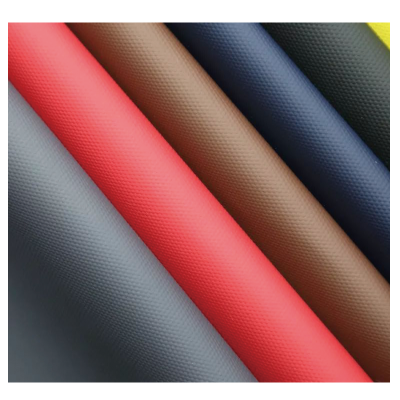
Find 30 Polyester Fabric options for garments, bags, and home textile applications. Compare specifications including GSM, width, and knitting techniques to identify suitable materials for your sourcing needs. Explore various styles such as plain, printed, and coated finishes available in different weights and colors to meet specific project requirements.
Key considerations
Products List




Comprehensive Sourcing Guide
Polyester Fabric Sourcing Guide
Buyers must first distinguish between the diverse structural forms available in the market, ranging from weft-knitted air meshes to heavy-duty woven Oxford fabrics. The observed listings indicate a wide spectrum of weights, from lightweight 50gsm materials suitable for garments to robust 280gsm options designed for tents and bags. Understanding these physical distinctions is critical before initiating contact, as the intended application dictates whether a soft, breathable knit or a tear-resistant, coated weave is required.
Procurement strategies should also account for the specific finishing techniques observed, such as digital printing, dye sublimation, or coating processes. Some suppliers offer plain dyed options while others specialize in complex patterns like herringbone, jacquard, or ripstop. Buyers should verify if the fabric supports their specific printing method, whether it is direct inkjet for banners or sublimation for light boxes, ensuring the base material chemistry aligns with the desired visual outcome and durability requirements.
Product Scope and Observed Listing Signals
The market presents a clear segmentation based on usage, with distinct product lines targeting apparel, home textiles, and industrial applications. Listings explicitly mention suitability for garments, bedding, curtains, and accessories like hats and bags, indicating that the core material is versatile but requires specific selection for each end-use. Buyers should cross-reference the stated usage against their product requirements, noting that some fabrics are optimized for loungewear while others are engineered for the structural demands of tents or umbrellas.
Observations of supply types reveal a mix of in-stock items and customized production runs, which significantly impacts lead time and inventory planning. While some suppliers offer immediate availability for standard weights and colors, others require customization for specific GSM ranges or pattern types. This distinction is vital for buyers with urgent timelines, as the availability of ready-made stock versus the need for a custom order will dictate the feasibility of meeting immediate production schedules.
Technical Specifications to Verify
Weight and density are primary verification points, with observed standards ranging from 50gsm up to 400gsm and specific listings noting 280gsm for heavy-duty applications. Buyers must confirm the exact gram weight per square meter to ensure the fabric meets the structural integrity needed for their specific product, as a material suitable for a dress may fail in a tent application. Additionally, verifying the width, typically observed at 58 inches or 57/58 inches, is essential for calculating yield and minimizing waste during the cutting and sewing phases.
Fiber composition and construction techniques must also be rigorously checked to match performance expectations. The data confirms the prevalence of 100% polyester in both knitted and woven forms, with specific mentions of 900D yarn counts for high-strength applications. Buyers should verify the yarn count and density, such as the 66T density noted in specific listings, to ensure the fabric possesses the necessary tensile strength and resistance to tearing or abrasion for its intended commercial use.
Compliance and Safety Documentation
Safety compliance is a critical consideration, particularly for products destined for the European market where specific fire retardancy standards apply. Some observed listings reference compliance with German DIN4102 B1 and NFP 92-507 M1 standards, which are essential for materials used in public spaces, home textiles, or transportation. Buyers should explicitly request test reports confirming these ratings if their end products are subject to strict fire safety regulations, rather than assuming all polyester fabrics meet these rigorous benchmarks.
Beyond fire safety, chemical compliance regarding dyeing and finishing processes requires careful verification to meet international safety norms. While general certifications like OEKO-TEX are mentioned in background contexts, buyers must demand specific test results for the actual batch being purchased to confirm the absence of harmful substances. This is especially important for garments and home textiles that come into direct contact with skin, ensuring the fabric is free from allergens or toxic residues that could arise from the coating or printing processes.
Cost Drivers and Commercial Terms
Pricing in this sector is heavily influenced by the complexity of the fabric construction and the specific finishing treatments applied. The observed price range of 0.1 to 7 USD reflects the vast difference between basic plain knitted fabrics and specialized coated or printed materials like waterproof 900D Oxford. Buyers should anticipate that higher GSM weights, complex patterns such as jacquard or herringbone, and specialized coatings like waterproofing or stain resistance will command a premium over standard plain dyed options.
Minimum Order Quantities (MOQ) and packaging requirements also play a significant role in the total cost of acquisition. Listings show MOQs ranging from a single unit to 10,000 units, offering flexibility for small startups while potentially requiring larger commitments for bulk pricing. Furthermore, packaging details, such as single rolls per carton or specific dimensions like 150x25x25 cm, affect shipping costs and storage efficiency, so buyers must calculate the landed cost including these logistical variables before finalizing a purchase order.
Supplier Qualification and Quality Control
Supplier location and origin are key factors in assessing logistics and communication efficiency, with China and specific regions like Suzhou identified as primary production hubs. Buyers should verify the specific origin of the fabric to understand the local supply chain dynamics and potential shipping lead times. Establishing clear communication channels with suppliers in these regions is essential for managing the customization process, especially when dealing with specific technical requirements like custom GSM or unique pattern designs.
Quality control protocols must be established to ensure consistency across production batches, particularly given the variation in observed product attributes. Buyers should implement pre-shipment inspections to verify critical parameters such as weight consistency, color fastness, and the integrity of coatings or prints. It is advisable to request physical samples that match the exact specifications of the bulk order to validate that the supplier can consistently deliver the required density, width, and performance characteristics before committing to a large volume.
Long-Term Procurement Checks
Sustainable sourcing practices and supply chain resilience should be evaluated as part of a long-term procurement strategy. While specific environmental certifications may not be universally present in all listings, buyers should inquire about the supplier's ability to maintain consistent quality over time and their capacity to scale production during peak demand periods. Building a relationship with a supplier who can adapt to changing market needs ensures a stable supply of materials for ongoing product lines.
Continuous monitoring of market trends and material innovations is necessary to maintain a competitive edge in the Polyester Fabric sector. Buyers should regularly review new product developments, such as advanced moisture-wicking knits or enhanced fire-retardant coatings, to ensure their material choices remain relevant. Establishing a feedback loop with suppliers allows for early identification of potential supply disruptions or quality issues, enabling proactive adjustments to the procurement plan and maintaining the integrity of the final product.
FAQs
What customization options are available for Polyester Fabric?
Customization is available for Polyester Fabric, allowing buyers to tailor products to specific needs. Options include adjusting GSM standards from 50gsm to 400gsm and selecting various styles like printed, plain, or coated patterns. Buyers can also specify widths around 58/60 inches and choose from multiple color options, ensuring the material fits precise garment or home textile requirements.
What are the standard weight specifications for this Polyester Fabric?
Standard weight specifications range from 50gsm to 400gsm, with common options including 70gsm and 80gsm. Specific items may feature weights like 280 GSM for heavier applications or under 100G/M² for lighter uses. These variations allow selection based on the intended use, whether for lightweight apparel, durable bags, or heavy-duty home textiles and decorations.
Can Polyester Fabric be used for home textiles and decorations?
Yes, Polyester Fabric is suitable for home textiles and decorations. It is widely used for bedding, curtains, and other interior applications. The material offers versatility in styles, including printed and plain designs, and can be customized for specific weight and width requirements. Its durability and adaptability make it a practical choice for various decorative and functional home uses.
What is the minimum order quantity for Polyester Fabric?
The minimum order quantity starts at 1 unit, providing flexibility for small-scale buyers. This low MOQ allows testing of samples or small batches without significant commitment. For larger orders, quantities can scale up to 10,000 units, accommodating both trial purchases and bulk production needs for garments, bags, or other textile applications with consistent supply.
What certifications apply to the Polyester Fabric products?
Certifications include German DIN4102 B1 and NFP 92-507 M1 standards, indicating fire resistance properties for specific fabric types. These standards ensure safety compliance for applications requiring flame retardancy. Buyers should verify specific product models for certification details, as not all polyester fabrics may carry these ratings, particularly those focused on general apparel or non-specialized uses.
How is Polyester Fabric packed for shipping?
Polyester Fabric is typically packed in rolls per carton, with single package sizes around 150x25x25 cm. Shipping methods include sea freight for bulk orders, ensuring safe transport of large quantities. The packaging protects the fabric from damage during transit, maintaining quality for international buyers. Specific packing details may vary by supplier, so confirming with the vendor is recommended for precise logistics planning.