Source Polyester Embossed Fabric for Garment, Lining, and Curtain
Compare 30 listings of Polyester Embossed Fabric from verified Chinese suppliers. Buyers can evaluate options for garment, lining, and curtain applications based on specifications like weight, width, and functional properties such as antistatic and antibacterial features; compare the available evidence and request quotations based on your requirements.
Key considerations
Products List


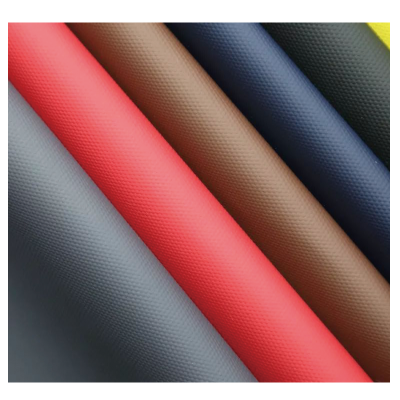


Comprehensive Sourcing Guide
Polyester Embossed Fabric Sourcing Guide
Buyers must first distinguish between standard woven polyester and specialized embossed variants, as the supplied data reveals a mix of plain, dyed, and printed structures rather than a uniform embossed profile. While the catalog lists specific models like DA19222/2 and WE37 with functions such as honeycomb or antistatic properties, the term "embossed" requires explicit confirmation from the supplier to ensure the fabric possesses the intended three-dimensional texture. Procurement teams should verify whether the observed "Fabric Form" and "Woven" or "Weft Knitting" techniques align with the desired tactile finish, as the provided facts highlight diverse applications ranging from garments to heavy-duty curtains without explicitly confirming embossing across all listed items.
The observed product range spans from lightweight 50gsm materials to heavy 400gsm options, indicating that embossing capabilities may vary significantly by weight and construction. Buyers should scrutinize the "Fiber Cross Section" details, noting mentions of hollow filaments or textured yarns, as these structural elements often influence how well a fabric accepts embossing patterns. Since the data includes specific packing formats like 100m per roll or bale packaging, purchasers must confirm that the embossing process does not compromise the roll integrity or lead to creasing during transit. This initial scope definition prevents the acquisition of standard dyed fabrics that lack the necessary surface relief for specific design or functional requirements.
Product Scope and Observed Listing Signals
The market signals indicate a broad spectrum of polyester applications, including garment linings, home textiles, and banner printing, which suggests that embossed variants are likely specialized subsets within this larger inventory. The presence of models with "Black-out" and "Shrink-Resistant" functions implies that some fabrics are engineered for performance rather than just aesthetics, requiring buyers to clarify if the embossing is purely decorative or if it contributes to functional properties like light diffusion or sound absorption. The listing of "Digital Printing Fabric" and "Coating Bleaching Fabric" alongside standard woven types highlights the need to verify if the embossing process is compatible with subsequent printing or coating operations required for the final product.
Observations of origin locations such as Suzhou and Huzhou City suggest a concentration of manufacturing expertise in specific Chinese textile hubs, which may offer varying levels of embossing technology maturity. Buyers should note the diversity in "Style" attributes, ranging from "Yarn Dyed" to "Printed," as the embossing process must be integrated correctly with these finishing stages to avoid color distortion or pattern misalignment. The wide MOQ range of 1 to 50,000 units indicates that suppliers cater to both prototyping and mass production, but the embossing tooling costs may necessitate higher minimums for custom patterns. Understanding these signals helps buyers align their specific design needs with the appropriate supplier capabilities and production scales.
Technical Specifications to Verify
Verification of the "Standard" and "Weight" specifications is critical, as the data shows ranges from 70gsm to 400gsm and specific denier counts like 75D*150D, which directly impact the depth and durability of the embossed pattern. Buyers must confirm that the chosen weight class supports the intended embossing depth without tearing, especially for applications like curtains or bags where mechanical stress is high. The "Technics" attribute lists both "Woven" and "Weft Knitting," and the embossing process must be compatible with the specific loop or weave structure to ensure the pattern remains consistent across the fabric width.
The "Fiber Types" and "Cross Section" details, including mentions of hollow filaments and textured yarns, require careful evaluation to ensure they respond well to thermal or mechanical embossing. Since the data notes "German DIN4102 B1" and "NFP 92-507 M1" standards for specific models, buyers should verify if these fire ratings apply to the embossed surface or the base fabric, as surface texturing can sometimes alter flame retardancy performance. Additionally, the "Physical Feature" of "High Strength" must be maintained after embossing, as the process can sometimes reduce tensile strength. Confirming these technical parameters ensures the final product meets both aesthetic and functional performance criteria.
Compliance and Safety Documentation
Compliance verification must extend beyond the base fabric to include the embossing chemicals and processes used, as the supplied facts mention specific fire standards like DIN4102 B1 but do not explicitly detail the safety of the embossing treatment itself. Buyers should request Material Safety Data Sheets (MSDS) for any coatings or treatments applied during the embossing phase to ensure they meet international safety regulations for the target market. The presence of "Antibacterial" and "Antistatic" functions in the data suggests that chemical treatments are common, and these must be validated to ensure they remain effective and safe after the embossing process alters the fabric surface.
Documentation regarding the origin of the raw materials and the manufacturing location, such as Suzhou or Huzhou City, is essential for tracing compliance with environmental and labor standards. While the data lists "100% Polyester" as a material, buyers must confirm that the embossing process does not introduce non-compliant additives or violate REACH or other regional chemical restrictions. The "Standard" attributes provided for specific models indicate a focus on safety, but this must be explicitly linked to the embossed variant to avoid regulatory gaps. Ensuring comprehensive safety documentation protects the buyer from liability and ensures the product can be sold in regulated markets without interruption.
Cost Drivers and Commercial Terms
Cost drivers for Polyester Embossed Fabric are heavily influenced by the complexity of the embossing pattern and the specific weight or denier of the base material, as seen in the wide range of 50gsm to 400gsm options. Buyers should anticipate higher costs for custom embossing rolls and specialized finishing processes compared to standard plain or dyed fabrics, which are also listed in the data. The "MOQ" range of 1 to 50,000 units suggests that unit costs will decrease significantly with volume, but the initial setup costs for embossing tooling may require a higher minimum order to be economically viable.
Commercial terms regarding "Packing" and "Shipping" must be carefully negotiated, as embossed fabrics are more susceptible to crushing or pattern deformation during transit than flat fabrics. The data mentions "Roll Packing" and "Bale Packing," and buyers should specify rigid packaging or protective interleaving to maintain the embossed texture upon arrival. Lead times may be extended due to the additional processing steps required for embossing, and buyers should clarify these timelines against the "100m Per Roll" or "1 Rolls/Carton" specifications to ensure supply chain alignment. Understanding these cost and term dynamics helps in budgeting accurately and avoiding unexpected delays or damage costs.
Supplier Qualification and Quality Control
Supplier qualification should focus on their specific experience with embossing polyester, as the data shows a mix of woven, knitted, and printed fabrics that may not all be suitable for embossing. Buyers must verify that the supplier has the necessary machinery to create consistent embossing patterns without damaging the "High Strength" or "Antistatic" properties of the fabric. The presence of multiple product models and origins suggests a large supplier base, but only a subset may possess the specialized equipment required for high-quality embossing. Requesting samples of previously embossed work is essential to validate their technical capability before committing to a large order.
Quality control protocols must include rigorous inspection of the embossed pattern consistency, depth, and durability under stress. Since the data lists "Shrink-Resistant" and "Tear-Resistant" functions, buyers should test the embossed fabric for dimensional stability and tensile strength after the embossing process to ensure these properties are not compromised. The "Application" list includes diverse uses like "Garment," "Bedding," and "Curtain," each requiring different quality thresholds for the embossed finish. Implementing a strict inspection plan that covers visual defects, pattern alignment, and functional performance ensures that the final product meets the buyer's expectations and reduces the risk of returns or disputes.
Long-Term Procurement Checks
Long-term procurement requires establishing a clear specification sheet that defines the embossing depth, pattern repeat, and base fabric weight to ensure consistency across multiple production runs. Buyers should conduct periodic audits of the supplier's embossing equipment and maintenance records to verify that the machinery remains calibrated for high-quality output. The data indicates a variety of "Style" and "Function" attributes, and maintaining these specific characteristics over time is crucial for brand consistency and customer satisfaction. Regular re-testing of the embossed fabric against the original "Standard" and "Physical Feature" benchmarks helps catch any drift in quality before it impacts the supply chain.
Building a resilient supply chain involves diversifying suppliers who can replicate the embossing quality if the primary source faces disruptions. Since the data shows origins in Suzhou and Huzhou, buyers should assess the geographic concentration of their suppliers and consider the risk of regional production halts. Long-term contracts should include clauses for quality assurance and the right to inspect production lines, ensuring that the embossing process remains stable and compliant with evolving standards. By proactively managing these relationships and technical parameters, buyers can secure a reliable supply of high-quality Polyester Embossed Fabric for their ongoing needs.
FAQs
What materials are used for Polyester Embossed Fabric?
The fabric is made from 100% polyester, often utilizing textured yarn or hollow filament fibers. This composition ensures durability and allows for various functional treatments like antistatic or antibacterial properties. The material structure supports woven or knitted techniques, providing versatility for applications ranging from garments to home textiles and curtains.
Can Polyester Embossed Fabric be customized for specific needs?
Yes, customization is available for many polyester fabric options. Buyers can select specific models like DA19222/2 or WE37 to meet distinct requirements. Options include custom weights ranging from 50gsm to 400gsm, various packing methods such as rolls or bales, and specific dyeing styles like yarn-dyed or printed finishes to suit particular design preferences.
What are the common applications for this polyester fabric?
This fabric is widely used in garments, home textiles, bags, linings, bedding, and curtains. Specific types serve specialized roles, such as digital printing banners or direct sublimation light box fabrics. The versatility of the material allows it to function effectively in both fashion apparel and interior decoration projects requiring durable and aesthetically pleasing textiles.
What certifications or standards apply to Polyester Embossed Fabric?
Some polyester fabrics adhere to strict safety standards like German DIN4102 B1 and NFP 92-507 M1 for fire resistance. These certifications are crucial for applications requiring flame retardancy. Buyers should verify specific model standards, as not all polyester fabrics carry these ratings, and compliance depends on the specific product line and intended use case.
How is Polyester Embossed Fabric typically packed and shipped?
Packing methods vary by product, including roll packing, bale packing, or specific carton quantities like one roll per carton. Shipping is often arranged by sea for bulk orders. Standard roll lengths may be 100 meters, ensuring efficient handling and storage. Buyers should confirm packing details with suppliers to align with their logistics and storage capabilities.
What functional properties does Polyester Embossed Fabric offer?
Functional properties include shrink-resistance, tear-resistance, antistatic effects, and black-out capabilities. Some variants offer antibacterial features or high strength. The honeycomb structure or specific fiber cross-sections like GOAT can enhance performance. These attributes make the fabric suitable for demanding applications where durability, safety, and specific environmental resistances are required.