Source Polyester Mattress Fabric for Home, Hotel, and Hospital Use
Find 30 Polyester Mattress Fabric options for home, hotel, and hospital applications. Compare woven and knitted varieties with features like waterproofing, anti-bacterial properties, and custom designs to meet specific sourcing needs.
Key considerations
Products List


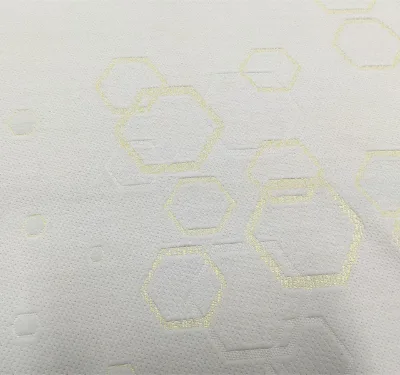


Bed Sheet Fabric Polyester Disperse Light Color Printed Mattress Fabric
$0.40 - $0.89
MOQ: 5000 Meters


Comprehensive Sourcing Guide
Polyester Mattress Fabric Sourcing Guide
Sourcing high-quality Polyester Mattress Fabric requires a disciplined approach to material verification, technical specification alignment, and supplier qualification. This guide provides evidence-based procurement strategies for buyers evaluating polyester-based textiles for mattress applications, focusing on observable market signals and critical technical parameters. By understanding the interplay between fabric construction, functional features, and commercial terms, procurement teams can mitigate risk and ensure product consistency.
The following sections detail the essential verification steps for polyester mattress fabrics, including material composition, elasticity profiles, and surface treatments. Buyers are advised to cross-reference supplier claims with physical samples and third-party testing reports, ensuring that every specification aligns with the intended end-use environment, whether for residential, hospitality, or medical settings.
Product Scope and Observed Listing Signals
The current market for polyester mattress fabrics exhibits a wide range of product configurations, with observed listing prices spanning from $0.10 to $28.80 USD. This broad price variance reflects differences in material weight, weave density, functional treatments, and order volumes. Buyers should interpret price points as indicators of complexity rather than absolute value, recognizing that lower-cost items may lack specialized features such as flame retardancy or advanced waterproofing membranes.
Observed minimum order quantities (MOQs) range from 1 to 10,000 units, highlighting the flexibility available in the supply chain. Smaller MOQs are often associated with sample orders or customized designs, while larger volumes typically unlock better pricing tiers. Procurement teams must align their order volumes with production capabilities, noting that some suppliers offer make-to-order services with customizable designs, which may extend lead times but allow for precise specification matching.
Technical Specifications to Verify
Material composition is a primary verification point, with many listings specifying 100% polyester or 100% Poly content. Buyers must confirm whether the fabric is woven or knitted, as this dictates the drape, durability, and breathability of the final mattress cover. For instance, woven fabrics often provide a smoother, more structured surface suitable for plain dyed or pigment-printed finishes, while knitted variants, such as weft knits, offer inherent stretch and comfort.
Key technical attributes include elasticity, thickness, and weight. Some products are described as elastic, while others are inelastic, a distinction that affects how the fabric conforms to mattress contours. Thickness is often categorized as medium or medium weight, with specific GSM values like 85gsm or 240gsm observed in listings. Buyers should verify the width, which commonly appears as 220cm or 86 inches, to ensure compatibility with standard mattress dimensions and cutting patterns.
Functional features are critical for mattress applications, with common attributes including waterproof, anti-bacteria, anti-pull, and flame retardant properties. These features are often achieved through specific finishing processes or membrane laminations. For example, waterproof mattress protectors may utilize tricot fabric constructions with specialized coatings, while anti-bacterial treatments require verification of efficacy through independent testing. Buyers must request detailed technical data sheets to confirm the durability of these features after multiple wash cycles.
Compliance and Safety Documentation
Safety and compliance are non-negotiable for mattress fabrics, particularly those intended for healthcare or hospitality environments. Buyers should verify that suppliers can provide documentation for relevant safety standards, such as flame retardancy certifications, which are often required by law in many jurisdictions. While specific standard numbers may vary by region, the presence of flame-retardant features in the product description should be backed by valid test reports from accredited laboratories.
Environmental and health safety certifications, such as Oeko-Tex or GOTS, are increasingly important for brand reputation and consumer trust. Although these certifications are not universally present in all listings, buyers should inquire about their availability, especially for products marketed as eco-friendly or breathable. Verification of these certifications ensures that the fabric is free from harmful substances and meets strict ecological criteria, reducing liability and enhancing marketability.
Cost Drivers and Commercial Terms
Several factors influence the final cost of Polyester Mattress Fabric, including material weight, functional treatments, and customization requirements. Heavier fabrics, such as those with a 240gsm weight, typically command higher prices due to increased material usage. Similarly, fabrics with multiple functional features, such as waterproofing combined with anti-bacterial properties, involve more complex manufacturing processes and higher raw material costs.
Customization is a significant cost driver, with options for custom logos, patterns, and designs available from many suppliers. While customization adds value, it often increases the MOQ and may extend production lead times. Buyers should negotiate clear terms regarding setup fees for custom designs and clarify whether these costs are refundable upon reaching a certain order volume. Additionally, packing methods, such as roll packing or export cartons, can impact shipping costs and should be factored into the total landed cost calculation.
Supplier Qualification and Quality Control
Supplier qualification begins with verifying the place of origin and production capabilities. Many polyester mattress fabrics are sourced from regions like Zhejiang, China, where specialized textile manufacturing clusters exist. Buyers should assess the supplier’s production capacity, quality control processes, and ability to meet specific technical requirements. Requesting factory audits or third-party inspections can provide insights into the supplier’s operational standards and reliability.
Quality control measures should include pre-production sample approvals and in-line inspections during manufacturing. Buyers must establish clear acceptance criteria for defects, such as color consistency, weave integrity, and functional performance. For products with specific features like elasticity or waterproofing, buyers should request sample testing to verify performance claims before committing to large orders. Establishing a robust quality assurance protocol helps prevent costly disputes and ensures consistent product quality.
Long-Term Procurement Checks
Long-term procurement success depends on continuous monitoring of supplier performance and market trends. Buyers should track key performance indicators such as on-time delivery rates, defect rates, and responsiveness to quality issues. Regular communication with suppliers regarding production updates and potential supply chain disruptions helps maintain operational continuity. Building a strong relationship with qualified suppliers can lead to better pricing, priority production slots, and collaborative innovation.
Market dynamics, including raw material price fluctuations and regulatory changes, require proactive management. Buyers should stay informed about trends in sustainable materials and emerging technologies in fabric finishing. Periodic reviews of supplier portfolios and competitive benchmarking ensure that procurement strategies remain aligned with business objectives. By maintaining a disciplined approach to verification and relationship management, buyers can secure a reliable supply of high-quality polyester mattress fabrics.
FAQs
What materials are used for Polyester Mattress Fabric?
The fabric is made from 100% polyester, providing a durable and versatile base for mattress covers. This material choice ensures consistent quality across different production batches. It supports various weaving techniques, including woven and knitted types, to meet specific durability and elasticity requirements for bedding applications.
Can the fabric be customized for specific designs?
Yes, customization is available for various design needs. Buyers can request custom logos, specific patterns like plain dyed or plaid, and tailored dimensions. The production process supports custom designs, allowing for flexibility in meeting unique branding or functional requirements for hotel, hospital, or home use cases.
What features does the waterproof mattress protector offer?
The protector offers waterproof and anti-pull features to ensure longevity and protection. Additional options include anti-bacteria and flame retardant properties for enhanced safety. These features make the fabric suitable for high-traffic environments like hotels and hospitals, providing reliable performance against moisture and wear while maintaining breathability.
What is the minimum order quantity for this fabric?
The minimum order quantity varies by product type, ranging from 50 sets to 5,000 meters per design. Specific items like the SHF100 model have an MOQ of 50 sets, while other fabrics may require higher volumes. Buyers should check the specific product details to determine the exact MOQ for their order.
Where is the Polyester Mattress Fabric manufactured?
The fabric is manufactured in Zhejiang, China. This location is a known hub for textile production, ensuring access to skilled labor and efficient supply chains. The origin supports reliable export logistics, with products packed in rolls or export cartons to maintain quality during international shipping and handling processes.
What printing methods are available for the fabric?
Available printing methods include pigment, disperse, digital, and nano printing. These techniques allow for vibrant and durable designs on the polyester base. The choice of printing method depends on the desired aesthetic and functional requirements, ensuring that the final product meets specific visual and performance standards for various end uses.