Source Polyester Taffeta Fabric for Jackets, Rainwear, and Trench Coats
Explore 30 listings of Polyester Taffeta Fabric suitable for jackets, windbreakers, and trench coats. Buyers can compare specifications like weight, width, and functional properties such as anti-static and tear-resistant features from verified suppliers; compare the available evidence and request quotations based on your requirements.
Key considerations
Products List


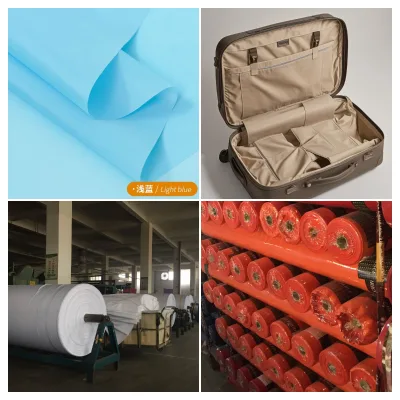


300t Polyester Taffeta Silk Fabric Waterproof Fabric Taffeta Lining Fabric
$0.26 - $0.27
MOQ: 2000 Meters


Comprehensive Sourcing Guide
Polyester Taffeta Fabric Sourcing Guide
Polyester taffeta is a tightly woven fabric known for its crisp hand, lustrous surface, and durable structure. It serves as a foundational material for various apparel and home textile applications, offering a balance of aesthetic appeal and functional performance. Buyers should understand that taffeta is not a single uniform product but a category defined by specific weaving techniques and fiber compositions. The tight weave creates a distinctive rustling sound and a smooth, often glossy finish that distinguishes it from other polyester weaves. This structural integrity makes it suitable for garments requiring shape retention and resistance to wrinkling.
When initiating the sourcing process, it is crucial to define the specific end-use requirements clearly. The fabric’s performance characteristics, such as stretch, weight, and finish, must align with the final product’s design and functional needs. For instance, a garment intended for formal wear may require a different weight and drape than one designed for casual or technical use. Buyers should prepare detailed technical specifications before engaging with suppliers to ensure accurate quotations and sample production. This initial clarity helps avoid costly revisions later in the development cycle and ensures that the selected fabric meets both aesthetic and functional criteria.
Product Scope and Observed Listing Signals
The observed product listings indicate a diverse range of polyester taffeta fabrics available in the market. Common applications include jackets, windbreakers, rainwear, trench coats, dresses, and home textiles. The fabric is often described with attributes such as shrink-resistant, tear-resistant, and anti-static properties, which are critical for specific functional garments. Listings also highlight customization options, including color, width, and weight, allowing buyers to tailor the fabric to their specific design requirements. This flexibility is essential for brands that require unique specifications not found in standard stock fabrics.
Buyers should pay close attention to the specific model numbers and standards listed in product descriptions. For example, some listings specify yarn counts such as 66D66D or 63D63D, which directly impact the fabric’s weight and drape. Other listings mention specific packing methods, such as roll packing or plastic bag packaging, which can affect logistics and storage. Understanding these signals helps buyers identify suppliers who offer consistent quality and reliable logistics. It is also important to note that some fabrics are described as full-dyed or yarn-dyed, which affects the colorfastness and appearance of the final product.
Technical Specifications to Verify
Verifying technical specifications is a critical step in ensuring that the Polyester Taffeta Fabric meets the required performance standards. Key parameters to check include fabric weight, width, and yarn count. The weight, often measured in GSM, determines the fabric’s thickness and drape, while the width affects the number of usable inches per bolt. Yarn count, such as 66D or 63D, influences the fabric’s strength and texture. Buyers should request detailed technical data sheets from suppliers to confirm these specifications before placing bulk orders.
In addition to basic dimensions, buyers should verify functional properties such as stretch level, shrinkage, and tear resistance. For example, some fabrics are described as having firm stretch, which is essential for garments that require movement and comfort. Shrinkage rates should be tested to ensure that the fabric maintains its size after washing. Tear resistance is another important factor, particularly for outerwear and technical garments. By thoroughly verifying these specifications, buyers can minimize the risk of receiving fabric that does not meet their quality standards.
Compliance and Safety Documentation
Compliance with safety and environmental standards is a non-negotiable aspect of sourcing Polyester Taffeta Fabric. Buyers should request documentation that verifies the fabric’s compliance with relevant international standards, such as OEKO-TEX or GOTS, if applicable. These certifications ensure that the fabric is free from harmful substances and meets strict environmental criteria. While not all suppliers may hold these certifications, buyers should prioritize those who can provide credible documentation to support their claims.
In addition to safety certifications, buyers should verify that the fabric meets any specific regulatory requirements for their target market. For example, certain regions may have strict regulations regarding flame retardancy or chemical content. Buyers should request test reports from accredited laboratories to confirm that the fabric complies with these regulations. This due diligence helps protect the brand’s reputation and ensures that the product is safe for consumers. By prioritizing compliance, buyers can mitigate legal risks and build trust with their customers.
Cost Drivers and Commercial Terms
Understanding the cost drivers for Polyester Taffeta Fabric is essential for effective budgeting and negotiation. Key factors that influence price include yarn count, fabric weight, and customization options. Higher yarn counts and heavier weights generally result in higher costs due to increased material usage. Customization, such as specific colors or finishes, can also add to the overall cost. Buyers should request detailed quotations that break down these cost components to ensure transparency and avoid hidden fees.
Commercial terms, such as minimum order quantities (MOQ) and lead times, also play a significant role in the total cost of ownership. Some suppliers may offer lower prices for larger orders, while others may have higher MOQs that require significant upfront investment. Lead times can vary depending on the supplier’s production capacity and the complexity of the order. Buyers should negotiate these terms carefully to ensure that they align with their production schedule and budget. By understanding these cost drivers and commercial terms, buyers can make informed decisions that optimize their procurement strategy.
Supplier Qualification and Quality Control
Qualifying suppliers is a critical step in ensuring the consistent quality of Polyester Taffeta Fabric. Buyers should conduct thorough due diligence on potential suppliers, including reviewing their production capabilities, quality control processes, and track record. Visiting the supplier’s facility, if possible, can provide valuable insights into their operations and commitment to quality. Buyers should also request samples to evaluate the fabric’s appearance, hand feel, and performance before placing bulk orders.
Implementing a robust quality control process is essential for maintaining consistent quality throughout the production cycle. Buyers should establish clear quality standards and inspection protocols to ensure that the fabric meets their specifications. This may include pre-shipment inspections, in-process checks, and final quality audits. By working closely with suppliers to define and enforce these standards, buyers can minimize the risk of receiving defective or non-compliant fabric. A strong quality control process helps protect the brand’s reputation and ensures customer satisfaction.
Long-Term Procurement Checks
Establishing long-term procurement relationships with reliable suppliers is key to ensuring a stable supply of Polyester Taffeta Fabric. Buyers should evaluate suppliers based on their ability to meet consistent quality standards, deliver on time, and provide competitive pricing. Building a strong partnership with a supplier can lead to better terms, improved communication, and greater flexibility in meeting changing demand. Buyers should regularly review supplier performance and provide feedback to ensure continuous improvement.
In addition to supplier relationships, buyers should monitor market trends and technological advancements in Polyester Taffeta Fabric. New innovations in fiber technology and weaving techniques can offer improved performance and sustainability. By staying informed about these developments, buyers can make strategic decisions that enhance their product offerings and competitive advantage. Regularly reviewing the supply chain and exploring new suppliers can also help mitigate risks and ensure a resilient procurement strategy.
FAQs
What is the standard width for Polyester Taffeta Fabric
The standard width for this Polyester Taffeta Fabric is 58/60 inches. This dimension is consistent across the listed products and supports standard cutting layouts for garment manufacturing. Buyers should verify if their specific production line requires a different width, as customization options are available for certain specifications.
What is the minimum order quantity for Polyester Taffeta Fabric
The minimum order quantity for this Polyester Taffeta Fabric is 5000 yards. This threshold applies to standard production runs and ensures efficient manufacturing scheduling. Buyers with smaller initial requirements should check if sample orders are available, as the MOQ may vary for custom specifications or specific colorways.
What are the key functional features of this polyester taffeta
This Polyester Taffeta Fabric features anti-crease and anti-bacterial properties. It is also designed to be breathable, stain-resistant, and wrinkle-resistant. These characteristics make it suitable for apparel and home textile applications where durability and hygiene are important considerations for the end user.
Can I customize the color and logo on polyester taffeta
Yes, customization is available for both color and logo on this Polyester Taffeta Fabric. The product supports customized colors and accepts logo customization requests. This flexibility allows buyers to align the fabric with their brand identity and specific design requirements for their final products.
What is the typical delivery time for Polyester Taffeta Fabric
The typical delivery time for this Polyester Taffeta Fabric is 15 to 30 days. This lead time accounts for production and preparation for shipment. Buyers should factor this duration into their supply chain planning to ensure timely receipt of materials for their manufacturing schedules.
What is the weight of this Polyester Taffeta Fabric
The weight of this Polyester Taffeta Fabric is 50gsm. This specific weight classification indicates a lightweight material suitable for various garment and textile applications. Buyers should consider this weight when selecting fabric for products that require specific drape or structural support.
What is the origin of this Polyester Taffeta Fabric
This Polyester Taffeta Fabric originates from Zhejiang, China. The location indicates the manufacturing region where the product is produced. Buyers should consider this origin when evaluating logistics, shipping costs, and compliance with their regional sourcing requirements.