Source Waterproof Plastic Dove Feeder for Pigeons, Birds, and Outdoor Use
Find and compare 30 Waterproof Plastic Dove Feeder options from verified suppliers. Evaluate models like RS0191 and G-210713-1, noting features such as CE certification, PP+PS plastic construction, and various capacities for reliable bird feeding applications.
Key considerations
Products List

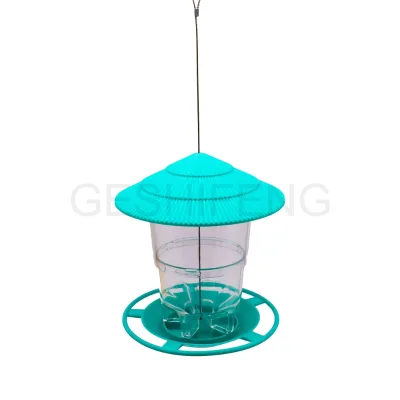
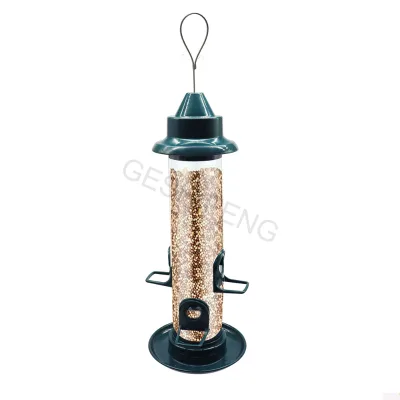
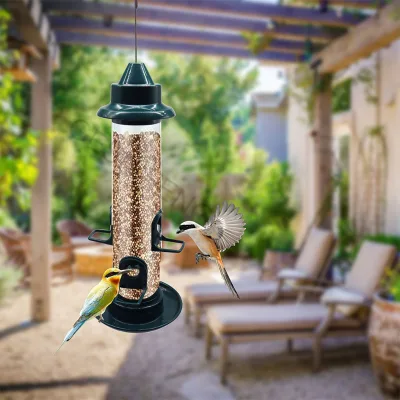
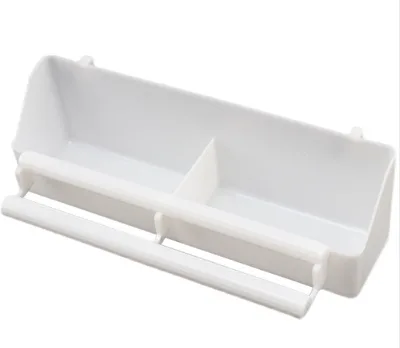

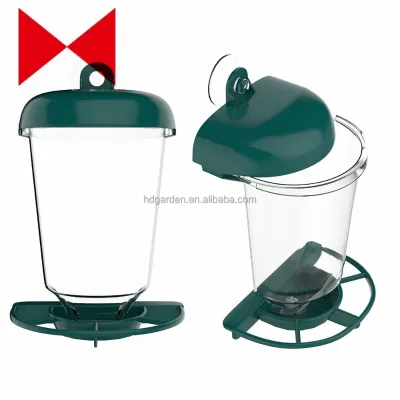
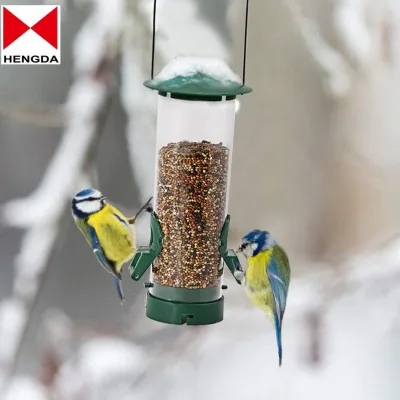
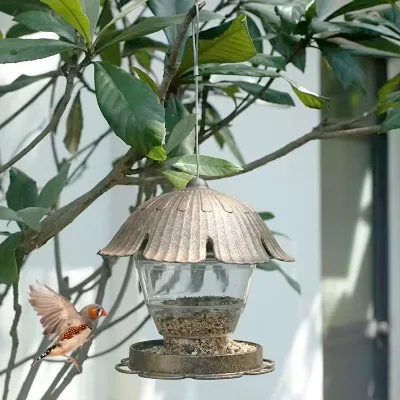


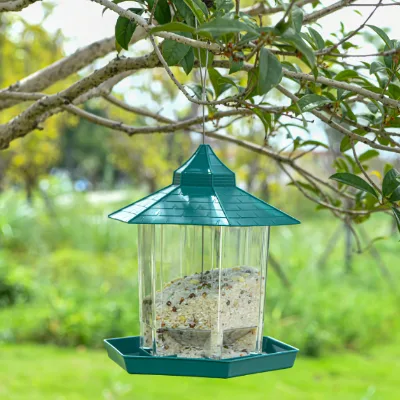


$40000.00 - $150000.00
MOQ: 1 Pieces


Garden Decorative Hanging Weatherproof Wild Bird Feeder, Outdoor Bird Feeder Use
$2.95 - $2.98
MOQ: 1000 Pieces


Comprehensive Sourcing Guide
Waterproof Plastic Dove Feeder Sourcing Guide
The global market for waterproof plastic dove feeders has evolved to meet the demands of both commercial poultry operations and specialized wild bird enthusiasts. Based on observed listings, these products are primarily manufactured from durable polymers such as PP, PS, and PVC blends, which provide the necessary resistance to moisture and weathering required for outdoor environments. The core functionality centers on reliable feeding mechanisms that accommodate specific avian species, including pigeons and wild birds, while preventing spoilage from rain or humidity. Buyers must distinguish between manual gravity feeders and more complex systems, as the observed data indicates a mix of automatic and non-automatic features depending on the specific model and intended application.
Procurement decisions for this category require a clear understanding of the diverse product attributes available in the current supply chain. Listings reveal variations in design, ranging from hanging bird feeders to bowl-style feeders, with specific models like the RS0191 and G-210713 series demonstrating the range of form factors available. While some units are marketed with squirrel-proof capabilities or eco-friendly features, the fundamental requirement remains the structural integrity of the plastic material to withstand outdoor exposure. Sourcing strategies should focus on verifying the specific material composition and volume capacity, as observed units range from standard 820ML capacities to custom sizes, ensuring the selected feeder matches the target bird population and feeding frequency.
Product Scope and Observed Listing Signals
The product scope for waterproof plastic dove feeders encompasses a wide array of designs tailored to different feeding behaviors and environmental conditions. Observed listings highlight specific attributes such as "bird feeder folding" and "squirrel proof" descriptions, indicating that buyers should expect a variety of functional features beyond simple containment. The material composition is consistently identified as plastic, with specific references to PP+PS and PP+PVC blends, which are critical for ensuring the product remains waterproof and durable. These materials are selected to resist degradation from UV exposure and moisture, making them suitable for all-season use in outdoor settings where pigeons and wild birds are the primary targets.
Listing signals also reveal significant variation in commercial terms and product specifications that influence the final procurement choice. The observed MOQ ranges from a single unit to 5,000 pieces, with specific models like the G-210713 series showing an MOQ of 16 pieces, suggesting flexibility for both small-scale buyers and large distributors. Pricing data spans a vast range from $0.07 to $150,000, reflecting the difference between simple plastic bowls and complex, automated feeding systems. Buyers must carefully parse these signals to identify products that align with their budget and volume requirements, noting that features like "Automatic" or "Eco-Friendly" status may correlate with higher price points and specific manufacturing complexities.
Technical Specifications to Verify
When evaluating technical specifications, the primary focus must be on the material integrity and dimensional accuracy of the feeder. The observed data specifies materials such as PP+PS and PP+PVC plastic, which are essential for waterproof performance, but buyers should verify the exact resin grade and wall thickness to ensure long-term durability against weathering. Dimensions are equally critical, with observed models like the G-210713-1 measuring 16.516.519cm and others having a single package size of 15X15X35 cm. These measurements directly impact the volume capacity, which is listed as 820ML for some units, and must be matched to the specific feeding needs of the target bird species to prevent waste or overflow.
Functional specifications such as power source and automation level require careful verification to avoid mismatches between expectation and reality. While some listings mention "Animal Labour" as a power source, which is likely a data anomaly or refers to a specific manual mechanism, other entries explicitly state "Automatic" or "Non-automatic" features. Buyers must confirm the presence of an LCD display, which is noted as "No" in the observed data, and verify the voltage requirements, which are listed as "Not Applicable" for these passive or mechanically driven units. Additionally, the shape, described as "Rounded," and the color options including Gray, Brown, and Green, should be confirmed to ensure the feeder blends appropriately with the intended outdoor environment or meets specific aesthetic requirements.
Compliance and Safety Documentation
Compliance and safety documentation for waterproof plastic dove feeders primarily revolve around material safety and general product certification. The observed listings consistently cite CE certification, which indicates that the product meets European health, safety, and environmental protection standards. This certification is a critical baseline for buyers exporting to or operating within the European market, ensuring that the plastic materials used do not leach harmful substances into the feed or the environment. However, buyers should not assume that all listed products automatically possess this certification without requesting specific test reports or certificates of conformity from the supplier for the exact batch being purchased.
Beyond general certifications, safety documentation must address the specific risks associated with outdoor feeding equipment, such as structural stability and material toxicity. Since the products are designed for "Bird Pigeon Tools" and "Feeding" applications, the plastic composition must be verified as food-grade to prevent contamination of the bird feed. The "Standard" packing and "Carton" packing options observed in the listings suggest that the packaging itself must also meet safety standards for transport and storage. Buyers should request documentation confirming that the plastic materials are free from BPA and other harmful additives, ensuring the safety of both the birds and the handlers who interact with the feeders daily.
Cost Drivers and Commercial Terms
Cost drivers for waterproof plastic dove feeders are heavily influenced by the complexity of the design, the specific material blend, and the level of automation. The observed price range of $0.07 to $150,000 indicates that simple, non-automatic plastic bowls are significantly less expensive than complex, automated systems or those with specialized features like squirrel-proofing. The material composition, specifically the use of PP+PS or PP+PVC blends, adds a variable cost component that buyers must account for, as higher-grade resins with better UV resistance will command a premium. Additionally, the "Customization" availability noted in the listings suggests that bespoke designs or branding will incur additional tooling and setup costs.
Commercial terms such as MOQ, lead time, and delivery conditions play a pivotal role in the total cost of ownership. The observed MOQ ranges from 1 to 5,000 units, with specific models like the G-210713 series requiring a minimum of 16 pieces, which allows for flexibility in order sizing. Lead times are observed to be around 7-10 days for delivery, a factor that impacts inventory planning and cash flow for buyers. Buyers should also consider the "Selling Units" being listed as "Single item," which may affect bulk pricing strategies. Negotiating favorable terms on these variables is essential, as the combination of low MOQs and short lead times can significantly reduce the financial risk for new market entrants.
Supplier Qualification and Quality Control
Supplier qualification for waterproof plastic dove feeders requires a rigorous assessment of manufacturing capabilities and quality control processes. Given that the observed products originate from China, specifically Guangdong, buyers should verify the supplier's production capacity and their ability to maintain consistent material quality across different batches. The presence of "Standard" and "Carton" packing options suggests a level of logistical maturity, but buyers must ensure that the supplier has established protocols for inspecting the plastic material for defects, such as cracks or uneven molding, which could compromise the waterproof integrity.
Quality control measures should extend beyond the final product to include raw material verification and process monitoring. Since the listings mention specific model numbers like RS0191 and G-210713, buyers should request detailed quality assurance reports that confirm the adherence to these specifications. The "Condition" of the products is listed as "New," but this should be validated through pre-shipment inspections to ensure that the feeders are free from manufacturing defects. Additionally, verifying the supplier's ability to handle "Customization" requests is crucial, as this often involves complex tooling and design changes that require strict quality oversight to prevent deviations from the agreed-upon specifications.
Long-Term Procurement Checks
Long-term procurement checks for waterproof plastic dove feeders must focus on the durability of the materials and the consistency of the supply chain. Buyers should implement a schedule for periodic quality audits to ensure that the plastic materials, such as PP+PS or PP+PVC, continue to meet the required standards for weather resistance and structural integrity over time. The "All-Season" usage claim observed in the listings necessitates ongoing verification that the feeders can withstand varying climatic conditions without degrading, which is critical for maintaining the reliability of the feeding system.
Supply chain stability and the ability to scale production are also key factors for long-term success. The observed lead time of 7-10 days and the wide MOQ range suggest that suppliers have the flexibility to adjust to changing demand, but buyers must establish clear communication channels to monitor production schedules and potential disruptions. Regular reviews of the supplier's performance against the agreed-upon specifications, including the "Model Number" and "Size" consistency, will help identify any drift in quality or delivery performance. By maintaining a proactive approach to supplier management, buyers can ensure a steady supply of high-quality waterproof plastic dove feeders that meet their operational needs for years to come.
FAQs
What material is used for the bird feeder?
The bird feeder is constructed from durable plastic materials, specifically PP+PS or PP+PVC plastic. These materials ensure the product is lightweight yet sturdy for outdoor use. The plastic construction supports the rounded shape and provides resistance to weather elements, making it suitable for hanging in various environments while maintaining structural integrity over time.
Can the bird feeder be customized for specific needs?
Yes, customization is available for this bird feeder product. Buyers can request specific modifications to meet particular requirements. The product supports various sizes and standard packing options. This flexibility allows businesses to tailor the feeder to specific market demands or branding needs while maintaining the core functionality of a durable plastic bird feeding solution.
What is the minimum order quantity for this product?
The minimum order quantity is 16 pieces. This MOQ allows for manageable initial procurement for small to medium-sized buyers. The product is sold as a single item unit. This threshold ensures efficient production and shipping logistics while providing access to the product for businesses looking to test the market or fulfill specific inventory requirements without excessive upfront commitment.
How long does delivery take for this feeder?
The delivery time is typically 7 to 10 days. This lead time applies to the standard production and shipping process. Buyers should account for this duration when planning inventory replenishment. The efficient turnaround supports timely restocking for retailers or distributors. This timeframe reflects the standard operational capacity for manufacturing and dispatching the plastic bird feeders from the production facility.
What certifications does the bird feeder hold?
The product holds CE certification. This indicates compliance with relevant safety and quality standards for the European market. The certification adds value for buyers requiring verified product standards. It assures that the manufacturing process and final product meet specific regulatory requirements. This credential is important for businesses targeting markets where CE marking is mandatory for imported plastic goods and consumer products.
What is the volume capacity of the feeder?
The feeder has a volume of 820ML. This capacity is suitable for holding a moderate amount of bird feed. The size balances frequent refilling needs with storage efficiency. It is designed to accommodate various types of bird seed. The 820ML volume ensures that birds can feed adequately without the container being overly bulky or difficult to hang in outdoor settings.