Source Polyimide ESD Gold Finger Tape for PCB, Electronics, Wiring
Compare 30 listings for Polyimide ESD Gold Finger Tape featuring high temperature resistance and electrical insulation. Buyers can evaluate specifications like width, thickness, and adhesive types from verified Chinese manufacturers.
Key considerations
Products List


Innovative Polyimide Tape for Gold Finger Applications - ODM/OEM Support
$3.50 - $4.00
MOQ: 1000 Pieces


High Temperature Adhesive Tape Polyimide Ton Tape 10 mm Polyimide Film Tape
$1.50 - $5.00
MOQ: 1000 Pieces


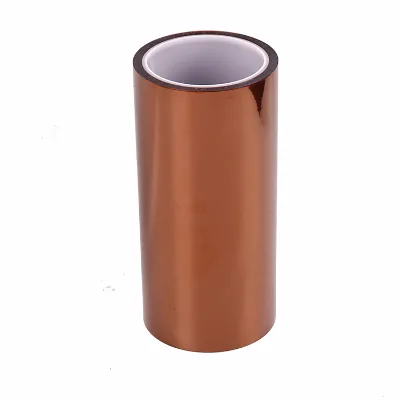
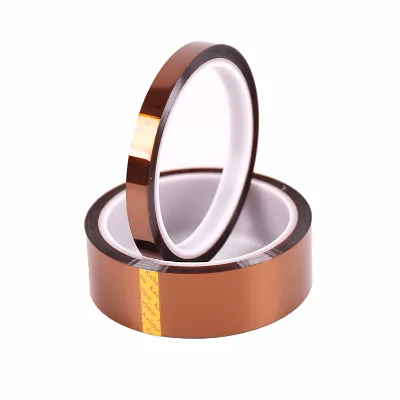

Silicone Adhesive Amber Gold Finger Double Sided Polyimide Pi Tape
$2.00 - $5.00
MOQ: 10000 Square Meters


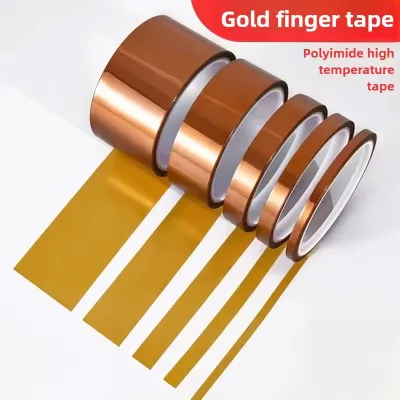
Comprehensive Sourcing Guide
Strategic Sourcing Guide for Polyimide ESD Gold Finger Tape
Procuring high-performance Polyimide ESD Gold Finger Tape requires a disciplined approach that balances technical precision with supply chain reliability. This material is critical in electronics manufacturing, specifically for protecting sensitive components during soldering and handling static-sensitive devices. The following guide outlines the essential factors buyers must evaluate, grounded in verified product attributes and industry standards.
Technical Specifications and Material Composition
The foundation of a successful procurement strategy lies in understanding the precise technical specifications of the tape. Polyimide film serves as the primary substrate, offering exceptional thermal stability and electrical insulation properties. The core material composition typically involves a polyimide film base coated with a silicone adhesive. This combination ensures the tape can withstand high temperatures without degrading, a non-negotiable requirement for applications involving reflow soldering or wave soldering processes.
Buyers must verify specific dimensional parameters, as these vary significantly between suppliers. Observed product data indicates that width specifications often range from standard 20mm options to fully customized dimensions, with tolerances as tight as ±0.3 mm. Length is another critical variable; standard offerings may include 33-meter or 30-meter rolls, yet customization is frequently available to meet specific production line requirements. The total thickness of the tape is equally important, with observed ranges spanning from 20 to 125 microns, or specific thicknesses like 0.03 mm with a tolerance of ±0.002 mm.
The surface finish of the tape is a key quality indicator. The film surface should be smooth, free from obvious defects, debris, or irregularities that could compromise adhesion or cause contamination on the circuit board. The adhesive type is predominantly silicone, which provides a balance between strong initial tack and clean removability after high-temperature exposure. This "sided tape" configuration ensures that the adhesive remains stable even when exposed to ambient temperatures typical of industrial environments.
Compliance, Certification, and Safety Standards
In the global electronics supply chain, compliance is not merely a formality but a prerequisite for market access. Buyers must rigorously verify that suppliers hold valid certifications that align with international safety and environmental standards. Common certifications observed in this sector include ISO 9001 for quality management, RoHS for restriction of hazardous substances, and Reach for chemical safety. Additionally, BSCI certification may be present, indicating adherence to social compliance standards in the supply chain.
When evaluating a supplier, it is essential to request current, verifiable copies of these certificates rather than relying on marketing claims. The product standard itself should be clearly defined; while some products are manufactured to a customized standard, others may adhere to specific industry norms regarding organic insulating materials. The classification of the tape as an organic insulating material necessitates that the raw materials, such as polymide and silicone, meet specific purity and safety criteria.
Buyers should also be aware of the maximum voltage ratings associated with the tape. Data suggests that certain variants are rated for voltages below 10KV, which is crucial for applications involving high-voltage electrical insulation. The thermal rating is another critical compliance metric; tapes must demonstrate resistance to temperatures up to 260 degrees Celsius to survive soldering processes without melting or leaving residue.
Cost Drivers and Pricing Dynamics
Understanding the cost structure of Polyimide ESD Gold Finger Tape is vital for budgeting and negotiation. The price range in the market can vary significantly, observed between $0.01 and $60 per unit, depending heavily on the specific configuration and order volume. Several factors drive these costs, including the thickness of the polyimide film, the width of the roll, and the complexity of the adhesive formulation.
Customization is a primary cost driver. While standard sizes like 20mm width and 33m length are often more economical, requests for custom dimensions, specialized surface treatments, or unique packaging requirements will increase the unit price. The Minimum Order Quantity (MOQ) also plays a significant role in the total cost of ownership. MOQs can range from as low as 1 roll to as high as 10,000 rolls. Suppliers with lower MOQs may charge a premium per unit, whereas larger volume orders typically benefit from economies of scale.
Packaging methods influence costs as well. Standard packaging often involves shrink-wrapped single rolls with labels, while custom packaging solutions like polybag plus carton combinations may incur additional fees. Buyers should also consider the cost of samples; while many suppliers offer free samples to facilitate testing, the logistics of obtaining these samples and the time invested in validation should be factored into the overall procurement timeline.
Typical Applications and Performance Requirements
Polyimide ESD Gold Finger Tape is designed for a diverse range of high-performance applications. Its primary use cases include thermal insulation, sound insulation, fire barriers, and electrical insulation. In the electronics industry, it is indispensable for protecting gold fingers and sensitive circuit boards during the soldering process. The tape acts as a thermal barrier, preventing heat from damaging adjacent components while allowing the soldering iron or reflow oven to heat the target area effectively.
Beyond electronics, the tape finds application in HVAC systems, automotive wiring, and pipe insulation. The ability to withstand high ambient temperatures makes it suitable for environments where standard tapes would fail. The electrical insulation properties ensure that the tape does not conduct electricity, protecting against short circuits and ensuring the safety of the assembly process. The maximum voltage rating of less than 10KV is particularly relevant for applications involving high-voltage electrical systems.
The tape's versatility extends to its use as a fire barrier. The inherent properties of polyimide and silicone provide a level of fire resistance that is essential for meeting safety regulations in various industries. Buyers should verify that the specific tape selected meets the fire safety standards required for their specific application environment.
Supplier Evaluation and Sourcing Strategy
Selecting the right supplier is a critical step in the procurement process. Buyers should prioritize suppliers who demonstrate transparency in their manufacturing capabilities and quality control processes. The origin of the product is a significant factor; many suppliers are located in regions known for electronics manufacturing, such as Dongguan City or Guangdong in China. While these locations offer access to a robust supply chain, buyers must ensure that the supplier maintains consistent quality standards regardless of their geographic location.
When evaluating potential suppliers, look for those who offer OEM services, allowing for customization of the product to meet specific brand or technical requirements. The availability of free samples is a strong indicator of a supplier's confidence in their product quality. Buyers should test these samples thoroughly before committing to a large order. Additionally, suppliers who provide detailed technical data sheets and clear specifications for their products are more likely to be reliable partners.
It is also important to assess the supplier's ability to handle customization requests. The product data indicates that customization is available for size, width, length, and packaging. A supplier's flexibility in accommodating these requests can be a decisive factor in the long-term success of the partnership. Buyers should also inquire about the supplier's production capacity and lead times to ensure they can meet demand fluctuations.
Quality Control and Long-Term Procurement Considerations
Implementing a robust quality control (QC) strategy is essential for maintaining the integrity of the supply chain. Buyers should establish clear acceptance criteria based on the technical specifications of the tape, including width tolerance, thickness, adhesion strength, and thermal resistance. Regular audits of the supplier's production processes can help identify potential issues before they impact the final product.
Long-term procurement considerations involve building a resilient supply chain that can adapt to changing market conditions. This includes diversifying the supplier base to mitigate risks associated with single-source dependency. Buyers should also consider the environmental impact of the materials used, ensuring that the tape and its packaging align with sustainability goals.
The classification of the tape as an organic insulating material means that the raw materials must be sourced responsibly. Buyers should verify that the supplier adheres to environmental regulations and maintains a clean production environment. The appearance of the tape, specifically the smoothness of the film surface and the absence of defects, should be a consistent quality metric.
Finally, buyers should maintain open communication with suppliers regarding any changes in product specifications or standards. The dynamic nature of the electronics industry means that requirements can evolve rapidly. A proactive approach to procurement, characterized by regular reviews and continuous improvement, will ensure that the organization remains competitive and compliant with the latest industry standards. By focusing on these key areas, buyers can secure a reliable supply of high-quality Polyimide ESD Gold Finger Tape that meets their specific operational needs.
FAQs
What is the temperature resistance of this tape?
The tape resists temperatures up to 260 degrees Celsius. This high thermal rating ensures stability during soldering processes without degrading or leaving residue on sensitive components.
Can I get free samples for testing purposes?
Yes, free samples are freely provided to buyers. This allows you to verify the smooth film surface and adhesion quality before committing to a larger purchase order.
Which certifications do the manufacturers hold?
Suppliers typically hold BSCI, RoHS, Reach, and ISO 9001 certifications. These credentials verify compliance with international safety standards and quality management systems for organic insulating materials.
How is the tape packaged for shipment?
Standard packaging involves a shrink-wrapped single roll with a label inside a carton. Custom packaging options like polybag plus carton combinations are also available upon request.
What are the standard width and length dimensions?
Standard widths include 20mm or custom options, while lengths are often 33 meters or 30 meters. Custom dimensions are available to meet specific production line requirements.
Is customization available for this product?
Customization is available for size, width, length, and packaging. Buyers can request specific thicknesses ranging from 20 to 125 microns to fit unique application needs.
What is the minimum order quantity required?
The minimum order quantity is typically 100 rolls, though ranges from 1 to 10,000 rolls exist. Lower MOQs may incur higher unit prices compared to bulk orders.