Source Polyol and MDI for Plastics, Foam, and Building
Find 29 verified listings for Polyol and MDI suitable for general plastics, engineering plastics, and specialty plastics. Compare specifications like viscosity, NCO content, and packaging options from suppliers in China and Korea to find the right raw material for your manufacturing needs.
Key considerations
Products List


Isocyanate Polymeric Polyol Mdi M200 for Polyurethane Insulation Foam
$1500.00 - $2200.00
MOQ: 10 Tons


Polymeric Mdi in Conjunction with Polyols for Producing Polyurethane Foam
$1900.00 - $2500.00
MOQ: 200 kg




Comprehensive Sourcing Guide
Strategic Sourcing Guide for Polyurethane Raw Materials: Polyol and MDI
The global market for polyurethane chemistry relies heavily on the precise pairing of polyols and isocyanates, with Methylene Diphenyl Diisocyanate (MDI) serving as a critical backbone for high-performance applications. For procurement professionals, navigating the supply chain for these materials requires a disciplined approach that distinguishes between observed product attributes and universal performance claims. The following guide synthesizes available market data to provide a framework for sourcing, evaluating, and integrating these raw materials into industrial operations.
Technical Specifications and Material Variants
Understanding the technical landscape of MDI is the first step in effective sourcing. The market presents a diverse array of product models, each tailored to specific chemical requirements and end-use applications. Observed product listings indicate a range of model identifiers, including MDI, M 20 S, PM200, 44V20L, 5005, and WANNATE PM-400. These designations are not merely labels but often correlate with specific chemical grades and functional properties.
The physical state of these materials is a primary differentiator. While some listings describe the product as a liquid with a viscosity range of 170-250 at 25°C, others note a visual appearance that can vary from black to brown or yellow. This variation suggests that sourcing must be aligned with the specific color and clarity requirements of the final manufacturing process. For instance, a black appearance may be standard for certain industrial formulations, whereas a yellow or brown hue might indicate different purity levels or additive packages.
Chemical composition is equally critical. The NCO (Isocyanate) content is a vital parameter for reaction stoichiometry, with observed ranges falling between 30.5% and 32.00%. Additionally, the Hydrolysable Chlorine content is a key quality indicator, with specific listings noting a maximum limit of ≤0.2%. The density of the material at 25°C is another measurable attribute, typically observed between 1.220 and 1.250 g/cm³. Buyers must verify these specific numerical values against their own process requirements, as deviations can significantly impact the curing time and final mechanical properties of the polyurethane product.
Compliance, Certification, and Regulatory Standards
In the chemical industry, compliance is not optional; it is a prerequisite for market access and operational safety. Sourcing decisions must be grounded in verified certifications and adherence to international standards. The supply chain for MDI and polyols frequently references ISO certification as a baseline for quality management. Some product listings also mention a combination of ISO and CCC (China Compulsory Certification) standards, indicating a focus on both international and specific regional regulatory frameworks.
The Harmonized System (H.S.) Code is another essential element for international trade. For these polyurethane raw materials, the observed H.S. Code is 3909310000. This classification is vital for customs clearance, duty calculation, and regulatory reporting. Procurement teams must ensure that all documentation aligns with this classification to avoid logistical delays or legal complications.
Environmental protection is a growing concern in chemical sourcing. Many suppliers explicitly state that their products meet environmental protection criteria. Furthermore, the material properties include "Hydrolytic Degradable" characteristics, which may be relevant for specific sustainability goals or waste management strategies. Buyers should request detailed Material Safety Data Sheets (MSDS) and Environmental Product Declarations (EPD) to verify these claims, ensuring that the materials align with corporate sustainability mandates and local environmental regulations.
Cost Drivers and Procurement Economics
The economics of sourcing MDI and polyols are influenced by several dynamic factors, including raw material costs, packaging requirements, and logistical parameters. The observed price range in the market is broad, spanning from $1.70 to $3,500 USD. This wide variance is likely driven by the specific grade of the material, the volume of the order, and the packaging configuration. High-grade specialty plastics or engineering plastics formulations will naturally command a higher price point compared to general plastic applications.
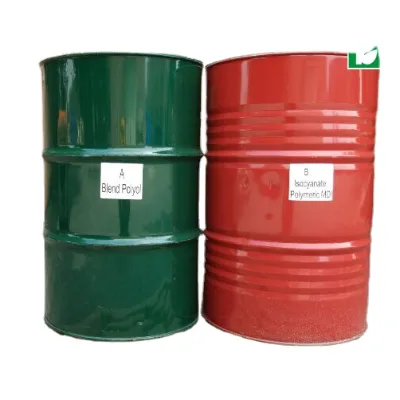
Packaging plays a significant role in cost structure. The standard packaging units observed include steel drums and IBC (Intermediate Bulk Containers). The net weight for a standard drum is typically 250 kg, while IBCs can hold up to 1,000 kg. The choice between drums and IBCs affects the unit cost, handling efficiency, and storage requirements. Steel drums are often preferred for smaller batches or specific handling needs, whereas IBCs offer economies of scale for large-volume production runs.
Minimum Order Quantities (MOQ) also vary significantly, with observed ranges from 1 unit to 5,000 units. This flexibility allows buyers to scale their procurement based on production cycles and inventory strategies. However, higher volumes generally correlate with better pricing and more favorable lead times. Delivery timelines are another cost driver; an observed average delivery time is approximately 10 days, though this can fluctuate based on supplier capacity and geographic location.
Typical Applications and End-Use Markets
The versatility of MDI and polyols is evident in their diverse application across multiple plastic sectors. The primary usage categories identified include General Plastics, Engineering Plastics, and Specialty Plastics. Within these categories, the materials are utilized in various manufacturing processes, such as blow molding. The resulting plastic properties after heating indicate that the materials can form thermoplastic plastics, offering flexibility in product design and manufacturing methods.
Specific industry applications are also highlighted. The building sector is a major consumer of these materials, particularly for polyurethane foam applications used in insulation and construction. The product name "Polyurethane Foam MDI Building Raw Material" underscores this specific use case. Additionally, the material features such as cold-resistance, heat-resistance, impact-resistance, and wear-resistance make it suitable for demanding environments where durability is paramount.
The following table summarizes the observed product models and their associated application areas:
| Product Model | Primary Usage Category | Key Features |
|---|---|---|
| MDI / M 20 S | General & Engineering Plastics | Heat-resistant, Cold-resistant |
| PM200 / 44V20L | Specialty Plastics | Hydrolytic Degradable |
| WANNATE PM-400 | Building Applications | High Impact Resistance |
| 5005 | General Plastics | Blow Molding Compatible |
Supplier Evaluation and Operational Due Diligence
Evaluating suppliers requires a focus on reliability, customization capabilities, and logistical competence. The market data indicates that customization is available, which is a significant advantage for buyers with unique formulation needs. This flexibility allows for the tailoring of chemical properties to match specific production lines.
Geographic origin is another critical factor in supplier selection. While many products originate from China, there are also listings indicating origins in Korea. This geographic diversity can impact lead times, shipping costs, and trade compliance requirements. Buyers should assess the supplier's location relative to their manufacturing facilities to optimize the supply chain.
The packaging standards observed, such as "250kg/drum" and "Iron Drum," suggest a standardized approach to handling. However, buyers must verify that the supplier's packaging aligns with their internal storage and handling protocols. The ability to provide both drum and IBC options demonstrates a supplier's capacity to handle different order sizes and logistical constraints.
Quality Control and Performance Verification
Ensuring consistent quality is paramount in chemical procurement. The observed specifications provide a baseline for quality control, but buyers must establish their own verification protocols. Key parameters to monitor include the NCO content, viscosity, and density. For example, verifying that the NCO content falls within the 30.5-32.00% range is essential for maintaining reaction consistency.
The "Visual" appearance of the liquid is another quality indicator. While black, brown, and yellow are observed colors, any deviation from the agreed-upon standard should trigger a quality review. The presence of "Hydrolytic Degradable" properties should be confirmed through laboratory testing to ensure the material meets the intended lifecycle requirements.
Quality control should also extend to the packaging integrity. Steel drums and IBCs must be inspected for leaks or damage prior to use. The net weight of the packages, whether 250 kg or 1,000 kg, must be verified to ensure that the buyer receives the full quantity ordered.
Long-Term Procurement Considerations
Sourcing MDI and polyols is not a one-time transaction but a long-term strategic partnership. Buyers should consider the scalability of their supply chain, the availability of customization, and the stability of the supplier's certification status. The availability of ISO and CCC certifications suggests a commitment to quality, but these should be reviewed periodically to ensure continued compliance.
The environmental impact of the materials is also a long-term consideration. With features like "Environmental Protection" and "Hydrolytic Degradable," buyers can align their procurement with sustainability goals. However, the specific environmental claims should be substantiated with third-party testing data.
Finally, the flexibility of the supply chain is crucial. With MOQs ranging from 1 to 5,000 units and delivery times of approximately 10 days, buyers can adapt to market fluctuations. However, maintaining a diversified supplier base can mitigate risks associated with supply chain disruptions. By focusing on technical specifications, compliance, and supplier reliability, buyers can secure a stable and efficient supply of polyurethane raw materials for their operations.
FAQs
What certifications do Polyol and MDI suppliers typically hold?
Suppliers typically hold ISO certification, with some listings also showing ISO and CCC standards. These certifications verify quality management systems and regulatory compliance for international trade and safety requirements in chemical sourcing.
How is Polyol and MDI packaged for shipment?
The material is commonly packaged in steel drums or IBC containers. Standard drums hold 250 kg net weight, while IBCs can hold up to 1000 kg, offering flexibility for different order volumes and storage needs.
Which product models are available for Polyol and MDI?
Available models include MDI, M 20 S, PM200, 44V20L, 5005, and WANNATE PM-400. These designations correlate with specific chemical grades and functional properties for various plastic applications.
Can buyers customize Polyol and MDI specifications?
Yes, customization is available for buyers with unique formulation needs. This flexibility allows for tailoring chemical properties to match specific production lines and manufacturing requirements effectively.
What is the typical delivery time for Polyol and MDI?
The observed average delivery time is about 10 days. This timeline can fluctuate based on supplier capacity, geographic location, and the specific volume of the order placed.
What is the NCO content range for Polyol and MDI?
The NCO content typically ranges between 30.5% and 32.00%. This parameter is vital for reaction stoichiometry and impacts the curing time and final mechanical properties of the polyurethane product.
From which locations do Polyol and MDI originate?
Products originate from China and Korea. This geographic diversity impacts lead times, shipping costs, and trade compliance requirements for procurement teams optimizing their supply chain.