Source Polymer Clay Earrings for Gifts, Parties, and Weddings
Compare 30 listings of Polymer Clay Earrings from verified suppliers. Buyers can evaluate styles, materials, and prices for decoration, gifts, and special occasions. Explore options ranging from antique and ethnic trends to simple and star fashion designs. Check weights, colors, and certifications like BSCI and SGS before placing orders.
Key considerations
Products List


Exaggerated large circle twist earrings fashion woven design alloy earrings
$0.53 - $0.60
MOQ: 100 Pairs


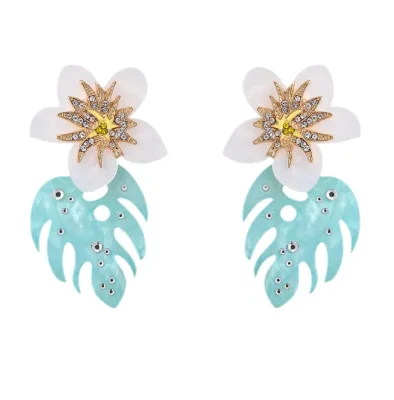


Christmas Earrings Christmas Tree Leather Earrings Multi-Layer Printed Leather Earrings
$0.58 - $0.60
MOQ: 1200 Pairs
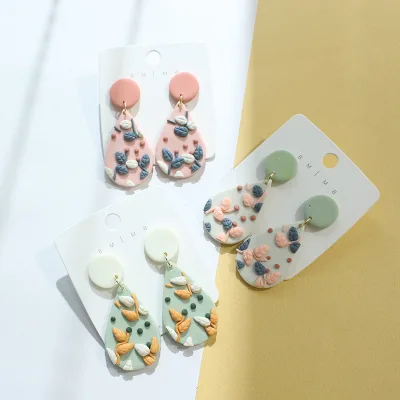


Comprehensive Sourcing Guide
Polymer Clay Earrings Sourcing Guide
Buyers evaluating Polymer Clay Earrings must first distinguish these from the metal and alloy options frequently listed in current catalogs, as the material composition dictates entirely different manufacturing and durability profiles. While observed listings highlight crystal, sterling silver, and alloy constructions with weights ranging from 5g to 12g, polymer clay offers a distinct lightweight alternative that requires specific verification of curing processes and resin content. Procurement teams should prioritize suppliers who explicitly confirm the use of polymer clay rather than generic resin or alloy mixtures to ensure the product matches the intended aesthetic and functional requirements.
The observed market signals indicate a strong preference for decorative and gift-oriented applications, with styles ranging from antique and ethnic trends to simple and star fashion designs. Although specific polymer clay models were not explicitly detailed in the provided data, the general category supports customization and OEM/ODM acceptance, allowing buyers to tailor shapes like beads, flowers, or rounds to their brand identity. Sourcing strategies should focus on verifying the supplier's ability to replicate these specific shapes while maintaining the structural integrity required for daily wear or special occasions like weddings and parties.
Product Scope and Observed Listing Signals
Current market listings reveal a diverse range of earring types, including metal earrings, crystal studs, and alloy pieces, with observed weights varying significantly from 0.01 kg to approximately 10g per pair. Buyers seeking polymer clay options must carefully filter these results, as the provided data emphasizes metal-based materials like 925 sterling silver and various alloys rather than the thermoplastic polymers characteristic of clay jewelry. This distinction is critical because the sourcing signals for metal earrings often involve different packaging standards, such as OPP bags or gift boxes, which may not align with the delicate handling needs of clay-based products.
The observed product attributes highlight a broad spectrum of styles, including antique, ethnic trends, simple, and natural designs, catering to female and youth demographics for occasions ranging from Halloween to engagement ceremonies. While the data confirms customization availability and specific model numbers like JYS-EXU173JD or JYB1005, these specific identifiers often correspond to metal or alloy constructions. Procurement teams should verify if the supplier's catalog includes polymer clay variations of these popular styles, ensuring that the final product meets the desired aesthetic without compromising on the lightweight nature typically associated with clay materials.
Technical Specifications to Verify
When sourcing Polymer Clay Earrings, buyers must rigorously verify the curing temperature and time specifications, as these parameters directly influence the final hardness and color stability of the product. Unlike the observed metal standards which cite specific dimensions like 6cm or 10.5*2.5CM, polymer clay requires precise thermal processing data to prevent warping or brittleness during shipping. Procurement teams should request detailed technical sheets that outline the specific polymer composition and curing protocols to ensure the earrings maintain their shape and finish under varying environmental conditions.
Weight and dimension tolerances are equally critical, as observed listings show weights ranging from 5g to 12g for metal variants, whereas polymer clay products typically offer a lighter profile. Buyers should confirm that the supplier can consistently produce items within a tight weight tolerance to ensure comfort for the wearer, especially for larger designs like flowers or beads. Additionally, verifying the needle material, such as the steel needles mentioned in some listings, is essential to ensure compatibility with the clay body and to prevent corrosion or skin irritation over time.
Compliance and Safety Documentation
Safety compliance is paramount when sourcing earrings, particularly given the observed emphasis on eco-friendly attributes like being lead-free, nickel-free, and cadmium-free in metal listings. For polymer clay products, buyers must verify that the raw materials used are non-toxic and meet international safety standards for jewelry, as the curing process can sometimes release volatile organic compounds if not properly managed. Procurement teams should demand certificates of analysis that specifically address the chemical composition of the clay and any pigments used to ensure they are safe for prolonged skin contact.
The observed listings frequently cite certifications such as BSCI, SGS, BV, and Intertek, which serve as benchmarks for quality and ethical manufacturing practices. Buyers should ensure that their polymer clay suppliers hold similar valid certifications to guarantee that the production process adheres to strict safety and labor standards. It is crucial to verify that these certifications are current and cover the specific product line, as generic company certifications may not automatically extend to every custom design or material variation offered by the supplier.
Cost Drivers and Commercial Terms
Cost structures for Polymer Clay Earrings are heavily influenced by the complexity of the molding process and the level of customization required, which can drive prices higher than standard metal alternatives. While observed price ranges for metal earrings span from 0.5 to 8 USD, polymer clay products may incur additional costs for hand-finishing, unique color blending, or specialized packaging like paper cards and gift boxes. Buyers should negotiate based on the volume of custom designs rather than just unit count, as the labor intensity of creating unique clay shapes often dictates the final pricing model.
Minimum Order Quantities (MOQ) observed in the market range from 5 to 1200 units, suggesting that suppliers may offer flexible terms for smaller batches of custom clay designs. However, buyers must clarify whether the MOQ applies to the total order value or specific SKUs, as custom polymer clay items often require separate production runs. Understanding the lead times associated with these custom orders is also vital, as the curing and drying processes for clay can extend production schedules compared to the more immediate manufacturing cycles of metal jewelry.
Supplier Qualification and Quality Control
Supplier qualification for Polymer Clay Earrings requires a deep dive into their manufacturing capabilities, specifically their experience with thermoplastic materials and their quality control protocols for color consistency. Unlike the observed metal suppliers who may rely on standard casting techniques, clay manufacturers must demonstrate expertise in baking and finishing processes to prevent defects like cracking or fading. Buyers should request samples of previous work to assess the supplier's ability to maintain the intricate details required for styles like flowers or beads.
Quality control checks should focus on the structural integrity of the earrings, ensuring that the clay does not become brittle or deform under normal wear conditions. Procurement teams should implement a rigorous inspection process that includes testing for color fastness and the secure attachment of earring posts or hooks. Given the observed use of various packing methods like PE polybags and OPP bags, it is essential to verify that the packaging protects the clay from physical damage during transit, especially for delicate designs.
Long-Term Procurement Checks
Establishing a long-term partnership with a polymer clay supplier requires regular audits of their production capacity and their ability to scale custom designs without compromising quality. Buyers should monitor the supplier's adherence to the observed eco-friendly standards, ensuring that their material sourcing remains consistent with lead-free and nickel-free requirements over time. Continuous communication regarding material updates and process improvements will help maintain the high standards expected in the global market, particularly for destinations like Europe and North America.
Performance reviews should also track the supplier's ability to meet delivery schedules and handle the specific logistics requirements, such as the observed shipment methods including DHL, UPS, and TNT. Buyers must ensure that the supplier can adapt to changing market trends, such as the shift towards simple or natural styles, while maintaining the customization capabilities that define the polymer clay niche. Regular feedback loops and joint quality initiatives will foster a resilient supply chain capable of supporting the dynamic nature of the jewelry industry.
FAQs
Can I customize Polymer Clay Earrings with specific designs?
Yes, customization is available for these earrings. Buyers can request OEM and ODM services to tailor designs to their brand needs. This flexibility allows for unique aesthetic adjustments, ensuring the final product aligns with specific market trends or corporate branding requirements for gifts and decorations.
What materials are used in these earring products?
The products utilize various materials including crystal, 925 sterling silver, alloy, and resinous components. These materials are selected to achieve different aesthetic effects, such as antique or ethnic styles. The use of lead-free, nickel-free, and cadmium-free materials ensures safety and compliance with international standards.
What certifications do the manufacturers hold?
Manufacturers hold certifications from BSCI, SGS, BV, and Intertek. These credentials verify adherence to quality and ethical standards. Buyers can rely on these documented certifications to ensure that the sourcing partners meet international compliance requirements, facilitating smoother entry into markets like Europe, North America, and Russia.
What is the typical packaging for these earrings?
Packaging options include OPP bags, PE polybags, paper cards, and gift boxes. Each pair is typically packed individually in an OPP bag. This versatile packaging supports various retail needs, from simple bulk shipping to premium gift presentation, ensuring product protection and enhancing the unboxing experience for end consumers.
Which markets are these earrings primarily exported to?
The main export markets include Europe, North America, and Russia. These regions represent significant demand for fashion accessories and decorative gifts. Sourcing from China allows buyers to leverage established supply chains and shipping routes via DHL, UPS, and TNT to efficiently reach these key global destinations.
What styles are available for these metal earrings?
Available styles include antique, ethnic trends, simple, and star fashion. Shapes range from beads and flowers to round designs. These diverse styles cater to various occasions such as weddings, parties, and engagements, allowing buyers to select products that match specific seasonal trends or customer preferences effectively.