Source Pop Up Beach Tent for Camping, Relief, and Outdoor Use
Find 30 Pop Up Beach Tent options for camping, relief, and outdoor activities. Compare features like waterproofing, pole materials, and customization. Source reliable suppliers for single or double skin structures with UV-resistant fabrics; compare the available evidence and request quotations based on your requirements.
Key considerations
Products List


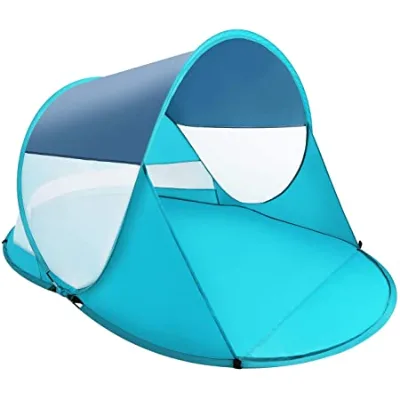


Outdoor Tents for Events Pop up Tent Canopy Advertising Tent Pop up Tent
$133.00 - $166.00
MOQ: 1 Pieces


Canopy Tents for Events Pop up Tent Canopy Party Tents for Events Outdoor
$144.00 - $180.00
MOQ: 1 Pieces


Comprehensive Sourcing Guide
Pop Up Beach Tent Sourcing Guide
Sourcing pop-up beach tents requires a clear understanding of the diverse product landscape available from manufacturers, particularly those originating from regions like Anhui, China. Buyers must navigate a wide array of options that vary significantly in structure, material composition, and intended use. The market offers everything from simple single-skin shelters designed for quick shade to more complex double-skin units suitable for relief operations or advertising. Understanding these distinctions is the first step in defining procurement requirements, as the wrong choice can lead to functional failures in specific environments.
Procurement teams should also consider the customization capabilities of suppliers, as many offer OEM services and tailored designs. Attributes such as logo printing, color variations, and specific packing methods like carrying bags or cartons are common differentiators. By aligning internal needs with these available customization options, buyers can secure products that not only meet functional requirements but also support brand visibility and logistical efficiency. This strategic approach ensures that the final product aligns with both operational demands and marketing objectives.
Product Scope and Observed Listing Signals
The observed market signals indicate a broad spectrum of pop-up beach tents, with prices ranging from $6 to $800 USD and minimum order quantities (MOQs) spanning from 1 to 2000 units. This wide variance suggests that buyers can find solutions for both small-scale personal use and large-scale commercial deployments. The presence of stocked samples and flexible payment terms like TT/LC at Sight or PayPal indicates a mature supply chain that accommodates various buyer sizes and risk appetites. These signals help buyers gauge market accessibility and the ease of initiating small trial orders before committing to larger volumes.
Key product attributes observed include materials such as 190t polyester fabric and poles made from flexible fiberglass or galvanized steel. These materials directly influence durability, weight, and wind resistance, which are critical for beach environments. Additionally, features like UV resistance, sun-proofing, and waterproofing capabilities are prominently listed, highlighting the primary value propositions for end-users. Buyers should pay close attention to these specifications to ensure the selected tent meets the environmental demands of its intended deployment, whether for casual recreation or professional relief efforts.
Technical Specifications to Verify
Verifying technical specifications is crucial to ensure the tent meets performance expectations. Buyers should confirm the exact dimensions, such as the 245x180x145cm or 220x120x100cm models observed, to ensure adequate space for the intended number of users. The structure type, whether single-skin or double-skin, significantly impacts ventilation and weather protection. Single-skin tents are often lighter and quicker to set up, while double-skin options may offer better insulation and condensation management. Understanding these structural differences helps buyers select the right balance between portability and protection.
Pole material and construction are another critical area for verification. Fiberglass poles offer flexibility and lightweight properties, making them ideal for portable beach tents, whereas galvanized steel poles provide greater rigidity and wind resistance for larger or more permanent structures. Buyers should also check the waterproof index, with some products listing a bottom waterproof index of 2000-3000 mm, which indicates a higher level of protection against ground moisture. Confirming these details with the supplier ensures that the tent will perform reliably under the specific weather conditions it will encounter.
Compliance and Safety Documentation
While specific certification statuses like ISO 9001 are mentioned in background data, buyers must verify the actual compliance documentation provided by the supplier. This includes checking for any relevant safety standards related to flammability, material toxicity, and structural integrity. For tents used in relief or commercial advertising, compliance with local regulations is essential to avoid legal issues and ensure user safety. Buyers should request test reports or certificates from accredited laboratories to validate the supplier’s claims regarding material safety and performance.
Additionally, buyers should inquire about the testing procedures used to validate waterproofing and UV resistance. Although specific test results are not provided in the observed data, understanding the methodology behind these claims is vital. Suppliers should be able to explain how they achieve features like UV resistance and sun-proofing, whether through fabric treatment or material selection. This transparency helps buyers assess the reliability of the product and ensures that it meets the necessary safety and quality benchmarks for its intended application.
Cost Drivers and Commercial Terms
Several factors drive the cost of pop-up beach tents, including material quality, customization options, and order volume. The use of premium fabrics like 190t polyester and specialized pole materials can increase the unit price, while bulk orders typically benefit from economies of scale. Buyers should also consider the cost of customization, such as logo printing or specific color choices, which may incur additional fees. Understanding these cost drivers allows buyers to negotiate more effectively and align their budget with their procurement goals.
Commercial terms, including payment methods and shipping logistics, also impact the total cost of ownership. Observed terms like TT/LC at Sight or PayPal offer flexibility, while shipping times of around 7 days and FOB ports like Ningbo or Shanghai provide clarity on logistics. Buyers should factor in these terms when calculating the landed cost, including freight, insurance, and customs duties. Clear communication regarding these terms helps avoid unexpected expenses and ensures a smooth procurement process from order placement to delivery.
Supplier Qualification and Quality Control
Evaluating supplier qualification is essential to mitigate risks and ensure consistent product quality. Buyers should assess the supplier’s manufacturing capabilities, quality control processes, and track record in producing pop-up beach tents. Suppliers with experience in producing tents for diverse applications, such as camping, relief, and advertising, are likely to have robust quality control systems in place. Requesting references or case studies can provide insights into the supplier’s reliability and ability to meet specific buyer requirements.
Quality control measures should include regular inspections of raw materials, in-process checks during manufacturing, and final product inspections before shipment. Buyers should inquire about the supplier’s defect rate and how they handle non-conforming products. Establishing clear quality expectations and communication channels with the supplier helps ensure that the delivered tents meet the agreed-upon specifications. This proactive approach to quality management reduces the risk of receiving substandard products and enhances overall procurement satisfaction.
Long-Term Procurement Checks
Long-term procurement success depends on establishing strong relationships with suppliers and continuously monitoring performance. Buyers should conduct regular reviews of supplier performance, including on-time delivery, product quality, and responsiveness to issues. Maintaining open communication and providing feedback helps suppliers improve their services and align with the buyer’s evolving needs. Building a partnership rather than a transactional relationship can lead to better pricing, priority service, and collaborative innovation in product design.
Additionally, buyers should stay informed about market trends and technological advancements in pop-up beach tent manufacturing. This includes monitoring changes in material technologies, design innovations, and regulatory requirements. By staying proactive and adaptable, buyers can ensure that their procurement strategy remains competitive and aligned with industry best practices. Regularly updating supplier qualification criteria and quality control processes helps maintain high standards and supports long-term procurement success.
FAQs
What materials are used for pop up beach tents?
Pop up beach tents typically use polyester fabric for the canopy and flexible fiberglass poles for the frame. Some models feature galvanized poles for added durability. The fabric often includes UV-resistant and sun-proof features to ensure protection during summer outdoor activities.
Can I customize the logo on these beach tents?
Yes, OEM logo customization is available for many Pop Up Beach Tent models. Buyers can request specific branding on the fabric or carrying bags. This service allows businesses to create unique promotional items while maintaining the structural integrity of the tent design.
How large are the standard Pop Up Beach Tent sizes?
Standard sizes vary, with common dimensions including 245x180x145cm and 220x120x100cm. Some models offer customized capacity options to fit specific needs. The structure can be single skin or double skin depending on the specific product model selected for purchase.
Are these tents waterproof for beach use?
Many pop up beach tents are designed to be waterproof with a bottom waterproof index ranging from 2000 to 3000 mm. However, some specific models may not be fully waterproof. Buyers should verify the waterproof attribute for each specific product model before ordering.
What is the lead time for shipping these tents?
The shipping time for these pop up beach tents is typically around 7 days from the order date. Products originate from locations like Anhui, China, with shipping ports available at Ningbo or Shanghai. Payment terms usually include TT, LC at Sight, or PayPal.
Do these tents come with a carrying bag?
Yes, most pop up beach tents are packed in a carrying bag or cloth bag for easy transport. Some larger orders may include carton packaging for protection during shipping. The packing method ensures the tent remains compact and portable for camping or beach relief activities.
What styles are available for pop up beach tents?
Available styles include single door, two doors, and square centre-pole designs. Some models feature camouflage or field game patterns for specific applications. The top style can be a pup tent or other configurations depending on the intended usage for relief or advertising.