Source Pool Balls for Billiard Tables, Amusement Parks, and Packaging
Find and compare Pool Balls from verified suppliers with options for resin, plastic, and PP materials. This selection includes 30 products featuring custom sizes, single cue stick structures, and applications in billiards, entertainment, and industrial sectors.
Key considerations
Products List

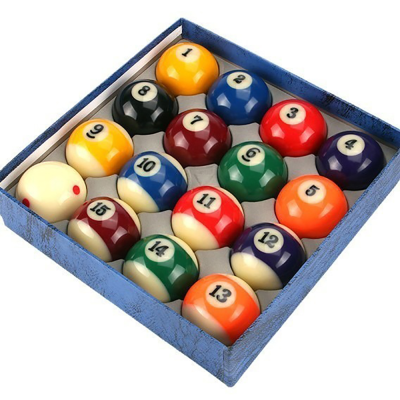
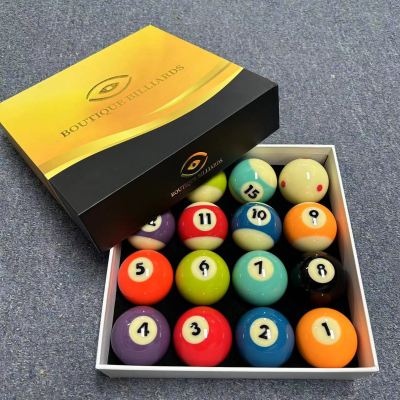
Snooker and Pool Balls Professional Pool Balls Pool (Pocket Billiards) Balls
$12.00 - $14.00
MOQ: 1 Pieces

Billiard Balls American Pool Balls / 8-Ball Pool Balls Billiard Accessories
$12.00 - $14.00
MOQ: 1 Pieces






Comprehensive Sourcing Guide
Strategic Sourcing Guide for Pool Balls and Related Billiard Equipment
Understanding Product Categories and Material Specifications
When sourcing Pool Balls and associated billiard equipment, buyers must first distinguish between the primary playing components and the auxiliary materials often listed under similar search terms. The core product, identified as "Billiard Ball," is typically constructed from high-performance resins. The provided data indicates that "Resin" is a primary material attribute for these items, ensuring the necessary density and durability required for professional play. However, the search landscape also includes "Covering Balls" and "Floating Ball Fillers" made from "PP" (Polypropylene) or general "Plastic," which serve distinct industrial or amusement purposes rather than competitive billiards.
Buyers should verify the specific material composition before placing orders. While the target product for pool tables is resin-based, other listings in the same category may feature "Wood Metal" frames or "Plastic" construction for amusement park applications suitable for ages 3-12 years. The distinction is critical because the performance characteristics of a resin billiard ball differ significantly from a plastic filler used in chemical industry products or a toy ball for amusement parks. The observed product attributes suggest a "Single" structure for cue sticks, while the balls themselves are often categorized under "Random Packing" or specific models like "PRP10" and "KB-AC-BPB-001."
Technical Specifications and Dimensional Standards
Precision is the defining characteristic of pool ball procurement. The technical specifications for these items are not merely aesthetic but functional, dictating the physics of the game. The data highlights specific size variations, noting that equipment is available in "7/8/9 FT" configurations, which refers to the table size the balls are intended to complement. Furthermore, standard dimensions for related components are listed as "40mm, 50mm, 80mm" or "40, 50mm," which buyers must cross-reference against the specific requirements of their target market or table type.
The "Specification: Medium" attribute suggests a standard classification, but buyers must confirm if this aligns with their specific needs, as "Big" specifications are also noted in the data. The "Structure Feature" of "Floating Ball Filler" indicates a different product class entirely, likely used for buoyancy or chemical processing, rather than the solid, non-floating nature of a billiard ball. When evaluating the "Type" of product, it is essential to distinguish between "Billiard Ball" and "Entertainment" or "Chemical Industry Product" variants. The "Color" is frequently listed as "White," but "Different" cloth types and colors for accessories are also available.
| Attribute Category | Pool Ball Specifications | Industrial/Amusement Variants |
|---|---|---|
| Primary Material | Resin | PP, Plastic, Wood Metal |
| Standard Sizes | 7/8/9 FT Table Match | 40mm, 50mm, 80mm |
| Structure | Solid Single | Floating Ball Filler |
| Application | Billiards, Entertainment | Chemical, Sewage, Amusement |
| Packing | Carton, Box | Bag, Super Bag, Plastic Bag |
Buyers must ensure that the "prod_model" aligns with their inventory strategy. Models such as "PRP10" or "KB-AC-BPB-001" may represent specific manufacturing batches or product lines. The "Cost" is noted as "as Per You Design & Size," indicating that customization is a primary driver for pricing. This flexibility allows for bespoke manufacturing but requires clear communication of dimensional tolerances to avoid receiving products that do not fit standard tables.
Compliance, Certification, and Safety Standards
Compliance verification is a critical step in the procurement process, particularly when sourcing products intended for public use or export. The data explicitly mentions "CE, GS, ISO, TUV" certifications as allowable standards for certain products, specifically those suitable for amusement parks or children's use. These certifications indicate that the product has undergone rigorous testing for safety, electromagnetic compatibility, and general product safety. However, buyers must be cautious not to assume that every "Billiard Ball" listing carries these specific certifications. The "Standard" attribute often lists "BOX" or "D8," which may refer to packaging standards or internal quality codes rather than international safety certifications.
For Pool Balls used in commercial venues or professional settings, the absence of a specific safety certification listed in the general product description does not necessarily imply non-compliance, but it does require a direct inquiry to the supplier. The "Condition" is listed as "New," which is a baseline expectation, but the "Source" of the product, such as "Pingxiang, China" or "Wenzhou, China," can influence the regulatory landscape. Suppliers from these regions are accustomed to exporting, but the specific certification requirements for the destination market (e.g., the EU, North America, or Asia) must be confirmed.
Buyers should verify if the "Allowable Passenger" or "Age" restrictions (e.g., 3-12 Years) apply to the specific batch they are purchasing. If the product is intended for adult recreational use, the "Amusement Park" certifications may be less relevant than the material safety standards for resin and plastics. The "Method" of production, such as "Biological Treatment" or "Blow Molding," also impacts the final product's safety profile. Blow molding is common for plastic toys, while resin balls for billiards often involve compression molding. Ensuring the manufacturing process aligns with the intended safety standards is essential for liability management.
Cost Drivers and Customization Parameters
The cost structure for Pool Balls and related equipment is highly variable, driven primarily by customization and material quality. The observed price range of "0.03-800" USD reflects the vast difference between a single industrial filler ball and a high-end, custom-branded set of billiard balls. The "Cost" is explicitly described as "as Per You Design & Size," meaning that the final price is a function of the buyer's specific requirements. Factors influencing cost include the "Customization" availability, "Branding Options," and the complexity of the "Multi-Functional Designs."
Customization is a key feature, with "Customized" and "Customed" branding options available. This allows buyers to add logos, specific color schemes, or unique packaging requirements. The "Packaging Requirements" often specify "Wooden Carton" or "Carton," which adds to the overall cost but ensures product protection during transit. The "MOQ" (Minimum Order Quantity) ranges from "1-2000," offering flexibility for small buyers but potentially increasing the unit cost for smaller orders. Larger orders typically benefit from economies of scale, reducing the per-unit price.
The "Process" of manufacturing, such as "Blow Molding" for plastic items or resin casting for billiard balls, also impacts the cost. High-precision resin balls require more complex tooling and quality control, leading to higher prices compared to standard plastic fillers. The "Feature" of being "Durable, Colorful, Interesting" suggests that aesthetic enhancements and durability guarantees are value-added services that influence the final price. Buyers should request detailed cost breakdowns that separate material costs, tooling fees, and branding charges to understand the true cost drivers.
Supplier Evaluation and Geographic Considerations
Evaluating suppliers requires a focus on their geographic location and production capabilities. The data identifies "China" as the primary origin, with specific cities like "Pingxiang" and "Wenzhou" mentioned. Pingxiang is known for chemical and industrial equipment, which may explain the presence of "Filter Media" and "Sewage Treatment" products in the same search results. Wenzhou, on the other hand, is a hub for general manufacturing and consumer goods, making it a likely source for billiard equipment and amusement park products.
Buyers should verify the supplier's specialization. A supplier in Pingxiang might be an expert in industrial fillers but less experienced with the precision required for billiard balls. Conversely, a Wenzhou-based supplier may have more experience with consumer goods and customization. The "Application" of the product, ranging from "Packaging Industry" to "Automotive Industry," suggests that some suppliers are multi-sector manufacturers. While this can be advantageous for finding a single source for multiple needs, it may also indicate a lack of focus on the specific nuances of billiard equipment.
The "Productive Technology" and "Standard" capabilities of the supplier are also critical. Suppliers claiming "Blow Molding" technology are likely focused on plastic products, while those producing resin balls may use different molding techniques. Buyers should request evidence of the supplier's ability to meet the "Specification: Medium" or "Big" requirements and verify their capacity to handle the "MOQ" range that suits their business model. The "Condition" of the product being "New" is a standard expectation, but the supplier's track record for consistency and on-time delivery should be assessed through references or trial orders.
Quality Control and Long-Term Procurement Strategy
Quality control is paramount when sourcing Pool Balls, as even minor deviations in size, weight, or roundness can affect the game's integrity. The "Water Absorption" rate of "<0.1%" is a critical specification for resin-based products, ensuring that the balls do not degrade or change weight due to humidity. Buyers should request test reports or certificates confirming this specification, especially for products intended for humid environments. The "Structure Feature" and "Type" must also be verified to ensure the product matches the intended use, whether it is for professional play or industrial applications.
Long-term procurement considerations involve building a relationship with suppliers who can maintain consistency over time. The "Packaging Requirements" of "Wooden Carton" or "Box" are essential for protecting the product during shipping, but the supplier's ability to maintain this standard over multiple orders is equally important. The "Customization" aspect allows for brand growth, but buyers must ensure that the supplier can replicate the exact specifications for future orders without variation.
The "Usage" of the product, whether for "Chemical Industry," "Sewage Treatment," or "Entertainment," dictates the quality standards required. For entertainment and billiards, the "Effect" of "High Mass Transfer Efficiency" is irrelevant, but the "Feature" of being "Durable" is essential. Buyers should establish clear quality acceptance criteria based on the "Standard" attributes provided, such as "D8" or specific model numbers. Regular audits and sample testing should be part of the procurement strategy to ensure that the supplier continues to meet the required specifications.
In conclusion, sourcing Pool Balls and related equipment requires a meticulous approach to distinguishing between product categories, verifying technical specifications, and evaluating supplier capabilities. By focusing on the specific attributes provided, such as material composition, size variations, and certification standards, buyers can make informed decisions that align with their business needs. The flexibility in customization and pricing allows for tailored solutions, but the complexity of the market demands careful due diligence to ensure quality and compliance.
FAQs
What materials are used for Pool Balls?
Pool Balls are primarily constructed from high-performance resin to ensure the necessary density and durability for professional play. While some related items use plastic or PP for industrial fillers, the core billiard balls rely on resin composition to maintain structural integrity during use.
Which certifications apply to amusement park balls?
Products suitable for amusement parks and children aged 3-12 years often carry CE, GS, ISO, and TUV certifications. These standards verify safety and compliance for public use, though standard billiard balls may not always list these specific safety marks in general descriptions.
How are Pool Balls customized for branding?
Customization is available with options for specific branding, logos, and unique designs tailored to buyer requirements. The cost is determined by the specific design and size chosen, allowing for flexible manufacturing that accommodates distinct packaging needs like wooden cartons or standard boxes.
What size variations are available for billiard equipment?
Equipment is available in size variations matching 7, 8, and 9-foot tables to ensure proper gameplay physics. Related components may also come in specific dimensions like 40mm, 50mm, or 80mm, depending on whether they are intended for billiards or industrial applications.
Can buyers find Pool Balls with low water absorption?
Yes, resin-based Pool Balls typically feature a water absorption rate of less than 0.1 percent. This low absorption ensures the balls do not degrade or change weight due to humidity, maintaining consistent performance in various environmental conditions.
What is the minimum order quantity for these products?
The minimum order quantity ranges from 1 to 2000 units, offering flexibility for both small and large buyers. Smaller orders may have higher per-unit costs, while larger quantities benefit from economies of scale in the manufacturing and shipping process.