Source Ponytail Holder Hair Band for Festival, Daily, and Styling
Compare 30 Ponytail Holder Hair Band options from Guangdong, Fujian, and Zhejiang suppliers. View details on materials like polyester and spandex, sizes, and MOQs ranging from 2 to 3000 pieces for bulk sourcing needs.
Key considerations
Products List
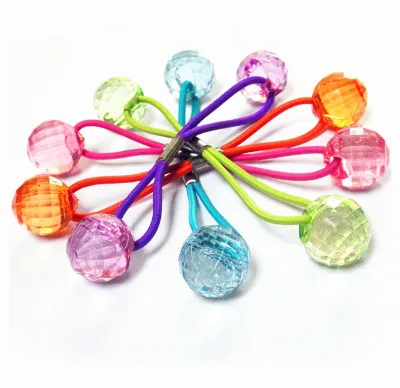
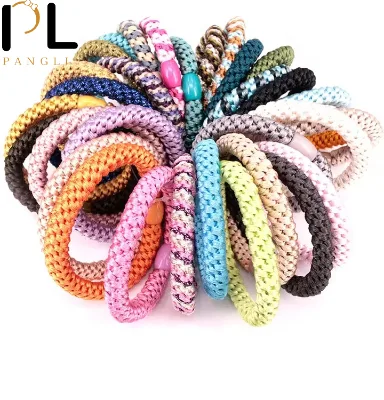
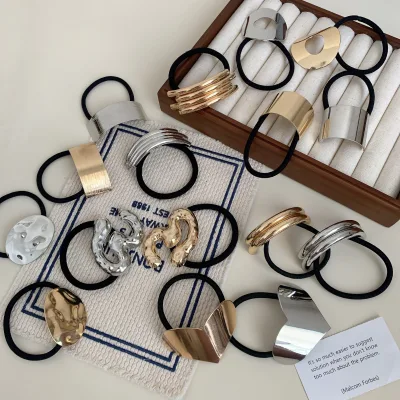
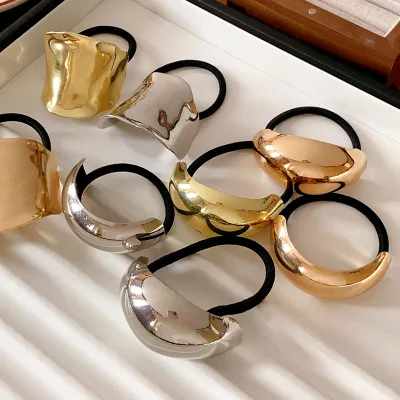
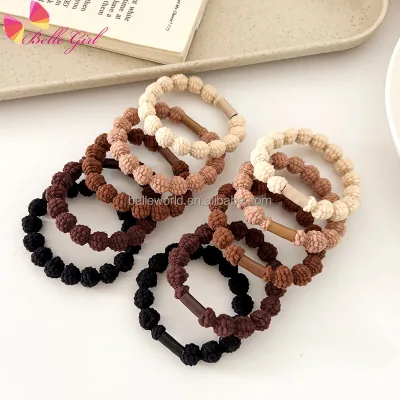
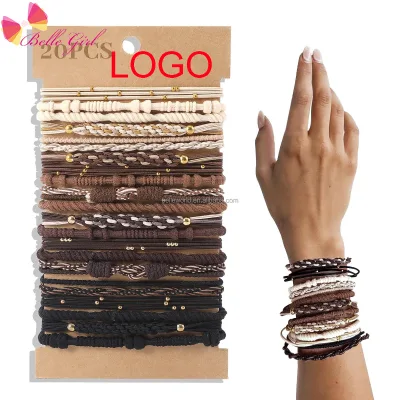
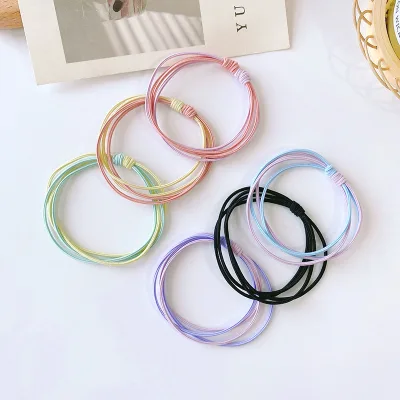
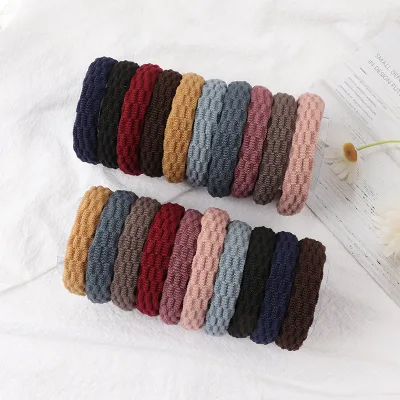
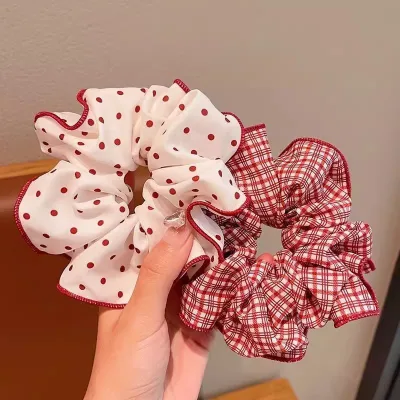
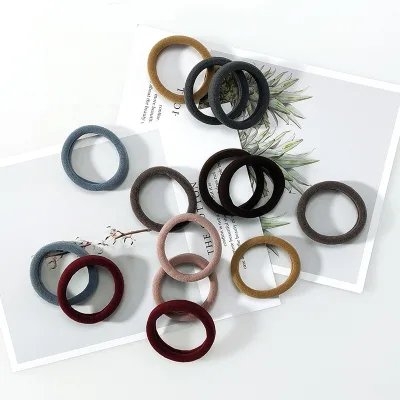
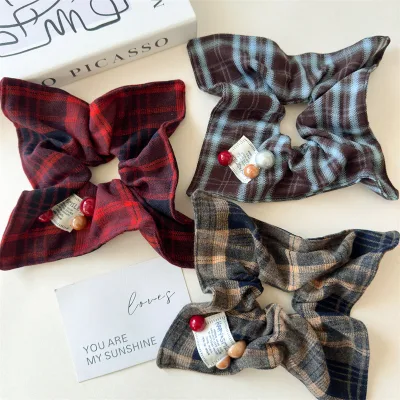
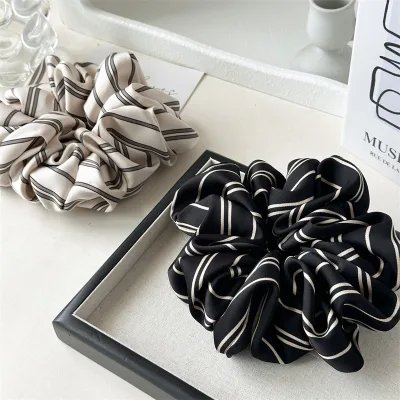
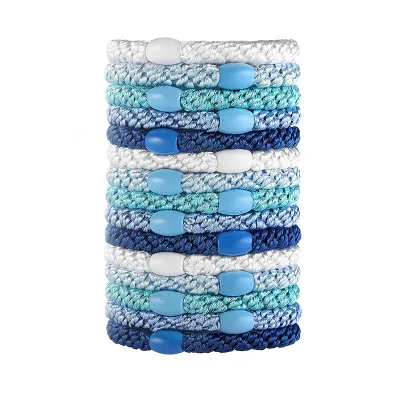


Comprehensive Sourcing Guide
Strategic Sourcing Guide for Ponytail Holders and Hair Bands
The global market for hair accessories, specifically ponytail holders and hair bands, is characterized by high volume, diverse material compositions, and a wide range of customization options. For B2B procurement professionals, sourcing these items requires a disciplined approach that balances cost efficiency with quality assurance. The product category encompasses everything from simple elastic bands to decorative fashion accessories, often involving complex supply chains across manufacturing hubs in China. This guide outlines the critical technical, logistical, and commercial factors buyers must evaluate when sourcing ponytail holders, ensuring decisions are grounded in verifiable data rather than marketing claims.
Technical Specifications and Material Composition
Understanding the physical and chemical properties of the product is the first step in defining a successful procurement strategy. The core functionality of a ponytail holder relies on its elasticity and tensile strength, which are directly influenced by the material blend. Market observations indicate a divergence in material composition based on the intended price point and target demographic.
Standard products often utilize a blend of Polyester, Nylon, and Spandex, sometimes combined with Rubber to achieve the necessary stretch. For instance, specific listings highlight materials such as "Polyester, Nylon and Spandex, Rubber" or "Spandex, rubber bands," indicating that the core elastic component is frequently rubber-based, wrapped or reinforced with synthetic fibers. This combination ensures the band can hold hair securely without snapping or losing elasticity over time.
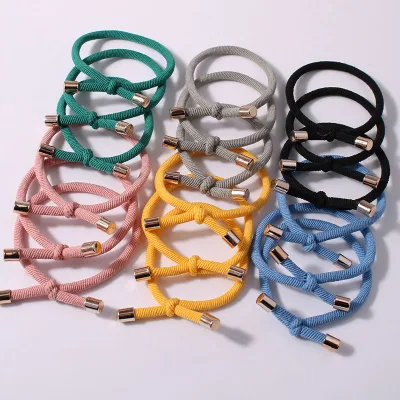
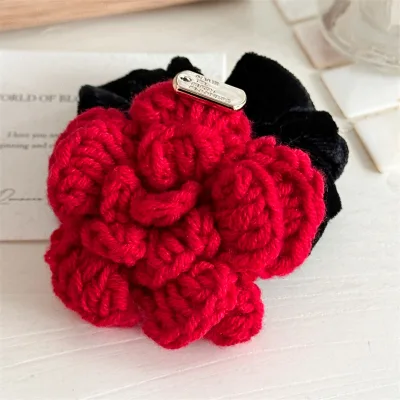
In contrast, fashion-oriented variants may incorporate additional elements. Some products feature "METAL" elements or "Alloy" components, suggesting a shift from purely functional utility to decorative styling. The physical dimensions are equally critical. Sourcing data reveals a range of sizes, with widths varying from 4mm to unspecified dimensions based on custom requests. Diameters are typically standardized around 5cm to 5.5cm for single-unit packaging, though bulk orders often allow for customization.
Buyers must verify the specific dimensions against their end-user requirements. A product with a 4mm width and 5cm diameter serves a different market segment than a 6cm diameter band with metal accents. The single package size also varies significantly, ranging from compact 6.0x5.0x2.0 cm units to larger 10x2x2 cm configurations, which directly impacts logistics and storage costs.
Compliance, Certification, and Safety Standards
While the provided product data does not explicitly list specific certification bodies or test results, the nature of hair accessories necessitates rigorous safety compliance. Products intended for "Women, Girl, Lady" demographics must adhere to strict safety standards regarding chemical content and physical hazards.
For items containing "Alloy" or "METAL" elements, heavy metal migration limits (such as lead, cadmium, and nickel) are a primary concern. Buyers should verify that suppliers can provide test reports confirming compliance with relevant regional standards, such as the European EN71 or the American ASTM F963, though specific certification status must be confirmed on a per-supplier basis. Similarly, products marketed as "Eco-friendly" require substantiation. This claim often implies the use of non-toxic dyes or recycled materials, but without a specific certification document, this remains an observation rather than a verified fact.
The "OEM/ODM" availability listed in several product profiles suggests that customization is a standard industry practice. However, customization introduces new compliance variables. When a buyer requests a specific color code (e.g., "Watermelon Red" or specific numeric codes like #1, #2, #3) or a unique material blend, the supplier must ensure the new formulation meets all safety regulations for the target market. Buyers should explicitly request Material Safety Data Sheets (MSDS) and third-party lab test results before finalizing orders, particularly for products destined for children or sensitive skin markets.
Cost Drivers and Pricing Dynamics
The pricing structure for ponytail holders is influenced by a complex interplay of material costs, order volume, and customization requirements. The observed price range in the market spans from $0.09 to $5.71 USD per unit. This wide variance is not arbitrary; it reflects the differences in material quality, design complexity, and order quantity.
The Minimum Order Quantity (MOQ) is a significant driver of unit cost. Data indicates an MOQ range from as low as 2 pieces to as high as 3,000 pieces. A buyer ordering 3,000 pieces of a standard polyester band will likely achieve a price point near the lower end of the spectrum, whereas a buyer requesting a small batch of 2 pieces with custom metal elements will face a significantly higher unit cost. The "Free sample in stock" or "Free sample" policies observed in the market can help mitigate initial costs, allowing buyers to evaluate quality before committing to large volumes.
Other cost drivers include the complexity of the packaging. Products with a "Single package size" of 10x2x2 cm incur higher shipping and packaging costs compared to those in 6x5x2 cm boxes. Furthermore, the inclusion of "METAL" or "Alloy" elements increases the raw material cost and the weight of the product, which is a factor in freight calculations. The "Single gross weight" of 0.005 kg to 0.025 kg per unit, while seemingly small, accumulates rapidly in large shipments, affecting total landed costs.
Typical Applications and Market Segmentation
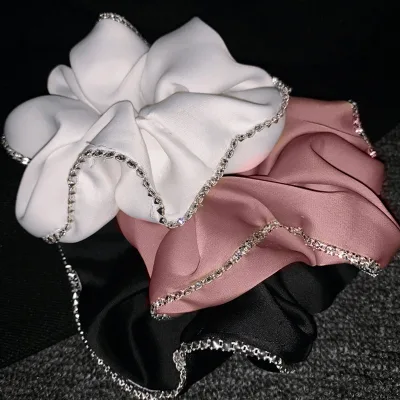
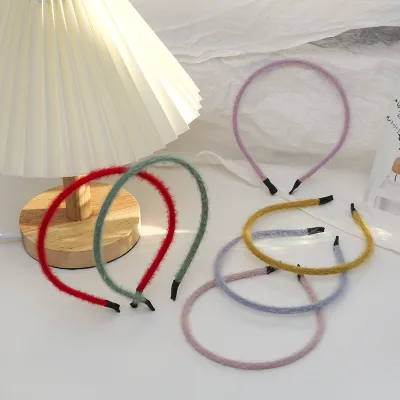
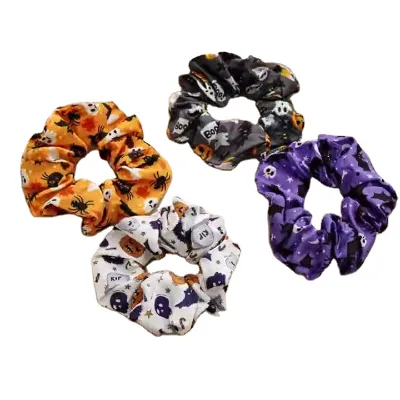
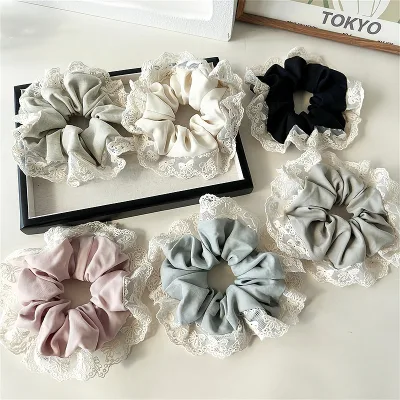
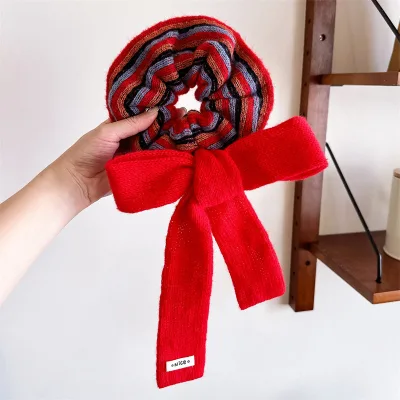
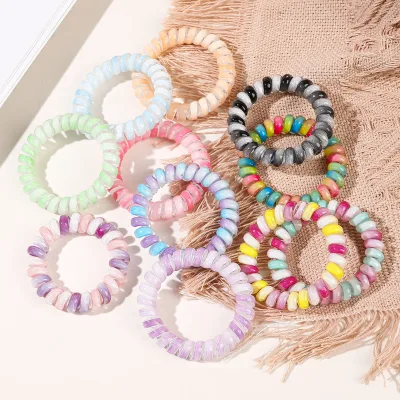
The application of ponytail holders extends beyond basic utility into fashion and specific occasions. The market data identifies distinct segments based on style and usage. "Fashion" and "European and American Style" indicate a focus on aesthetic appeal, targeting consumers who view hair accessories as a key component of their outfit. These products often feature vibrant colors like "Purple, Yellow, Watermelon Red, Fluorescent Green" or specific numeric color codes, catering to trend-driven markets.
Conversely, products labeled with "Usage: Girl Hair Decoration" or "Occasion: Festival, Daily" suggest a broader, more functional appeal. These items are designed for everyday wear and special events, requiring durability and comfort. The "Elastic" and "High Elastic" features are critical for these applications, ensuring the band does not damage hair or cause discomfort during extended wear.
The "Gender" specification of "Women Girl Lady" highlights the primary target demographic, but the versatility of the product allows for unisex or specific age-group targeting depending on the design. For example, a simple rubber band might be suitable for all ages, while a decorative band with metal elements might be targeted specifically at adult women or teenagers. Understanding these nuances helps buyers align their procurement with the specific needs of their retail channels or corporate clients.
Supplier Evaluation and Geographic Considerations
Geographic origin plays a pivotal role in supplier evaluation. The observed data points to three primary manufacturing hubs in China: Guangdong, Fujian, and Zhejiang. Each region may have different specializations and supply chain efficiencies. Guangdong is often associated with a high volume of electronics and general manufacturing, while Zhejiang and Fujian are known for textile and accessory production.
When evaluating suppliers, buyers should look beyond the "Place of Origin" and assess the supplier's capacity for "OEM/ODM" services. The availability of "Free sample" options is a strong indicator of a supplier's confidence in their product quality and their willingness to engage in the procurement process. However, the "Delivery time" of 25-30 days is a critical factor in supply chain planning. Buyers must ensure that this lead time aligns with their inventory requirements and that the supplier has a track record of meeting these deadlines consistently.
The "Brand Name" listed on product pages, such as "YS," "HAOYU," "Yiyuan," or "PL," indicates the level of brand ownership. Some suppliers may offer private labeling, allowing buyers to apply their own brand to the product. This is a crucial consideration for buyers looking to build a distinct brand identity in the market. Buyers should verify the supplier's ability to handle branding requirements without compromising the product's integrity or safety standards.
Quality Control and Long-Term Procurement Strategy
Ensuring consistent quality is paramount in the hair accessory market. The "Feature" attributes such as "Elastic" and "High Elastic" must be verified through physical testing. Buyers should implement a quality control protocol that includes checking the tensile strength of the bands, the durability of the color fastness, and the integrity of any metal or alloy components. The "Single gross weight" and "Single package size" should also be monitored to ensure consistency across batches, as variations can indicate production inconsistencies.
For long-term procurement, building a relationship with a reliable supplier is essential. The "MOQ" flexibility observed in the market (ranging from 2 to 3,000 pieces) suggests that some suppliers are willing to accommodate smaller orders, which can be beneficial for testing new markets or managing cash flow. However, for established demand, larger orders often yield better pricing and priority in production scheduling.
Buyers should also consider the "Style" and "Color" trends. The market offers a wide array of colors, from specific shades like "Fluorescent Green" to numeric codes that may represent specific Pantone or industry-standard colors. Staying ahead of fashion trends requires a supplier who can quickly adapt to new color requests and design changes. The "OEM/ODM: Available" and "Acceptatble" flags indicate that suppliers are generally open to customization, but the buyer must clearly communicate their requirements to avoid misunderstandings.
In conclusion, sourcing ponytail holders and hair bands requires a meticulous approach that integrates technical specifications, compliance checks, cost analysis, and supplier evaluation. By focusing on the verified attributes of the products and maintaining a disciplined procurement process, buyers can navigate the complexities of this market effectively. The key lies in balancing the desire for low costs with the necessity of high quality and reliable delivery, ensuring that the final product meets the expectations of the end consumer.
FAQs
What materials are used for ponytail holder hair bands?
Materials typically include polyester, nylon, spandex, rubber, and sometimes alloy or metal elements. Specific listings show blends like polyester with rubber or spandex, while fashion variants may incorporate metal components for decoration.
How many pieces are required for a minimum order?
Minimum order quantities vary significantly, ranging from as low as 2 pieces to as high as 3,000 pieces depending on the supplier. Buyers should check specific product listings to confirm the exact MOQ before placing an order.
Where are these hair bands manufactured?
Products originate from manufacturing hubs in China, specifically Guangdong, Fujian, and Zhejiang provinces. The place of origin affects logistics and supply chain efficiency for international buyers sourcing these accessories.
Can buyers get free samples before ordering?
Yes, many suppliers offer free samples that are available in stock or provided upon request. This allows buyers to verify quality and specifications before committing to larger purchase volumes.
What is the typical delivery time for orders?
Standard delivery times generally range from 25 to 30 days after order confirmation. Buyers must account for this lead time when planning inventory replenishment and managing supply chain schedules.
Are custom sizes and colors available?
Customization is widely available, with options for specific widths, diameters, and color codes like purple or fluorescent green. Suppliers often accept OEM and ODM requests for tailored product dimensions and branding.
What is the price range for these items?
Unit prices observed in the market range from 0.09 to 5.71 USD, influenced by material and order volume. Lower prices typically correlate with higher minimum order quantities and standard material compositions.