Source Popsicle Mold Options for Home, Party, and Retail Use
Explore 30 listings for popsicle mold products suitable for home freezing, party serving, and retail packaging. Compare silicone materials, FDA certifications, and custom logo options to find the right supplier for your needs; compare the available evidence and request quotations based on your requirements.
Key considerations
Products List





Comprehensive Sourcing Guide
Popsicle Mold Sourcing Guide
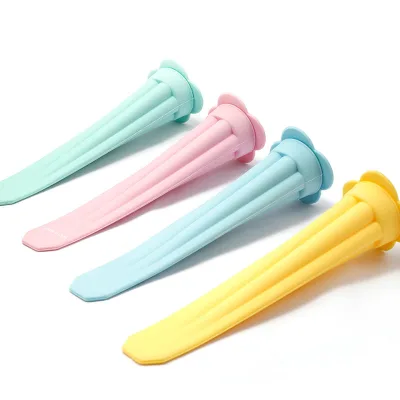
Buyers evaluating the market for popsicle molds must first distinguish between single-unit consumer tools and bulk industrial equipment. The observed product range includes specific models like OFFA1063 and KG23038, which are explicitly designed for making popsicles using silicone rubber materials. These items typically feature a rectangular shape and come with covers to ensure proper freezing and structural integrity during the manufacturing process.
Procurement decisions should also account for the significant variation in packaging and dimensions found across listings. While some units arrive in single OPP bags or bulk cartons, others are shipped in wooden cases with dimensions reaching 6806101050mm. This disparity indicates that buyers must clearly define whether they require small-batch retail packaging or large-scale industrial delivery to avoid logistical mismatches and unexpected shipping costs.
Product Scope and Observed Listing Signals
The core product category centers on silicone rubber molds designed for creating frozen treats, with specific attributes like medium softness and a non-disposable nature. Listings frequently highlight customization options, including the ability to add custom logos and accept OEM or ODM service requests. This flexibility allows brands to tailor the product appearance and functionality to their specific market needs without altering the fundamental utility of the mold.
Buyers should note that the observed listings present a wide spectrum of physical specifications, ranging from compact sizes like 10.0 x 10.0 x 3.0 CM to larger industrial units. The presence of models with varying capacities, such as those under 1 Liter, suggests that sourcing strategies must align with the intended production volume. Understanding these physical differences is critical for selecting the right tool for either home-based production or commercial ice cream manufacturing lines.
Technical Specifications to Verify
When assessing technical requirements, the material composition is a primary verification point, with silicone rubber being the dominant standard observed in the supply chain. Buyers must confirm that the hardness level, often described as medium soft, aligns with the desired demolding characteristics for their specific recipes. Additionally, the shape is consistently rectangular, but the exact dimensions and capacity must be validated against the specific model numbers like OT20678 or CY80-2 to ensure compatibility with existing freezing equipment.
Packaging standards vary significantly between suppliers, ranging from simple OPP bags to complex wooden cases and bulk cartons. It is essential to verify the packing configuration, such as 1PC/OPP or 30PCS/Carton, to ensure it meets the destination market's retail or industrial requirements. Furthermore, the presence of a cover feature on the molds is a critical functional specification that prevents contamination and ensures uniform freezing, which must be confirmed for every unit ordered.
Compliance and Safety Documentation
Safety compliance is a non-negotiable aspect of sourcing food-contact equipment, and the observed listings frequently cite FDA and LFGB certifications. These standards indicate that the silicone rubber materials used in the molds are safe for direct contact with food products, a requirement for any commercial operation selling frozen treats. Buyers must request current certification documents to verify that the specific batch of molds meets these rigorous safety thresholds before finalizing any purchase agreement.
In addition to food safety, certain listings also reference CE/EU certification, which is vital for suppliers targeting the European market. The presence of these certifications suggests that the manufacturers adhere to broader international safety and quality frameworks. However, buyers should not assume all listed products carry every certification; instead, they must explicitly verify which standards apply to the specific model number and origin location, such as those from Zhejiang or Jiangsu, to ensure regulatory compliance in their target regions.
Cost Drivers and Commercial Terms
Pricing in this category exhibits a broad range, observed from as low as 0.01 USD to over 5800 USD, driven largely by the scale of production and the complexity of the mold design. The variation in cost is often linked to the customization level, such as the inclusion of custom logos or specific OEM branding services. Buyers must understand that lower unit prices may correspond to standard, non-branded items, while higher costs reflect specialized engineering, custom packaging, or larger industrial-grade units.
Commercial terms are heavily influenced by the Minimum Order Quantity (MOQ), which ranges from 1 to 1000 units depending on the supplier and product model. Customization services like logo printing and ODM capabilities often require higher MOQs to justify the setup costs for the manufacturer. Procurement teams should negotiate these terms carefully, balancing the need for brand customization against the financial constraints of the initial order volume to optimize the overall cost structure.
Supplier Qualification and Quality Control
Supplier qualification should begin with verifying the origin of the products, as the majority of listings indicate manufacturing in China, with specific hubs in Shenzhen, Zhejiang, and Jiangsu. Buyers must assess the supplier's capability to handle both small orders and large-scale production, given the wide range of observed MOQs. It is also crucial to confirm the supplier's ability to provide consistent quality control, especially when dealing with custom models that may have unique dimensional tolerances.
Quality control processes must include a rigorous check of the product's physical attributes, such as the weight and specific dimensions listed for each model. For instance, verifying that a unit weighs approximately 0.0950 Kg and matches the stated size of 17.38.92.2cm ensures that the delivered goods match the technical specifications. Buyers should also inspect the packaging integrity, ensuring that items like the "One OPP Bag" or "Carton" packaging protect the molds from damage during transit.
Long-Term Procurement Checks
Establishing a long-term partnership requires ongoing verification of the supplier's ability to maintain consistent certification status and material quality over time. Buyers should schedule periodic audits to ensure that the FDA, LFGB, and CE/EU certifications remain valid and that the silicone rubber material continues to meet safety standards. This proactive approach helps mitigate the risk of supply chain disruptions or regulatory non-compliance that could arise from changes in manufacturing processes or raw material sources.
Finally, buyers must monitor the stability of the product specifications and packaging standards to ensure they remain aligned with market expectations. As the product line evolves, changes in model numbers or dimensions, such as shifts from 10.0 x 10.0 x 3.0 CM to larger industrial sizes, must be communicated and validated. Regular reviews of the supplier's performance regarding lead times, customization accuracy, and adherence to the agreed-upon commercial terms will ensure a sustainable and reliable procurement relationship.
FAQs
What material are these popsicle molds made from?
These popsicle molds are crafted from high-quality silicone rubber, ensuring flexibility and durability for repeated use. The material is non-disposable and designed to withstand freezing temperatures without cracking. This composition allows for easy release of frozen treats while maintaining the integrity of the mold shape over time.
Can I customize the logo on the popsicle molds?
Yes, customization is available for these popsicle molds, including logo printing options. Buyers can request custom logos to brand their products effectively. The service supports both ODM and OEM requirements, allowing businesses to tailor the appearance to match their specific branding guidelines and marketing strategies.
What certifications do these silicone popsicle molds hold?
These silicone popsicle molds hold FDA and LFGB certifications, ensuring they meet strict food safety standards. Some variants also carry CE/EU certification. These credentials verify that the materials are safe for direct contact with food, providing assurance for manufacturers and consumers regarding product safety and regulatory compliance.
What is the typical packaging for these popsicle molds?
The typical packaging includes individual OPP bags, with thirty pieces packed into one carton. Some items may come in bulk packing or boxes depending on the specific model. This standardized packaging ensures safe transport and storage, protecting the molds from damage while facilitating efficient inventory management for bulk buyers.
Are these popsicle molds suitable for commercial use?
Yes, these popsicle molds are suitable for commercial use due to their durable silicone rubber construction. They are non-disposable and designed for repeated cycles of freezing and release. With options for custom branding and various sizes, they meet the demands of ice cream makers and food producers seeking reliable equipment.
What is the origin of these popsicle molds?
These popsicle molds originate from China, with manufacturing locations including Shenzhen, Zhejiang, and Jiangsu. The diverse sourcing regions allow for varied production capabilities and logistics options. Buyers can select suppliers based on specific regional advantages, ensuring access to high-quality silicone products with reliable supply chain support for global distribution.