Source Portable 6000K Ceiling Led Lights for hotels, offices, and homes
Find 30 Portable 6000K Ceiling Led Lights from verified Chinese manufacturers. Compare models like OMB821103 and FS1013 with varying wattages, certifications, and customization options for hotel, office, and home decoration projects; compare the available evidence and request quotations based on your requirements.
Updated
Key considerations
Products List


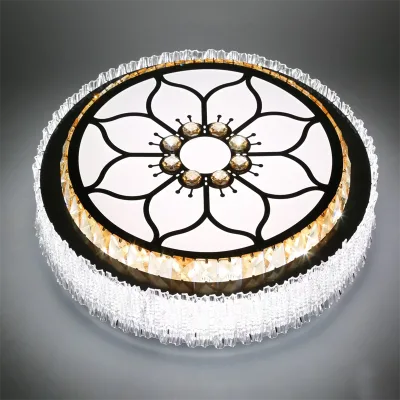


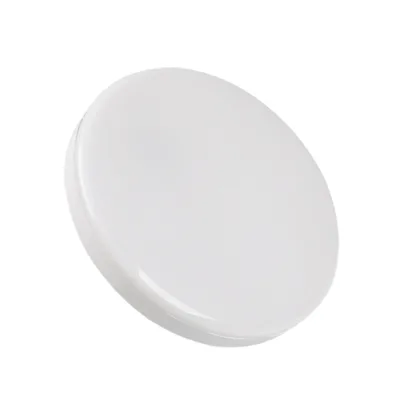
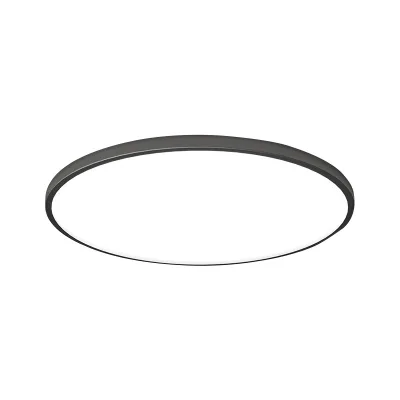
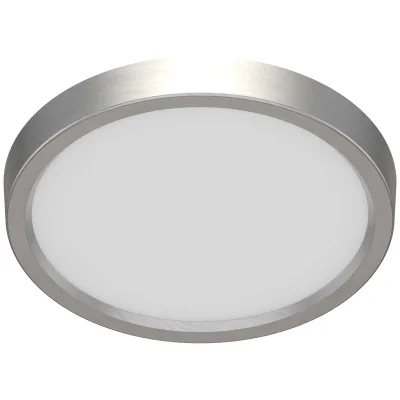


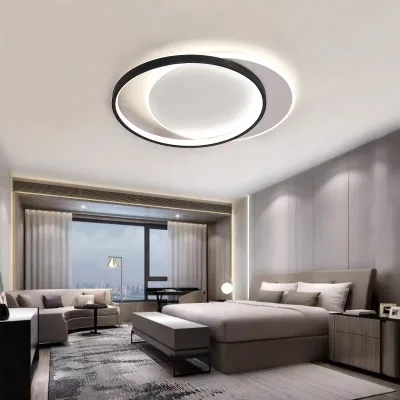
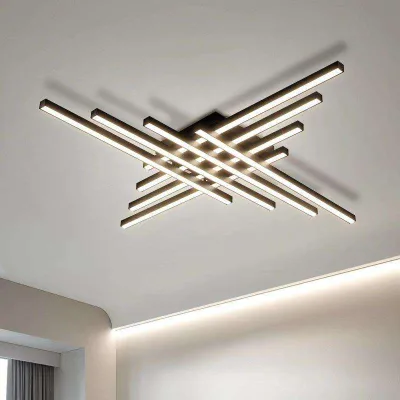
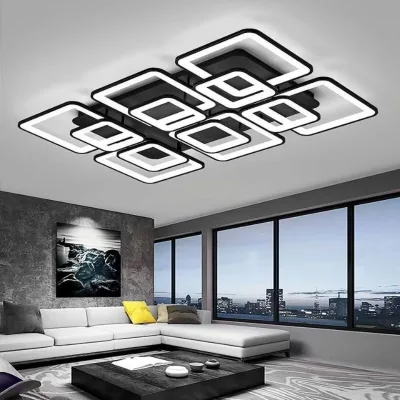
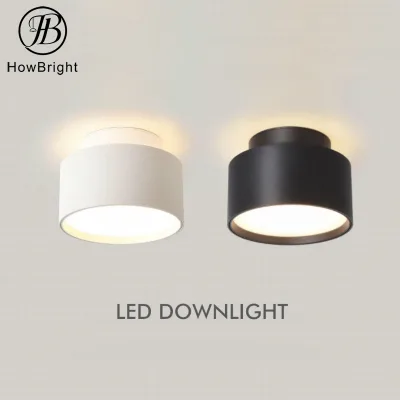


Comprehensive Sourcing Guide
Portable 6000K Ceiling Led Lights Sourcing Guide
Sourcing portable ceiling lighting with a specific 6000K color temperature requires careful alignment with available inventory, as observed listings frequently feature 3000K, 4000K, or 5000K options. Buyers must verify if the 6000K variant is a standard stock item or a customization request, as many suppliers offer adjustable color temperatures or specific Kelvin selections upon order. The observed market shows a wide price range from $0.58 to $260, indicating significant variation in build quality, LED chip grade, and driver efficiency. Procurement teams should prioritize suppliers who explicitly confirm the availability of 6000K output, as this cooler tone is often associated with commercial or high-visibility environments rather than residential warmth.
The term "portable" in ceiling lighting often implies modular, lightweight, or easily installable fixtures rather than battery-operated units, given that most observed products require AC input voltage between 100-240V. Buyers should clarify whether the product is a fixed ceiling mount or a detachable pendant style that allows for temporary placement. Observed models like the FS series and OM series suggest a focus on modern design with iron or aluminum frames, which impacts the perceived portability and durability. Understanding the installation method is critical, as ceiling fixtures generally require hardwiring or specific mounting hardware, distinguishing them from truly mobile lighting solutions.
Product Scope and Observed Listing Signals
The observed product catalog includes a diverse range of ceiling fixtures, with models such as OMB821103, OM820818, and various FS series items like FS1013 and FS1083. These products typically feature LED light sources with power ratings ranging from 9W to 20W, utilizing chips from brands like CREE or Bridgelux for consistent performance. The frame materials are predominantly iron or aluminum, often finished in colors like bronze, which contributes to a modern aesthetic suitable for hotels and decorative rooms. Buyers should note that crystal elements are often customizable, allowing for tailored visual appeal while maintaining the structural integrity of the fixture.
Shipping and packaging details indicate that these fixtures are designed for international trade, with standard export packaging ensuring protection during transit by express courier, air, or sea. The observed MOQ of 30 pieces suggests that these are B2B-oriented products, requiring bulk purchasing rather than single-unit acquisition. Suppliers offer OEM and ODM services, meaning buyers can request specific dimensions, such as the 65H75mm or 180H126mm standards observed, to fit their architectural requirements. This flexibility is crucial for procurement teams managing large-scale projects where uniformity and specific design constraints are paramount.
Technical Specifications to Verify
When evaluating ceiling lights, the input voltage and current type are critical technical parameters to verify. Most observed products operate on AC electric current with an input voltage range of 100-240V, ensuring compatibility with global power grids. However, some models may specify DC power sources, which requires careful verification of the included driver or transformer. Buyers must confirm the power factor, with observed values around 0.9, indicating efficient energy usage. Additionally, the LED life expectancy is often cited as 30,000 hours, a key metric for calculating total cost of ownership and maintenance intervals in commercial settings.
The diffuser material and emitting color are also essential technical details. Polycarbonate diffusers are commonly used to ensure even light distribution and durability against impact. While many listings specify white emitting colors, buyers seeking 6000K cool white light must explicitly confirm this specification, as standard offerings may default to warmer tones. The power consumption, ranging from 9W to 15W for smaller units, should be matched against the desired lumen output to ensure adequate illumination. Verifying these specifications prevents mismatches between expected performance and actual product delivery, especially when customizing voltage or crystal elements.
Compliance and Safety Documentation
Certification requirements vary significantly across suppliers, with observed products holding standards such as CE, RoHS, EMC, LVD, and CCC. Buyers must ensure that the specific 6000K model possesses the necessary certifications for their target market, as some listings include SAA certification, which is critical for Australian compliance. The presence of multiple certifications like EMC and LVD indicates robust electromagnetic compatibility and low voltage directive adherence, reducing the risk of interference or safety hazards. Procurement teams should request valid test reports and certificates for each batch to ensure ongoing compliance with local regulations.
Warranty and guarantee terms are another vital aspect of compliance and risk management. Observed products often come with a 2-year guarantee, providing a baseline for after-sales support. Buyers should verify the scope of this warranty, including coverage for LED chips, drivers, and structural components. Additionally, the inclusion of spare parts, such as a 3% crystal spare, demonstrates supplier confidence in product quality and aids in maintenance. Understanding the trade terms, such as EXW, FOB, CIF, or CFR, is also essential for determining liability and responsibility for any compliance-related issues during transit.
Cost Drivers and Commercial Terms
The price range of $0.58 to $260 reflects significant variations in material quality, LED chip grade, and design complexity. Factors such as the use of aluminum versus iron frames, the inclusion of custom crystals, and the brand of LED chips directly influence the unit cost. Buyers should analyze the cost per watt and the longevity of the LED components to determine the true value of each option. Customization options, including voltage adjustments and specific color temperatures, may incur additional fees, so it is important to clarify all potential extra costs upfront.
Commercial terms and MOQs play a crucial role in the overall procurement strategy. The observed MOQ of 30 pieces sets a minimum entry point for orders, which may impact inventory management for smaller buyers. Trade terms like EXW, FOB, CIF, and CFR define the point at which risk and cost transfer from the supplier to the buyer. Understanding these terms helps in calculating the landed cost, including shipping and insurance. Buyers should negotiate based on volume commitments and long-term partnership potential to secure more favorable pricing and flexible payment terms.
Supplier Qualification and Quality Control
Supplier location and manufacturing capabilities are key indicators of reliability. Many observed suppliers are based in Guzhen Town, Zhongshan City, China, a hub for lighting manufacturing known for its supply chain efficiency. Buyers should verify the factory's production capacity and quality control processes to ensure consistent output. OEM and ODM services indicate that suppliers can adapt to specific design requirements, but this requires clear communication and detailed technical specifications. Establishing a strong relationship with the supplier can facilitate better support for custom orders and quicker resolution of any issues.
Quality control measures should include pre-shipment inspections and verification of packaging standards. The observed standard export packaging, typically 1 piece per carton, is designed to protect the fixtures during transit. Buyers should request samples to test the actual color temperature, brightness, and build quality before placing large orders. Additionally, verifying the supplier's ability to provide spare parts, such as the 3% crystal spare mentioned, ensures long-term maintainability. A supplier with a robust quality control system will provide consistent products that meet the specified technical and aesthetic requirements.
Long-Term Procurement Checks
Long-term success in sourcing ceiling lights depends on ongoing performance monitoring and supplier evaluation. Buyers should track the actual lifespan of the LEDs and the frequency of failures to assess the reliability of the products. The observed 30,000-hour life expectancy should be validated through real-world usage data. Regular audits of the supplier's quality control processes and certification status are essential to maintain compliance and product integrity. Building a history of performance data helps in making informed decisions for future procurement cycles.
Sustainability and energy efficiency are increasingly important factors in long-term procurement. The observed power ratings and LED chip technologies suggest a focus on energy-efficient solutions. Buyers should consider the environmental impact of the materials used, such as the recyclability of aluminum and iron frames. Additionally, the availability of customization options allows for future adaptations to changing design trends or regulatory requirements. Maintaining a flexible procurement strategy ensures that the organization can respond to market changes while continuing to receive high-quality, compliant lighting solutions.
FAQs
Can I customize the color temperature for Portable 6000K Ceiling Led Lights?
Yes, customization is available for voltage and other specifications. While 6000k is a common option, you can request 3000K, 4000K, or 5000K. The factory supports OEM and ODM services to tailor the product to your specific requirements. This ensures the lighting matches your exact design needs and application context.
What certifications do these Portable 6000K Ceiling Led Lights have?
These lights typically hold CE, RoHS, EMC, LVD, and CCC certifications. Some models also feature SAA certification. These standards ensure compliance with international safety and environmental regulations. Buyers can verify specific certifications based on the product model, such as FS1013 or OM820818, to meet local market entry requirements.
What is the minimum order quantity for these Portable 6000K Ceiling Led Lights?
The standard minimum order quantity is 30 pieces. However, observed MOQs range from 1 to 300 units depending on the supplier and customization level. This flexibility allows small buyers to test the market while supporting larger bulk orders. Always confirm the exact MOQ with the manufacturer before placing an order.
How are these Portable 6000K Ceiling Led Lights packaged and shipped?
Products are packed in standard export packaging, usually one piece per carton. Shipping options include express courier, air freight, or sea freight. Trade terms like EXW, FOB, CIF, and CFR are available. This ensures safe delivery and flexible logistics choices for international buyers sourcing from China.
What materials are used in the frame of these Portable 6000K Ceiling Led Lights?
Frames are commonly made from iron or aluminum. Some models feature bronze frame colors with modern styles. Crystal elements can also be customized. These durable materials ensure structural integrity and aesthetic appeal. The choice of material depends on the specific product model and design requirements selected by the buyer.