Source Dishwasher Safe Alloy Chopsticks for Dining, Party, and Presents
Explore 30 listings for Dishwasher Safe Alloy Chopsticks suitable for dining, parties, and gifting occasions. Buyers can compare features like eco-friendly design, customized logos, and varying package sizes from suppliers in China.
Key considerations
Products List
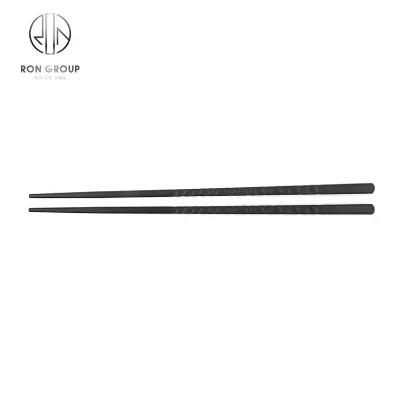
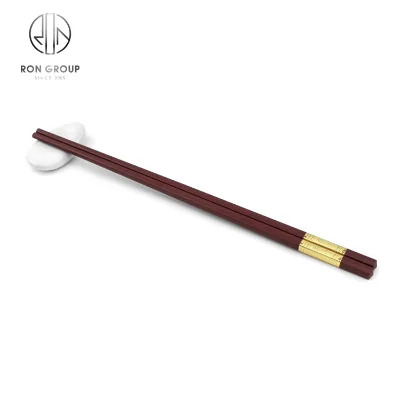
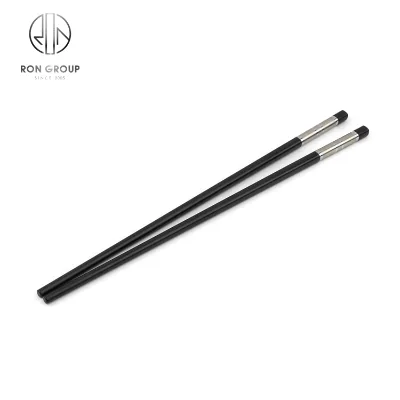
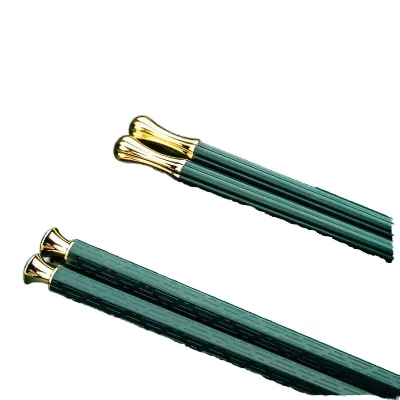
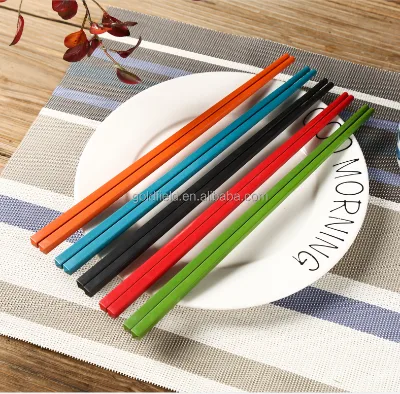
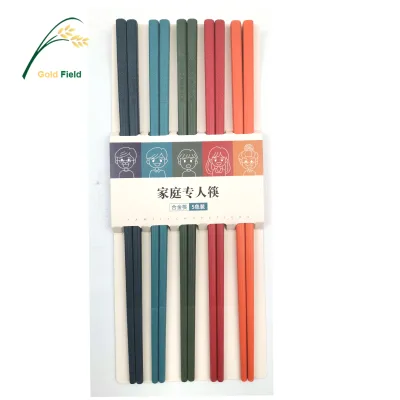
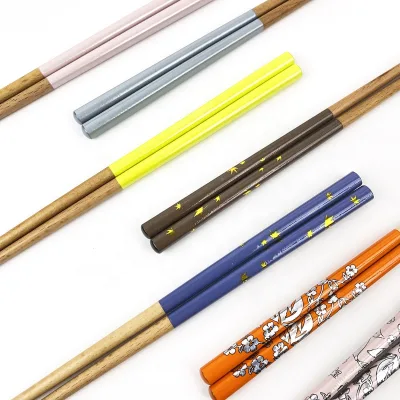
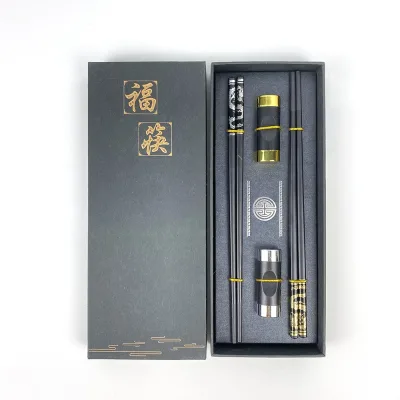
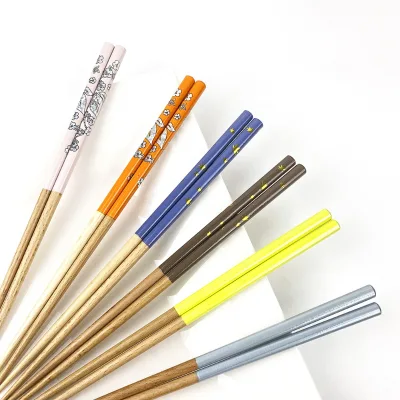


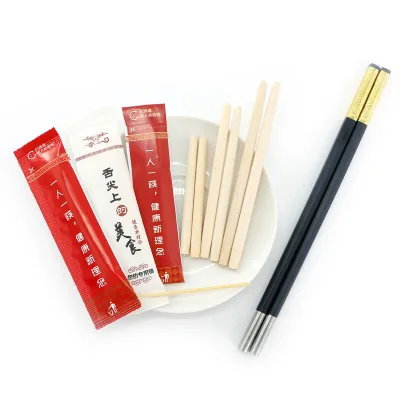
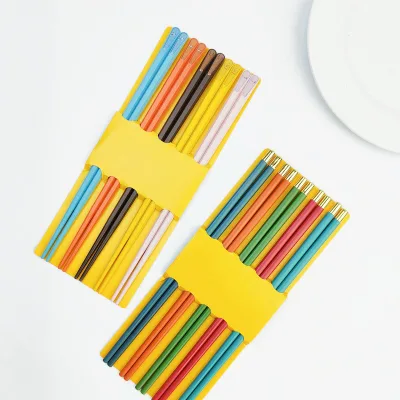
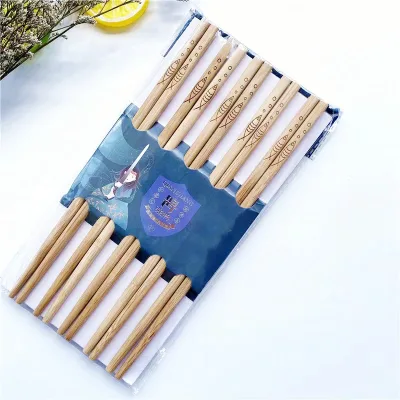

Natural Healthy Dishwasher Safe Chinese Bamboo Chopsticks for Restaurants
$0.01 - $0.01
MOQ: 100000 Pieces

Chinese Classic Style Natural Healthy Bamboo Chopsticks for Kitchen Noodles
$0.01 - $0.01
MOQ: 100000 Pieces


Disposable Bamboo Sousei Chopsticks with Personalized Paper Sleeve Hot Sale
$20.00 - $35.00
MOQ: 50 Boxes


High Quality Customizable Bulk Cheap Japanese and Korean Printing Reusable Bamboo
$0.03 - $0.30
MOQ: 2000 Pairs

Wholesale Reusable Chinese Wooden Cooking Eating Dishwasher Safe Natural Health Chopsticks
$0.40 - $0.42
MOQ: 2500 Pieces


Comprehensive Sourcing Guide
Sourcing Guide for Dishwasher Safe Alloy Chopsticks
Understanding Material Composition and Durability Claims
When sourcing alloy chopsticks, the primary differentiator from traditional wood or bamboo alternatives lies in the metallic composition and its resistance to environmental stressors. The core keyword "dishwasher safe" implies a specific engineering requirement where the material must withstand high-temperature water cycles, harsh detergents, and mechanical agitation without corroding, warping, or losing structural integrity. In the context of available market data, alloy is frequently cited as a primary material for these items, often paired with surface treatments designed to enhance longevity. The observed specifications indicate that these products are engineered for repeated use, distinguishing them from disposable alternatives.
The durability of alloy chopsticks is often linked to the specific alloy used, which may include stainless steel or other metal composites. While specific alloy grades are not universally standardized in all product listings, the attribute "Durable" is a common observation for this category. Buyers must verify that the "dishwasher safe" claim is not merely a marketing term but is backed by the material's resistance to oxidation and corrosion. The surface finish, described as "Smooth" in several product observations, plays a critical role in this durability. A smooth surface prevents food residue from adhering to the metal, facilitating easier cleaning and reducing the risk of bacterial buildup during the dishwasher cycle.
Furthermore, the structural integrity of the chopsticks is influenced by their weight and dimensions. Observed data suggests a weight per set of approximately 220 grams for certain configurations, indicating a substantial build quality that resists bending or breaking under normal dining pressure. The single gross weight of individual units varies, with some listings noting a weight of 0.045 kg, while others indicate a heavier 0.35 kg per package, suggesting variations in packaging density or the inclusion of accessories like holders. These physical attributes are essential for buyers to assess whether the product meets the tactile expectations of a luxury or high-end dining experience.
Technical Specifications and Dimensional Standards
Technical specifications are the backbone of any procurement decision, particularly when dealing with metal tableware that must fit specific ergonomic and functional requirements. The length of the chopsticks is a critical dimension, with observed ranges extending from 18 cm to 25 cm. A length of 25 cm is frequently noted, which is standard for serving chopsticks or those designed for heavier dining styles. Conversely, shorter lengths around 18 cm may be intended for specific household or bar applications. The thickness of the chopsticks, observed in ranges of 4.5 mm to 5.5 mm, directly impacts the grip and the force required to manipulate food. Thicker profiles generally offer better leverage but may feel heavier to the user.
Packaging dimensions are equally vital for logistics and storage planning. Product data indicates single package sizes ranging from 27x11x2.5 cm to 28x10x3 cm. These dimensions suggest a compact design that optimizes shipping volume while protecting the delicate metal surfaces. The inclusion of paper boxes with specific sizes, such as 26.3x10.2x1.8 cm, highlights a trend toward eco-friendly packaging that aligns with the "Eco-Friendly" feature often attributed to these products. Buyers should verify if the packaging includes protective sleeves, such as OPP or PE, to prevent scratches during transit, as the smooth surface finish is a key selling point.
The quantity per set is another variable that requires careful attention. Listings show variations from single pairs to sets containing five pairs, or combinations involving holders. For commercial procurement, the "Packing: 5 pairs per set" configuration is often preferred for restaurant inventory management, ensuring that a standard serving size is maintained. The "Selling Units: Single item" attribute suggests that buyers can also source individual units for sampling or specific replacement needs. Understanding these dimensional and quantity variables is essential for calculating the total cost of ownership, including storage space and shipping logistics.
Compliance, Certification, and Safety Standards
Safety and regulatory compliance are non-negotiable when sourcing food-contact items, especially those intended for dishwasher use where high temperatures and chemical detergents are involved. The market data highlights a robust set of certifications that buyers should look for to ensure product safety. These include CE/EU, CIQ, FDA, LFGB, and EEC certifications. Each of these standards addresses different aspects of food safety and material compliance. For instance, FDA certification is critical for the US market, ensuring that the alloy does not leach harmful substances into food. LFGB is the German standard, often considered one of the most rigorous for food contact materials, while CE/EU indicates compliance with European Union safety directives.
The presence of ISO9001 certification, noted in the context of color and natural finishes, signals that the manufacturer adheres to international quality management standards. This is particularly relevant for buyers seeking consistent quality across large orders. The "Dishwasher safe" claim must be validated against these certifications, as they often encompass testing for thermal stability and chemical resistance. Buyers should request test reports that specifically address the performance of the alloy under dishwasher conditions, including resistance to corrosion from salt and acidic foods.
Additionally, the "Eco-Friendly" feature observed in the product attributes suggests that the manufacturing process and material sourcing may adhere to environmental standards. This is increasingly important for brands aiming to reduce their carbon footprint. The use of recycled alloys or energy-efficient production methods may be part of the compliance framework. However, buyers must verify these claims against the actual certification documents provided by the supplier, as "Eco-Friendly" can be a broad term without specific regulatory backing unless tied to recognized standards.
Cost Drivers and Pricing Dynamics
The pricing of alloy chopsticks is influenced by a complex interplay of material costs, manufacturing processes, and order volume. The observed price range in the market spans from 0 to 35 USD, reflecting the vast diversity in product quality, brand positioning, and order quantities. At the lower end of the spectrum, prices may reflect basic models with minimal customization or smaller order volumes. Conversely, the upper end of the range likely corresponds to luxury-style items with premium finishes, custom branding, and higher certification standards.
The "Luxury" and "Europe" style attributes observed in the product data suggest that design complexity and aesthetic appeal significantly impact cost. Customization options, such as LOGO printing, are noted as "Available" and "Customized Welcome," which typically incurs additional setup and production costs. The MOQ (Minimum Order Quantity) varies widely, from 1 set to 300,000 sets, allowing buyers to scale their orders based on budget and demand. Lower MOQs are ideal for testing the market or for small businesses, while high-volume orders can leverage economies of scale to reduce the unit price.
Material costs are a primary driver, with the alloy composition being a significant factor. The weight of the product, ranging from 0.045 kg to 0.35 kg per unit or set, directly correlates with the amount of raw material used. Heavier, more substantial chopsticks will naturally command a higher price. Additionally, the surface treatment required to achieve a "Smooth" finish and ensure "Dishwasher safe" performance adds to the manufacturing cost. Buyers should consider the total cost of ownership, including shipping, which can be affected by the single package size and weight.
Typical Applications and Usage Scenarios
Alloy chopsticks are versatile tools designed for a wide range of applications, from casual dining to formal events. The "Occasion" attribute lists "Presents" and "Party," indicating their suitability as promotional items or gifts. The "Luxury" style and "Europe" design elements make them particularly appealing for high-end restaurants, hotels, and catering services that aim to provide a premium dining experience. The "Barbecue, Tableware, Dining, Restaurant, Household" usage categories highlight their adaptability across different settings.
In commercial settings, the "Dishwasher safe" feature is a critical advantage for restaurants and cafeterias. It reduces labor costs associated with manual washing and ensures consistent hygiene standards. The durability of the alloy makes them ideal for high-traffic environments where tableware is subjected to frequent use and cleaning cycles. For household use, the aesthetic appeal and ease of maintenance make them a practical alternative to traditional wood or bamboo chopsticks, which can warp or crack over time.
The "Disposable" attribute found in some listings suggests a niche market for single-use alloy chopsticks, although this is less common for metal products. More typically, the focus is on reusable, long-lasting items. The "Customized" nature of these products allows businesses to brand them for specific events or corporate functions, enhancing brand visibility. The "Five pairs" or "One pair" packaging options cater to different distribution needs, from bulk restaurant supply to individual retail sales.
Supplier Evaluation and Quality Control Protocols
Selecting the right supplier is crucial for ensuring the quality and reliability of alloy chopsticks. The "Place of Origin" data points to Guangdong and Fujian, China, as major manufacturing hubs for this product category. These regions are known for their expertise in metalworking and tableware production. Buyers should evaluate suppliers based on their ability to meet the specific certification requirements, such as FDA and LFGB, and their track record in producing "Dishwasher safe" products.
Quality control protocols should be rigorous, focusing on the surface finish, dimensional accuracy, and material integrity. The "Smooth" surface and specific thickness ranges (4.5mm-5.5mm) must be consistently maintained across all units. Buyers should request samples to verify the "Durable" claims and test the chopsticks in a dishwasher to ensure they do not corrode or degrade. The "Sample: Freight Collect" attribute indicates that buyers may need to cover shipping costs for samples, which is a standard practice in B2B procurement.
Supplier transparency is also key. The "Customization: Available" and "LOGO: Customized Welcome" features suggest that suppliers are willing to collaborate on product design. Buyers should assess the supplier's capacity to handle custom orders, including the lead time and the ability to maintain quality during the customization process. The "MOQ: 100 Sets" observation provides a baseline for order size, but buyers should negotiate terms that align with their specific volume needs.
Long-Term Procurement and Strategic Sourcing
Long-term procurement of alloy chopsticks requires a strategic approach that balances cost, quality, and supply chain reliability. The "Eco-Friendly" and "Stocked" attributes suggest that suppliers may offer inventory management solutions, allowing buyers to maintain a steady supply without excessive lead times. The "Advantage: Durable, Dish washer safe" points to a product that offers long-term value, reducing the need for frequent replacements.
Buyers should consider the lifecycle of the product, including its resistance to wear and tear over time. The "Alloy" material, when properly treated, offers superior longevity compared to organic materials. This makes it a cost-effective choice for businesses with high turnover rates. The "Customized" nature of the product allows for brand differentiation, which can be a strategic advantage in competitive markets.
Finally, buyers should monitor market trends and regulatory changes that may impact the sourcing of alloy chopsticks. The "Certification" requirements are likely to evolve, and suppliers must stay compliant with new standards. Building a strong relationship with a reliable supplier can ensure access to the latest innovations and maintain a consistent supply of high-quality products. By focusing on these strategic factors, buyers can secure a sustainable and profitable supply chain for alloy chopsticks.
FAQs
What certifications do Dishwasher Safe Alloy Chopsticks typically have?
These products often carry FDA, LFGB, CE/EU, CIQ, and EEC certifications to ensure food safety. Buyers should verify specific documents to confirm compliance with regional regulations for dishwasher use and material safety.
How long are standard alloy chopsticks available for purchase?
Standard lengths range from 18 cm to 25 cm depending on the model. A 25 cm length is common for serving or heavy dining, while shorter options suit specific household or bar applications.
Can buyers request custom logos on alloy chopsticks?
Yes, customized logos are welcome and available for most orders. This option allows businesses to brand the items for corporate events or promotional purposes, though it may affect the minimum order quantity.
Which packaging options are available for alloy chopsticks?
Packaging includes bulk, full paper wrapped, open paper sleeve, OPP, and PE options. Some sets come in paper boxes measuring approximately 26.3 by 10.2 by 1.8 cm to protect the smooth surface finish.
What is the typical minimum order quantity for these items?
Minimum order quantities vary from 1 set to 300,000 sets depending on the supplier. A common baseline for custom orders is 100 sets, allowing flexibility for both sampling and large-scale procurement.
How heavy are individual sets of alloy chopsticks?
Weight per set is approximately 220 grams, while single gross weights range from 0.045 kg to 0.35 kg. This variation reflects differences in packaging density and the inclusion of accessories like holders.
Where are these alloy chopsticks manufactured?
Manufacturing origins are primarily Guangdong and Fujian in China. These regions are known for metalworking expertise and produce items with smooth surfaces and durable alloy compositions suitable for repeated dishwasher cycles.