Linkable LED Batten Light Suppliers and Manufacturers
Source 20 verified suppliers for Linkable LED Batten Light. Compare locations in China, certifications like ISO 9001, response times, and MOQs. Contact suppliers directly to request quotes and verify production capabilities; review the available evidence before requesting comparable quotations from suitable candidates.
Suppliers List
NINGBO SELLWELL LIGHTING APPLIANCE CO., LTD.
- Trading Company,Manufacturer/Factory
- China Zhejiang
- Lead time30 days
- Avg. response≤ 7h
Main productsSmart LED Light, LED Bulb, LED Filament Lamp Bulb, LED Flood Light, LED Panel Light, LED T5 T8 Tube, LED Wall Light, LED Decorative Bulb, LED Street Light, LED ceiling Light
Main marketsEastern Europe,Western Europe


Linkable LED Batten Light High Quality Square LED Linear Strip Lighting Fixture
$0.98 - $3.64
MOQ: 2000 Pieces


Changzhou D & Y Electrical Lighting Co., Ltd.
- Verified by SGS
- Trading Company,Manufacturer/Factory
- China Jiangsu
- Lead time23 days
- Avg. response≤ 23h
Main productsLED Ceiling Light, LED Tri-Proof Light, LED Buikhead Light, LED Integration Light, LED Batten Light, LED Tunnel Light, LED Emergency Light, LED Panel Light, LED Fire Rated Downlight, LED Plant Growth Light
Main marketsSouth America,Eastern Europe,Mid East,North America,Southeast Asia,Eastern Asia,Oceania,Western Europe,Africa


$5.00 - $15.00
MOQ: 50 Pieces

LED Linear Lamp Aluminium Base Batten Light Fixture Outdoor Light LED Lighting
$5.00 - $15.00
MOQ: 50 Pieces

110lm/W LED Batten Light 60cm 90cm 120cm 150cm 180cm Batten Light Fixture
$5.00 - $15.00
MOQ: 50 Pieces

110lm/W LED Batten Light 60cm 90cm 120cm 150cm 180cm Outdoor Light LED Lighting
$5.00 - $15.00
MOQ: 50 Pieces

Ningbo ALVA Electric Appliance Co., Ltd.
- Verified by TUVRHEINLAND
- Trading Company
- China Zhejiang
- Lead time30 days
- Avg. response≤ 5h
Main productsLED Light, Lighting Fixture, Lamp, Flood Light, Panel Light, Street Light, Tube, Wall Light, Garden Light, Holiday Light
Main marketsSouth America,Africa,Southeast Asia/ Mideast,Europe,North America
World-Dawn Lighting Co., Limited
- Manufacturer/Factory
- China Guangdong
- Lead time23 days
- Avg. response≤ 3h
Main productsLED Neon Flex, LED Strip Light, LED Panel Light, LED Tube, LED Floodlight, LED Rope Light, SMD Rope Light, LED Lighting, LED Downlight, LED
Main marketsSouth America,Eastern Europe,Mid East,North America,Southeast Asia,Eastern Asia,Oceania,Western Europe,Africa


Office Shopping Mall School Resterant Factory Indoor Light LED Batten Light
$5.95 - $10.50
MOQ: 10 Pieces
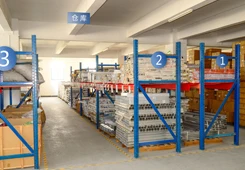
Zhongshan Haofeng Lighting Decoration Factory
- Manufacturer, Trading Company
- Guangdong, China
- Lead time15 days
- Avg. response≤ 6h
Main productsLinear Light/ Downlight/ Panel Light/ Track Lighting/ Customized Shaped Lights
Main marketsDomestic Market(50.00%), North America(10.00%), Southeast Asia(10.00%), Western Europe(8.00%), Eastern Asia(3.00%), Southern Europe(3.00%), Africa(3.00%), South Asia(2.00%), South America(2.00%), Central America(2.00%), Northern Europe(2.00%), Eastern Europe(2.00%), Mid East(2.00%), Oceania(1.00%)
Huzhou Lindal Lighting & Electrical Co., Ltd.
- Verified by CTI
- Trading Company,Manufacturer/Factory
- China Zhejiang
- Lead time45 days
- Avg. response≤ 7h
Main productsLED Tri-Proof Light, LED Waterproof Lighting Fixture, LED Panel Light, LED Ceiling Light, LED Bulkhead, LED Emergency Light, LED Tube, LED Bulb, LED Highbay Light
Main marketsSouth America,Eastern Europe,Mid East,North America,Southeast Asia,Eastern Asia,Oceania,Western Europe,Africa

Cixi Yuanhui Lighting Electric Co., Ltd.
- Verified by SGS
- Combined
- China Zhejiang
- Lead time30 days
- Avg. response≤ 16h
Main productsTri-Proof Light, Waterproof Light, LED Bulkhead, IP65 LED Triproof Light, IP65 Waterproof Fluorescent Light, LED Waterproof Light, IP65 Industrial Light, Non-Corrossive Light, LED Tri-Proof Light, LED Ceiling Lamp
Main marketsAfrica,Southeast Asia/ Mideast,Europe,Australia,North America
NINGBO SUNNYLUX IMPORT & EXPORT CO., LTD.
- Manufacturer/Factory
- China Zhejiang
- Lead time23 days
- Avg. response≤ 3h
Main productsRubber Tracks, LED Waterproof Light, LED Bulkhead Light, Food Waste Disposal, DC Motor, LED Triproof Lighting Fixture, Safety Helmet, LED Ceiling Light, LED Batten Light, LED Flood Light
Main marketsSouth America,Eastern Europe,Mid East,North America,Southeast Asia,Eastern Asia,Oceania,Western Europe,Africa

High Lumen LED Batten Lamp IP20 LED Linear Batten Light with CCT Switch
$5.89 - $12.89
MOQ: 100 Pieces

LED Batten Light Triproof Lighting Fixture Anti-Corrosive Fitting Anti-Fogging Light
$2.86 - $6.82
MOQ: 300 Pieces

- Trading Company,Manufacturer/Factory
- China Guangdong
- Lead time0 days
- Avg. response≤ 13h
Main productsChristmas Ball, Christmas Decoration, Christmas Ornaments, Christmas Tree, Tinsel Garland, Mirror Ball, Disco Ball, Inside Painted Glass Ball

MOQ: 100 Pieces

MOQ: 100 Pieces

MOQ: 100 Sets

MOQ: 100 Sets

MOQ: 100 Sets

MOQ: 100 Sets

Jinggoal International Limited
- Verified by BV
- Manufacturer/Factory
- China Guangdong
- Lead time23 days
- Avg. response≤ 13h
Main productsGift, Pen, Wall Clock, Travel Adapters, Book Wire Binding & Machine, Lock, Table Lamp, LED, Keychain, Alarm
Main marketsSouth America,Eastern Europe,North America,Southeast Asia,Eastern Asia,Oceania,Western Europe,Africa

Yangzhou Dingxin Photoelectric Technology Co., Ltd.
- Trading Company,Manufacturer/Factory
- China Jiangsu
- Lead time15 days
- Avg. response≤ 2h
Main productsSolar Lamp, Solar Street Light, LED and Sodium Street Lights, Lighting Pole/Tower, High Mast Lighting, Lamp Post, LED Lights, LED Lighting Fixture, Traffic Light Signal Pole, Solar Home System/Solar Kit
Main marketsSouth America,Eastern Europe,Mid East,North America,Southeast Asia,Eastern Asia,Oceania,Western Europe,Africa

Ningbo Sentek Electronics Co., Ltd.
- Verified by BV
- Combined
- China Zhejiang
- Lead time30 days
- Avg. response≤ 13h
Main productsSmoke Alarm, Smoke Detector, Fire Detector, Magnetic Contact, Co Alarm, Co Detector, Gas Detector, Carbon Monoxide Detector, Heat Detector, Smoke Sensor
Main marketsSouth America,Africa,Southeast Asia/ Mideast,East Asia(Japan/ South Korea),Europe,Australia,North America


LED Strobe Light, LED Warning Light
MOQ: 1000 Pieces

Yixing Sea Fountain Equipment Co., Ltd.
- Verified by SGS
- Combined
- China Jiangsu
- Lead time30 days
- Avg. response≤ 14h
Main productsFountain
Main marketsAfrica,Others(foreignTradeCapacity.exportBusinessCapacityMarketOther),Southeast Asia/ Mideast,East Asia(Japan/ South Korea),Domestic,Europe

Peony Lighting Technology Co., Ltd.
- Verified by BV
- Manufacturer/Factory
- China Guangdong
- Lead time15 days
- Avg. response≤ 4h
Main productsLED High Bay Light, LED Street Lighyt, LED Flood Light, LED Gas Station Light, LED Track Light, LED Down Light, LED Tri-Proof Light, LED Linear Light, LED Stadium Sports Light
Main marketsSouth America,Mid East,North America,Southeast Asia,Eastern Asia,Oceania,Western Europe,Africa
Shenzhen GISIH Lighting Co., Ltd.
- Manufacturer/Factory
- China Guangdong
- Lead time15 days
- Avg. response≤ 3h
Main productsLED Display Special Lights, LED Ceiling Spotlight, LED Cabinet Spotlight, LED Track Light, LED Ceiling Light, LED Vertical Spotlight, LED Downlight, LED Strip Light, LED Showcase Lights
Main marketsSouth America,Eastern Europe,Mid East,North America,Southeast Asia,Eastern Asia,Oceania,Western Europe,Africa

High Brightness LED Linear Lighting
MOQ: 10 Pieces

High Quality and High Brightness LED Linear Lighting
MOQ: 10 Pieces
Zhongshan Aier Lighting Technology Co., Ltd
- Verified by SGS
- Combined
- China Guangdong
- Lead time15 days
- Avg. response≤ 3h
Main productsLED Tube Light, LED Ceiling Light, LED Panel Light, Magnetic Track Light, High Bay Light, Street Light, Flood Light, Solar Light, Ceiling Fan
Main marketsSouth America,Africa,Southeast Asia/ Mideast,East Asia(Japan/ South Korea),Europe,North America
New Shine Lighting (Guangzhou) Co., Ltd
- Verified by SGS
- Combined
- China Guangdong
- Lead time15 days
- Avg. response≤ 2h
Main productsArchitectural Lighting, LED Linear Lighting, Circle Ring Lighting, Acoustic Lighting, Ceiling Lighting, LED Pendant Lights, Hanging Lights, Commercial Lighting
Main marketsNorth America

Qingdao Sunshine New Energy Co., Ltd.
- Verified by TUVRHEINLAND
- Combined
- China Shandong
- Lead time30 days
- Avg. response≤ 2h
Main productsSolar Lamp, Solar Lantern, Solar System, Solar Light, Solar Street Light, Solar Lawn Lamp
Main marketsAfrica,Southeast Asia/ Mideast,North America
Shenzhen Luk Technology Co., Ltd.
- Verified by SGS
- Manufacturer/Factory
- China Guangdong
- Lead time23 days
- Avg. response≤ 2h
Main productsLED Lighting, LED Strips, LED Modules, Neon Strip, Outdoor Lighting
Main marketsSouth America,Eastern Europe,Mid East,North America,Southeast Asia,Eastern Asia,Oceania,Western Europe,Africa

Decorative LED Light/LED Light Fitting/Light Decoration for House Decoration
$1.00 - $1.99
MOQ: 100 Pieces

Strip Light/String Light/LED Strip Light/LED Light Fitting for Decoration-Light
$1.00 - $1.99
MOQ: 100 Pieces
Guangdong Benhao Trading Co., Ltd.
- Verified by SGS
- Combined
- China Guangdong
- Lead time23 days
- Avg. response≤ 3h
Main productsLED Track Light, Ceiling Light, Spot Light, Magnetic Light
Main marketsAfrica,Southeast Asia/ Mideast,Europe

Commercial LED Batten Light, 40W Linkable Linear Fixture Waterproof, Suspended/Ceiling Mount
$17.75 - $32.63
MOQ: 50 Pieces

High Power 40W LED Batten Light, Linkable Waterproof Linear Fixture, Suspended/Ceiling Mount
$20.37 - $29.98
MOQ: 50 Pieces

LED Batten Light 40W, Linkable Waterproof Linear Fixture, Commercial & Industrial Lighting Solution
$17.75 - $32.63
MOQ: 50 Pieces

LED Batten Light 40W, Linkable Linear Fixture, Waterproof for Commercial & Industrial Lighting
$17.75 - $32.63
MOQ: 50 Pieces


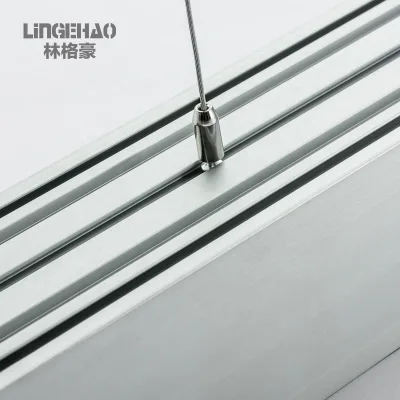


Comprehensive Sourcing Guide
Linkable LED Batten Light Supplier Concentration and Factory Types
The current supplier landscape for Linkable LED Batten Light reveals a distinct concentration of manufacturing and trading entities within specific Chinese provinces, primarily Zhejiang and Jiangsu. These regions serve as critical hubs for lighting production, offering buyers access to established industrial clusters that specialize in commercial and industrial lighting solutions. Suppliers in these areas often operate as either trading companies or manufacturer/factories, each presenting different advantages for procurement strategies. Trading companies may offer broader product assortments and streamlined communication, while manufacturer/factories typically provide direct control over production processes and customization capabilities. The presence of both types in the same geographic clusters suggests a mature supply chain ecosystem where raw materials, component sourcing, and assembly are highly integrated. Buyers should recognize that location alone does not dictate quality or reliability, but it does indicate the availability of specialized labor and logistical infrastructure. Understanding this concentration helps in identifying suppliers who are deeply embedded in the lighting industry rather than generalist traders. This geographic clustering also implies that many suppliers may share similar supply chain partners, which can influence lead times and material availability. Consequently, evaluating suppliers within these known hubs allows for more informed comparisons based on their specific operational models rather than just their location. The density of suppliers in Zhejiang and Jiangsu provides a competitive environment that can drive innovation and cost efficiency, but it also requires careful vetting to distinguish between genuine manufacturers and intermediaries.
Within these clusters, the types of companies vary significantly in their capabilities and focus areas. Some suppliers emphasize OEM and ODM services, allowing for extensive customization of Linkable LED Batten Light products to meet specific project requirements. Others may focus on own brand development, offering standardized products with consistent quality and branding. The distinction between these models is crucial for buyers who need either unique specifications or reliable, off-the-shelf solutions. Suppliers listing themselves as manufacturer/factories often have the infrastructure to handle complex customization requests, such as varying power outputs, dimensions, and lighting features. In contrast, trading companies might offer faster access to a wider range of products but may have less direct control over production details. It is important to verify the actual nature of the supplier through their certifications and production evidence. For instance, some suppliers hold ISO 9001 certification, indicating a commitment to quality management systems, while others may have additional certifications like BSCI or HSE. These certifications can provide insights into the supplier’s operational standards and ethical practices. Buyers should look for evidence of these certifications in the supplier’s profile to ensure they are working with reputable entities. The variety of company types in these regions offers flexibility, but it also necessitates a thorough assessment of each supplier’s specific strengths and limitations. By understanding the mix of trading companies and manufacturers, buyers can better align their sourcing strategies with their project needs, whether they prioritize customization, cost, or speed.
How to Verify Linkable LED Batten Light Suppliers
Verifying the authenticity and reliability of Linkable LED Batten Light suppliers requires a multi-faceted approach that goes beyond surface-level profile information. One of the primary methods is to check for third-party verification badges, such as SGS or TÜV Rheinland, which indicate that an independent agency has assessed the supplier’s business operations. These verifications provide a layer of confidence that the supplier is a legitimate entity with verified business licenses and operational capabilities. Buyers should prioritize suppliers who display these badges, as they have undergone rigorous checks that reduce the risk of dealing with fraudulent or non-existent companies. Additionally, examining the supplier’s system certifications is crucial. Certifications like ISO 9001 demonstrate that the supplier adheres to international quality management standards, which is particularly important for electronic products like LED lighting. Some suppliers may also hold BSCI or HSE certifications, which speak to their social responsibility and health and safety practices. These certifications are not just formalities; they reflect the supplier’s commitment to maintaining high standards in their production processes. Buyers should request copies of these certificates and verify their validity through the issuing bodies if necessary. This step ensures that the supplier’s claims are backed by credible evidence.
Beyond certifications, buyers should scrutinize the supplier’s product evidence and technical specifications. Detailed product attributes, such as power ratings, lumen output, color temperature ranges, and material compositions, provide insights into the supplier’s technical expertise and product quality. For example, specifications like Aluminum+PC material construction and specific power options (e.g., 36W, 55W) indicate a focus on durability and performance. Buyers should look for suppliers who provide comprehensive product data sheets and clear customization options. The presence of features like waterproof, dust-proof, and anti-corrosion properties is essential for linkable led batten lights used in harsh environments. Additionally, checking the supplier’s response time can offer clues about their operational efficiency and customer service quality. A faster response time, such as under five hours, suggests a more agile and responsive team, which can be beneficial for addressing urgent queries or issues. However, response time alone is not a definitive measure of reliability, so it should be considered alongside other factors. Buyers should also review the supplier’s main products to ensure they specialize in linkable led batten lights rather than offering a generic range of unrelated items. Specialization often correlates with deeper expertise and better quality control. By combining verification of credentials, product details, and operational metrics, buyers can build a comprehensive picture of a supplier’s reliability and suitability for their sourcing needs.
What to Compare Across Linkable LED Batten Light Suppliers
When evaluating multiple suppliers for Linkable LED Batten Light, buyers must systematically compare key operational and commercial dimensions to identify the most suitable partner. Lead time is a critical factor, as it directly impacts project timelines and inventory management. Suppliers may offer varying lead times, ranging from twenty-three days to thirty days or more, depending on their production capacity and current order volume. Buyers should align their selection with their project deadlines, choosing suppliers who can consistently meet their required delivery schedules. Alongside lead time, the minimum order quantity (MOQ) is another essential comparison point. MOQs can vary significantly, with some suppliers requiring as few as fifty pieces while others may demand two thousand or more. This variation allows buyers to choose suppliers that match their order volume, whether they are placing small trial orders or large bulk purchases. Understanding the MOQ helps in planning cash flow and storage logistics, ensuring that the order size is feasible for the buyer’s business model. Additionally, comparing the supplier’s response time can provide insights into their communication efficiency. Faster response times, such as under five hours, indicate a more responsive team that can address queries and resolve issues promptly. This is particularly important for complex orders that require frequent communication and adjustments.
Price and customization capabilities are also vital aspects of the comparison process. Buyers should analyze the price ranges offered by different suppliers, noting that costs can vary based on product specifications, materials, and order volume. For instance, prices for linkable led batten lights may range from less than one dollar to over fifteen dollars per unit, depending on the power output and features. It is important to consider the total cost of ownership, including shipping and potential tariffs, rather than just the unit price. Customization options, such as OEM and ODM services, allow buyers to tailor products to their specific needs. Suppliers that offer extensive customization capabilities can provide unique solutions that differentiate the buyer’s offerings in the market. Buyers should also compare the supplier’s main products to ensure they have a strong focus on linkable led batten lights. Suppliers with a broad range of lighting products may have more resources and expertise in this category. Furthermore, examining the supplier’s rd_capacity, such as their ability to develop own brands or handle complex designs, can indicate their innovation potential. By systematically comparing these dimensions, buyers can make informed decisions that balance cost, quality, and service. This structured approach ensures that the selected supplier aligns with the buyer’s specific requirements and long-term business goals.
Common Linkable LED Batten Light Sourcing Risks
Sourcing linkable led batten lights from international suppliers involves several inherent risks that buyers must proactively manage to ensure a successful procurement process. One significant risk is the potential discrepancy between the supplier’s claims and the actual product quality. Suppliers may advertise high specifications, such as specific lumen outputs or power factors, but the delivered products may not meet these standards. This risk is particularly prevalent when dealing with trading companies that may not have direct control over manufacturing processes. To mitigate this, buyers should request detailed product samples and conduct thorough testing before placing large orders. Verifying the supplier’s certifications and production evidence can also help in assessing their capability to deliver high-quality products. Another risk is the variability in lead times, which can disrupt project schedules and inventory planning. Suppliers may promise short lead times but fail to deliver on time due to production bottlenecks or supply chain issues. Buyers should establish clear communication channels and regular updates to monitor production progress. Additionally, understanding the supplier’s capacity and current order volume can provide insights into their ability to meet deadlines.
Currency fluctuations and shipping costs are also common risks in international sourcing. Prices quoted in foreign currencies can change due to market conditions, affecting the final cost of the order. Buyers should consider using fixed-price contracts or hedging strategies to manage currency risk. Shipping costs can also vary significantly based on the mode of transport, destination, and current freight rates. Buyers should obtain detailed shipping quotes and include these costs in their total budget calculations. Another risk is the potential for intellectual property infringement, especially when working with suppliers that offer OEM services. Buyers should ensure that their designs and branding are protected through appropriate legal agreements and contracts. Additionally, there is a risk of poor after-sales support, which can lead to issues with product installation, maintenance, or warranty claims. Buyers should evaluate the supplier’s customer service capabilities and warranty policies before finalizing the partnership. By identifying and addressing these risks through careful planning and due diligence, buyers can minimize potential disruptions and ensure a smoother sourcing experience. Proactive risk management is essential for maintaining supply chain stability and achieving project success.
Linkable LED Batten Light Regional Sourcing and Logistics
Regional sourcing of linkable led batten lights from China offers distinct logistical advantages and challenges that buyers must navigate to optimize their supply chain. The concentration of suppliers in provinces like Zhejiang and Jiangsu provides access to well-developed industrial infrastructure and efficient logistics networks. These regions are often close to major ports, facilitating faster and more cost-effective shipping to international destinations. Buyers should leverage this geographic advantage by selecting suppliers who have experience in exporting and handling international logistics. Understanding the local logistics landscape can help in negotiating better shipping terms and reducing transit times. However, buyers must also be aware of the potential for regional disruptions, such as weather events or local policy changes, that could impact production and shipping. Establishing relationships with multiple suppliers in different regions can help mitigate these risks by providing alternative sourcing options. Additionally, buyers should consider the environmental and social impact of their sourcing decisions, as some regions may have stricter regulations regarding emissions and labor practices.
Logistics planning also involves coordinating with freight forwarders and customs brokers to ensure smooth clearance and delivery. Buyers should work with experienced partners who can handle documentation, tariffs, and compliance requirements efficiently. Understanding the specific shipping requirements for LED lighting products, such as packaging standards and safety certifications, is crucial to avoid delays or rejections at customs. Buyers should also consider the total landed cost, including freight, insurance, and duties, when evaluating suppliers from different regions. While some regions may offer lower unit prices, higher shipping costs or tariffs could negate these savings. By carefully analyzing the logistical implications of sourcing from different regions, buyers can make informed decisions that balance cost, speed, and reliability. Furthermore, buyers should stay updated on changes in trade policies and tariffs that could affect their sourcing strategy. Proactive logistics planning
FAQs
What is the typical lead time for linkable LED batten lights?
Manufacturers in China generally require 23 to 30 days to produce and ship orders. This timeframe allows for quality control and logistics planning. Buyers should confirm specific delivery schedules with suppliers before finalizing purchase agreements to ensure timely project completion.
What is the minimum order quantity for these lights?
Minimum order quantities typically range from 50 to 2000 pieces depending on the supplier and product specifications. Some manufacturers accept lower MOQs for standard items, while others require larger volumes for custom branding. Always verify the exact MOQ with the supplier before placing an order.
Are these lights waterproof and suitable for outdoor use?
Yes, many linkable LED batten lights feature waterproof, dust-proof, and anti-corrosion designs. They are suitable for outdoor applications like parking lots and industrial areas. Look for products with aluminum alloy or aluminum plus PC materials to ensure durability and weather resistance in harsh environments.
What certifications do these suppliers hold?
Suppliers often hold ISO 9001 and BSCI certifications. Some are verified by SGS or TÜV Rheinland. These certifications indicate adherence to quality management standards and ethical manufacturing practices. Buyers should request valid certificates to ensure compliance with international safety and quality requirements for their projects.
What is the price range for linkable LED batten lights?
Prices typically range from $0.86 to $69.00 per unit based on power, size, and features. Lower-priced options are available for basic indoor fixtures, while high-power outdoor models cost more. Prices vary by supplier location and order volume, so comparing multiple quotes is recommended for accurate budgeting.
Can I customize these lights with my own brand?
Yes, many manufacturers offer OEM and ODM services for customization. Buyers can often request custom branding, packaging, and specific power ratings. Some suppliers also provide own-brand options. Confirm customization availability and any associated costs or minimum order requirements directly with the supplier before proceeding.