Source Portable App Controlled Pickleball Launcher for Training, Racing, Entertainment
Find a Portable App Controlled Pickleball Launcher among 30 available options for training, racing, and entertainment. Buyers can compare serve speeds, battery life, and ball capacity to select the right equipment for their needs.
Key considerations
Products List
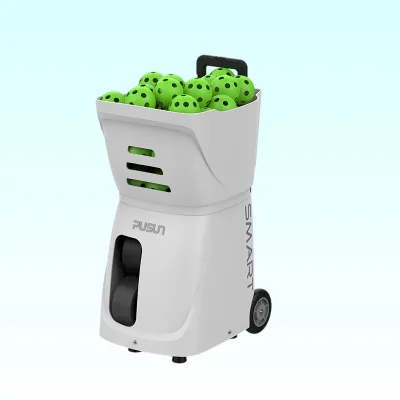
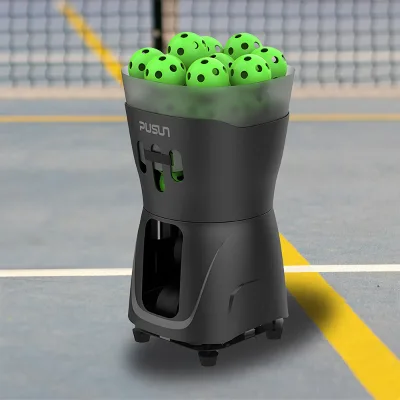
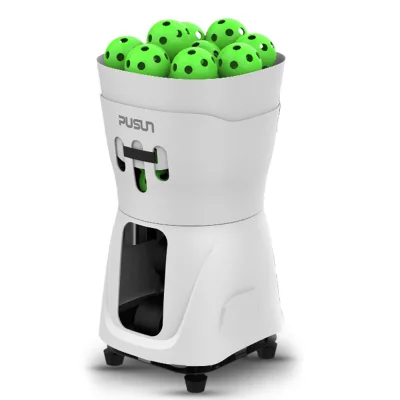
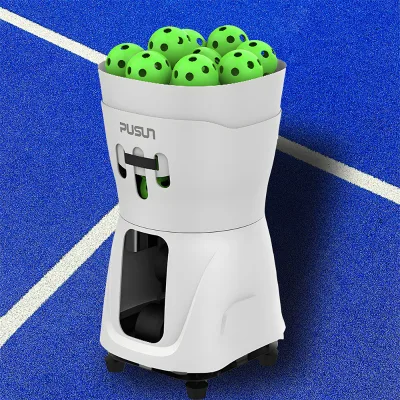
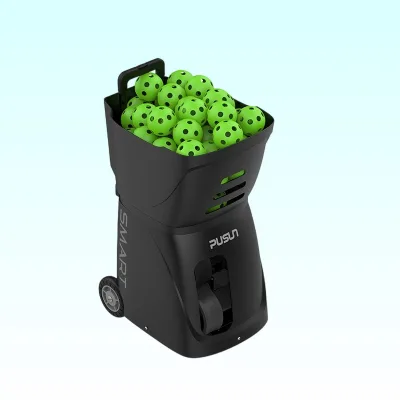
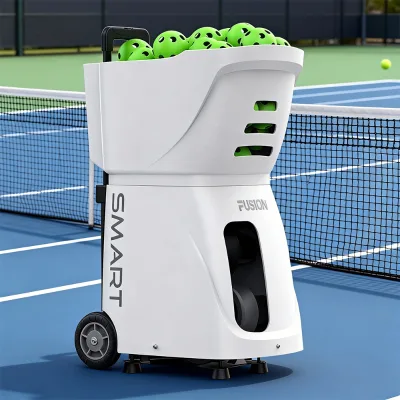
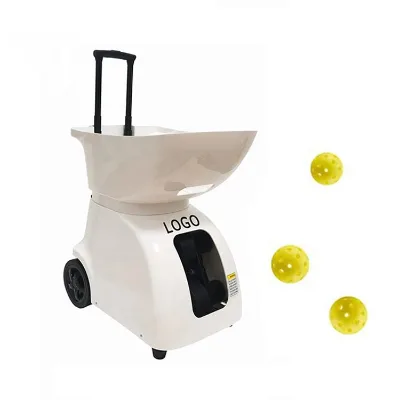
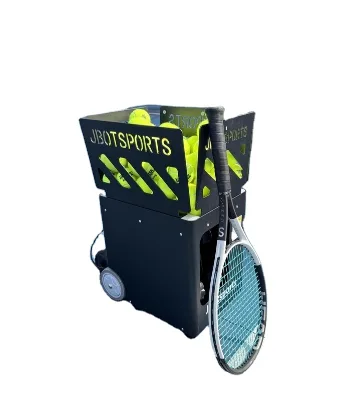
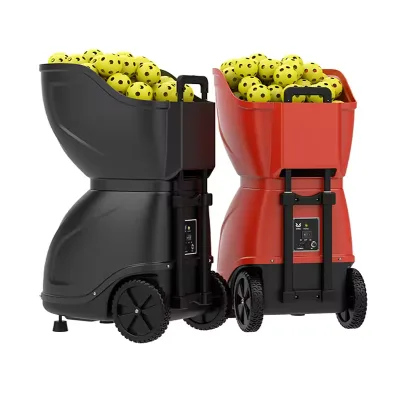
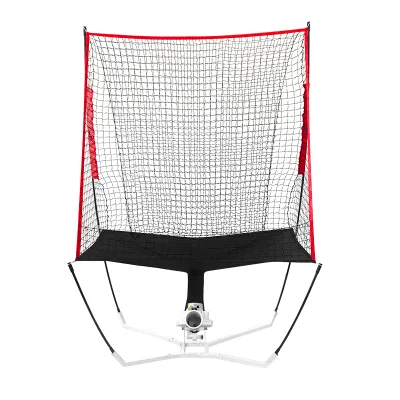
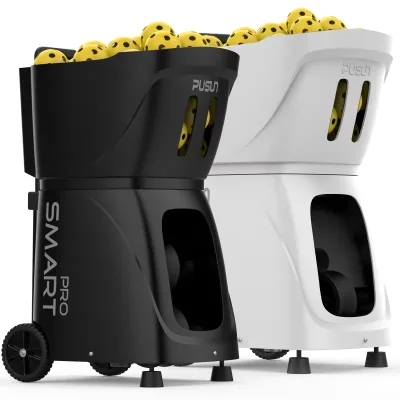
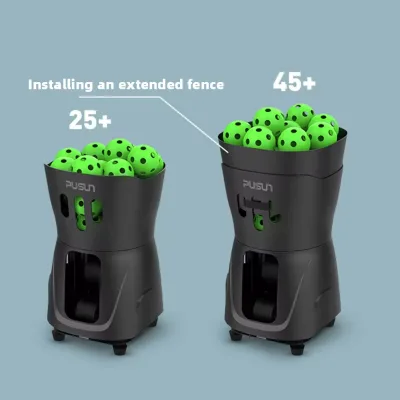
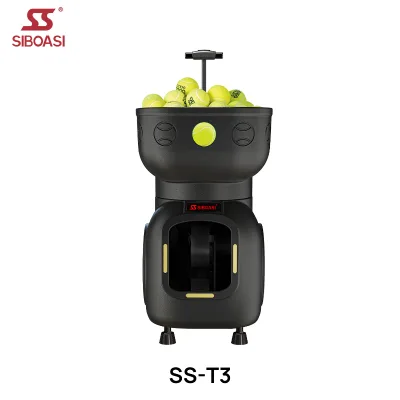
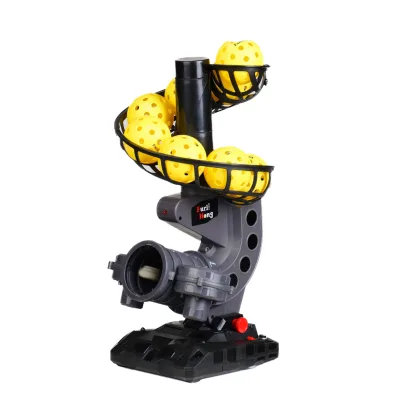


Pickleball Balls High Visibility Pickleball Balls 40 Holes Hard Bounce Pickle Ball
$0.12 - $0.13
MOQ: 300 Pieces

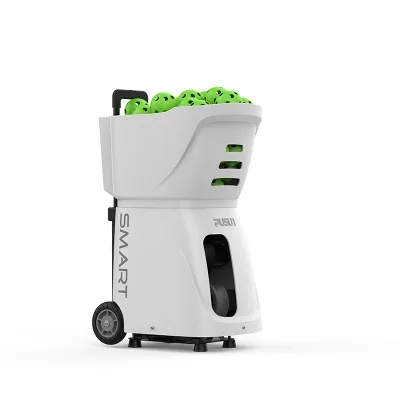


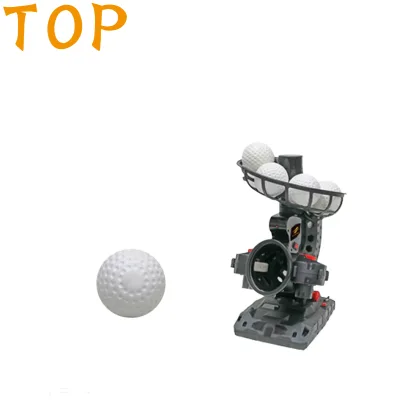

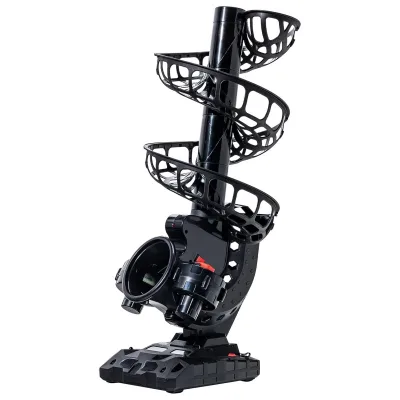


Hot Sales Automatic Electronics Pickleball Machine with APP Remote Control
$860.00 - $1396.00
MOQ: 2 Pieces


Comprehensive Sourcing Guide
Strategic Sourcing Guide for Portable App-Controlled Pickleball Launchers
The global demand for automated sports training equipment has surged, with portable app-controlled pickleball launchers emerging as a critical tool for coaches, academies, and serious enthusiasts. These devices bridge the gap between static drills and live match play by delivering consistent ball trajectories at adjustable speeds and frequencies. For B2B buyers, sourcing these units requires a disciplined approach that distinguishes between marketing claims and verifiable technical specifications. The following guide outlines the essential parameters for evaluating suppliers, analyzing product attributes, and ensuring long-term procurement success based on observed market data and technical requirements.
Technical Specifications and Operational Capabilities
When evaluating portable pickleball launchers, the primary focus must be on the mechanical and electronic specifications that define performance. The core functionality relies on a motorized system capable of varying serve speeds and frequencies, all controllable via a mobile application. Market observations indicate that effective units typically operate within a serve speed range of 20 to 90 kilometers per hour, with some models offering a lower range of 8 to 60 kilometers per hour depending on the target user demographic. The ability to adjust the elevation angle is equally critical; high-performance units often provide an elevation control range between 5 and 45 degrees, while others may extend up to 60 degrees to accommodate high-loft shots.
Battery technology is a defining factor for portability. Most reliable units utilize removable lithium batteries, which allow for extended operational life without the need for a constant power source. Observed data suggests a full battery life ranging from 3 to 6 hours, sufficient for multiple training sessions. The rated voltage for these systems is typically DC24V, supported by a 10AH capacity in larger models. Power consumption varies by model, with units ranging from 60W to 100W. Buyers must verify the power adapter compatibility, as the market offers units supporting both 110V and 220V inputs to ensure global usability.
Ball loading capacity is another vital specification. A standard portable launcher should hold between 45 and 80 balls per load, reducing the frequency of manual reloading during intense drills. The serve frequency, or the time interval between shots, is often adjustable via the app, with observed ranges spanning from 1.6 to 8 seconds per ball. This variability allows coaches to simulate different game scenarios, from rapid-fire drills to spaced-out rally practice. The physical dimensions of the unit also impact portability; single package sizes observed in the market range from approximately 37x37x48 cm to 43x53x63 cm, with gross weights varying between 11 kg and 24 kg. These metrics directly influence shipping costs and the ease of transport to training facilities.
Material Construction and Durability Factors
The longevity of a portable launcher depends heavily on the materials used in its construction. High-quality units typically combine durable plastics, such as ABS, with metal components to ensure structural integrity under repeated mechanical stress. The housing material must be robust enough to withstand outdoor conditions, including exposure to moisture and varying temperatures. Consequently, features such as waterproofing and weather resistance are essential for units intended for outdoor court use.
Beyond the chassis, the design of the ball feeding mechanism and the wheels or carrying handles must be evaluated. Many suppliers highlight features like "lightweight," "portable," and "anti-slip" in their product descriptions. While these are desirable attributes, buyers should verify the specific material composition, such as the use of Nylon or Oxford fabric for carrying bags, to ensure they meet the demands of frequent transport. The presence of a carry bag is standard, but the quality of the fabric—whether Polyester, Mesh, or Nylon—determines its resistance to wear and tear.
Color options are often limited to standard industrial finishes like Black and White, which are chosen for their ability to hide dirt and maintain a professional appearance. The product pattern is typically solid, avoiding complex graphics that might obscure the functional design. Buyers should also consider the weight of individual components; for instance, some accessories or smaller parts may weigh as little as 11 grams, while the main unit can weigh significantly more. Ensuring that the materials are "high quality" and "durable" requires more than relying on supplier assertions; it necessitates a review of the product's construction methods and the specific grades of plastic and metal used.
Compliance, Certification, and Safety Standards
In the B2B procurement of electronic sports equipment, compliance with safety and certification standards is non-negotiable. While specific certification status for individual models may vary, buyers must ensure that the electrical components meet the safety standards of the destination market. This includes verifying that the power adapters and battery systems comply with relevant international standards for lithium-ion batteries and low-voltage DC equipment.
The market data indicates that some products claim to be "USAPA approved" or "edgeless," referring to the quality of the balls or the machine's interaction with the court surface. However, these claims require rigorous verification. Buyers should request documentation proving that the equipment meets the specific regulations of the United States Pickleball Association (USAPA) or equivalent governing bodies in other regions. This is particularly important for units intended for use in professional tournaments or licensed training centers.
Additionally, the "Eco-Friendly" and "Breathable" features mentioned in product attributes should be substantiated. For electronic devices, this often relates to the manufacturing process and the recyclability of materials. Buyers should inquire about the environmental impact of the production process and the disposal guidelines for the lithium batteries. The "waterproof" rating is another critical safety and durability factor; while many units claim this feature, the specific IP (Ingress Protection) rating should be confirmed to ensure the device can withstand rain or accidental water exposure without electrical failure.
Cost Drivers and Pricing Dynamics
The pricing of portable app-controlled pickleball launchers is influenced by a complex interplay of factors, including battery capacity, motor power, build quality, and the sophistication of the app interface. Observed price ranges in the market span from approximately $0 to $1,507.49, reflecting a wide spectrum of product tiers. Lower-priced models may offer basic functionality with smaller battery capacities and limited speed ranges, while premium units command higher prices due to advanced features like wider speed ranges, larger ball capacities, and more durable construction.
The Minimum Order Quantity (MOQ) is another significant cost driver. Market data shows MOQs ranging from 1 unit to 3,000 units. For buyers looking to test the market or equip a single facility, suppliers with low MOQs are preferable. However, bulk purchasers can often negotiate better unit prices by committing to higher volumes. The single gross weight of the product, which can range from 11 kg to 24 kg, also impacts shipping costs. Heavier units incur higher freight charges, which can significantly affect the total landed cost, especially for international orders.
Buyers should also consider the cost of accessories and replacement parts. Features like the "carry bag" and "power adapter" are often included, but the longevity of the lithium battery and the availability of spare motors or feeding mechanisms should be factored into the total cost of ownership. The "Selling Units" being listed as "Single item" suggests that these are sold as complete packages, but buyers must verify if additional components are sold separately.
Supplier Evaluation and Verification Protocols
Selecting the right supplier requires a thorough evaluation of their capabilities and reliability. The "Place of Origin" is a key indicator of manufacturing expertise. In the observed data, products originate from regions such as Hunan, Shenzhen, and Guangdong in China, all of which are known for their electronics manufacturing clusters. Buyers should verify the specific factory location to assess the supply chain stability and the manufacturer's experience in producing sports equipment.
The "Brand Name" and "Model Number" are essential for tracking product consistency. Models such as "PP-Smart," "PP-minipro," and "PT-Smart" indicate different product lines with varying specifications. Buyers should request detailed datasheets for each model to ensure they match the required technical parameters. The "Feature" list, which may include "Anti-Slip," "High Quality," and "Lightweight," should be cross-referenced with physical samples or third-party test reports.
Supplier communication is also critical. Buyers should assess the supplier's responsiveness to technical queries, their ability to provide customization options, and their track record for on-time delivery. The "Plug Type" compatibility is a specific area where suppliers must be precise; options often include Brazilian, US, European, Australian, and British plugs. Ensuring that the supplier can provide the correct plug type for the target market is essential to avoid costly modifications or returns.
Quality Control and Long-Term Procurement Considerations
Implementing a robust quality control (QC) process is vital for mitigating risks in the procurement of electronic sports equipment. Buyers should establish clear acceptance criteria based on the technical specifications, such as serve speed accuracy, battery life consistency, and waterproofing performance. Regular inspections during the production phase can help identify defects early, reducing the likelihood of receiving substandard units.
Long-term procurement considerations include the availability of after-sales support and warranty terms. Given the mechanical and electronic nature of the launchers, buyers should ensure that the supplier offers a comprehensive warranty covering the motor, battery, and electronic controls. The "Full battery life" of 3 to 6 hours is a performance metric that may degrade over time; buyers should inquire about the expected lifespan of the battery and the availability of replacement units.
Furthermore, the "Usage" of the device, which includes Training, Racing, and Entertainment, suggests that the equipment must be versatile and reliable under various conditions. Buyers should consider the scalability of their procurement strategy, ensuring that the supplier can meet future demand as their training programs expand. The "Single package size" and "Single gross weight" are also important for logistics planning, as they determine the storage and shipping requirements for the inventory.
In conclusion, sourcing portable app-controlled pickleball launchers requires a meticulous approach that balances technical performance, compliance, cost, and supplier reliability. By focusing on verified specifications, conducting thorough supplier evaluations, and implementing strict quality control measures, buyers can secure high-quality equipment that meets the demands of modern pickleball training. The observed data provides a solid foundation for making informed decisions, but continuous verification and due diligence remain essential for successful procurement outcomes.
FAQs
What serve speed range does the Portable App Controlled Pickleball Launcher offer?
The device offers a serve speed range of 20 to 90 kilometers per hour for high-performance models. Some units provide a lower range of 8 to 60 kilometers per hour to suit different training needs and user demographics.
How long does the full battery last on a single charge?
A full battery life typically ranges from 3 to 6 hours depending on the specific model selected. This duration is sufficient for multiple training sessions without requiring a constant power source during operation.
Which ball loading capacity is available for these portable launchers?
Standard portable launchers hold between 45 and 80 balls per load to reduce manual reloading frequency. The specific capacity depends on the model, with options like 45PCS or 80PCS observed in the market data.
Can the serve frequency be adjusted via a mobile application?
Yes, the serve frequency can be set by an app with intervals ranging from 1.6 to 8 seconds per ball. This variability allows coaches to simulate different game scenarios from rapid-fire drills to spaced-out rally practice.
What elevation angle control range do these machines provide?
High-performance units provide an elevation control range between 5 and 45 degrees. Other models may extend up to 60 degrees to accommodate high-loft shots and varied training trajectories.
Which materials are used to construct the main body of the launcher?
The main body is typically constructed from durable plastics like ABS combined with metal components. This combination ensures structural integrity under repeated mechanical stress and supports outdoor durability.
What power adapter voltages are supported by these units?
The units support power adapters compatible with both 110V and 220V inputs for global usability. This ensures the device can be used in various regions without requiring voltage conversion equipment.