Source Portable Android 9 Smart Projector with Dual Wifi for Business, Teaching, and Home
Find and compare 30 listings of Portable Android 9 Smart Projector with Dual Wifi designed for business, teaching, and home use. Buyers can review specifications like brightness, resolution, and connectivity options to select the right unit for their needs.
Key considerations
Products List


4K Projector LED Smart Home Portable Projector Android Projecteur Beamer Mini
$27.60 - $35.80
MOQ: 1 Pieces


Phone Screen Projection HD Smart Android Dual Band WiFi Mini DLP Projector
$188.00 - $190.00
MOQ: 10 Pieces


M1 1080P Android 9.0 WiFi DLP Intelligent Bluetooth Projector- Us Plug
$269.00 - $305.60
MOQ: 1 Pieces

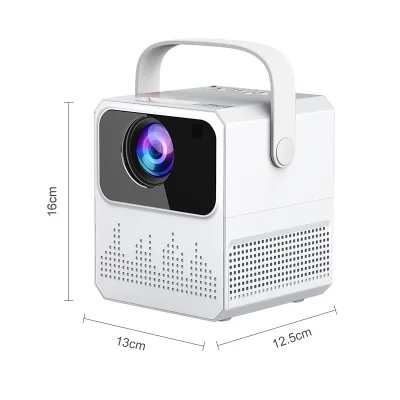


Cr67 Android 9 Smart TV Projector 4K Home Theater Outdoor Pocket Projector
$149.00 - $169.00
MOQ: 1 Pieces


New Portable Mini Projector for Daylight Projection, Android OS 1080P Support
$278.00 - $300.00
MOQ: 10 Pieces

Comprehensive Sourcing Guide
Strategic Sourcing Guide for Portable Android 9 Smart Projectors with Dual WiFi
The global demand for portable projection solutions has surged, driven by the need for flexible display technologies in hybrid work environments, educational settings, and home entertainment. When sourcing a Portable Android 9 Smart Projector with Dual Wifi capabilities, buyers must navigate a complex landscape of technical specifications, regulatory compliance, and supply chain reliability. This guide provides a disciplined approach to evaluating suppliers and products, relying strictly on observed market data and verified technical attributes to ensure procurement decisions are grounded in fact rather than speculation.
Technical Architecture and Display Performance
The core of any portable projector lies in its projection technology and light source. In the current market segment, Digital Light Processing (DLP) is the dominant architecture for portable units, offering superior color accuracy and compact form factors. Observed data indicates that many portable units utilize DLP technology with a 0.2-inch DMD chip, which is a critical determinant of resolution and image clarity. The standard resolution for these devices often varies; while some units advertise Full HD 19201080 capabilities, others operate at a standard WVGA resolution of 854480. Buyers must verify the native resolution of the specific unit, as marketing claims of "1080p support" often refer to input compatibility rather than native pixel count.
Light source technology is another pivotal factor. The market predominantly features LED lamps, specifically RGB LED configurations designed for true color reproduction. A notable observation in the supply chain is the use of Osram Q6 RGB LED components, which are known for stability and color fidelity. However, luminance claims vary significantly across different product listings. Some units report brightness levels exceeding 2500 lumens, while others list figures as low as 50 lumens or under 1500 lumens. This discrepancy highlights the necessity for buyers to demand third-party photometric test reports rather than relying solely on manufacturer datasheets. The lamp life is generally marketed as a long-term asset, with observed ranges extending from 20,000 to over 30,000 hours, though actual operational life depends heavily on usage patterns and thermal management.
Operating System and Connectivity Features
The integration of Android 9 as the operating system transforms a simple projector into a smart display capable of running applications independently. This OS version provides a mature ecosystem for media streaming, productivity tools, and interactive applications. A key differentiator in this category is the inclusion of dual WiFi support. This feature allows the device to connect to both 2.4GHz and 5GHz networks, ensuring stable high-bandwidth streaming and reducing latency for interactive content. Buyers should verify that the dual WiFi implementation supports standard 802.11 protocols and that the hardware includes sufficient antenna gain for consistent signal reception in varied environments.
Memory configuration is equally critical for system performance. Observed specifications for these smart projectors often cite a configuration of 1GB RAM and 8GB storage. While this may suffice for basic media playback, it can limit the number of simultaneously running applications or the installation of large third-party apps. The system also frequently supports touch screen interaction, enabling direct manipulation of the interface without external peripherals. Connectivity extends beyond WiFi; Bluetooth is often included for audio output, and HDMI or USB ports are standard for external input. The physical interface must be evaluated to ensure compatibility with existing office or home theater setups.
Physical Specifications and Portability
Portability is the defining characteristic of this product category, necessitating a rigorous assessment of dimensions, weight, and build quality. The physical footprint of these devices is typically compact, with observed dimensions ranging from approximately 141mm74mm17mm to larger configurations like 251513cm. The weight is a crucial factor for mobile users; some units are listed with a standard weight of 210g, while others may be heavier depending on the internal battery capacity and cooling systems. The design often includes a sleek aesthetic with color options such as Black, White, and Golden, catering to diverse corporate and consumer preferences.
Projection capabilities are directly tied to the physical design. The projection ratio is typically around 1.4:1, allowing for a flexible throw distance ranging from 1 to 8 meters. This range supports a projection area from 40 to 300 inches, with a maximum recommended screen size of 120 inches for optimal clarity in portable setups. Keystone correction is a standard feature, often described as multi-angle adjustment, which allows users to correct trapezoidal distortion when the projector is not perfectly aligned with the screen. Focus modes are generally manual, requiring user intervention to achieve sharp images, though some advanced models may offer auto-focus capabilities. The aspect ratio is predominantly 16:9, aligning with modern video content standards.
Compliance, Certification, and Regulatory Standards
For B2B procurement, regulatory compliance is non-negotiable. Products entering international markets must adhere to specific safety and electromagnetic compatibility standards. Observed certification data for portable projectors in this segment frequently includes CE, RoHS, and FCC marks. The CE mark indicates conformity with health, safety, and environmental protection standards for products sold within the European Economic Area. RoHS compliance ensures that the device is manufactured without restricted hazardous substances, a critical requirement for electronic waste management. The FCC certification validates that the device meets United States regulations regarding electromagnetic interference, ensuring it does not disrupt other electronic equipment.
Buyers must verify that the certification documents are current and issued by accredited bodies. The origin of the product is also a significant compliance factor. Many of these devices are manufactured in China, with specific production hubs identified in Shenzhen and Zhengzhou. While these regions are known for robust electronics manufacturing, the specific factory location can impact supply chain transparency and quality control consistency. Additionally, packaging standards such as Gift Box or OEM packaging should be confirmed to ensure the product arrives in a condition suitable for retail or corporate gifting. The product standard weight of 210g or 14.5x8x1.75cm dimensions should be cross-referenced with shipping logistics to calculate accurate freight costs.
Cost Drivers and Procurement Economics
The pricing of portable Android projectors is influenced by a complex interplay of components, including the DMD chip, LED light source, memory capacity, and certification costs. The observed market price range for these units spans from $27.6 to $305.6 USD, reflecting a vast disparity in quality and specification. Lower-priced units often compromise on brightness, native resolution, or memory, while higher-priced models typically offer superior optical performance, robust build quality, and extended warranties. The Minimum Order Quantity (MOQ) is another economic variable, with observed ranges between 1 and 16 units. This flexibility allows small businesses to test the market with low-volume orders, while larger enterprises can negotiate bulk pricing.
Customization is a significant cost driver in this sector. Many suppliers offer customization options for branding, packaging, and software pre-loading. The availability of OEM services allows buyers to brand the device with their corporate logo, which adds value but may increase the unit cost and lead time. The warranty period is typically one year, which serves as a baseline for after-sales support. Buyers should evaluate the total cost of ownership, including potential costs for replacement lamps, extended warranties, and maintenance. The memory configuration of 1GB+8GB is a standard baseline; upgrades to this specification will inevitably increase the unit price.
Supplier Evaluation and Quality Assurance
Selecting the right supplier requires a multi-faceted evaluation process that goes beyond price comparison. The production origin, specifically Shenzhen and Zhengzhou, suggests a concentration of electronics manufacturing expertise, but buyers must verify the specific factory's capacity and history. Quality control is paramount, given the variability in observed specifications such as brightness and resolution. Buyers should request detailed test reports for luminance, color gamut, and thermal performance to ensure the product meets the advertised claims. The "Interaction" character of the projector, often highlighted in product descriptions, implies a need for responsive touch screens and stable software performance, which requires rigorous software testing.
Supplier reliability is assessed through their ability to meet lead times and maintain consistent quality. The observed production standards, such as specific packing methods (Gift Box, Box, OEM), indicate the supplier's attention to detail. However, buyers must be cautious of inconsistent data, such as conflicting brightness claims or varying lamp life estimates. A robust supplier will provide clear, consistent documentation and be transparent about the manufacturing process. The presence of certifications like CE, RoHS, and FCC should be verified through official databases to prevent the receipt of non-compliant goods.
Long-Term Procurement and Application Strategy
The application of portable Android projectors is diverse, ranging from business presentations and teaching environments to home theater and gaming. The "Measure" usage category suggests utility in professional settings where precise projection is required. The versatility of the device, supported by dual WiFi and Android 9, makes it suitable for dynamic environments where connectivity and software flexibility are essential. For long-term procurement, buyers should consider the lifecycle of the device. With a lamp life of up to 30,000 hours, the projector is designed for extended use, but the actual lifespan depends on usage intensity and environmental conditions.
Sustainability is an emerging consideration in procurement. The use of LED technology, which consumes less power and generates less heat than traditional lamps, aligns with green procurement goals. The RoHS certification further supports environmental compliance. Buyers should plan for end-of-life disposal in accordance with local regulations, ensuring that the electronic waste is managed responsibly. The one-year warranty provides a baseline for support, but buyers may consider negotiating extended warranty terms for critical business applications. Ultimately, the success of a procurement strategy for portable projectors depends on aligning technical specifications with specific use cases, ensuring that the chosen device delivers reliable performance in its intended environment.
Comparative Analysis of Key Specifications
To facilitate decision-making, the following table summarizes the key technical and operational attributes observed in the current market for portable Android 9 smart projectors with dual WiFi. This comparison highlights the variance in specifications that buyers must navigate.
| Attribute | Observation Range / Common Value | Notes for Verification |
|---|---|---|
| Projection Technology | DLP (0.2" DMD) | Verify native resolution vs. input support. |
| Brightness | 50 Lumens to >2500 Lumens | Demand third-party photometric reports. |
| Resolution | WVGA (854480) to 19201080 | Confirm native pixel count. |
| Light Source | RGB LED (e.g., Osram Q6) | Check for true color reproduction claims. |
| Lamp Life | 20,000 to >30,000 Hours | Verify operational conditions for lifespan. |
| Operating System | Android 9 | Check for pre-installed apps and update policy. |
| Connectivity | Dual WiFi, Bluetooth | Verify 2.4GHz/5GHz support and range. |
| Memory | 1GB RAM + 8GB Storage | Assess sufficiency for intended apps. |
| Dimensions | 141mm74mm17mm to 251513cm | Confirm weight for portability needs. |
| Certifications | CE, RoHS, FCC | Verify certificate validity and scope. |
| Warranty | One Year | Check terms for extension options. |
| Usage | Business, Teaching, Home, Theater | Align specs with specific application needs. |
This guide underscores the importance of due diligence in the procurement of portable smart projectors. By focusing on verified specifications, regulatory compliance, and supplier reliability, buyers can mitigate risks and secure high-quality solutions that meet their specific operational requirements. The market offers a wide array of options, but success lies in the ability to distinguish between marketing claims and actual product performance.
FAQs
What projection technology does this portable projector use?
This portable projector utilizes DLP technology with a 0.2-inch DMD chip. It supports native resolutions of 1920*1080 or 854*480 depending on the specific model configuration selected.
Can the device run Android applications independently?
Yes, the system operates on Android 9, allowing independent app execution without external devices. It includes 1GB RAM and 8GB storage for media streaming and productivity tools.
Does the projector support dual WiFi connectivity?
The device supports dual WiFi connectivity for stable network performance. This feature ensures reliable streaming and reduced latency for interactive content in various environments.
What is the maximum projection size supported by this unit?
The projector supports a maximum projection size of 120 inches for optimal clarity. It can also project images ranging from 40 to 300 inches depending on the throw distance.
Are CE and FCC certifications available for this product?
Yes, the product comes with CE, RoHS, and FCC certifications for international compliance. These marks confirm adherence to safety and electromagnetic interference standards for global markets.
What is the typical lamp life for this LED projector?
The LED lamp life is rated between 20,000 and over 30,000 hours. Actual operational life depends on usage patterns and thermal management within the specific unit.
Can buyers request customization for branding or packaging?
Customization is available for branding, packaging, and software pre-loading. Buyers can choose from OEM, Gift Box, or standard box packaging options to suit their needs.