Source Portable Baby Nail Clipper for Home Care, Travel, and Daily Grooming
Find 30 Portable Baby Nail Clipper options with varied features like safety guards and multiple grinding heads. Compare specifications including voltage, weight, and customization availability from suppliers in China.
Key considerations
Products List


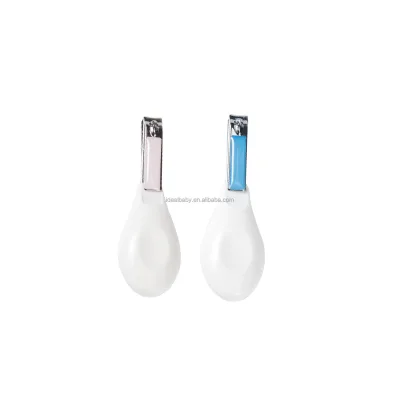
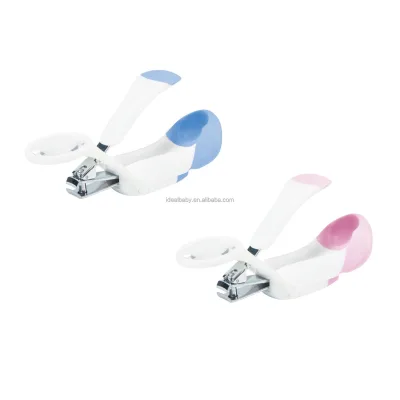


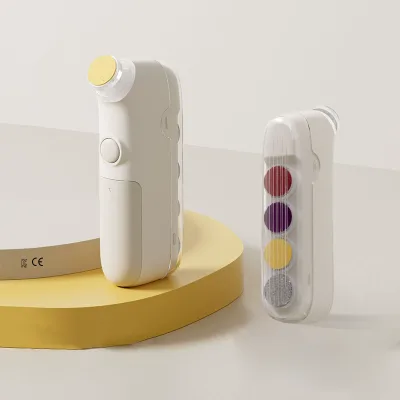


$0.09 - $0.10
MOQ: 24000 Pieces


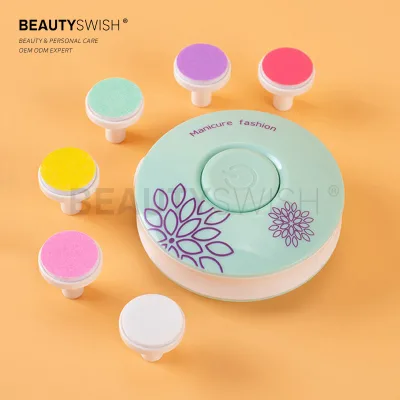


Comprehensive Sourcing Guide
Strategic Sourcing Guide for Portable Baby Nail Clippers
Understanding the Technical Landscape and Product Variants
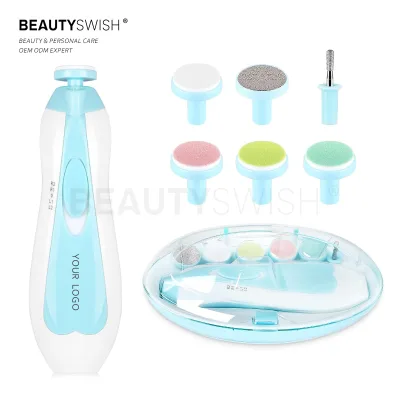
When sourcing portable baby nail clippers, buyers must first navigate a diverse technical landscape where product attributes vary significantly based on the intended mechanism and target demographic. The market presents distinct categories ranging from electric grooming tools to manual stainless steel cutters. A critical observation in the current supply chain is the existence of electric models featuring specific power requirements, such as a 24V voltage specification or alternative low-voltage configurations like 0.14A. These electric units often boast advanced features including dual-speed settings and multiple grinding heads, designed to provide a safer, vibration-free trimming experience for infants. The physical dimensions of these electric devices are compact, with some models measuring approximately 666627mm, ensuring they remain truly portable for travel or on-the-go use.
In contrast, the manual segment of the market relies on high-grade materials rather than electrical components. The primary material composition for these manual clippers is typically a combination of stainless steel for the cutting blade and polypropylene (PP) or thermoplastic elastomer (TPE) for the handle. This material pairing ensures durability while maintaining a soft grip, which is essential when handling a squirming baby. The weight of these manual units is notably light, with specific observations of weights around 59.7g to 92g, reducing hand fatigue for parents during repeated use. The design often incorporates a flat head shape to prevent accidental injury, and the color palette is vibrant, frequently offering options in pink, blue, green, red, and white to appeal to different consumer preferences.
The following table summarizes the key technical distinctions observed between the primary product types available in the current market:
| Feature Category | Electric Grinding Model | Manual Cutter Model |
|---|---|---|
| Primary Power Source | Electric (24V or 0.14A) | Manual (Human Force) |
| Key Materials | Plastic housing, Steel head | Stainless Steel, PP, TPE |
| Weight | 92g | 59.7g |
| Dimensions | ~666627mm | Varies (e.g., 4131130mm) |
| Key Features | 2 Speed, 6 Grinding Heads | Flat Head, Safety Guard |
| Target Use | Nail filing and shaping | Precise cutting of fingernails/toes |
Buyers must carefully distinguish between these variants when drafting technical specifications, as the supply chain requirements for an electric device differ vastly from those for a manual tool. The electric models require verification of battery models and charging methods, while manual models demand rigorous scrutiny of the steel alloy quality and the ergonomics of the handle design.
Compliance Verification and Safety Standards
Safety is the paramount concern when procuring products intended for infant use. While specific certification documents are not universally guaranteed for every listed item, buyers must treat compliance as a non-negotiable prerequisite. The market often references international safety benchmarks, such as EN71, which is a standard for the safety of toys. Although the presence of this standard in background data does not confirm that every product meets it, it serves as a critical verification point for procurement teams.
When evaluating suppliers, buyers should explicitly request test reports that validate the product against relevant safety standards. For electric clippers, this includes verifying electrical safety, battery stability, and the absence of hazardous materials in the housing. For manual clippers, the focus shifts to the sharpness of the blade, the smoothness of the edges to prevent cuts, and the structural integrity of the plastic components. The material composition, specifically the use of stainless steel and PP+TPE, must be verified to ensure they are free from harmful chemicals like BPA or phthalates, which are strictly regulated in products for babies.
Buyers should not assume that a product listing implies full compliance. Instead, the procurement process must include a step where the supplier provides third-party laboratory test results. These results should confirm that the product meets the safety requirements of the destination market. For instance, if the product is destined for the European Union, verification against EN71 is essential. If the target is North America, compliance with ASTM F963 or similar standards should be requested. The absence of a specific certification claim in a product description should trigger a direct inquiry to the supplier rather than an assumption of safety.
Cost Drivers and Pricing Dynamics
The pricing structure for portable baby nail clippers is influenced by several dynamic factors, primarily the complexity of the manufacturing process and the materials used. The observed price range in the market spans from $0.09 to $5.01 per unit, a significant variance that reflects the difference between basic manual tools and sophisticated electric devices.
For manual clippers, the cost is driven by the quality of the stainless steel used for the blade and the molding precision of the plastic handles. The inclusion of TPE for soft-touch grips adds a slight cost premium but significantly enhances user experience. Packaging also plays a role; products sold in blister cards are generally more cost-effective than those requiring customized packaging or individual color boxes. The "Single package size" of 10x7x5 cm is a standard metric that influences shipping costs, particularly for bulk orders where volume efficiency is key.
Electric models command a higher price point due to the inclusion of motors, batteries, and electronic control circuits. The "2 Speed" and "6 Grinding Head" features add complexity to the assembly line, increasing the unit cost. Additionally, the "Customized" nature of many products allows for branding and packaging modifications, which can further impact the final price. Buyers should be aware that the "MOQ" (Minimum Order Quantity) varies widely, from as low as 1 piece for sampling to 24,000 pieces for large-scale production runs. This variability means that the unit price is highly sensitive to order volume; larger orders typically yield lower per-unit costs, but the initial investment is higher.
Typical Applications and Usage Scenarios
The application of portable baby nail clippers extends beyond simple grooming; it is a critical component of infant hygiene and parental care. The primary usage scenario is the home environment, where parents perform daily or weekly nail maintenance. The "Home" designation in product attributes confirms that these tools are designed for non-professional, domestic use.
The specific applications vary by product type. Electric clippers with grinding heads are ideal for softening and filing nails without the risk of cutting the skin, making them particularly suitable for newborns with very soft nails that are difficult to cut with traditional scissors. The "Safety" feature is paramount here, as it prevents accidental nicks. Manual clippers, with their "Flat Head" design, are better suited for older infants and toddlers with harder nails that require a clean cut. The "Use" attribute often specifies "Finger, Toe," indicating the versatility of the tool for both hand and foot care.
Furthermore, the portability of these devices makes them essential for travel. The compact dimensions and lightweight nature of the products allow parents to carry them in diaper bags or travel kits. The "Customized" logo option suggests that these products are also frequently used as promotional items or gifts for baby showers, extending their application into the marketing and gifting sectors. The "Baby" age group specification ensures that the design is scaled appropriately for small hands and delicate skin, reinforcing the specialized nature of the product category.
Supplier Evaluation and Production Capabilities
Selecting the right supplier requires a deep dive into their production capabilities and geographic location. The supply chain for these products is heavily concentrated in China, with specific manufacturing hubs identified in Zhejiang and Guangdong provinces. These regions are known for their expertise in plastic molding and metal fabrication, which are the core processes for producing baby nail clippers.
When evaluating suppliers, buyers should verify their capacity for OEM (Original Equipment Manufacturer) and ODM (Original Design Manufacturer) services. The availability of "OEM/ODM" options indicates that suppliers are flexible enough to customize product designs, colors, and branding to meet specific buyer requirements. The "Customized" attribute for colors, such as "Daisy Yellow, White, Green, Pink, Red," demonstrates a supplier's ability to offer a wide range of aesthetic options.
However, buyers must also scrutinize the production lead times. The observed "Lead Time" of 35-45 days is a critical factor in supply chain planning. This duration accounts for the time required for mold creation, production, quality control, and packaging. For urgent orders, this lead time may be a constraint, and buyers should discuss potential expedited options with the supplier. Additionally, the "MOQ" of 3,600 pieces for certain models suggests that some suppliers have a threshold for cost-effective production. Buyers planning smaller orders must identify suppliers who can accommodate lower volumes without compromising quality or pricing.
Quality Control and Long-Term Procurement Strategy
Implementing a robust quality control (QC) strategy is essential to ensure that every batch of portable baby nail clippers meets safety and performance standards. Given the "Single gross weight" of 0.100 kg and the "Single package size" of 10x7x5 cm, packaging integrity is a key QC metric. The "20 Sets/Carton" packing configuration for larger orders requires careful attention to ensure that the cartons are sturdy enough to prevent damage during transit.
Buyers should establish a clear QC protocol that includes pre-production samples, in-process inspections, and final random inspections. For electric models, functional testing of the motor and battery life is mandatory. For manual models, visual inspections for burrs, sharp edges, and color consistency are necessary. The "Advantage" of "babycare tools" implies a high standard of care, which must be reflected in the final product.
Long-term procurement considerations involve building a relationship with suppliers who can offer consistent quality and scalability. The "Customized logo" and "Customized packaging" options suggest that buyers may wish to build a brand around these products. Therefore, selecting a supplier who is reliable in meeting lead times and maintaining quality consistency is more valuable than simply choosing the lowest price. The "Type: OEM" attribute indicates that the supplier is capable of producing private-label goods, which is a strategic advantage for buyers looking to establish a unique market presence.
In conclusion, sourcing portable baby nail clippers requires a balanced approach that considers technical specifications, safety compliance, cost drivers, and supplier capabilities. By focusing on verified attributes and maintaining a rigorous quality control process, buyers can secure a supply chain that delivers safe, high-quality products for the infant care market. The diversity of options, from electric grinders to manual cutters, offers flexibility to meet various consumer needs, provided that the procurement strategy is grounded in factual data and rigorous verification.
FAQs
What are the key features of electric portable baby nail clippers?
Electric models feature dual speeds and six grinding heads for safe nail filing. These units typically operate at 24V or 0.14A and weigh around 92 grams. They are designed for home use with safety guards to prevent skin injury during grooming.
Which materials are used for manual baby nail clipper blades?
Manual clippers primarily use stainless steel for the cutting blade to ensure durability and sharpness. Handles often combine polypropylene or TPE for a soft grip. This material pairing reduces hand fatigue while maintaining structural integrity for precise cutting.
Can buyers request customized colors and logos for bulk orders?
Yes, customization is available for both colors and logos on most models. Suppliers offer options like pink, blue, green, red, and white. Customized packaging and branding are also supported, making these items suitable for promotional use or private label distribution.
What is the typical lead time for manufacturing portable baby nail clippers?
The standard lead time for production ranges from 35 to 45 days. This duration covers mold creation, assembly, quality control, and packaging preparation. Buyers should plan their inventory accordingly to account for this manufacturing window before delivery.
How does the minimum order quantity vary for different models?
Minimum order quantities vary significantly, ranging from 1 piece for sampling up to 24,000 pieces for large production runs. Specific models may require a baseline of 3,600 pieces to ensure cost-effective manufacturing. Buyers should verify the MOQ for their selected model.
Where are the manufacturing facilities for these products located?
Manufacturing facilities are primarily located in Zhejiang and Guangdong provinces in China. These regions specialize in plastic molding and metal fabrication required for these tools. Buyers can expect supply chain operations to originate from these specific Chinese manufacturing hubs.