Source Portable Battery Powered Shiatsu Massager for Home, Office, Travel
Find 30 Portable Battery Powered Shiatsu Massager options with electric heating and remote control features. Compare models like CSM-660 and WY-A7 for full-body relief, neck pain, and relaxation in home, spa, or office settings.
Key considerations
Products List


Mini Shoulder Massager Electric Shiatsu Body Back Neck Shoulder Massage Belt
$11.00 - $12.30
MOQ: 500 Pieces


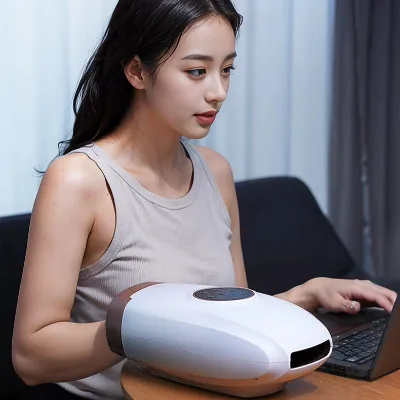


Shiatsu Neck Shoulder Massager with Heat Portable Electric Kneading Massager
$15.00 - $25.00
MOQ: 2 Pieces

Kneading Neck Shoulder Massager with Heat Electric Shiatsu Neck Back Massager
$13.00 - $19.00
MOQ: 1 Pieces
Comprehensive Sourcing Guide
Strategic Sourcing Guide for Portable Battery Powered Shiatsu Massagers
Understanding Product Definitions and Core Attributes
When sourcing a portable battery-powered shiatsu massager, buyers must first distinguish between the specific mechanical actions and power configurations available in the current market. The term "shiatsu" refers to a massage technique involving finger pressure, kneading, and rolling motions, often simulated by rotating nodes or balls within the device. In the context of portable units, the primary distinction lies in the power source. While many high-end portable models rely on internal rechargeable batteries for true cordless mobility, the market also contains units that utilize DC power adapters or car adapters, which may be marketed as portable but require an external power source for extended use.
Based on observed product data, the core functionality of these devices typically includes kneading, shiatsu, and heating modes. The heating function is frequently electric, utilizing electric heating elements to provide warmth to the targeted muscle groups. The applicability of these devices is broad, often targeting the neck, shoulder, back, waist, and even the calf or foot. However, buyers must verify the specific "Applicable Parts" for each model, as some units are designed strictly for the neck and shoulders, while others claim full-body application. The presence of a remote control is another critical variable; some models include a remote for operation, while others rely on manual buttons or touch controls. This distinction significantly impacts user experience, particularly for users who may have difficulty reaching the device while wearing it.
Technical Specifications and Power Configuration Analysis
Technical due diligence is paramount when evaluating portable shiatsu massagers, particularly regarding voltage compatibility and power delivery. The market exhibits a range of voltage specifications, from DC 12V systems, which are often designed for vehicle use, to AC 100-240V systems suitable for home and office environments. For a truly portable battery-powered experience, the device must integrate a robust internal battery capable of sustaining the motor and heating elements for a defined duration. Observed data indicates a working time of approximately 15 minutes for certain models, which serves as a benchmark for battery capacity expectations.
Buyers should scrutinize the power consumption ratings, which can vary from 48W for larger units to lower wattages for compact neck massagers. The power type is consistently electric, but the implementation differs. Some units are designed as "Electric Chair Massagers" with robotic designs, while others are handheld or wearable belts. The "Type" attribute often categorizes these as vibrating massagers or shiatsu massagers, though the mechanism may combine both. When sourcing, it is essential to confirm whether the "portable" claim relies on a built-in battery or if the unit is merely a lightweight device that requires a plug-in adapter. The packaging dimensions also provide clues about the internal battery size; for instance, a unit with a packaging size of 32138cm suggests a more compact form factor compared to a unit measuring 5637.542.5cm, which likely houses a larger battery or additional components.
Compliance, Certification, and Safety Standards
In the B2B procurement of electronic health and wellness devices, compliance is non-negotiable. The supply chain for portable massagers must adhere to strict safety and environmental regulations. Based on available product attributes, the CE and RoHS certifications are standard expectations for these devices. The CE mark indicates conformity with health, safety, and environmental protection standards for products sold within the European Economic Area, while RoHS (Restriction of Hazardous Substances) ensures that the device does not contain specific hazardous materials like lead or mercury.
Buyers must verify that the supplier can provide valid test reports confirming these certifications for the specific model being sourced. It is important to note that while some background information may reference standards like ISO 13485, this should not be assumed as a universal fact for every listed product without explicit verification. The procurement process requires a request for certification documents for each batch or model. Additionally, the voltage specifications must align with the target market's electrical standards. For example, a device rated for 110/220V/50Hz offers greater versatility for global distribution than a unit limited to a single voltage. Ensuring that the power adapters included in the accessories, such as the DC12V car adapter or home adaptor, are also certified for the destination market is a critical step in the compliance checklist.
Cost Drivers and Pricing Structure Variables
The pricing structure for portable shiatsu massagers is influenced by several key variables, including the complexity of the shiatsu mechanism, the inclusion of heating elements, and the quality of the battery system. The observed price range in the market spans from 1 USD to 3000 USD, indicating a vast disparity between basic entry-level units and premium, feature-rich models. This wide range suggests that cost drivers are not linear. A basic vibrating massager may sit at the lower end of the spectrum, while a model with advanced robotic design, multiple heating zones, and a high-capacity battery will command a significantly higher price.
The Minimum Order Quantity (MOQ) is another critical factor affecting the total cost of ownership. The observed MOQ range is 1 to 500 pieces. High-volume buyers may negotiate lower unit costs by meeting higher MOQ thresholds, such as 500 pieces, which is a common requirement for custom-branded or OEM orders. Conversely, buyers seeking to test the market can often source with an MOQ of 1, though the per-unit price will be higher. Customization options, such as logo printing and specific color selections (e.g., Black, Gray, Red, Orange), also impact the final cost. These customizations typically require a higher MOQ and may incur additional setup fees. Buyers must balance the desire for customization against the budget constraints and the volume required to achieve a competitive unit price.
Supplier Evaluation and Operational Capabilities
Selecting the right supplier involves more than just comparing unit prices; it requires a deep dive into the supplier's operational capabilities and production standards. The origin of the products is a significant indicator of supply chain maturity. Many of the observed products originate from Fujian, Ningde, China, a region known for its manufacturing ecosystem in the consumer electronics and wellness device sector. When evaluating suppliers, buyers should verify the production location and assess the facility's capacity to meet demand.
The lead time is a crucial operational metric. Observed data suggests a lead time of 10 to 20 days for production, but this can vary based on order volume and customization requirements. Suppliers with a consistent track record of meeting these timelines are preferable to those with fluctuating delivery schedules. Furthermore, the "Standard" attribute, such as packaging configurations (e.g., 10pcs/ctn or specific carton dimensions like 70x53x42.5 cm), provides insight into the supplier's logistics efficiency. A supplier that offers standardized packaging and clear production models (e.g., CSM-660, WY-A7, CSM-110) demonstrates a level of organization that facilitates smoother order processing. Buyers should also inquire about the supplier's ability to handle "OEM" (Original Equipment Manufacturer) requests, as many products in this category are sold under private labels. The availability of customization, including logo placement and color options, is a strong indicator of a supplier's flexibility and willingness to partner with buyers on branding strategies.
Quality Control and Long-Term Procurement Strategy
Quality control in the massager industry extends beyond initial product inspection to include long-term reliability and after-sales support. Given the mechanical nature of shiatsu massagers, which involve moving parts like rotating nodes and motors, durability is a primary concern. Buyers should establish a rigorous quality control protocol that includes testing for motor longevity, heating element safety, and battery cycle life. The working time of 15 minutes observed in some models serves as a baseline for battery performance testing. Buyers must verify if this duration is consistent across the production batch and if the battery degrades significantly over time.
For long-term procurement, establishing a relationship with a supplier who offers consistent quality and reliable lead times is essential. The "Style" attribute, such as "Luxury" or "Robotic Massager," indicates the market positioning of the product. Buyers should ensure that the quality of materials and finish matches the intended brand positioning. Additionally, the inclusion of accessories like operation manuals and specific adapters (DC12V for car, home adaptor) is a key quality indicator. A supplier that provides comprehensive documentation and high-quality accessories demonstrates a commitment to customer satisfaction. Finally, buyers should consider the scalability of the supply chain. As demand grows, the supplier must be able to increase production without compromising quality or extending lead times beyond acceptable limits. Regular audits and sample testing should be part of the ongoing procurement strategy to maintain product integrity.
Application Scenarios and Market Fit
The versatility of portable shiatsu massagers makes them suitable for a wide range of applications, from home use to professional settings. The "Application" attribute often lists Home, SPA, and Office as primary use cases. In a home environment, these devices serve as personal wellness tools for relaxation and pain relief. In SPA settings, they may be used as part of a broader treatment plan, requiring a more luxurious design and robust build quality. In an office context, the portability and quiet operation of the device are critical, as they allow users to receive massage therapy without disrupting the work environment.
The "Design Type" and "Style" attributes play a significant role in determining the market fit. A "Robotic Massager" with a "Luxury" style is better suited for high-end SPA or premium home markets, while a simpler "Vibrating Massager" may be more appropriate for budget-conscious office or home users. The "Applicable Parts" also dictate the application; a device targeting the neck and shoulders is ideal for office workers suffering from "tech neck," while a full-body unit is better for home or SPA use. Buyers should align their product selection with the specific needs of their target customer base. Understanding these application nuances ensures that the sourced products meet the functional and aesthetic expectations of the end-users, thereby driving higher sales and customer satisfaction.
Conclusion and Procurement Best Practices
Sourcing portable battery-powered shiatsu massagers requires a balanced approach that considers technical specifications, compliance, cost, and supplier reliability. By carefully analyzing the product attributes, such as voltage, heating modes, and certification status, buyers can make informed decisions that align with their market requirements. The wide range of prices and MOQs offers flexibility, but it also demands rigorous due diligence to avoid pitfalls. Verifying certifications like CE and RoHS, understanding the true nature of the power source, and evaluating the supplier's production capabilities are essential steps in the procurement process.
Ultimately, the success of a sourcing initiative depends on the ability to match the right product to the right application while maintaining high quality standards. By focusing on these key areas, buyers can build a resilient supply chain that delivers value to their customers and supports long-term business growth. The dynamic nature of the wellness market means that staying informed about new models, technologies, and standards is an ongoing responsibility for any procurement professional in this sector.
FAQs
What certifications do portable battery powered shiatsu massagers have?
These devices typically carry CE and RoHS certifications to ensure safety and environmental compliance. Buyers must verify valid test reports for each specific model before procurement to confirm adherence to these standards.
How long does the battery last on these massagers?
Observed working times for these units are approximately 15 minutes per charge. This duration serves as a benchmark for battery capacity, though actual performance may vary depending on the specific model and heating usage.
Which power types are available for portable shiatsu massagers?
Available power configurations include DC 12V for car use and AC 100-240V for home environments. Some units rely on external adapters rather than internal batteries, so verify the power source before purchasing.
Can I customize the logo and color of the massager?
Customization options including logo printing and color selection like black or gray are available for many models. These customizations typically require meeting a minimum order quantity, often around 500 pieces, to proceed.
What is the lead time for manufacturing these massagers?
The standard lead time for production ranges from 10 to 20 days. This duration can vary based on order volume and specific customization requirements, so confirm timelines with the supplier early in the process.
Which massagers include remote control functionality?
Some portable shiatsu massagers come with a remote control for easier operation, while others rely on manual buttons. Buyers should check the specific product attributes to confirm if a remote is included with the unit.
What are the typical packaging dimensions for these products?
Packaging sizes vary by model, with examples ranging from 32x13x8cm to 56x37.5x42.5cm. These dimensions reflect the internal components and battery size, influencing shipping costs and storage requirements for buyers.