Source Portable Black Garment Steamer for Hotel, Home, and Travel
Find 30 Portable Black Garment Steamer options with features like automatic shut-off, adjustable steam levels, and detachable water tanks. Compare specifications from Ningbo manufacturers to select the ideal vertical steamer for commercial, hotel, or personal use; compare the available evidence and request quotations based on your requirements.
Key considerations
Products List


Handheld Portable Clothes Steamer Garment Electric with Spray Steamer Iron
$7.50 - $9.80
MOQ: 1000 Pieces


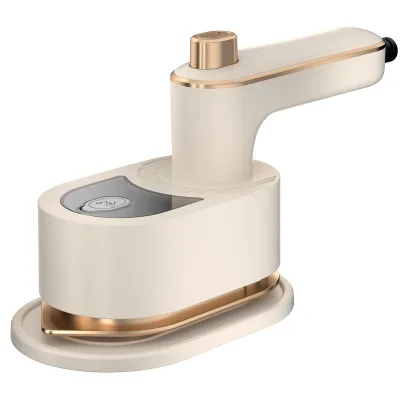

Portable Handheld Design Strong Penetrating Steam Garment Steamer Fabric Steamer Steam Iron
$2.14 - $4.14
MOQ: 322 Pieces


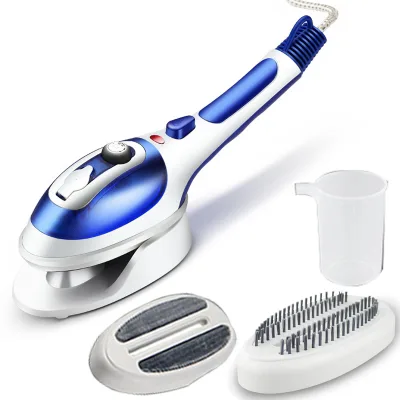
Portable Steam Iron for Both Dry and Wet Use Handheld Mini Home Garment Steamer
$12.00 - $13.00
MOQ: 1000 Pieces





Comprehensive Sourcing Guide
Portable Black Garment Steamer Sourcing Guide
Sourcing a Portable Black Garment Steamer requires balancing aesthetic preferences with functional performance metrics that directly impact user satisfaction and operational efficiency. Buyers must recognize that while the visual appeal of a black finish is a common market demand, the underlying engineering determines the device's reliability in both home and commercial environments. The observed product landscape indicates a strong presence of miniaturized units designed for vertical and horizontal use, catering to travelers, hotel staff, and retail professionals who need quick, effective wrinkle removal without the bulk of traditional irons.
Procurement decisions should prioritize verification of steam output consistency and heat-up times, as these factors dictate the practical utility of the device during peak usage periods. The market data suggests a wide variance in power ratings and water capacity, ranging from compact 150ml tanks to larger 280ml reservoirs, which influences continuous steam duration. Understanding these technical distinctions is crucial for aligning product selection with specific end-user scenarios, ensuring that the chosen steamer meets the expected workload without frequent refilling or overheating issues.
Product Scope and Observed Listing Signals
The current market for portable steamers features a diverse array of models, with observed listings indicating a price range between $2.14 and $24.50 USD, reflecting significant variation in build quality and feature sets. Minimum order quantities (MOQs) vary widely from 8 to 2000 units, allowing flexibility for both small boutique orders and large-scale corporate procurement. Buyers should note that many suppliers offer customization options, including logo printing and packaging adjustments, which are essential for private label branding strategies in competitive retail markets.
Key product attributes observed include automatic shut-off features, electronic temperature control, and multiple steam level settings, which are critical for safety and fabric care. The presence of accessories such as lint brushes, fabric brushes, and hair brushes adds value for consumers, enhancing the device's versatility for different textile types. Additionally, the availability of various plug types, including UK, US, AU, EU, and CN standards, highlights the global nature of the supply chain and the need for region-specific compliance verification before finalizing any purchase agreement.
Technical Specifications to Verify
When evaluating technical specifications, buyers must closely examine the power consumption and steam rate to ensure adequate performance for the intended application. Observed data indicates power ratings typically fall between 1000W and 1500W, with some models exceeding 1500W for faster heat-up times, often around 20 seconds. The steam rate is a critical metric, with many units offering 27-32g/min output and three distinct steam levels, allowing users to adjust intensity based on fabric thickness and wrinkle severity.
Water capacity and tank design are also vital considerations, with options ranging from 150ml detachable tanks to 280ml fixed reservoirs. Detachable tanks offer convenience for refilling and cleaning, while larger capacities support longer continuous steam usage, typically lasting 12-15 minutes. Buyers should verify the power cord length, which is commonly 1.80 meters, and ensure it meets safety standards for the target market. Additionally, the soleplate material, whether stainless steel or aluminum with ceramic coating, affects glide performance and durability, requiring careful selection based on expected usage frequency.
Compliance and Safety Documentation
Compliance with international safety standards is non-negotiable for portable steamers, particularly given their electrical nature and water content. Buyers must request certification documents such as CE, GS, RoHS, and CB, which verify that the product meets essential health, safety, and environmental protection requirements for various global markets. These certifications are critical for customs clearance and market access, ensuring that the steamer does not pose electrical shock or fire hazards during normal operation.
Specific safety features like anti-drip mechanisms and automatic shut-off functions must be validated through test reports to ensure they activate correctly under fault conditions. For instance, some models feature no-water protection within 30 seconds and no-operation protection after 8 minutes, which are crucial for preventing damage to the device and ensuring user safety. Buyers should insist on clear documentation of these protective mechanisms and verify that the product labeling accurately reflects these safety features to avoid liability issues in the event of misuse or malfunction.
Cost Drivers and Commercial Terms
Cost structures for portable steamers are influenced by material choices, manufacturing complexity, and order volume. Stainless steel soleplates and aluminum bodies with ceramic coatings generally command higher prices due to superior durability and performance compared to basic plastic alternatives. The inclusion of additional accessories, such as lint and fabric brushes, as well as custom packaging, also contributes to the final unit cost, requiring buyers to carefully balance feature sets against budget constraints.
Commercial terms, including MOQs and lead times, vary significantly among suppliers, with some offering low MOQs for sample orders and others requiring bulk commitments for competitive pricing. Buyers should negotiate clear terms regarding payment methods, shipping responsibilities, and warranty coverage to mitigate financial risks. Understanding the total landed cost, including tariffs and logistics, is essential for accurate margin calculation, especially when sourcing from regions like Ningbo, China, where many manufacturers are located.
Supplier Qualification and Quality Control
Supplier qualification involves assessing manufacturing capabilities, quality management systems, and past performance records. Buyers should prioritize suppliers with proven experience in producing electrical appliances and those who can provide detailed product specifications and compliance certificates. Factory audits, whether conducted in person or through third-party agencies, are recommended to verify production processes, raw material sourcing, and final inspection protocols.
Quality control measures should include pre-production sample approval, in-line production checks, and random sampling of finished goods before shipment. Buyers must establish clear acceptance criteria for cosmetic defects, functional performance, and packaging integrity to ensure consistency across batches. Implementing a robust quality assurance plan helps minimize the risk of receiving defective products, protecting brand reputation and reducing return rates in the end market.
Long-Term Procurement Checks
Long-term procurement success depends on establishing strong relationships with reliable suppliers and maintaining open communication channels for continuous improvement. Buyers should regularly review supplier performance metrics, including on-time delivery rates, product quality consistency, and responsiveness to issues. Building a diversified supplier base can mitigate risks associated with supply chain disruptions and provide leverage in negotiations for better pricing and terms.
Continuous monitoring of market trends and technological advancements in garment care devices is essential for staying competitive. Buyers should stay informed about new features, such as improved steam technology or eco-friendly materials, that may enhance product appeal. Regularly updating procurement strategies to align with changing consumer preferences and regulatory requirements ensures that the sourced products remain relevant and compliant in the evolving global market.
FAQs
What certifications do the portable black garment steamers have?
The portable black garment steamers carry CE, GS, RoHS, and CB certifications. These standards ensure safety and compliance for international markets. Buyers can verify these documents before placing orders to meet local regulatory requirements for electrical appliances.
How long does it take for the steamer to heat up?
The steamer heats up in approximately 20 seconds with a tolerance of plus or minus five seconds. This rapid heat-up time allows users to start ironing or steaming clothes immediately without waiting, making it efficient for busy households or commercial settings.
Can the water tank be detached for easier filling?
Yes, the water tank is detachable and holds 150ml of water. This design allows users to fill the tank easily without spilling. The detachable feature also simplifies cleaning and maintenance, ensuring the device remains hygienic for repeated use on various fabrics.
What is the steam rate for continuous operation?
The steam rate ranges from 27 to 32 grams per minute. This output supports continuous steam for 12 to 15 minutes. Users can choose from three steam levels to adjust the intensity based on the fabric type, ensuring effective wrinkle removal without damaging delicate materials.
Which plug types are available for international use?
The steamers support UK, US, AU, EU, and CN plug types. This versatility allows buyers to select the correct plug for their specific region. Customization is available to match local electrical standards, ensuring safe and convenient operation in different countries without needing adapters.
What is the minimum order quantity for bulk purchases?
The minimum order quantity is 1000 pieces for standard orders. Some listings show a range from 8 to 2000 units depending on the supplier. Buyers should confirm specific MOQ requirements with manufacturers to negotiate pricing and ensure supply chain flexibility for their business needs.
Where are the portable black garment steamers manufactured?
These steamers are manufactured in Ningbo, China. The production location is a major hub for appliance manufacturing, offering reliable supply chains. Buyers can expect consistent quality and efficient logistics from this region when sourcing these portable devices for global distribution.