Source Portable Home Use Derma Roller for Skin Care
Find and compare 30 Portable Home Use Derma Roller options for facial rejuvenation, pore shrinking, and anti-aging treatments. These devices feature stainless steel or titanium needles in various sizes to support skin care routines.
Key considerations
Products List


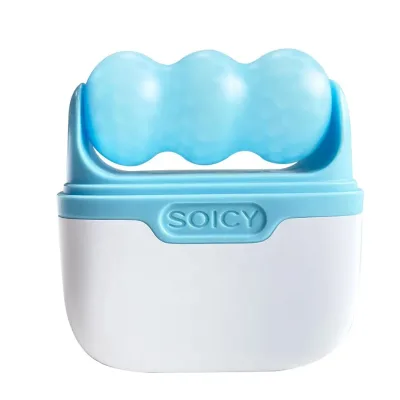


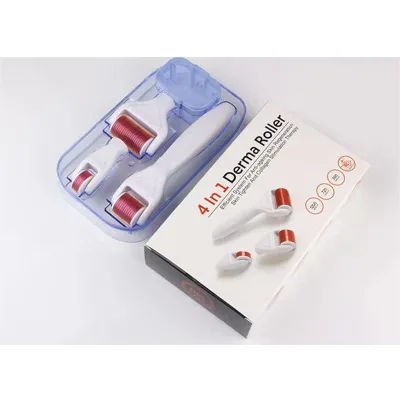


Microneedle Roller Skin Care Tool Professional Derma Roller for Home & Salon Use
$0.30 - $1.20
MOQ: 1000 Pieces


Comprehensive Sourcing Guide
Portable Home Use Derma Roller Sourcing Guide
Sourcing derma rollers for home use requires a careful balance between clinical efficacy and consumer safety. These devices are primarily designed for skin rejuvenation, wrinkle removal, and anti-aging treatments, with some models also supporting hair and beard regrowth. The market offers a wide variety of options, ranging from basic stainless steel rollers to more advanced titanium alloy systems. Buyers must navigate this landscape by focusing on needle material quality, size specifications, and the intended application environment, ensuring that the selected products meet both regulatory standards and end-user expectations for safety and performance.
The procurement process involves evaluating multiple product attributes, including needle length, handle design, and packaging options. Observed listings indicate a diverse range of models, such as the 540 derma roller, G540A, and various derma pen configurations, each catering to different user needs. Understanding these distinctions is crucial for selecting the right inventory mix. Buyers should prioritize suppliers who offer customization services, such as custom logos and OEM packaging, to align with brand identity while maintaining strict quality control over the manufacturing process.
Product Scope and Observed Listing Signals
The product scope for portable home use derma rollers encompasses a variety of designs tailored for facial and scalp treatments. Key applications include skin rejuvenation, pore shrinking, and anti-aging benefits, with some models specifically marketed for hair and beard regrowth. The observed listings highlight a strong emphasis on portability and ease of use, making these devices suitable for both salon professionals and home consumers. The target audience is primarily adults with combination skin types, and the products are generally unisex, broadening their market appeal.
Listing signals reveal a significant variation in product models and specifications. Common model identifiers include pc-13-#3586, pc-14-#1976, and XYW5110, among others. These models differ in needle configuration, with some featuring 9 disks and 60 needles, while others may have different arrangements. The handle colors observed are typically golden and silver, with some variants available in pink and blue. Buyers should note that while many products are labeled as "medical grade" or "one-off," these terms should be verified against actual manufacturing standards to ensure they reflect genuine quality rather than marketing language.
Technical Specifications to Verify
Verifying technical specifications is critical to ensuring product performance and safety. The needle size is a primary differentiator, with observed ranges spanning from 0.1mm to 3.0mm. For home use, smaller needle sizes, such as 0.2mm to 0.3mm, are often preferred for superficial treatments, while larger sizes may be used for deeper rejuvenation. Buyers must confirm the exact needle dimensions for each model, as variations can significantly impact user experience and results. Additionally, the needle material, whether stainless steel, titanium, or titanium alloy, affects durability and biocompatibility.
The physical dimensions and packaging of the derma rollers also require attention. Standard packaging dimensions observed include 169.44.1cm and 2088 cm, which influence shipping costs and storage efficiency. Products are typically packed in cartons or individual boxes, with some suppliers offering 1PC/Box and 200PCS/CTN configurations. Buyers should verify the structural integrity of the handles and the stability of the needle disks to prevent breakage or needle loss during use. Customization options, such as logo printing and box design, should be clearly defined in the technical specifications to avoid discrepancies in the final product.
Compliance and Safety Documentation
Compliance and safety documentation are non-negotiable for derma rollers, especially those marketed for home use. Buyers must ensure that suppliers provide relevant certifications, such as CE and ROHS, which indicate adherence to European safety and environmental standards. These certifications are essential for importing products into many international markets and serve as a baseline for product safety. However, buyers should not assume that all listed products automatically hold these certifications; verification through official documentation is necessary.
Beyond basic certifications, buyers should inquire about additional quality standards, such as ISO 9001 or ISO 13485, although these are currently considered low-confidence background information. The presence of such standards would indicate a robust quality management system, but their absence does not necessarily imply non-compliance. Buyers should request test reports or quality assurance documents that confirm the biocompatibility of the needle materials and the sterility of the products. Clear labeling of the shelf life, typically observed as 3 years, is also important for inventory management and consumer trust.
Cost Drivers and Commercial Terms
Cost drivers for derma rollers include needle material, manufacturing complexity, and customization requirements. Titanium alloy needles are generally more expensive than stainless steel due to their superior durability and biocompatibility. The number of needles and the precision of their arrangement also impact production costs. Buyers should consider the trade-off between cost and quality, ensuring that lower-priced options do not compromise on safety or efficacy. Additionally, the cost of packaging and branding, such as custom logos and boxes, will affect the final unit price.
Commercial terms, including MOQ and shipping costs, vary among suppliers. Observed MOQs range from 1 to 1000 pieces, with some suppliers accepting small orders to accommodate new buyers. Shipping costs are sometimes offered as free of charge, but this should be verified for each order to avoid unexpected expenses. Buyers should negotiate clear terms regarding payment methods, delivery timelines, and return policies. Understanding these commercial terms helps in budgeting accurately and managing cash flow, especially when dealing with large volumes or frequent reorders.
Supplier Qualification and Quality Control
Supplier qualification is a critical step in the sourcing process. Buyers should assess suppliers based on their manufacturing capabilities, quality control processes, and track record. Suppliers offering OEM services and custom logo options demonstrate flexibility and a commitment to meeting specific buyer requirements. It is essential to verify the supplier's origin, with many derma rollers originating from China, and to evaluate their ability to maintain consistent quality across batches. Requesting samples before placing large orders allows buyers to physically inspect the product quality and functionality.
Quality control measures should be clearly defined and enforced. Buyers should implement incoming quality checks to verify needle size, material, and handle integrity. Regular audits of the supplier's production line can help identify potential issues early. Establishing a clear communication channel with the supplier for addressing defects or discrepancies is also vital. Buyers should consider third-party inspection services for large orders to ensure that the products meet the agreed-upon specifications. A robust quality control system minimizes the risk of receiving substandard products and protects the buyer's brand reputation.
Long-Term Procurement Checks
Long-term procurement checks involve continuous monitoring of supplier performance and market trends. Buyers should regularly review supplier compliance with certifications and quality standards, ensuring that any changes in manufacturing processes do not affect product safety. Tracking customer feedback and return rates can provide valuable insights into product performance and potential issues. Staying informed about advancements in derma roller technology, such as new needle materials or designs, allows buyers to stay competitive and offer innovative products to their customers.
Building a strong relationship with reliable suppliers is key to long-term success. Buyers should prioritize suppliers who demonstrate transparency, responsiveness, and a commitment to quality. Regular communication and collaboration can lead to better pricing, improved product quality, and faster response times. Additionally, buyers should diversify their supplier base to mitigate risks associated with supply chain disruptions. By maintaining a proactive approach to procurement, buyers can ensure a steady supply of high-quality derma rollers that meet the evolving needs of their customers.
FAQs
What is the needle size range for this derma roller?
The needle size ranges from 0.1mm to 3mm depending on the specific model selected. Users can choose between 0.2mm, 0.25mm, 0.3mm, or up to 3.0mm needles to address different skin concerns like pore shrinking or wrinkle removal.
Can I get a custom logo on the derma roller?
Yes, customization is available for custom logos, boxes, and OEM services. Buyers can request specific branding options to align the product with their own business identity or retail requirements.
Which needle materials are used in these derma rollers?
The needles are made from stainless steel, titanium, or titanium alloy materials. These materials ensure durability and skin-friendliness while supporting functions like hair regrowth and skin rejuvenation for adult users.
What is the minimum order quantity for this product?
The minimum order quantity is 50 pieces, though small orders are generally accepted. Some listings indicate an MOQ range from 1 to 1000 units depending on the specific supplier and customization needs.
How long is the shelf life of the derma roller?
The product has a shelf life of 3 years when stored properly. This duration ensures the device remains effective for home or salon use regarding anti-aging and skin rejuvenation applications.
Are these derma rollers suitable for all skin types?
The product is designed for combination skin types and is suitable for unisex use. It is intended for adult users seeking wrinkle removal and pore shrinking benefits on the face.
What certifications do these derma rollers hold?
The products hold CE and ROHS certifications to meet safety and environmental standards. These certifications indicate compliance with relevant regulations for medical-grade or one-off use devices.