Source Portable IP66 Hydrogen Gas Detector for Industry
Find 30 verified options for the Portable IP66 Hydrogen Gas Detector suitable for industrial safety, outdoor monitoring, and confined space entry. Compare specifications including sensor life, alarm modes, and power sources to select the right device for your needs; compare the available evidence and request quotations based on your requirements.
Key considerations
Products List


Portable Hydrogen Gas Analyzer Gas Leakage Detector H2 Portable Gas Detector
$59.00 - $300.00
MOQ: 1 Pieces


K60b IP67 Portable Gas Detector with Diffusion 0-100ppm H2s Gas Analyzer
$99.00 - $450.00
MOQ: 1 Pieces


Natural Gas Hydrogen Propane Acetone Ethanol Multi-Gas Detection Portable Gas Detector
$101.45 - $390.35
MOQ: 10 Pieces


Industrial and Commercial Combustible Gas Detector for Hydrogen Gas Leak Detection
$93.91 - $109.57
MOQ: 10 Pieces


$98.42 - $278.19
MOQ: 1 Sets


Portable Combustible Gas Detector Hydrogen Gas Detector Flammable Gas Detector
$1500.00 - $2000.00
MOQ: 1 sets
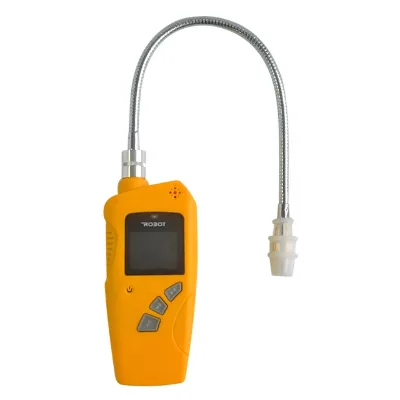

Fast Response Portable H2O2 Hydrogen Peroxide Gas Concentration Detector
$200.00 - $2500.00
MOQ: 1 Pieces


Comprehensive Sourcing Guide
Portable IP66 Hydrogen Gas Detector Sourcing Guide
Procuring a portable hydrogen gas detector with an IP66 rating requires distinguishing between devices designed for general indoor use and those engineered for harsh outdoor environments. The observed product data indicates a mix of units featuring IP66 ingress protection alongside others rated IP67, suggesting that buyers must explicitly verify the specific environmental sealing of the unit intended for their site conditions. While some listings highlight diffusion sampling methods suitable for general monitoring, the IP66 rating specifically confirms protection against water jets, which is critical for outdoor deployment where rain or washdown procedures are common.
Buyers should also scrutinize the power source and sensor longevity, as these factors directly impact operational continuity in remote or hazardous locations. The available data shows a prevalence of rechargeable lithium battery systems, yet sensor life varies significantly between electrochemical and catalytic combustion types, ranging from two to five years depending on the technology. This variance necessitates a clear definition of the expected service life during the procurement phase to ensure the selected device aligns with the maintenance schedule and total cost of ownership expectations for the specific application.
Product Scope and Observed Listing Signals
The current market listings for portable gas detection equipment reveal a diverse range of models, including specific units like the H1600 and K60 series, which offer varying capabilities in detection principles and physical form factors. While some products are explicitly labeled as portable with weights around 120g, others in the same category are marked as non-portable, indicating that the term "portable" in search results may not be uniformly applied across all suppliers. This inconsistency requires buyers to carefully cross-reference the physical dimensions and weight specifications against their operational requirements to ensure the device can be comfortably carried and deployed by field personnel.
Price observations in the current market span a wide range from 59 to 10,000 USD, reflecting the significant differences in sensor technology, certification levels, and build quality among available units. The minimum order quantities are generally low, ranging from one to ten units, which facilitates small-batch testing and pilot deployments without requiring massive upfront capital expenditure. However, the wide price disparity suggests that buyers must look beyond the initial sticker price to evaluate the long-term value provided by the sensor life, alarm reliability, and the robustness of the explosion-proof housing, which are critical for safety-critical applications.
Technical Specifications to Verify
When evaluating technical specifications, the detection principle is the most critical differentiator, as the observed data includes electrochemical, catalytic combustion, and PID technologies, each suited for different gas concentrations and response times. For hydrogen detection specifically, electrochemical sensors are often preferred for their selectivity and low power consumption, yet the presence of catalytic combustion sensors in the listings indicates options for broader flammable gas detection. Buyers must verify that the chosen sensor technology is optimized for hydrogen to avoid false readings or insufficient sensitivity, ensuring the device meets the specific safety thresholds required for their facility.
The alarm system and display interface are equally vital for ensuring immediate operator response during a gas leak event. The available products feature a combination of sound, vibration, and light alarms, with sound levels reaching at least 90dB within one meter, which is essential for noisy industrial environments. Additionally, the display types vary between LCD and 4-digit LED, influencing readability under different lighting conditions. Procurement teams should confirm that the alarm mode, whether acousto-optic or vibration-only, is compatible with the personal protective equipment worn by staff and the ambient noise levels of the work area.
Compliance and Safety Documentation
Safety compliance is paramount when sourcing gas detectors, and the observed listings include various certifications such as CE, RoHS, and CCC, which indicate adherence to international and regional safety standards. However, the explosion-proof grades listed vary, with some units rated Ex Ia II CT4 GB and others Exdib Iic T3, reflecting different levels of protection against explosive atmospheres. Buyers must ensure that the specific explosion-proof grade matches the hazardous area classification of their site, as using a device with insufficient protection in a classified zone can lead to catastrophic failure and regulatory violations.
In addition to electrical safety, the environmental operating parameters must be verified to guarantee reliable performance under the specific conditions of the deployment site. The data indicates working temperature ranges from -20°C to +55°C and relative humidity up to 90% non-condensing, which covers most standard industrial environments. Nevertheless, buyers should confirm that the device's pressure tolerance, listed as 86~106kPa, aligns with the altitude and atmospheric pressure of their location. Failure to match these environmental specifications can result in sensor drift or device malfunction, compromising the safety of the entire operation.
Cost Drivers and Commercial Terms
The total cost of ownership for a portable hydrogen gas detector is driven not only by the initial purchase price but also by the sensor replacement cycle and the warranty terms provided by the supplier. The observed sensor life ranges from two to five years, meaning that a lower upfront cost for a device with a shorter sensor life may result in higher long-term expenses due to more frequent replacements. Buyers should calculate the amortized cost over the device's lifespan, factoring in the cost of replacement sensors and the labor required for calibration and maintenance to make an informed financial decision.
Commercial terms such as minimum order quantities and lead times also play a significant role in the procurement strategy, particularly for organizations requiring immediate deployment or bulk purchasing. While the observed MOQ is low, ranging from one to ten units, larger orders may trigger different pricing tiers or shipping arrangements that affect the overall budget. Additionally, the warranty period, typically listed as one year, should be evaluated against the expected usage intensity; high-frequency use may necessitate extended warranty options or service level agreements to ensure continuous operational readiness without unexpected downtime costs.
Supplier Qualification and Quality Control
Supplier qualification should focus on the manufacturer's ability to provide consistent quality control and traceability for the electronic components and sensors used in the gas detectors. The observed product origin is primarily Nanjing, China, a hub for industrial electronics, but buyers must verify that the specific factory maintains rigorous testing protocols for explosion-proof ratings and sensor accuracy. Requesting third-party test reports or factory audit results can provide assurance that the devices meet the claimed specifications and that the production process is stable and reliable.
Quality control extends to the packaging and shipping process, as the observed standard packing is carton, which must be sufficient to protect the sensitive electronic components during transit. Buyers should confirm that the packaging includes adequate shock absorption and moisture protection, especially for devices with IP66 ratings that rely on sealed enclosures. Ensuring that the supplier uses proper handling procedures and provides clear documentation for the device's calibration status upon delivery is essential to maintain the integrity of the safety equipment from the factory floor to the final point of use.
Long-Term Procurement Checks
Long-term procurement success depends on establishing a robust maintenance and calibration schedule that aligns with the sensor life and operational requirements of the gas detectors. The observed sensor life of 2 to 5 years necessitates a proactive replacement strategy to prevent the use of degraded sensors that may fail to detect hazardous gas levels. Buyers should work with suppliers to define clear intervals for bump testing and calibration, ensuring that the devices remain accurate and compliant with safety regulations throughout their service life.
Finally, buyers must plan for the end-of-life management of the devices, including the availability of spare parts and the supplier's policy on product obsolescence. The diverse range of models and sensor technologies observed in the market suggests that compatibility issues may arise if a specific model is discontinued. Establishing a relationship with a supplier who offers a clear roadmap for product updates and a reliable supply chain for replacement sensors and accessories is crucial to maintaining a safe and compliant gas detection program over the long term.
FAQs
What certifications do these portable detectors have?
These portable detectors carry CE, ISO, RoHS, and CCC certifications. Some models also display CE and RoHS specifically. These certifications ensure compliance with international safety and environmental standards for industrial gas detection equipment.
How long does the sensor last in this device?
Sensor life varies by technology, ranging from two to five years. Catalytic combustion sensors typically last three to five years, while electrochemical sensors often last two to three years. This lifespan depends on usage conditions and exposure levels.
Can the device operate in outdoor environments?
Yes, the device is designed for both indoor and outdoor applications. It features an IP66 ingress protection rating, ensuring it withstands dust and water jets. This makes it suitable for harsh industrial environments and outdoor monitoring tasks.
What power source does the portable unit use?
The unit operates on a rechargeable lithium battery, typically providing 3V or 3.7V power. This portable power source allows for extended field use without external wiring. The battery supports the device's alarm and display functions during operation.
Does the alarm system include vibration and light?
Yes, the alarm method includes sound, vibration, and light signals. The sound level reaches at least 90dB within one meter. This multi-sensory approach ensures the alarm is noticed even in noisy or visually obstructed industrial settings.
Is customization available for this gas detector model?
Customization is available for this product line. Buyers can request specific configurations to meet unique operational needs. This flexibility allows for tailored solutions regarding specifications, packaging, or functional requirements for different industrial applications.
What is the warranty period for this equipment?
The standard warranty period for this equipment is one year. This coverage applies to manufacturing defects and ensures product reliability during the initial usage phase. Buyers should verify specific terms with the supplier for detailed warranty conditions.