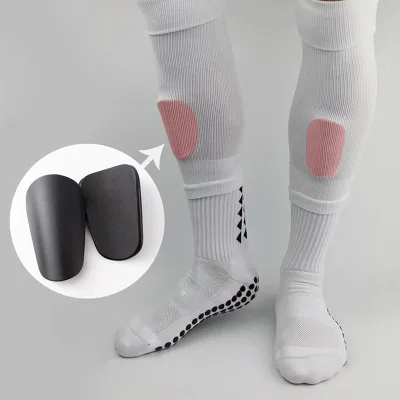
Source Portable Mini Football Shin Guards with Carry Bag
Explore 30 options for Portable Mini Football Shin Guards with Carry Bag. Compare materials like silicone and EVA, check customization features, and review supplier details from China to find the right protective gear for your needs; compare the available evidence and request quotations based on your requirements.
Key considerations
Products List




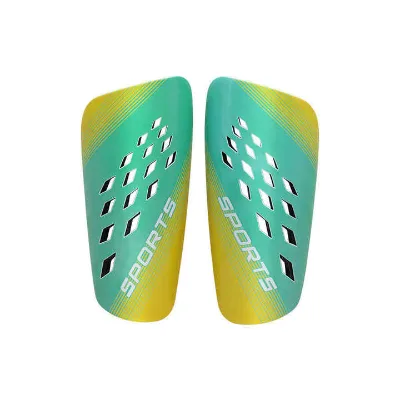
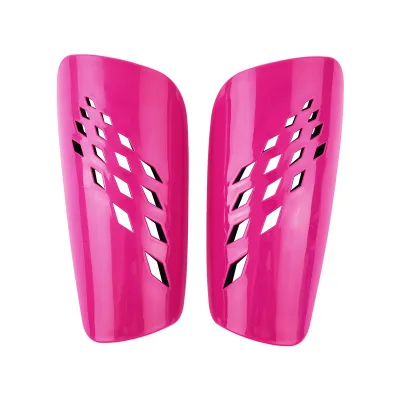
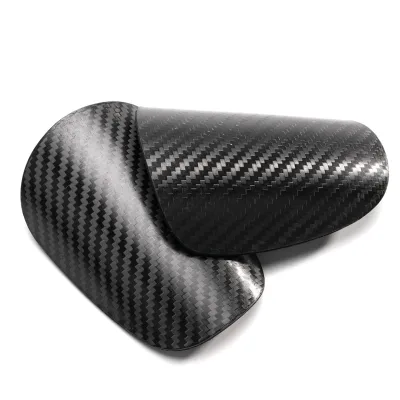

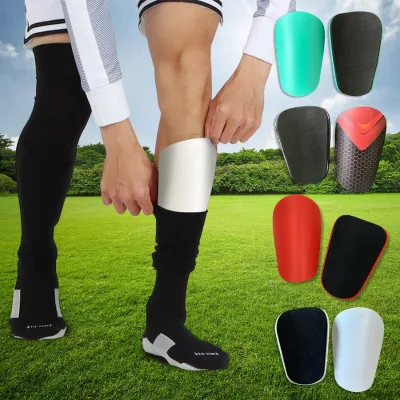
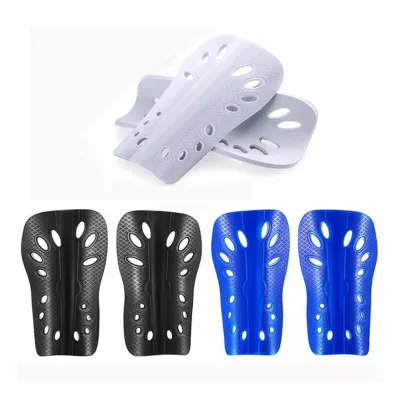
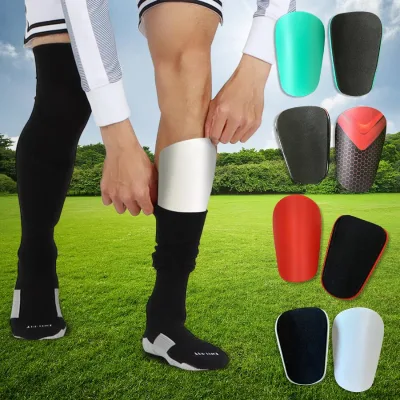


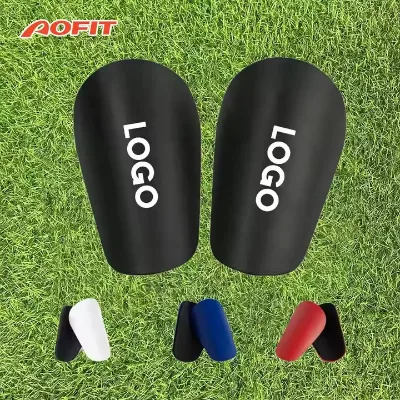
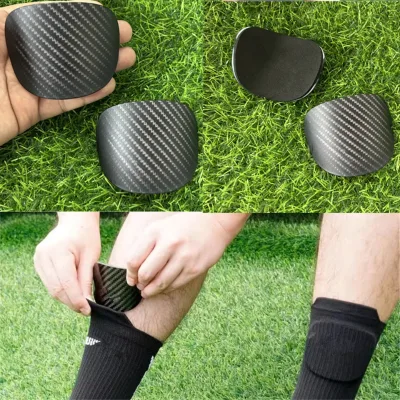


Comprehensive Sourcing Guide
Portable Mini Football Shin Guards with Carry Bag Sourcing Guide
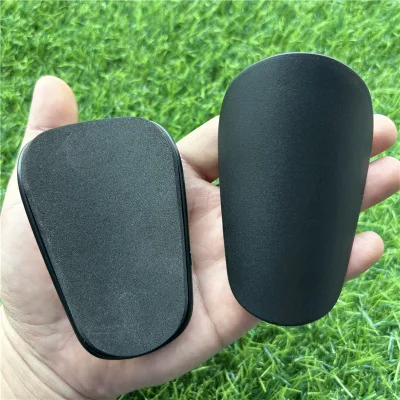
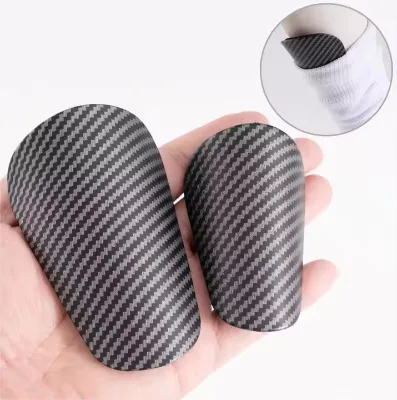
Procuring portable mini football shin guards requires distinguishing between adult and youth-specific designs, as the supplied data indicates distinct size ranges and material compositions for different age groups. Buyers must verify whether the "XS, S, M, L" sizing applies to the specific target demographic, noting that some listings explicitly mention dimensions tailored for kids while others target adult protection needs. This distinction is critical because the application of the product, whether for training or match play, dictates the necessary level of impact absorption and fit.
The observed product attributes reveal a mix of materials ranging from silicone and EVA+PP to metal and nylon mesh, which significantly influences the final weight and durability of the unit. Sourcing teams should prioritize suppliers who clearly define the material composition for each model, as the presence of waterproof PVC or ordinary canvas suggests different use cases regarding weather resistance and breathability. Understanding these material variances ensures the selected shin guards align with the specific environmental conditions and intensity levels of the intended football activities.
Product Scope and Observed Listing Signals
The market listings for portable shin guards display a wide variance in packaging and branding, with some units supplied in PE bags while others arrive in paper boxes or carry bags. This inconsistency in packaging signals a fragmented supply chain where buyers must explicitly confirm the inclusion of a carry bag, as this feature is listed for some models but not universally guaranteed across all product entries. The presence of a carry bag is a key differentiator for portability, directly impacting the convenience factor for players who need to transport their gear between training sessions and matches.
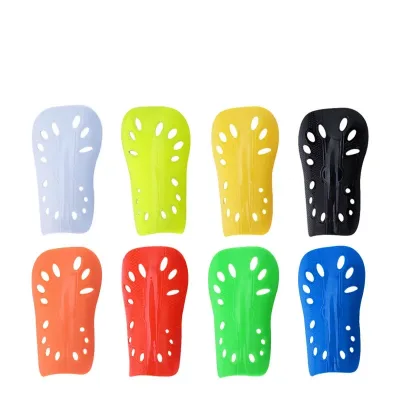
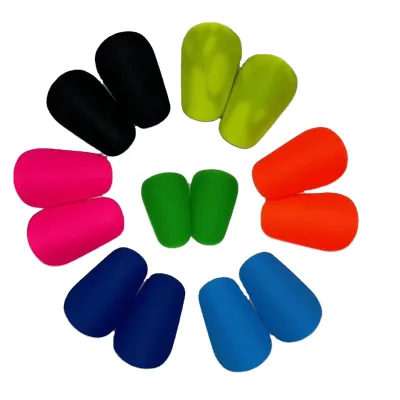
Listing signals also indicate significant flexibility in customization, with options for customized logos, colors, and designs available from multiple suppliers. However, the observed data shows conflicting color descriptions, ranging from specific colors like white and black to generic "picture shows" or "customized color acceptable" statements. Buyers must navigate these signals by requesting physical samples to verify that the final product matches the visual expectations and that the customization options, such as logo placement, meet the team or brand requirements before committing to a bulk order.
Technical Specifications to Verify
Technical verification must begin with the model numbers and dimensions, as the data includes specific codes like VC-SSG341 and HMNH series identifiers alongside varying package sizes. Buyers should cross-reference the single package dimensions, which range from 30x25x3 cm to larger cartons of 95x20x12 cm, to ensure the shipping volume aligns with their logistics capabilities and storage constraints. The weight specifications also vary drastically, from 0.15 kg to 7 kg, necessitating a clear definition of the unit weight to avoid receiving unexpectedly heavy or light products that do not meet the performance criteria.
Material composition is another critical technical specification that requires rigorous validation, given the mix of silicone, EVA+PP, metal, and nylon mesh found in the listings. The application of these materials determines the protective capability, with some products designed for general training and others potentially offering higher durability for competitive play. Buyers must request detailed material safety data sheets or technical cut sheets to confirm that the chosen materials provide adequate shock absorption and do not contain harmful substances, ensuring the shin guards meet the physical demands of the sport.
Compliance and Safety Documentation
Compliance verification is essential when sourcing sports protective gear, particularly given the mention of BSCI standards in the provided product data. While BSCI certification indicates adherence to social compliance standards regarding labor practices, it does not inherently cover product safety or material toxicity. Buyers must therefore request additional documentation, such as material safety certifications or specific sports equipment safety test reports, to ensure the shin guards meet the regulatory requirements of their target market, especially if importing into regions with strict consumer protection laws.
Safety documentation should also address the specific application of the product, whether for training or general protection, to ensure the design meets the necessary impact resistance standards. The observed data mentions "Protect" as an application, but without specific test results or performance claims, buyers cannot assume the product meets international safety benchmarks. It is imperative to ask suppliers for third-party test reports that validate the impact absorption capabilities of the silicone, EVA, or metal components used in the construction of the shin guards.
Cost Drivers and Commercial Terms
Cost drivers for portable mini football shin guards are heavily influenced by the complexity of customization and the specific materials selected for the product. The availability of customized logos, colors, and designs often incurs additional tooling or setup fees, which can significantly alter the unit price compared to standard off-the-shelf items. Buyers should analyze the trade-off between the desired level of personalization and the budget constraints, as high-volume orders with complex customizations may require a higher minimum order quantity to achieve a competitive per-unit cost.
Commercial terms must be carefully negotiated regarding the minimum order quantity (MOQ), which varies from 1 piece to 800 pieces across different listings. The observed MOQ of 100 pieces for some models suggests a threshold for cost-effective production, while the availability of single-item selling units indicates flexibility for smaller buyers or sample orders. Procurement teams should clarify the pricing structure for samples versus bulk orders, ensuring that the cost of samples is credited against the final bulk purchase to minimize initial investment risks.
Supplier Qualification and Quality Control
Supplier qualification should focus on verifying the origin and production capabilities, as the data points to manufacturers located in Ningbo, Zhejiang Province, and Jiangsu, China. These regions are known for their manufacturing expertise, but buyers must confirm the specific factory's capacity to handle custom orders and maintain consistent quality across different production batches. Requesting a facility audit or video tour can provide insight into the production line, ensuring that the supplier has the necessary equipment to handle materials like metal, nylon mesh, and waterproof PVC effectively.
Quality control protocols must be established to address the variability in product attributes observed in the listings, such as inconsistent color descriptions and packaging types. Buyers should implement a strict inspection regime that includes pre-production sample approval and during-production checks to ensure the final product matches the agreed specifications for size, weight, and material composition. Establishing clear acceptance criteria for defects, such as loose stitching or incorrect logo placement, is vital to maintaining the integrity of the brand and ensuring customer satisfaction.
Long-Term Procurement Checks
Long-term procurement success depends on establishing a reliable supply chain that can consistently deliver products meeting the evolving needs of the football market. Buyers should monitor the supplier's ability to maintain the "All Seasons" capability of the product, ensuring that the materials remain durable and functional regardless of weather conditions or usage intensity over time. Regular performance reviews of the supplier's delivery times and product consistency will help identify any potential disruptions in the supply chain before they impact the business operations.
Continuous improvement in product design and material selection should be a priority for long-term partnerships, as the market for sports equipment is constantly evolving. Buyers should engage with suppliers to explore new material innovations that could enhance the portability, comfort, and protective qualities of the shin guards. By fostering a collaborative relationship, procurement teams can ensure that the product line remains competitive and aligned with the latest trends in football equipment, securing a sustainable advantage in the marketplace.
FAQs
What materials are used for portable mini football shin guards?
Materials vary by model, including silicone, EVA plus PP, or combinations of metal, nylon mesh, and waterproof PVC. Some options feature ordinary canvas for durability. Buyers should verify the specific material composition for each product listing to ensure it meets their protection and comfort requirements.
Can I get custom logos on these shin guards?
Yes, customized logos are available for most Portable Mini Football Shin Guards with Carry Bag options. Buyers can request specific branding designs to be printed or embossed on the product surface. This customization service allows teams and retailers to create unique branded gear for their specific needs.
What sizes are available for these shin guards?
Available sizes include XS, S, M, and L to fit various age groups and body types. Some listings specify dimensions like 8.5 by 13 cm for kids and 9 by 16 cm for adults. Buyers should check the specific size chart for each model to ensure a proper fit for their intended users.
How much is the minimum order quantity for these guards?
The minimum order quantity ranges from 1 piece up to 800 pieces depending on the supplier and product model. Some specific listings require a minimum of 100 pieces for custom orders. Buyers should confirm the exact MOQ with the supplier before placing an order to avoid unexpected constraints.
Are these shin guards waterproof for outdoor use?
Yes, many Portable Mini Football Shin Guards with Carry Bag are designed with waterproof features using materials like PVC. This ensures durability and protection against moisture during training or matches. Buyers should verify the specific waterproof rating or material composition listed for the product they intend to purchase.
Where are these shin guards manufactured?
Products originate from locations such as Ningbo in Zhejiang Province and Jiangsu in China. These regions are known for manufacturing sports equipment with various certifications like BSCI. Buyers can expect consistent quality standards from suppliers based in these established industrial hubs.
What packaging is used for shipping these guards?
Packaging options include PE bags, paper boxes, carry bags, or polybags within cartons. Specific package sizes vary, such as 30 by 25 by 3 cm for single items or larger cartons for bulk shipments. Buyers should confirm the packaging type to ensure safe transport and storage of the shin guards.