Source Portable Mini Hand Air Pump for Bikes, Tires, and Frames
Explore 30 listings for the Portable Mini Hand Air Pump suitable for road bikes, mountain bikes, and frame machines. Buyers can compare specifications like pressure ratings, drive modes, and certifications to find the right equipment for their needs.
Key considerations
Products List


$2.88 - $3.33
MOQ: 10 Pieces

$2.88 - $3.88
MOQ: 5 Pieces

$2.88 - $3.88
MOQ: 10 Pieces

$2.88 - $3.88
MOQ: 1 Pieces


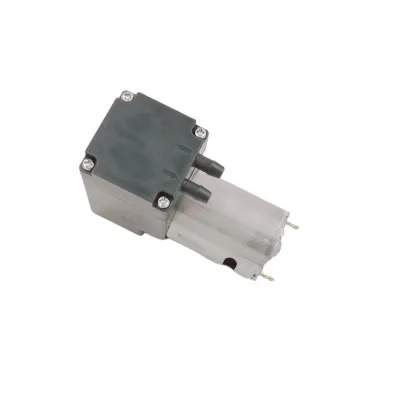
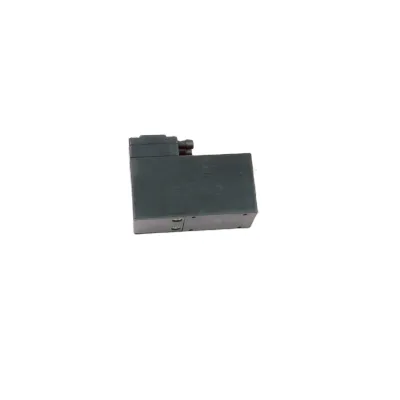


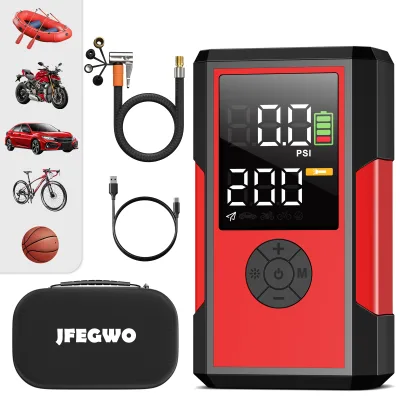
Handheld 10000mAh Battery Air Pump Portable Multi-Function Air Pump for Car air Pump
$19.99 - $26.24
MOQ: 2 units
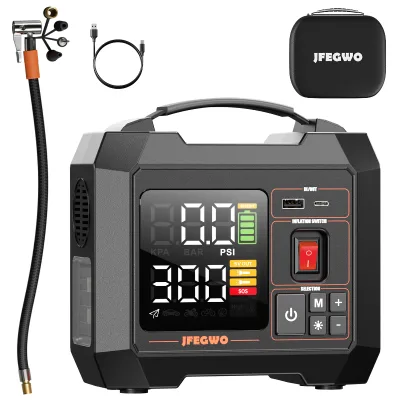
Cordless Operation Portable Air Compressor Pump Electric Ball 24000mAh Air Pump
$41.15 - $51.45
MOQ: 2 units

Manual Portable Quick Inflate Hand Air Pump with Three Adapters Wyz21609
$3.56 - $4.27
MOQ: 100 Pieces


Comprehensive Sourcing Guide
Strategic Sourcing Guide for Portable Mini Hand Air Pumps
Understanding Technical Specifications and Performance Parameters
When evaluating portable mini hand air pumps for B2B procurement, the primary focus must be on the intersection of mechanical design, pressure capabilities, and material integrity. The market offers a diverse range of devices, from simple manual inflators to complex electronic units, each serving distinct operational needs. A critical observation in the current supply landscape is the variation in drive modes. While some units operate purely on pneumatic principles, others integrate hydraulic systems to achieve higher pressure outputs. Buyers must verify the specific drive mode required for their application, as a pneumatic drive mode is standard for manual operation, whereas hydraulic or electric power sources may be necessary for industrial or high-volume scenarios.
Pressure performance is a defining characteristic of these devices. High-performance models in the current catalog demonstrate a maximum adjustable pressure capability reaching 10,000 Psi (70MPa). This specification is particularly relevant for applications requiring rapid inflation of high-pressure tires or specialized equipment. However, not all units in the market are designed for such extreme pressures. Some models are rated for 10,000 Psi specifically, while others may have lower thresholds. The presence of a gauge is a significant differentiator; units equipped with a gauge allow for precise pressure monitoring, which is essential for safety and performance consistency. Conversely, models without gauges rely on user estimation, which can lead to under-inflation or over-pressurization risks.
Material composition directly influences the durability and weight of the pump. Steel is a prevalent material choice for the main body and valve components, offering robustness against wear and tear. In contrast, plastic-bodied units offer a lighter alternative, though potentially at the cost of long-term structural integrity under high stress. The diaphragm material is another critical technical detail; Nitrile Rubber is a standard specification for diaphragms, providing excellent resistance to oil and wear, which is vital for maintaining a leak-free performance over time. The connection interface also varies, with some units supporting both Schrader and Presta valves to ensure compatibility with a wide range of bicycle types, including road, mountain, and ordinary bikes.
| Feature Category | High-Performance Specification | Standard Specification | Verification Requirement |
|---|---|---|---|
| Max Pressure | 10,000 Psi / 70MPa | Variable (often lower) | Confirm max PSI rating matches tire requirements |
| Drive Mode | Hydraulic, Pneumatic, Electric | Pneumatic (Manual) | Verify power source compatibility with user environment |
| Material | Steel Body, Nitrile Diaphragm | Plastic or Steel | Inspect material grade for intended usage frequency |
| Valve Type | Schrader and Presta Compatible | Single Valve Type | Ensure valve compatibility with target inventory |
| Gauge | Integrated Pressure Gauge | Optional or None | Confirm presence of gauge for precision tasks |
Compliance and Certification Verification Protocols
In the global B2B market, compliance with international safety and environmental standards is non-negotiable. Procurement teams must rigorously verify that suppliers possess valid certifications before placing orders. The most common certifications observed in the Portable Mini Hand Air Pump sector include CE (Conformité Européenne) and RoHS (Restriction of Hazardous Substances). These certifications indicate that the product meets European health, safety, and environmental protection requirements. Additionally, ISO certifications, such as ISO9001 for quality management and ISO standards for specific product dimensions, are frequently cited by manufacturers to demonstrate adherence to systematic quality control processes.
It is important to note that certification status is not uniform across all listed products. Some units are explicitly marked with CE and RoHS, while others may carry CE and ISO certifications. A single product listing might also include EMC (Electromagnetic Compatibility) certification, particularly for electronic or intelligent type pumps that operate on specific voltage inputs like 220V. Buyers should not assume that all units from a specific supplier are certified; rather, they must request and validate the specific certification documents for the exact model number being procured. For instance, a model with the designation HC-PU-003 may carry different certification requirements compared to a model designated JT-01.
The origin of the product also plays a role in compliance expectations. Manufacturers based in regions like Shandong, China, or Xingtai, Hebei, China, often export to markets requiring strict adherence to international standards. However, the presence of a "Made in China" label does not automatically guarantee compliance. Buyers must ensure that the supplier can provide third-party test reports or valid certificates of conformity that align with the regulations of the destination market. For electronic components, such as those found in intelligent type pumps, verifying EMC compliance is crucial to prevent interference with other devices.
Cost Drivers and Pricing Structure Analysis
The pricing of portable mini hand air pumps is influenced by a complex array of factors, including material costs, manufacturing complexity, and the level of customization offered. The observed price range in the market spans from approximately 0.8 USD to 500 USD, reflecting the vast difference between basic manual inflators and sophisticated, high-pressure electronic units. The lower end of the spectrum typically corresponds to simple, steel or plastic-bodied manual pumps with minimal features, such as the absence of a gauge or limited valve compatibility. In contrast, the higher price points are associated with units featuring advanced functionalities, such as electronic control systems, intelligent pressure regulation, and robust hydraulic or pneumatic drive mechanisms.
Material selection is a primary cost driver. Steel-bodied pumps, which often feature Nitrile Rubber diaphragms and high-pressure ratings, generally command a higher price than their plastic counterparts due to the cost of raw materials and the additional processing required for metal fabrication. Furthermore, the inclusion of a pressure gauge adds to the manufacturing cost, as it requires precise calibration and assembly. Customization is another significant factor influencing price. Suppliers offering OEM (Original Equipment Manufacturer) services and the ability to customize product dimensions, such as cable lengths of 600mm or specific standard sizes like 35mm x 600mm, will typically charge a premium. This customization allows buyers to tailor products to specific brand requirements or application needs, but it increases the unit cost.
Minimum Order Quantity (MOQ) also impacts the effective cost per unit. The market observes an MOQ range from 1 to 1000 units. Buyers purchasing small quantities may face higher per-unit costs due to the lack of economies of scale, while those ordering in bulk can negotiate more favorable pricing. However, high-volume orders may require a longer lead time and potentially higher upfront capital. The packaging method, whether it is a single piece per bag or bulk packing in cartons, can also affect logistics costs. For example, a packing specification of 100 PCS/Cartons is more efficient for shipping than 1PC/Bag, potentially reducing freight costs for large orders.
Typical Applications and Usage Scenarios
Portable mini hand air pumps are versatile tools designed for a wide array of applications, ranging from personal recreational use to industrial maintenance. The primary application domain identified in the market is bicycle maintenance. These pumps are specifically engineered for use with various bicycle types, including road bikes, mountain bikes, and ordinary bicycles. The compatibility with both Schrader and Presta valves ensures that they can serve a broad customer base, from casual cyclists to professional racing teams. Some models are explicitly marketed for use with kids' bikes, indicating a focus on safety and ease of use for younger demographics.
Beyond personal transportation, these pumps find critical applications in specialized machinery. Certain high-pressure models are designed for use with frame machines and tire changers, indicating their utility in automotive and heavy equipment maintenance. The ability to reach pressures up to 10,000 Psi makes them suitable for inflating tires on heavy-duty vehicles or specialized equipment that requires high inflation pressure. The "New" condition of the products ensures that buyers receive fully functional units ready for immediate deployment in these demanding environments.
The versatility of these devices extends to their adaptability for different age groups and usage contexts. Models designed for "All Ages" suggest a user-friendly interface that accommodates both adults and children. This broad applicability makes them suitable for retail distribution in sporting goods stores, automotive shops, and general hardware retailers. Furthermore, the integration of electronic and intelligent types into the product line opens up new application areas, such as automated tire inflation systems or smart home integration, where precise pressure control is paramount. The specific application for "Frame Machine" and "Tire Changer" highlights the industrial potential of these devices, suggesting they are not merely consumer goods but essential tools for professional workshops.
Supplier Evaluation and Origin Verification
Selecting the right supplier requires a thorough evaluation of their geographical origin, production capabilities, and quality assurance systems. The majority of portable mini hand air pumps in the current market originate from specific manufacturing hubs in China, notably Shandong Province and Xingtai City in Hebei Province. These regions are known for their specialized manufacturing clusters, particularly in the production of bicycle components and related tools. Buyers should verify the specific origin of the product, as different regions may have varying standards of craftsmanship and regulatory compliance.
When evaluating suppliers, the presence of OEM capabilities is a key indicator of flexibility and reliability. Suppliers that offer OEM services can customize products to meet specific buyer requirements, including branding, packaging, and technical specifications. The availability of customization options, such as adjustable cable lengths or specific valve types, demonstrates a supplier's ability to adapt to diverse market needs. Additionally, the condition of the product, typically listed as "New," should be confirmed to ensure that the supply chain is not distributing refurbished or damaged goods.
Quality control is another critical aspect of supplier evaluation. Suppliers should demonstrate adherence to international standards such as ISO9001 and SGS. These certifications indicate a commitment to consistent quality and process improvement. Buyers should request evidence of these certifications and verify their validity. The packaging standards, such as the use of carton boxes or specific bagging methods, also reflect the supplier's attention to detail and commitment to protecting the product during transit. A supplier that offers robust packaging solutions is more likely to deliver products in pristine condition, reducing the risk of damage and returns.
Quality Control and Long-Term Procurement Considerations
Ensuring the long-term reliability of portable mini hand air pumps requires a proactive approach to quality control and procurement planning. One of the most critical performance metrics is the "No Leak" guarantee, which is a standard expectation for high-quality pumps. Buyers must verify that the diaphragm material, typically Nitrile Rubber, is of high grade to prevent air leakage over time. The connection interface, whether Schrader or Presta, must be secure and durable to withstand repeated use. Regular testing of the pressure gauge and valve integrity is essential to maintain performance standards.
Long-term procurement considerations also involve the scalability of the supply chain. Buyers should assess the supplier's ability to meet fluctuating demand, particularly given the observed MOQ range of 1 to 1000 units. A supplier with a flexible production capacity can accommodate both small, specialized orders and large, bulk purchases without compromising on quality or lead times. The lead time, while not explicitly defined in the provided data, is a critical factor that buyers must negotiate and monitor to ensure timely delivery.
Furthermore, the standardization of product dimensions and specifications is vital for inventory management. Models with standardized dimensions, such as the 35mm x 600mm standard, facilitate easier replacement and compatibility with existing equipment. Buyers should prioritize suppliers who adhere to these standards to minimize compatibility issues. Finally, the condition of the product, consistently listed as "New," should be maintained throughout the procurement process. Buyers should implement a receiving inspection protocol to verify that all units meet the specified condition and performance criteria before they are distributed to end-users. By focusing on these quality control measures and long-term planning, buyers can ensure a reliable and efficient supply of portable mini hand air pumps for their operations.
FAQs
What certifications do portable mini hand air pumps have?
Many units carry CE and RoHS certifications, while others include ISO standards. Some electronic models also feature EMC certification to ensure electromagnetic compatibility. Buyers must verify specific certificates for each model number before procurement.
Which valve types are compatible with these pumps?
The pumps support both Schrader and Presta valves for broad bicycle compatibility. This design allows usage with road bikes, mountain bikes, and ordinary bicycles. The connection interface ensures seamless inflation across various tire types without adapters.
How much pressure can the high-performance models reach?
High-performance models can reach a maximum adjustable pressure of 10,000 Psi or 70MPa. This capability suits applications requiring rapid inflation of specialized equipment. Standard units may have lower thresholds, so verify the specific PSI rating for your needs.
Can these pumps be customized for specific brands?
Yes, OEM services and customization options are available for many products. Buyers can request adjustments to dimensions like cable length or specific standard sizes. Customization allows tailoring to brand requirements but may increase the unit cost.
What materials are used to construct the pump body?
Steel is a prevalent material choice for the main body, offering robustness against wear. Some units utilize plastic for a lighter alternative, while diaphragms often use Nitrile Rubber. Material selection impacts durability and weight depending on the intended usage frequency.
Where are these pumps typically manufactured?
Most units originate from manufacturing hubs in Shandong Province or Xingtai City, Hebei Province, China. These regions specialize in bicycle components and related tools. Buyers should verify the specific origin to ensure alignment with regional quality standards.