Source Portable Modern Year Calendar for Office, School, and Promotion
Compare 30 listings for a Portable Modern Year Calendar designed for office gifts, school use, and business promotions. Buyers can review customization options, binding styles, and material details to find the right desk or wall organizer.
Key considerations
Products List


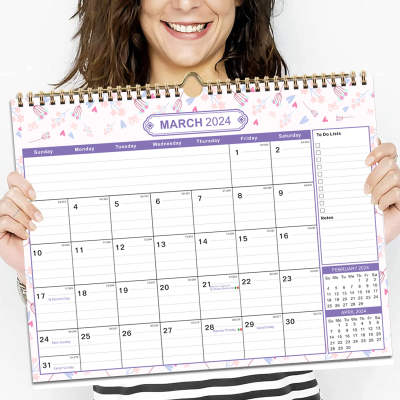


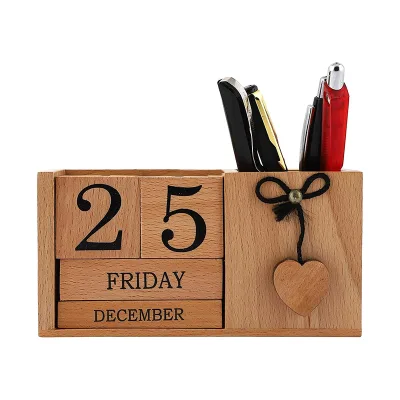


Hot Selling 2025 Creative Promotion Gift 18 Months Wall Calendar Desktop Calendar
$0.99 - $1.32
MOQ: 1000 Pieces


Comprehensive Sourcing Guide
Sourcing Guide for Portable Modern Year Calendars
Understanding Product Definitions and Core Specifications
When sourcing a Portable Modern Year Calendar, buyers must first distinguish between the various sub-categories that often appear under this broad search term. The market offers a diverse range of formats, from desk calendars to wall-mounted units and compact organizers. Based on current market observations, a "modern" year calendar typically features a sleek design, often utilizing hard paper covers or spiral bindings to ensure durability and ease of use. The physical dimensions are a critical differentiator; while some units are designed as standard desk accessories measuring approximately 49x33x22 cm, others are engineered for portability with compact dimensions such as 15x15x5 cm or even smaller handheld formats like 2.76"W x 1.57"H.
The material composition is another foundational specification. Most modern calendars in this segment are constructed primarily from paper, with specific attention paid to the cover material. Hard paper is frequently observed for premium desk organizers, offering a rigid structure that protects the inner pages. The inner pages themselves vary significantly; some are printed with specific dates, while others are left blank to serve as planners or organizers. The number of sheets is a key capacity metric, with typical configurations ranging up to 40 sheets. Buyers should verify the exact page count and whether the pages are pre-printed or customizable, as this directly impacts the product's utility as a promotional tool or a personal organizer.
Binding methods also define the user experience. Spiral binding is a common feature for desk calendars, allowing the unit to lay flat and rotate 360 degrees for easy viewing. In contrast, saddle stitching is often used for thinner, more portable booklets or wall calendars. The choice of binding affects the longevity of the product and its resistance to wear and tear during daily handling. Additionally, surface treatments such as matte or glossy lamination are standard industry practices to enhance the visual appeal and protect the printed content from moisture and fingerprints.
Technical Attributes and Customization Capabilities
The "modern" aspect of a portable year calendar is heavily driven by customization capabilities. Suppliers in this sector frequently offer extensive options for branding and design. Customization is a standard attribute, allowing buyers to tailor the product to specific corporate identities or personal preferences. This includes the ability to select custom colors, ranging from standard options like blue to fully bespoke color palettes. The availability of custom artwork formats, such as PDF, CDR, and AI files, facilitates a seamless design integration process for marketing teams and graphic designers.
The date type is a crucial technical specification that determines the calendar's function. While some units are designed as weekly calendars, offering a detailed day-by-day view, others are structured as yearly calendars, providing a high-level overview of the entire year. The choice between these formats depends on the intended use case; weekly calendars are often preferred for detailed office planning, whereas yearly calendars serve well as decorative pieces or quick-reference tools. Furthermore, the inclusion of blank inside pages transforms the calendar from a simple date tracker into a versatile planner or organizer, adding significant value for users who need to record notes, meetings, or tasks alongside the dates.
Packaging is another technical consideration that impacts the product's readiness for distribution. Standard packaging often involves corrugated boxes for individual items to ensure protection during transit, while bulk shipments may utilize larger cartons. The specific packing dimensions, such as 15x15x5 cm for mini versions, are vital for logistics planning and storage efficiency. Buyers must also consider the "Lock" attribute; most modern portable calendars are designed without locks, relying on the binding or cover design to keep the pages secure. This simplifies the manufacturing process and reduces costs, making the product more accessible for large-scale promotional campaigns.
Cost Drivers and Pricing Dynamics
The pricing structure for portable modern year calendars is influenced by a complex interplay of factors, including material quality, customization complexity, and order volume. The observed price range in the market spans from approximately $0.26 to $5.00 USD per unit, reflecting the vast diversity in product specifications. Lower-priced items typically correspond to basic paper constructions with standard printing and minimal customization, often targeting high-volume promotional giveaways. Conversely, the upper end of the price spectrum is associated with premium materials, such as hard paper covers, specialized surface treatments like high-gloss lamination, and intricate custom designs.
Order volume plays a pivotal role in determining the final unit cost. The Minimum Order Quantity (MOQ) varies significantly across suppliers, with observed ranges spanning from 10 units for small-batch or sample orders up to 1,000 units for standard production runs. This variance allows buyers to tailor their procurement strategy based on their budget and immediate needs. For instance, a buyer requiring a small number of prototypes may face a higher per-unit cost but can benefit from a lower MOQ. In contrast, large-scale orders for corporate events or retail distribution can leverage economies of scale to reduce the per-unit price, often approaching the lower end of the observed price range.
Production time is another critical cost driver. The lead time for manufacturing typically ranges from 30 to 35 days for full production runs, with sample times averaging 7 to 14 days. These timelines must be factored into the overall project budget, as expedited production may incur additional costs. Additionally, the complexity of the artwork and the number of color variations can extend production schedules. Buyers should be aware that custom color requests or unique binding methods may require additional setup time, which can impact the final delivery date and cost.
Typical Applications and Use Cases
Portable modern year calendars serve a wide array of applications, making them a versatile choice for various industries. The primary use cases include office gifts, home decoration, and promotional items. In a corporate setting, these calendars are often distributed as employee gifts or client appreciation items, featuring custom branding to reinforce company identity. The "Office Gifts & Decoration" attribute highlights their dual function as both practical tools and aesthetic additions to a workspace. The inclusion of blank pages further enhances their utility as planners, allowing employees to track meetings, deadlines, and personal schedules.
Promotional campaigns frequently utilize these calendars as high-value giveaways. The "Promotional" attribute is a key indicator of their suitability for marketing efforts, with many suppliers explicitly listing them as ideal for business promotions. The ability to customize the cover design and inner pages allows companies to embed their logo, contact information, or marketing messages directly into the product. This ensures that the calendar remains in the user's daily environment, providing continuous brand exposure. The "School" and "Business" use cases also indicate their relevance for educational institutions and professional organizations, where they can be used for event planning or academic scheduling.
For retail and consumer markets, the "Home Decoration" aspect is significant. Modern designs with sleek finishes and compact sizes appeal to consumers looking to organize their personal lives while adding a touch of style to their living spaces. The "Wall Calendar" and "Table Calendar" formats offer flexibility in placement, allowing users to choose the configuration that best fits their environment. Whether used as a functional tool for tracking dates or as a decorative piece, the Portable Modern Year Calendar bridges the gap between utility and aesthetics.
Supplier Evaluation and Quality Assurance
Evaluating suppliers for portable modern year calendars requires a rigorous assessment of their capabilities, particularly regarding customization and quality control. Buyers should verify the supplier's experience with specific production processes, such as spiral binding, saddle stitching, and lamination. The ability to handle custom artwork formats like PDF, CDR, and AI is a strong indicator of a supplier's technical proficiency. Additionally, the supplier's location, often cited as Zhejiang, China, or other manufacturing hubs, can influence logistics costs and lead times.
Quality assurance is paramount to ensure that the final product meets the buyer's expectations. Buyers should request samples to evaluate the physical attributes of the calendar, including the hardness of the cover, the smoothness of the binding, and the clarity of the printing. The "Inside Pages Printed" attribute, whether blank or pre-printed, should be verified against the sample to ensure accuracy. Furthermore, the durability of the product under normal use conditions should be assessed, particularly for calendars intended for frequent handling or outdoor display.
Compliance and certification checks are also essential, although specific certification status may vary by supplier. Buyers should inquire about the materials used, ensuring they meet safety and environmental standards. The "OEM" (Original Equipment Manufacturer) branding capability indicates that the supplier is equipped to produce private-label goods, which is crucial for companies seeking to maintain brand consistency. It is important to note that while some suppliers may claim adherence to certain standards, buyers must verify these claims independently rather than relying solely on marketing materials.
Long-Term Procurement Considerations
Sourcing portable modern year calendars is not merely a transactional activity but a strategic decision that impacts long-term brand perception and operational efficiency. Buyers should consider the scalability of their supplier relationships, ensuring that the chosen partner can accommodate fluctuating demand and evolving design requirements. The ability to maintain consistent quality across multiple production runs is critical, especially for large-scale promotional campaigns where brand consistency is paramount.
Inventory management is another long-term consideration. Given the seasonal nature of calendar demand, buyers must plan their procurement cycles carefully to avoid stockouts or overstock situations. The observed production time of 30-35 days necessitates early planning, particularly for events or campaigns scheduled during peak seasons. Additionally, the packaging requirements, such as corrugated boxes or individual packs, should be optimized to minimize storage space and shipping costs.
Sustainability is increasingly becoming a key factor in procurement decisions. While specific environmental certifications may not be universally available, buyers should inquire about the recyclability of the materials used, such as paper and cardboard. The preference for eco-friendly inks and sustainable sourcing practices can enhance the brand's reputation and align with corporate social responsibility goals. By prioritizing suppliers who demonstrate a commitment to sustainability, buyers can future-proof their procurement strategies and meet the growing demand for environmentally responsible products.
Comparative Analysis of Calendar Formats
To assist buyers in making informed decisions, the following table compares the key attributes of different Portable Modern Year Calendar formats based on observed market data. This comparison highlights the trade-offs between size, binding, and intended use.
| Attribute | Desk Calendar (AStyle) | Mini Organizer (MINI023) | Wall Calendar | Standard Planner |
|---|---|---|---|---|
| Typical Dimensions | 493322 cm | 15×15×5 cm | Variable | A5 / Customized |
| Binding Type | Spiral | Spiral | Wall Mount | Saddle Stitched |
| Cover Material | Hard Paper | Hard Paper | Paper | Paper |
| Primary Usage | Office Gifts, Decoration | Promotion, Gift | Home Decoration | School, Business |
| Inner Pages | ≤40 Sheets, Blank | Variable | Printed | ≤40 Sheets |
| Customization | High (Color, Artwork) | High (Color, Artwork) | Moderate | High (Color, Artwork) |
| MOQ Range | 10-1000 Pcs | 10-1000 Pcs | 10-1000 Pcs | 10-1000 Pcs |
This comparison underscores the importance of aligning the calendar format with the specific needs of the target audience. Desk calendars are ideal for office environments where space is available, while mini organizers are better suited for promotional events where portability is key. Wall calendars offer a decorative solution for home or public spaces, and standard planners provide a versatile option for educational and business settings. By carefully evaluating these attributes, buyers can select the most appropriate product to meet their objectives.
FAQs
How is the calendar customized for branding?
Customization is available for branding through custom colors and artwork formats like PDF, CDR, and AI. Buyers can request specific designs for the cover and inner pages to match corporate identities. This process allows for tailored promotional items that reinforce brand visibility in office or school settings.
What are the standard dimensions for desk calendars?
Desk calendars typically measure 49 by 33 by 22 centimeters, while compact mini versions are 15 by 15 by 5 centimeters. Smaller handheld formats can be as small as 2.76 inches wide by 1.57 inches high. These varying sizes allow buyers to select units that fit specific desk spaces or portable needs.
Which binding methods are used for these calendars?
Spiral binding is common for desk calendars to allow 360-degree rotation, while saddle stitching is used for thinner booklets. The binding choice affects durability and how the pages lay flat during daily use. Some models also feature hard paper covers to protect the inner pages.
Can the inner pages be left blank for planning?
Yes, inside pages can be printed as blank sheets to serve as planners or organizers. These units typically contain up to 40 sheets of white paper. This feature transforms the calendar from a simple date tracker into a versatile tool for recording meetings and tasks.
What is the minimum order quantity for production?
The minimum order quantity ranges from 10 units for small batches up to 1000 units for standard production runs. Specific models may require 1000 pieces as a baseline for manufacturing. Buyers should verify the exact MOQ for their chosen model to ensure it fits their budget and volume needs.
How long does production take for custom orders?
Production time typically ranges from 30 to 35 days for full manufacturing runs. Sample creation usually takes 7 to 14 days before bulk production begins. These timelines must be factored into project planning, especially for events scheduled during peak seasons or requiring expedited delivery.
What materials are used for the calendar covers?
Covers are primarily made from hard paper to provide a rigid structure and premium feel. The inner pages are constructed from standard white paper. Surface treatments like matte or glossy lamination are applied to protect the content and enhance visual appeal for office or home decoration.