Source Portable Moisture Content Tester for Textile, Soil, and Grain
Find a Portable Moisture Content Tester for textile, soil, and grain analysis. Compare 30 models with varying accuracy, measurement ranges, and operating conditions to select the right device for your specific industry needs.
Key considerations
Products List

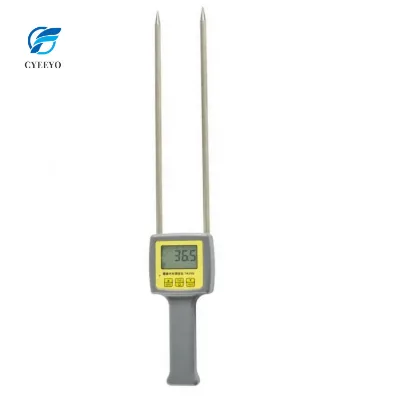


Portable Moisture Tester for Grain Corn Moisture Meter Food Moisture Meter Detector
$160.00 - $230.00
MOQ: 5 PIECE

Lds-1g Portable Grain Moisture Tester Moisture Humidity Gauge Meter Tester Meter
$80.00 - $150.00
MOQ: 5 PIECE

Portable Rapid Digital Grain Coffee Bean Corn Moisture Meter Content Tester
$110.00 - $120.00
MOQ: 1 Pieces


up Type Digital Grain Moisture Meter Cup Type Grain Water Content Tester
$105.00 - $115.00
MOQ: 1 Pieces


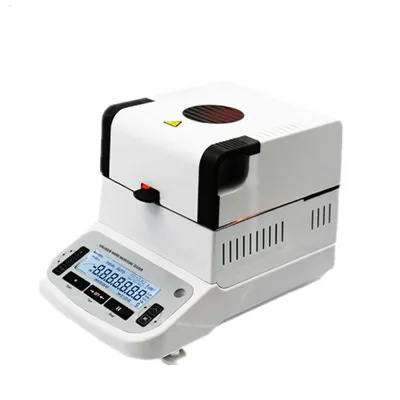


Portable Instant Moisture and Temperature Tester for Sand and Aggregate
$2800.00 - $3000.00
MOQ: 1 Pieces


Comprehensive Sourcing Guide
Portable Moisture Content Tester Sourcing Guide
Selecting the right Portable Moisture Content Tester requires a careful balance between measurement accuracy, operational environment, and total cost of ownership. Buyers must distinguish between devices designed for rapid, on-site field assessments and those intended for precise laboratory-grade analysis. The market offers a wide spectrum of technologies, from simple handheld probes to complex digital systems with automated measurement methods. Understanding these distinctions is critical for aligning procurement with specific quality control needs, whether in textile manufacturing, soil analysis, or general material inspection.
This guide provides evidence-based procurement strategies for sourcing portable moisture testers, focusing on verified technical specifications, compliance requirements, and supplier evaluation criteria. By leveraging observed market data and trusted industry knowledge, buyers can navigate the complexities of product selection with confidence. The following sections detail the essential steps for validating product claims, assessing commercial terms, and ensuring long-term reliability, helping procurement teams make informed decisions that mitigate risk and optimize operational efficiency.
Product Scope and Observed Listing Signals
The current market for portable moisture content testers exhibits significant diversity in form factors and intended applications. Observed listings indicate a price range from approximately $0.56 to $3,000 USD, reflecting variations in technology, brand reputation, and included accessories. Minimum Order Quantities (MOQs) typically range from 1 to 1,000 units, suggesting that both single-unit pilot purchases and bulk industrial procurement are common. Buyers should note that "portable" is a broad term; some devices are explicitly labeled as non-portable despite being marketed under similar categories, necessitating careful verification of physical attributes before purchase.
Product models observed in the market include the TP-1204, MSR310, CY-PMS710, MS350A, and TZS Series, each catering to different measurement needs. For instance, the MSR310 is identified as a Surface Roughness Tester with a digital display and keyboard operating mode, highlighting that some devices marketed in this category may serve dual or specialized purposes beyond simple moisture detection. Similarly, the MS350A is explicitly associated with soil moisture and temperature monitoring, capable of operating in extreme conditions ranging from -55°C to 99°C for soil and -20°C to 80°C for air. These variations underscore the importance of matching the device model to the specific material and environmental conditions of the procurement use case.
Technical Specifications to Verify
Accuracy and resolution are paramount when evaluating moisture content testers, as these metrics directly impact quality control integrity. Buyers should verify the stated accuracy claims, such as ±2%N under non-saturation conditions, and ensure that the resolution, such as 0.1%, aligns with the sensitivity requirements of the materials being tested. The measuring range is another critical specification; devices like the Type Induction Moisture Meter observed in listings offer a range of 0-50%, which may not be suitable for materials with significantly higher or lower moisture contents. Procurement teams must confirm that the device’s operational range covers the expected moisture levels of their specific products to avoid measurement errors or equipment damage.
The measurement method and operating conditions also play a crucial role in device selection. Some devices utilize automatic measurement methods, while others may require manual intervention or specific heating modes, such as step heating, which can affect throughput and consistency. Additionally, the physical analysis type, such as the distilling layered method, or chemical analysis types like the toluene method, indicates the underlying technology and potential safety or maintenance requirements. Buyers should also consider the display type, with digital displays being standard for precision measuring devices, and ensure that the device’s operating temperature range, such as 0-60°C, is compatible with the intended work environment.
Compliance and Safety Documentation
Certification standards are essential for ensuring that moisture content testers meet international quality and safety benchmarks. Observed listings frequently cite certifications such as ISO, GB, ANSI, DIN, and JIS, indicating that manufacturers adhere to various global and regional standards. Buyers should request specific certification documents, such as the ISO9001 Quality Certificate mentioned for certain models, to verify that the manufacturer has a robust quality management system in place. These certifications provide assurance that the devices are produced under controlled conditions, reducing the risk of defects and ensuring consistency across batches.
In addition to product certifications, buyers must consider the safety implications of the measurement methods employed. Devices that utilize chemical analysis methods, such as the toluene method, may require special handling, ventilation, and disposal procedures due to the hazardous nature of the chemicals involved. Similarly, devices with heating elements, such as those using step heating, must comply with electrical safety standards to prevent overheating or fire hazards. Procurement teams should verify that the device documentation includes clear safety instructions and that the manufacturer provides adequate training or support for safe operation, particularly in industrial or laboratory settings.
Cost Drivers and Commercial Terms
The total cost of ownership for a Portable Moisture Content Tester extends beyond the initial purchase price, encompassing factors such as packaging, shipping, and potential customization costs. Observed packing methods vary from international standard export cases to plastic boxes and plywood crates, each with different implications for protection during transit and handling costs. Buyers should evaluate the packaging requirements based on the fragility of the device and the distance it will travel, as inadequate packaging can lead to damage and additional replacement costs. Customized packaging options are available, which may be necessary for specific logistical needs but could incur additional fees.
Delivery times and lead times are also significant commercial considerations. Some suppliers offer rapid delivery times of 1-3 days, which can be advantageous for urgent procurement needs or just-in-time inventory management. However, buyers should verify these lead times for specific models and quantities, as they may vary based on stock availability and production schedules. Additionally, the availability of customization services, such as tailored measurement ranges or branded devices, can impact both cost and lead time. Procurement teams should negotiate clear terms regarding delivery schedules, payment conditions, and warranty coverage to ensure a smooth procurement process and minimize financial risk.
Supplier Qualification and Quality Control
Supplier qualification is a critical step in ensuring the reliability and performance of portable moisture content testers. Buyers should assess the supplier’s manufacturing capabilities, quality control processes, and after-sales support services. The origin of the products, such as Chongqing, Shan Dong, or Zhejiang in China, can provide insights into the supplier’s industrial ecosystem and supply chain resilience. However, buyers should not rely solely on location; instead, they should request detailed information about the supplier’s production facilities, testing procedures, and quality assurance protocols.
Quality control measures should include pre-shipment inspections, calibration certificates, and performance testing reports. Buyers should verify that the devices undergo rigorous testing to ensure accuracy and durability, particularly for models with specific applications like textile analysis or soil moisture monitoring. Additionally, suppliers should provide comprehensive user manuals and technical support to assist with installation, operation, and maintenance. Procurement teams should evaluate the supplier’s responsiveness and willingness to address quality issues, as this can significantly impact long-term satisfaction and operational efficiency.
Long-Term Procurement Checks
Long-term procurement success depends on establishing a sustainable relationship with suppliers and implementing regular performance reviews. Buyers should monitor the performance of the moisture content testers over time, tracking metrics such as measurement accuracy, frequency of maintenance, and user satisfaction. Regular calibration and maintenance are essential to ensure that the devices continue to meet specified accuracy standards, such as ±2%N or 0.2pH for pH meters. Procurement teams should establish a maintenance schedule and ensure that spare parts and calibration services are readily available from the supplier.
Furthermore, buyers should stay informed about technological advancements and emerging standards in the moisture testing industry. This includes monitoring updates to certification requirements, such as ISO standards, and evaluating new devices that may offer improved accuracy, ease of use, or additional features. By maintaining a proactive approach to supplier management and technology adoption, procurement teams can ensure that their moisture content testing capabilities remain competitive and aligned with evolving quality control needs. Regular communication with suppliers and participation in industry forums can provide valuable insights and opportunities for continuous improvement.
FAQs
What customization options are available for portable moisture content testers?
Customization is available for these devices, allowing buyers to specify unique requirements. The products support customized configurations and come in various packing options like plastic boxes or international standard export cases to meet specific needs.
Which certifications do Portable Moisture Content Tester manufacturers hold?
Manufacturers hold multiple certifications including ISO, GB, ANSI, DIN, and JIS standards. Some specific models also carry ISO9001 Quality Certificates, ensuring compliance with international quality management systems and safety regulations for industrial use.
How fast is the delivery time for portable moisture content testers?
The delivery time is typically 1 to 3 days for available stock items. This rapid turnaround applies to specific models like the Sdt-60, ensuring quick procurement for urgent industrial testing requirements without long waiting periods.
What is the accuracy range for portable moisture content testers?
Accuracy varies by model, with some devices offering ± 2%N under non-saturation conditions. Other models provide specific accuracies like 0.2pH for pH measurement or 1% for moisture content, depending on the application and measurement method used.
Can portable moisture content testers operate in extreme temperatures?
Operating conditions vary, with some devices functioning between 0-60°C. Specific soil temperature sensors can measure from -55 to 99°C, while air temperature sensors may range from -20 to 80°C, suitable for diverse environmental testing scenarios.
What materials are used to pack portable moisture content testers?
Packing options include plastic boxes, plywood cases, and cartons. Some products use international standard export cases or customized packaging to ensure safe transport, with specific models like the CY-PMS710 utilizing plywood for heavy-duty protection.