Source Portable One-Piece Butane Gas Stove for Camping, Hiking, and Emergency
Find 30 verified options for a Portable One-Piece Butane Gas Stove suitable for outdoor cooking, emergency preparedness, and small gatherings. Compare specifications like ignition mode, material, and safety features from multiple suppliers to select the right unit for your needs.
Key considerations
Products List

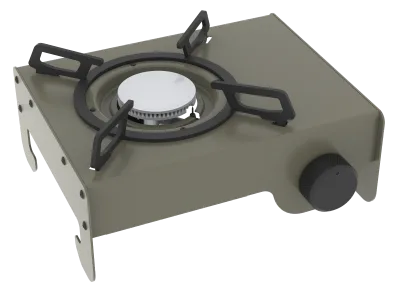


Portable 220g Portable Gas Stove Butane Gas Butane Outdoor BBQ Butane Gas
$0.35 - $0.40
MOQ: 4000 Pieces


220g Portable Butane Gas Stove Outdoor Camping Aerosol Butane Gas Canister
$0.35 - $0.40
MOQ: 4000 Pieces


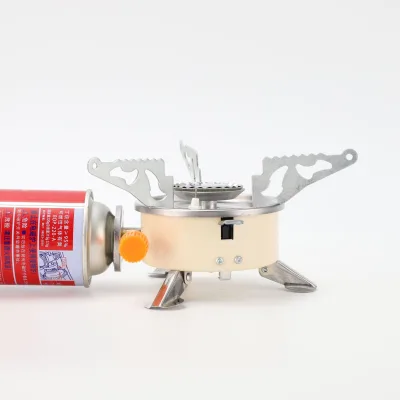
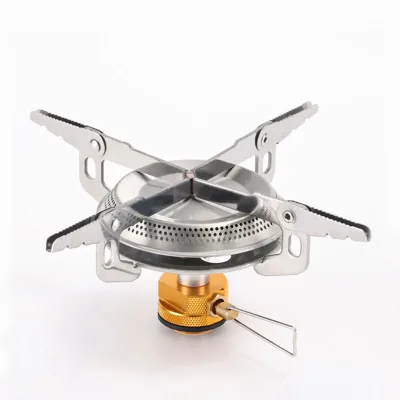

High Quality Butane Gas Stove Valve Suitable for Portable Cooking Stove
$0.04 - $0.04
MOQ: 50000 Pieces


Garden Automatic Ignition Stove Portable Butane Outdoor Camping Gas Stove
$0.10 - $0.50
MOQ: 3000 Pieces

High Quality Butane Gas Stove Valve Suitable for Portable Cooking Stove
$0.05 - $0.07
MOQ: 10000 Pieces


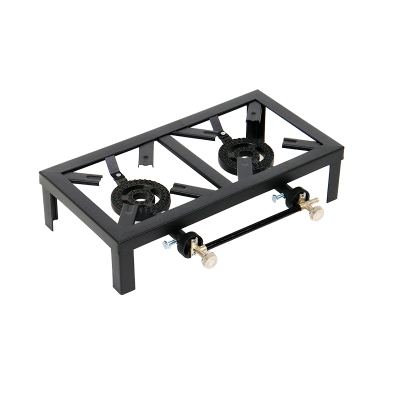


Portable Butane Gas Stove with Carrying Case Butane Gas Stove with Carrying Case
$4.80 - $5.40
MOQ: 2600 Pieces
Comprehensive Sourcing Guide
Strategic Sourcing Guide for Portable One-Piece Butane Gas Stoves
The global demand for portable cooking solutions has intensified, driven by outdoor recreation, emergency preparedness, and the growing popularity of camping and glamping experiences. Among the various options available, the portable one-piece butane gas stove represents a critical category for B2B buyers seeking compact, efficient, and reliable thermal appliances. This guide provides a comprehensive, evidence-based framework for sourcing these units, focusing on technical specifications, compliance verification, cost structures, and supplier evaluation criteria derived from current market data.
Technical Specifications and Functional Design
When evaluating portable one-piece butane gas stoves, buyers must first distinguish between the various functional designs available in the market. The "one-piece" designation often implies an integrated unit where the burner, control mechanism, and fuel connection are housed within a single, cohesive chassis. However, the market also features distinct variations, such as folding cassette stoves and panel-based cookers, each serving different use cases.
A critical observation in the current supply landscape is the diversity in ignition modes. Some units utilize electronic ignition systems, which offer instant lighting without the need for manual striking. Others rely on piezoelectric ceramic ignition, a mechanical system that generates a spark through pressure, ensuring reliability even in wet or cold conditions where batteries might fail. The choice between these modes depends heavily on the target demographic and the intended operating environment.
Material composition is another primary technical differentiator. The structural integrity of the stove is often determined by the base material, with cast iron and steel being the most common options observed in high-volume listings. Cast iron provides superior heat retention and stability, making it suitable for stationary or semi-stationary applications, whereas steel offers a lighter profile essential for backpacking. The panel material further influences durability and aesthetics; stainless steel panels are frequently cited for their resistance to corrosion and ease of cleaning, while enamel coatings provide a vibrant, durable finish that resists chipping.
The number of burners is a fundamental specification that dictates the cooking capacity. While single-burner units are the standard for individual hikers or emergency kits, some designs feature multiple burners or integrated grilling surfaces capable of serving groups of 3 to 5 people. The power output, often measured in watts, is another key metric. Units with a power rating around 3800W are common in the portable sector, balancing fuel efficiency with rapid heating capabilities. Buyers should verify the specific power ratings of any candidate product, as this directly impacts cooking times and fuel consumption rates.
Compliance and Certification Verification
In the B2B procurement of gas appliances, regulatory compliance is non-negotiable. The safety of the end-user is paramount, and suppliers must demonstrate adherence to relevant international and regional standards. While specific certification statuses vary by manufacturer, the presence of CE certification is a widely recognized benchmark for products entering the European market. This certification indicates that the product meets EU safety, health, and environmental protection requirements.
Buyers must also scrutinize the safety devices integrated into the stove design. High-pressure protection devices are essential for preventing catastrophic failures in the event of a regulator malfunction or excessive gas flow. Additionally, automatic shut-off mechanisms are increasingly common, serving as a fail-safe to extinguish the flame if the stove is tipped over or if the flame is accidentally extinguished while gas continues to flow. These features are not merely optional add-ons but are critical components that define the safety profile of the appliance.
It is important to note that while some suppliers may claim adherence to broader management standards like ISO 27001, this standard specifically relates to information security management rather than product safety or manufacturing quality. Buyers should prioritize product-specific certifications and safety test results over general corporate management certifications when evaluating the physical integrity of the stove. The absence of explicit certification data in a product listing should trigger a request for third-party testing reports before proceeding with an order.
Cost Drivers and Pricing Dynamics
The pricing of portable butane gas stoves is influenced by a complex interplay of factors, including material costs, manufacturing complexity, and order volume. The observed price range in the market spans from approximately $0.04 to $50.00 USD, a vast disparity that reflects differences in quality, brand positioning, and feature sets. At the lower end of the spectrum, products are likely to be basic models with minimal safety features and simpler materials, such as uncoated steel or basic cast iron. Conversely, the higher price points typically correspond to units with advanced ignition systems, robust safety devices, and premium finishes like enamel or stainless steel.
Order Volume (MOQ) is a significant determinant of unit cost. Suppliers often structure their pricing tiers based on the quantity ordered, with Minimum Order Quantities ranging from 1 unit for samples to 50,000 units for large-scale industrial procurement. A typical MOQ for many standard models is around 500 pieces. Buyers purchasing at or near this threshold can expect more favorable per-unit pricing compared to those ordering in smaller batches. However, buyers must balance the cost savings of bulk ordering against the risks of inventory holding and potential obsolescence.
Additional cost drivers include customization options. Suppliers offering customized logos, colors, and packaging (such as color boxes or brown boxes) often charge a premium for these services. The complexity of the finishing process, such as coating or enamel application, also adds to the manufacturing cost. Furthermore, the origin of the product plays a role in pricing; units manufactured in major industrial hubs like Shunde, Foshan, or Zhejiang, China, benefit from established supply chains and economies of scale, which can help mitigate costs compared to smaller, less specialized manufacturers.
Typical Applications and Market Segmentation
Portable one-piece butane gas stoves serve a wide array of applications, each requiring specific performance characteristics. The primary market segment is outdoor recreation, including camping, hiking, and backpacking. In these scenarios, weight and portability are the dominant factors. Folding designs, such as the "Folding Fiery Cassette Stove," are particularly popular here due to their compact form factor when collapsed. These units are often designed to fit into small backpacks and are compatible with standard butane cassette canisters.
Another significant application is emergency preparedness. For households or organizations maintaining emergency kits, reliability and ease of use are critical. A portable stove with piezoelectric ignition and automatic shut-off features is ideal for this use case, as it ensures the device can be operated without external power sources and minimizes the risk of accidents during stressful situations. The "Stocked" status of certain models indicates that they are readily available for immediate deployment, which is a crucial factor for emergency supply chains.
The commercial and hospitality sectors also utilize these stoves, particularly for outdoor dining, food trucks, and temporary catering events. In these contexts, the durability and heat output of the stove become more important than its folded size. Models with stainless steel panels and higher power ratings (e.g., 3800W) are preferred to ensure consistent cooking performance under heavy use. Additionally, the "Korean Style" designs observed in the market cater to specific culinary trends, such as tabletop grilling, which has gained popularity in both residential and commercial settings.
Supplier Evaluation and Sourcing Strategy
Selecting the right supplier is a critical step in the procurement process. Buyers should prioritize suppliers who demonstrate transparency in their product specifications and origin. The location of the manufacturer, such as Shunde, Foshan, or Zhejiang, China, provides insight into the local supply chain capabilities and the potential for quality control. Suppliers based in these regions often have access to a mature ecosystem of component manufacturers, which can lead to better consistency in product quality.
When evaluating potential partners, buyers should verify the supplier's ability to handle customization requests. The availability of options for customized logos, colors, and packaging is a strong indicator of a supplier's flexibility and capacity to meet specific brand requirements. Furthermore, the offer of CKD (Completely Knocked Down) supply suggests that the supplier is capable of managing complex logistics and assembly processes, which can be beneficial for buyers looking to localize assembly or reduce shipping costs.
The warranty period is another key metric for supplier reliability. A standard warranty of 12 months is commonly observed in the market and serves as a baseline expectation. Buyers should ensure that the warranty terms are clearly defined and that the supplier has a mechanism for handling claims or replacements. Additionally, the supplier's response to inquiries regarding safety devices and certifications is a strong indicator of their commitment to quality and compliance.
Quality Control and Long-Term Procurement Considerations
Implementing a robust quality control (QC) protocol is essential for mitigating risks associated with mass procurement. Buyers should establish clear acceptance criteria based on the technical specifications provided, including material thickness, ignition reliability, and safety device functionality. Regular inspections during the production process, particularly for critical steps like coating and assembly, can prevent defects from reaching the final product.
Long-term procurement considerations involve building a sustainable relationship with suppliers that can adapt to changing market demands. This includes monitoring lead times, which can vary based on the complexity of the order and the supplier's current production load. While specific lead times are not universally standardized, buyers should negotiate clear timelines to ensure timely delivery. The ability of the supplier to maintain consistent quality over multiple production runs is also vital for maintaining brand reputation.
Finally, buyers should remain vigilant regarding the evolution of safety standards and regulations. As the market for portable gas appliances grows, regulatory bodies may introduce new requirements for pressure relief, emissions, and material safety. A proactive approach to compliance, including regular audits and updates to product specifications, will ensure that the procurement strategy remains viable and compliant in the long term. By focusing on these strategic elements, buyers can secure a reliable supply of high-quality portable butane gas stoves that meet the diverse needs of their customers.
FAQs
What ignition modes are available for portable butane stoves?
Available ignition modes include electronic ignition and piezoelectric ceramic ignition. Electronic systems offer instant lighting, while piezoelectric options provide reliability in wet or cold conditions without needing batteries.
Which materials are commonly used for stove construction?
Common construction materials include cast iron, steel, and stainless steel panels. Cast iron offers heat retention, steel provides a lighter profile, and stainless steel ensures corrosion resistance and easy cleaning.
Can suppliers offer customized logos and colors?
Yes, suppliers accept customized logos and colors for branding. This customization often applies to the product finish and packaging, allowing buyers to align the stove with their specific brand identity.
What safety devices are integrated into these stoves?
Integrated safety devices include automatic shut-off mechanisms and high-pressure protection. These features prevent accidents by extinguishing flames if tipped over or stopping gas flow during pressure surges.
What is the typical warranty period for these units?
The standard warranty period is typically 12 months. This coverage ensures buyers have protection against manufacturing defects, though specific terms may vary by supplier and model.
How does the minimum order quantity affect pricing?
Minimum order quantities range from 1 to 50,000 units, significantly impacting unit cost. A typical MOQ is 500 pieces, offering better pricing than smaller sample orders.
Where are these stoves typically manufactured?
Manufacturing origins include Shunde, Foshan, and Zhejiang, China. These regions host established supply chains that support consistent quality and competitive pricing for bulk orders.
What certifications are required for European markets?
CE certification is a widely recognized benchmark for products entering the European market. This indicates compliance with EU safety, health, and environmental protection requirements for gas appliances.