Source Portable Ophthalmic Handheld Tonometer for Clinics, Hospitals, and Field Exams
Explore 30 verified listings for the Portable Ophthalmic Handheld Tonometer, comparing models like the Happycare MS-RT500 and EG-RTM500. Buyers can evaluate specifications including wireless thermal printouts, ISO certifications, and varying weight capacities from 2kg to 6kg for diverse diagnostic needs.
Key considerations
Products List

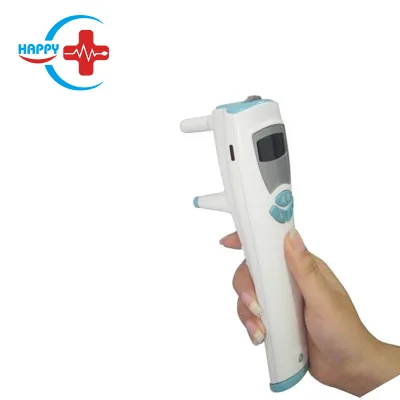
HC-Q028 Portable Eye Tonometer Ophthalmic Equipment Handheld Tonometer
$1927.68 - $2292.37
MOQ: 1 pieces

Ophthalmic Portable Eye Pressure Tonometer Handheld Rebound Tonometer
$800.00 - $2800.00
MOQ: 1 Pieces


Ophthalmic Equipment Non-Contact Portable Ophthalmic Rebound Tonometer
$800.00 - $2800.00
MOQ: 1 Pieces


China Medical Equipment Non-Contact Ophthalmic Tonometer Portable Rebound Tonometer
$800.00 - $2800.00
MOQ: 1 Pieces


Ophthalmic Tonometer Portable Veterinary Tonometer Handheld Eye Pressure Tonometer
$800.00 - $1499.00
MOQ: 1 Pieces


Low Price Portable Handheld Rebound Tonometer for Eye Clinic Human Use
$500.00 - $1300.00
MOQ: 1 Pieces
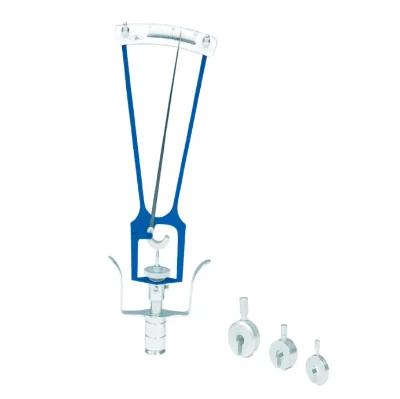
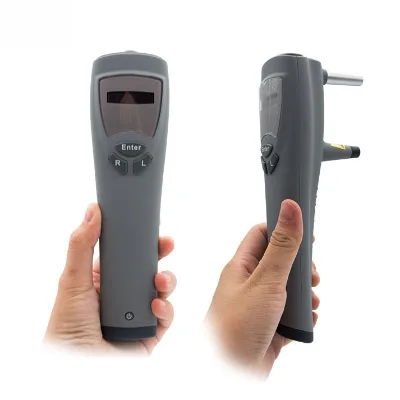

Ophthalmic Portable Rebound Tonometer Handheld Non Contact Tonometer
$1060.00 - $1399.00
MOQ: 1 Pieces


Medical Ophthalmic Equipment Portable Eye Pressure Test Rebound Tonometer with Probe
$300.00 - $1400.00
MOQ: 1 Pieces
Comprehensive Sourcing Guide
Strategic Sourcing Guide for Portable Ophthalmic Handheld Tonometers
The global demand for portable ophthalmic diagnostic equipment has surged, driven by the need for efficient intraocular pressure (IOP) screening in diverse clinical settings. For procurement professionals, the core keyword "Portable Ophthalmic Handheld Tonometer" represents a specific category of medical devices designed to measure eye pressure with minimal patient preparation. Sourcing these devices requires a disciplined approach that balances technical performance, regulatory compliance, and supply chain reliability. This guide outlines the critical factors buyers must evaluate when navigating the market for these essential diagnostic tools, ensuring that procurement decisions are grounded in verifiable product attributes and industry standards.
Technical Specifications and Functional Attributes
When evaluating portable tonometers, the primary focus must be on the device's ability to accurately measure intraocular pressure within a clinically relevant range. The market offers various models, each with distinct specifications that dictate their suitability for specific applications. Buyers should scrutinize the measuring range to ensure it covers the necessary spectrum for their patient demographic. Observed data indicates that certain models feature a measuring range of 3mmHg to 70mmHg, which is critical for detecting both hypotony and glaucoma.
Portability is a defining characteristic, often reflected in the physical dimensions and weight of the unit. Handheld devices are generally designed for ease of transport between examination rooms or for use in field clinics. Specifications such as a net weight of 2kg or a gross weight of 3.5kg suggest a balance between durability and maneuverability. The physical footprint is equally important; dimensions like 335320200mm or 474213mm provide insight into storage requirements and desk space allocation.
Furthermore, the output capabilities of the device are a significant technical differentiator. Modern procurement needs often require immediate documentation of results. Some units are equipped with wireless thermal print-out capabilities, allowing for instant generation of patient records without the need for a separate computer interface. Others may offer optional printer outputs, providing flexibility based on the clinic's existing infrastructure. The classification of these devices as "Digital Imaging Systems" or "Imaging Diagnostic Equipment" suggests advanced sensor technology that may offer enhanced precision over traditional mechanical methods.
Regulatory Compliance and Certification Verification
In the medical device sector, regulatory compliance is not merely a formality but a prerequisite for market entry and patient safety. When sourcing portable tonometers, buyers must verify that the supplier can provide valid documentation for all applicable certifications. The landscape of certifications varies by region, but common standards include the CE mark, FDA approval, and ISO certifications.
Specific product listings indicate the presence of certifications such as CE, FDA, ISO, MSDS, and ISOMSDS. The presence of these marks suggests that the device has undergone rigorous testing for safety and performance. However, buyers must exercise caution and verify the current validity of these certificates directly with the issuing bodies. For instance, while a product may list "ISOCE" or "FDA, ISOMSDS, CE," the specific ISO standard applicable to the device (such as ISO 13485 for quality management or ISO 8612 for specific testing protocols) must be confirmed.
The origin of the product also plays a role in compliance. Many devices in this category originate from manufacturing hubs in China, specifically regions like Guangdong. While this location is a major production center for medical devices, it necessitates a thorough review of the manufacturer's quality management system. Buyers should ensure that the "Made in China" designation does not compromise the integrity of the certification process. The presence of a "1KG" or "2kg" standard in product data may refer to weight specifications, but it is crucial to distinguish these from regulatory weight limits or shipping standards.
Cost Drivers and Pricing Dynamics
The pricing structure for portable ophthalmic tonometers is influenced by a complex interplay of factors, including technology level, certification status, and supply chain logistics. The observed price range in the market spans from 1 USD to 99,999 USD, indicating a vast disparity between basic models and advanced, feature-rich systems. This wide range suggests that buyers must clearly define their budget constraints and functional requirements before engaging with suppliers.
Several key drivers influence the final cost. First, the inclusion of advanced features such as wireless thermal printing, digital imaging capabilities, and specialized calibration tools (e.g., calibration balls with specific radii like R 7.9375mm) will increase the unit price. Second, the level of customization available can impact costs. While some products offer "Available" customization, others are listed as "Non-Customized" or "NA" for support, which may affect the final price and lead time.
Additionally, packaging and shipping requirements are significant cost components. Products often come in carton boxes or export-standard packaging designed for air and sea freight. The weight of the unit, ranging from 2kg to 6kg depending on the model, directly affects shipping costs. Buyers should also consider the "Selling Units" structure; most items are sold as single units, but bulk purchasing agreements may offer volume discounts. It is essential to request detailed quotations that break down the cost of the device, accessories, and shipping to avoid hidden expenses.
Typical Applications and Clinical Utility
Portable tonometers are versatile tools designed for a wide array of clinical applications. Their primary function is to obtain intraocular pressure readings, a critical metric in the diagnosis and management of glaucoma. The ability to measure pressure in a range of 3mmHg to 70mmHg makes these devices suitable for screening patients with varying degrees of ocular health.
The portability of these devices makes them ideal for mobile clinics, community health screenings, and emergency departments where space is limited. The "Hand Held" specification ensures that healthcare providers can easily maneuver the device around the patient, facilitating quick and comfortable examinations. Some models are specifically designed for pediatric use or for patients who cannot remain still for extended periods, thanks to their compact size and ease of operation.
Furthermore, the integration of digital imaging and data output capabilities enhances the clinical workflow. Devices that provide "Wireless Thermal Print out" allow for immediate documentation, reducing the risk of transcription errors and improving patient record-keeping. The "Field of View" specifications, such as 11mm H *11mm V, indicate the area of the eye being assessed, which is crucial for ensuring accurate measurements. For specialized applications, such as corneal curvature assessment, devices with Placido rings and specific diopter ranges (e.g., 28.0-65.5D) offer additional diagnostic value.
Supplier Evaluation and Selection Criteria
Selecting the right supplier is as critical as selecting the right product. Buyers should prioritize suppliers who demonstrate transparency in their product specifications and regulatory compliance. The "Brand Name" and "Place of Origin" are key indicators of a supplier's identity and manufacturing base. While "Happycare" is a noted brand in the market, buyers should not rely on brand recognition alone but should verify the supplier's track record and customer reviews.
Key evaluation criteria include the supplier's ability to provide detailed technical documentation, including user manuals, maintenance guides, and calibration procedures. The availability of "Customized support" or "Customization" options can be a significant advantage for large healthcare networks with specific workflow requirements. Buyers should also assess the supplier's response time and after-sales support capabilities, as medical devices often require timely maintenance and repairs.
The "Warranty" period is another critical factor. A standard warranty of 1 year is common, but buyers should negotiate terms that align with their operational needs. Additionally, the "Packing" and "Shipping" capabilities of the supplier should be evaluated to ensure that the devices arrive in good condition. Export-standard packaging is essential for protecting sensitive electronic components during transit.
Quality Control and Long-Term Procurement Considerations
Ensuring the long-term reliability of portable tonometers requires a robust quality control strategy. Buyers should implement a rigorous inspection process upon receipt of the devices, verifying that the physical attributes match the specifications. This includes checking the weight, dimensions, and color (e.g., "Blue" or "as Picture") to ensure consistency.
Regular calibration is essential for maintaining the accuracy of the device. The presence of a "Calibration Ball" with a specific radius (e.g., R 7.9375mm) suggests that the device requires periodic calibration to ensure accurate readings. Buyers should establish a schedule for calibration and maintenance, ensuring that the device remains within the specified measuring range.
Long-term procurement considerations also include the availability of spare parts and consumables. The "Output" capability, such as an optional printer, may require specific consumables like thermal paper. Buyers should verify the availability of these accessories to avoid disruptions in clinical operations. Additionally, the "Rating Input Power" (e.g., 1va) should be considered when planning the electrical infrastructure of the clinic to ensure compatibility with local power standards.
Comparative Analysis of Key Product Attributes
To facilitate informed decision-making, buyers should compare the key attributes of different models side-by-side. The following table summarizes the critical specifications observed in the market, highlighting the diversity of options available.
| Attribute | Model A (Example) | Model B (Example) | Model C (Example) |
|---|---|---|---|
| Product Name | Portable Tonometer | Rebound Tonometer | Digital Imaging System |
| Model Number | MS-RT500 | SY-V033 | MCE-SW-500 |
| Measuring Range | 3mmHg ~ 70mmHg | N/A | N/A |
| Weight | 2kg (Net) | 3.5kg (G.W) | 5kg |
| Dimensions | 335320200mm | 474213mm | 360380450mm |
| Certifications | FDA, ISO, CE | MSDS | CE |
| Output | Wireless Thermal Print | Optional Printer | Optional Printer |
| Origin | Guangdong, China | China (Mainland) | Guangdong |
| Warranty | 1 Year | N/A | N/A |
This comparison illustrates the significant variation in size, weight, and certification across different models. While Model A offers a comprehensive measuring range and wireless printing, Model C is larger and may be better suited for stationary clinical environments. Buyers must align these attributes with their specific operational needs to make the most cost-effective and efficient procurement decision.
In conclusion, sourcing portable ophthalmic handheld tonometers requires a meticulous approach that balances technical specifications, regulatory compliance, and supplier reliability. By carefully evaluating the factors outlined in this guide, procurement professionals can secure high-quality devices that meet the rigorous demands of modern ophthalmic care. The diversity of available models offers flexibility, but it also necessitates a disciplined selection process to ensure that the chosen devices deliver accurate, reliable, and safe performance for patients and healthcare providers alike.
FAQs
What certifications do portable ophthalmic handheld tonometers typically have?
These devices often carry CE, FDA, and ISO certifications to ensure safety and compliance. Specific listings show products with FDA, ISOMSDS, and CE marks, while others may list MSDS or ISOCE. Buyers must verify the validity of these certificates directly with issuing bodies before purchase.
Which measuring range is suitable for detecting glaucoma?
A measuring range of 3mmHg to 70mmHg is suitable for detecting both hypotony and glaucoma. This spectrum allows for accurate intraocular pressure screening across various patient demographics. Some models offer this specific range to ensure clinical relevance for diverse diagnostic needs.
How much do these handheld tonometers weigh?
Weights vary by model, with net weights observed at 2kg and gross weights up to 3.5kg. Some larger units may weigh up to 6kg, balancing durability with maneuverability. The physical weight is a key factor for portability in field clinics or mobile units.
Can these devices provide wireless thermal printouts?
Yes, some models are equipped with wireless thermal print-out capabilities for instant patient record generation. Other units may offer optional printer outputs instead of built-in wireless features. This functionality helps reduce transcription errors and streamlines clinical documentation workflows.
Where are these tonometers typically manufactured?
Most devices originate from manufacturing hubs in China, specifically regions like Guangdong. Products are often labeled with origins such as China or China Mainland Guangdong. Buyers should review the manufacturer's quality management system regardless of the specific production location.
What is the standard warranty period for these devices?
A standard warranty of 1 year is common for portable ophthalmic tonometers. Buyers should negotiate terms that align with their operational needs and verify after-sales support capabilities. Warranty periods are a critical factor in ensuring long-term reliability and maintenance coverage.