Source Portable Off Road Electric Scooter for Travel, Commuting, and Trail Riding
Explore 30 listings for the Portable Off Road Electric Scooter, featuring models with lithium batteries, hydraulic disc brakes, and foldable designs. Compare specifications like range, motor power, and wheel types to find the right vehicle for travel, daily commuting, and trail riding.
Key considerations
Products List


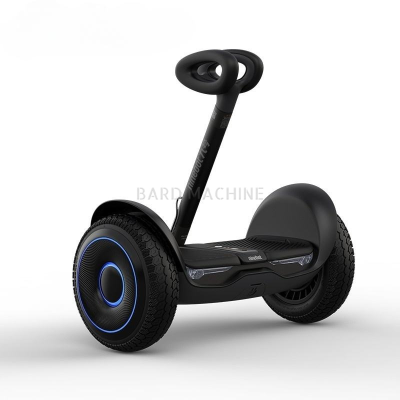
1800W 2 Wheel Portable Escooter Offroad Dual Motor Electric Scooter for Adult
$1590.00 - $1670.00
MOQ: 6 Pieces




Comprehensive Sourcing Guide
Portable Off Road Electric Scooter Sourcing Guide
The market for portable off-road electric scooters presents a diverse array of configurations, ranging from compact urban commuters to heavy-duty all-terrain vehicles. Buyers must distinguish between models designed for travel and those built for rugged terrain, as specifications vary significantly in frame material and wheel count. Some units feature high-carbon steel frames for durability, while others utilize stainless steel for corrosion resistance, directly impacting longevity in harsh environments.
Procurement decisions should prioritize the specific operational environment where the scooter will be deployed. Observed listings indicate a wide spectrum of battery capacities, from 120W motors suitable for light duty to 1000W and 1.2kW units capable of handling steep inclines. Understanding the distinction between foldable and non-foldable designs is critical, as this attribute dictates storage logistics and transport feasibility for the end user.
Product Scope and Observed Listing Signals
Buyers should carefully analyze the physical dimensions and weight constraints listed in product specifications to ensure compatibility with intended transport methods. Listings reveal standard sizes such as 1773885CM and 191X38X85(LWH), alongside heavier units weighing up to 130 Kg. These variations suggest that a single procurement strategy cannot cover all needs; instead, buyers must segment requirements based on whether the priority is portability or raw power and stability.
The presence of specific tire sizes, such as 24-inch tires, and wheel configurations, including both two-wheel and four-wheel models, signals distinct performance capabilities. Four-wheel designs often imply enhanced stability for off-road use, whereas two-wheel models may offer greater agility. Additionally, the availability of customization options allows buyers to tailor features like motor power or battery type to specific regional regulations or customer preferences without requiring a complete redesign.
Technical Specifications to Verify
Verification of motor power and battery specifications is essential to validate performance claims against actual usage requirements. Listings show motor ratings ranging from 120W to 1000W, with some high-performance models featuring 1.2kW motors and 2.7kW.h batteries. Buyers must confirm that the voltage, such as the observed 60V systems, aligns with the intended range of 40-80km to prevent premature battery depletion during extended off-road excursions.
Frame construction and braking systems require rigorous scrutiny to ensure safety under high-stress conditions. High-carbon steel and stainless steel frames are common, but the specific application of these materials must match the terrain. Furthermore, the presence of four-wheel hydraulic disc brakes indicates a robust stopping mechanism necessary for heavy vehicles, whereas lighter models may rely on different braking technologies that require separate validation for stopping distance and heat dissipation.
Compliance and Safety Documentation
Certification status is a primary indicator of regulatory compliance and market readiness for international distribution. Many observed products carry CE certification, and some listings reference combined standards like CE and ISO, which are critical for entering European and other regulated markets. Buyers must request valid certificates for each specific model, as the presence of a certification on one listing does not guarantee that all variants within a supplier's catalog meet the same safety thresholds.
Safety standards regarding electrical systems and structural integrity must be explicitly verified against local regulations. While some background knowledge references UL 2272 or UL 2271, these specific standards should not be assumed to apply unless explicitly stated in the product documentation. Procurement teams should demand test reports that confirm the scooter's electrical safety, particularly for lithium battery systems, to mitigate risks associated with thermal runaway or structural failure during operation.
Cost Drivers and Commercial Terms
Pricing structures in this category are highly variable, influenced heavily by motor power, battery capacity, and frame material. The observed price range spans from $0.01 to $3776, reflecting the vast difference between basic commuter models and heavy-duty off-road units. Buyers must correlate the unit price with the specific technical specifications, such as the 1.2kW motor or 130 Kg weight, to understand the value proposition and avoid overpaying for features that do not align with their operational needs.
Minimum Order Quantities (MOQ) and packaging requirements significantly impact the total cost of ownership and logistics planning. MOQs observed in the market range from 1 to 100 units, offering flexibility for small-scale testing or bulk procurement. Packaging varies from wooden cases and iron frames to color boxes and cartons, each carrying different shipping costs and protection levels. Buyers should calculate the landed cost by factoring in these packaging differences and the potential need for custom branding or labeling.
Supplier Qualification and Quality Control
Supplier location and origin play a crucial role in supply chain reliability and communication efficiency. The majority of observed listings originate from Zhejiang, China, with specific hubs in Yongkang, a region known for manufacturing metal products and electric vehicles. Buyers should verify the specific factory location within these regions to assess the supplier's proximity to raw material sources and their experience with the specific type of scooter being sourced.
Quality control processes must be validated through on-site audits or third-party inspection reports before finalizing orders. The diversity in product models, from CP-1.8 to KDS-DC39, suggests that suppliers may operate multiple production lines with varying quality standards. Buyers should establish clear acceptance criteria for frame welding, battery assembly, and brake installation, ensuring that the final product matches the sample specifications regarding dimensions and material quality.
Long-Term Procurement Checks
Sustainability and after-sales support are critical factors for maintaining a reliable supply chain over time. Buyers should evaluate the supplier's ability to provide spare parts, such as tires, batteries, and brake components, for the specific models ordered. The availability of replacement parts is often tied to the production lifespan of the model, so selecting a supplier with a stable product line is essential to avoid obsolescence issues.
Continuous monitoring of product performance and market feedback is necessary to ensure the scooters remain competitive and safe. Buyers should implement a system to track field performance data, including battery degradation rates and frame fatigue, to identify potential design flaws early. Regular reviews of supplier compliance with updated safety standards and certifications will help mitigate risks and ensure that the procurement strategy remains aligned with evolving regulatory requirements.
FAQs
What certifications do portable off road electric scooters have?
Most portable off road electric scooters carry CE certification to ensure compliance with European safety standards. Some models also include ISO standards for quality management. Buyers should verify specific certification documents with suppliers before placing orders to confirm regulatory alignment for their target markets.
Can portable off road electric scooters be customized?
Yes, customization is available for many Portable Off Road Electric Scooter models. Buyers can often request specific frame materials, battery types, or motor configurations. Suppliers in Zhejiang, China, frequently offer tailored solutions to meet unique operational requirements or branding needs for commercial fleets.
What is the typical weight of a Portable Off Road Electric Scooter?
The typical weight for these scooters is approximately 130 kg. This substantial weight ensures stability on rough terrain but impacts portability. Buyers should consider the 130 kg mass when planning logistics, as it influences shipping costs and the need for specialized handling equipment during delivery.
How far can a Portable Off Road Electric Scooter travel?
The range typically spans 40 to 80 km on a single charge. This distance depends on terrain, rider weight, and battery capacity. Models with 1.2kw motors and lithium batteries often achieve these ranges, making them suitable for extended off-road operations without frequent recharging interruptions.
What frame materials are used in portable off road electric scooters?
Frame materials commonly include high-carbon steel, standard steel, and stainless steel. High-carbon steel offers durability for heavy loads, while stainless steel provides corrosion resistance. Buyers should select materials based on environmental conditions and load requirements to ensure long-term structural integrity and performance reliability.
What voltage systems are used in portable off road electric scooters?
Many models operate on a 60V voltage system. This voltage supports powerful motors like the 1.2kw or 1000W variants found in various listings. The 60V system balances power delivery and battery efficiency, ensuring consistent performance across different off-road terrains and varying load conditions.