Source Portable Polyester Tennis Racket Bag for Sports, Travel, and School
Find 30 Portable Polyester Tennis Racket Bag options with capacities from 20-35L and sizes exceeding 10 inches. Buyers can compare features like waterproofing, customization, and materials such as polyester net fabric for sports, camping, and student use.
Key considerations
Products List


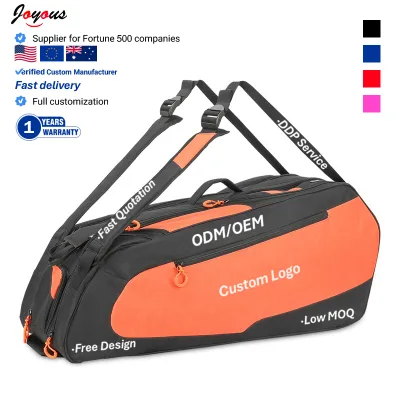


High Quality Nylon Tennis Racket Bag, Large Capacity Badminton Racket Bag
$13.50 - $14.50
MOQ: 500 Pieces

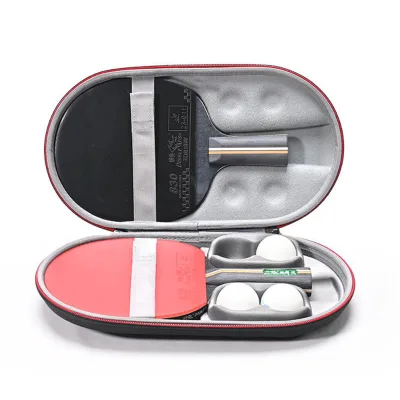


Unisex Custom Waterproof Sports Tennis Bag Tennis Racket Luggage Bag with Logo
$3.95 - $7.25
MOQ: 100 Pieces

Multifunctional Sports Bag Tennis Rackets Tennis Bag with Shoe Compartment
$12.22 - $13.66
MOQ: 500 Pieces


Comprehensive Sourcing Guide
Strategic Sourcing Guide for Portable Polyester Tennis Racket Bags
Defining Technical Specifications and Material Requirements
When sourcing a Portable Polyester Tennis Racket Bag, the primary objective is to identify products that balance durability, capacity, and portability. The core material specification for this category is polyester, often utilized in conjunction with polyester net fabric to enhance breathability and structural integrity. Buyers must verify that the selected bag utilizes high-grade polyester to ensure resistance against abrasion and tearing during transport. The product attributes observed in the market indicate a strong preference for specific shapes, such as the horizontal square configuration, which is particularly suitable for organizing tennis rackets and accessories efficiently.
Size is a critical differentiator in this category. The observed data suggests that viable options for tennis racket bags often exceed 10 inches in specific dimensions, with some models offering substantial external measurements like 73x57x9cm or 73x30x11cm. These dimensions are essential for accommodating standard tennis rackets while maintaining a compact profile for travel. Additionally, the closed way for these bags is predominantly a zipper mechanism, which provides secure closure and ease of access. Buyers should confirm that the zipper hardware is robust enough to withstand the frequent opening and closing cycles associated with sports equipment.
The capacity of the bag is another vital technical parameter. While some market observations list capacity as "Medium" or "Big," specific volumetric data points to ranges between 20-35 liters for certain models. This capacity range is generally sufficient for a player's gear, including multiple rackets, balls, and personal items. The weight of the bag is also a consideration, with some observed units weighing approximately 1kg, ensuring that the bag itself does not add excessive burden to the athlete's load. The application scope for these bags extends beyond tennis, often covering sports, outdoor activities, camping, and general travel, indicating a versatile design philosophy.
Compliance Standards and Certification Verification
In the B2B procurement of sports equipment, verifying compliance with international standards is non-negotiable. The supply chain for polyester bags often involves chemical treatments and dyeing processes that must adhere to strict environmental and safety regulations. Based on available market data, buyers should look for suppliers who explicitly state adherence to REACH and AZO FREE standards upon request. These standards are critical for ensuring that the materials used do not contain harmful substances that could pose health risks to the end-user or violate import regulations in major markets like the European Union.
Certification plays a pivotal role in supplier evaluation. The presence of certifications such as SGS, BSCI, CE, and RoHS indicates a supplier's commitment to quality management, social responsibility, and environmental compliance. SGS certification, for instance, often validates the physical properties and safety of the materials, while BSCI certification addresses social compliance in the manufacturing process. Buyers must request current certificates and verify their validity, as these documents serve as proof that the factory operates under accepted ethical and quality frameworks. It is important to note that while some data points mention ISO 9001, this should be treated as a background reference rather than a guaranteed attribute unless explicitly confirmed by the supplier.
The production standards also include specific material safety requirements. For instance, the use of rubber or other synthetic materials in components like handles or reinforcements must be free from hazardous substances. The "AZO FREE IF REQUEST" attribute suggests that while the default standard may vary, the supplier is capable of meeting specific chemical restrictions. Procurement teams should make it a standard practice to include these compliance requirements in their purchase orders to ensure that the final product meets the regulatory thresholds of the destination market.
Cost Drivers and Pricing Dynamics
Understanding the cost structure of portable polyester tennis racket bags is essential for effective budgeting and negotiation. The observed price range in the market spans from 2 to 19.38 USD, a significant variance that reflects differences in material quality, customization levels, and order volume. Several factors drive these price fluctuations. First, the complexity of the design, such as the inclusion of specialized compartments or unique shapes like the horizontal square, can increase production costs. Second, the level of customization, including logo printing, color variations, and specific size modifications, directly impacts the unit price.
Minimum Order Quantity (MOQ) is a primary determinant of the final cost per unit. The market data indicates an MOQ range of 100 to 3000 units, with some specific models requiring a baseline of 500 pieces. Suppliers typically offer tiered pricing structures where the unit cost decreases as the order volume increases. Buyers with smaller requirements may face higher per-unit costs, while those capable of meeting higher MOQ thresholds can leverage economies of scale. It is crucial to align the order quantity with the supplier's MOQ to avoid penalties or the need to pay for excess inventory.
Lead time is another cost driver that influences the overall procurement strategy. The sample lead time for these products is observed to be between 7 to 15 days. While this refers to the sample stage, the mass production lead time will naturally be longer and depends on the order size and factory schedule. Delays in production can lead to missed market opportunities or increased inventory holding costs. Therefore, buyers should factor in these timeframes when planning their supply chain and ensure that the supplier has the capacity to meet delivery deadlines without compromising quality.
Typical Applications and Usage Scenarios
The versatility of portable polyester tennis racket bags makes them suitable for a wide array of applications beyond just competitive tennis. The product attributes indicate that these bags are designed for "Sports, OL (Office Lady), and Student" use, highlighting their dual functionality as both sports gear and everyday carry items. The "All" season designation suggests that the materials are durable enough to withstand various weather conditions, making them ideal for year-round use. The waterproof attribute is particularly valuable for outdoor applications, ensuring that the contents remain dry during rain or in humid environments.
For sports professionals and enthusiasts, the bag serves as a dedicated carrier for tennis rackets, ensuring that the equipment is protected from impact and dirt. The specific dimensions and internal organization allow for the secure transport of multiple rackets and accessories. In a corporate or office setting, the "Simplicity" style and "Unisex" gender appeal make these bags appropriate for professional environments where a sleek, functional aesthetic is preferred. The capacity of 20-35 liters allows for the transport of laptops, documents, and personal items, bridging the gap between sports and professional life.
The "Outdoor" application further expands the utility of these bags. Whether for camping, hiking, or general travel, the durable polyester construction and waterproof features provide reliable protection for essential gear. The "Candy Color" fashion element adds a stylistic touch that appeals to younger demographics and those seeking a more vibrant aesthetic. This adaptability ensures that the product has a broad market appeal, allowing buyers to target diverse customer segments with a single SKU.
Supplier Evaluation and Manufacturing Capabilities
Selecting the right supplier is critical for ensuring product quality and supply chain reliability. Buyers should prioritize manufacturers who explicitly state their production capabilities, such as "Yes, Factory Production Backpacks," indicating a direct manufacturing relationship rather than a trading company. This direct connection often results in better quality control and more transparent communication. The ability to offer OEM (Original Equipment Manufacturer) and ODM (Original Design Manufacturer) services is a significant advantage, allowing buyers to customize products to meet specific brand requirements.
The production origin is a key factor in supplier evaluation. The majority of the observed data points to China as the production origin, which is a major hub for textile and bag manufacturing. Buyers should verify the specific factory location and assess its infrastructure, including machinery, workforce, and quality control processes. The packaging method, described as "Each in a Poly Bag and Then Some Into Carton," is a standard practice that ensures product protection during transit. However, buyers should confirm if customized packaging options are available to align with their branding and sustainability goals.
Supplier reliability is further assessed through their response to customization requests and adherence to standards. The availability of customization for size, color, and packing suggests a flexible production line. Buyers should request samples to evaluate the actual quality of the materials, stitching, and hardware. The presence of certifications like SGS and BSCI should be verified through official documentation to ensure that the supplier maintains high standards of social and environmental responsibility.
Quality Control and Long-Term Procurement Considerations
Implementing a robust quality control (QC) process is essential for maintaining product standards and minimizing returns. Buyers should establish clear acceptance criteria based on the observed specifications, such as material thickness, zipper functionality, and color consistency. Regular inspections during production and pre-shipment checks are necessary to identify and rectify defects before the goods leave the factory. The "Each in a Poly Bag" packing method should be inspected to ensure that individual bags are protected from dust and moisture.
Long-term procurement considerations involve building a sustainable relationship with suppliers. This includes negotiating favorable terms for future orders, such as volume discounts and flexible payment terms. Buyers should also consider the environmental impact of their sourcing decisions, looking for suppliers who are committed to sustainable practices and materials. The "REACH" and "AZO FREE" standards are indicators of a supplier's willingness to adhere to environmental regulations, which is increasingly important in global markets.
Finally, buyers should maintain open communication channels with suppliers to address any issues promptly. The ability to customize products and the availability of sample lead times between 7 to 15 days facilitate a responsive supply chain. By focusing on these long-term strategies, buyers can ensure a steady supply of high-quality portable polyester tennis racket bags that meet the evolving needs of their customers.
Comparative Analysis of Product Attributes
To assist buyers in making informed decisions, the following table summarizes key attributes observed in the market for portable polyester tennis racket bags. This comparison highlights the variations in specifications that buyers should consider when selecting a supplier.
| Attribute | Observed Range / Options | Relevance to Procurement |
|---|---|---|
| Material | Polyester, Polyester Net Fabric, Rubber | Determines durability and water resistance. |
| Size | >10 inch, 73x57x9cm, 73x30x11cm, 45x33x15cm | Crucial for fitting rackets and accessories. |
| Capacity | 20-35L, Medium, Big | Indicates storage volume for gear. |
| Color | Black, White, Blue, Red, Candy Color | Affects aesthetic appeal and market targeting. |
| Shape | Horizontal Square | Influences internal organization and packing. |
| Waterproof | Yes (Waterproof) | Essential for outdoor and travel use. |
| Certifications | SGS, BSCI, CE, RoHS, REACH, AZO FREE | Validates safety, quality, and compliance. |
| MOQ | 100-3000, 500PCS specific | Determines order volume and cost efficiency. |
| Customization | Available (Size, Color, Packing) | Allows for brand differentiation. |
| Origin | China | Impacts logistics and lead time. |
This table serves as a reference point for buyers to evaluate potential suppliers against their specific requirements. By cross-referencing these attributes with their procurement goals, buyers can identify the most suitable products and partners for their business needs.
FAQs
What customization options are available for portable polyester tennis racket bags?
Customization is available for size, color, and packaging. Buyers can request specific dimensions like 73x57x9cm and choose from colors such as black, white, blue, or red. Packaging can be customized beyond the standard poly bag and carton method to meet brand requirements.
Which certifications do Portable Polyester Tennis Racket Bag manufacturers hold?
Manufacturers hold certifications including SGS, BSCI, CE, and RoHS. Some products also meet REACH standards and are AZO FREE upon request. These certifications verify material safety, social compliance, and adherence to international quality management frameworks for export.
Can buyers find portable polyester tennis racket bags with a capacity of 20-35 liters?
Yes, specific models offer a capacity range of 20-35 liters. This volume is suitable for sports, office, and student use, accommodating rackets and personal items. Other options exist with Medium or Big capacity designations depending on the specific product model selected.
How long is the sample lead time for portable polyester tennis racket bags?
The sample lead time ranges from 7 to 15 days. This duration applies to the initial production of samples before mass manufacturing begins. Buyers should account for this timeframe when planning their procurement schedule and product launches.
What is the minimum order quantity for portable polyester tennis racket bags?
The minimum order quantity typically ranges from 100 to 3000 units. Some specific models require a baseline of 500 pieces. Buyers must align their order volume with these thresholds to secure pricing and avoid penalties for insufficient quantities.
Which materials are used to construct portable polyester tennis racket bags?
Primary materials include Polyester and Polyester Net Fabric. Some components may utilize Rubber for specific features. These materials ensure durability, abrasion resistance, and the ability to maintain the bag's shape during transport and daily use.
Can portable polyester tennis racket bags be used in all seasons?
Yes, these bags are designed for all-season use. They feature waterproof attributes to protect contents from rain and humidity. The construction supports applications in sports, outdoor activities, camping, and general travel regardless of the weather conditions.