Source Portable Plastic Tattoo Ink Mixer for Body Art and Cosmetic Use
Find and compare 30 Portable Plastic Tattoo Ink Mixer options from verified manufacturers. Evaluate models like ES1 and ES2 for permanent makeup pigment blending and body art applications, noting features such as battery power and compact packaging.
Key considerations
Products List


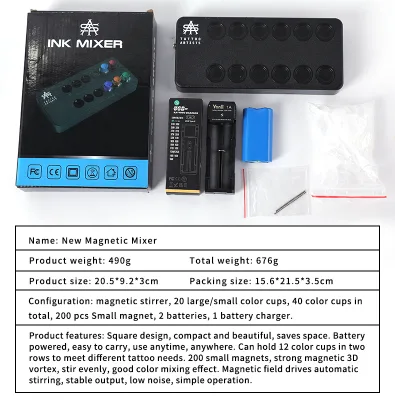
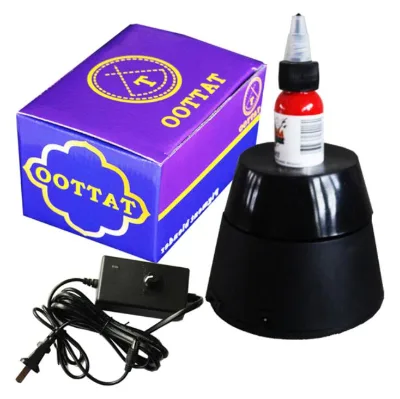


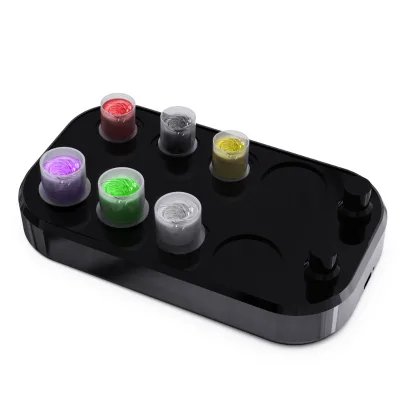
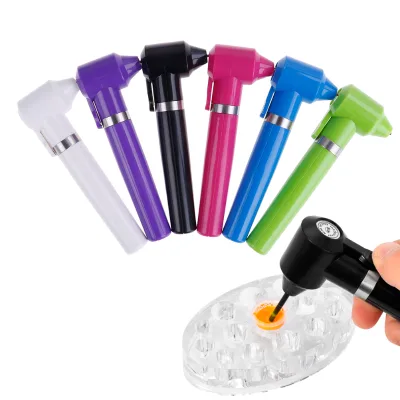
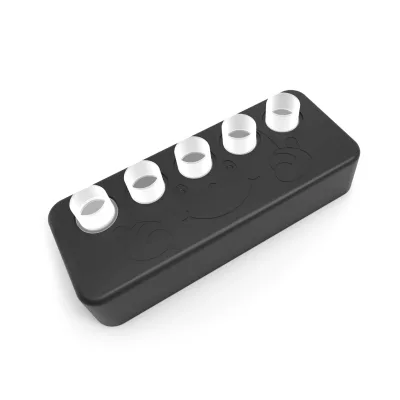
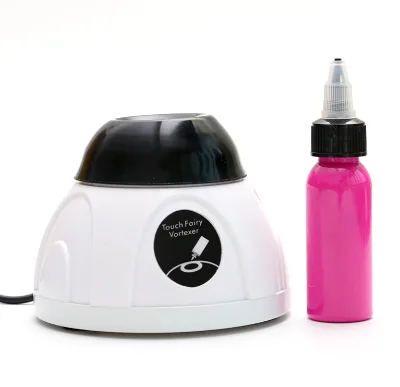
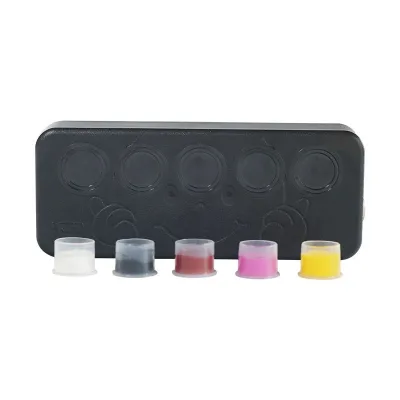
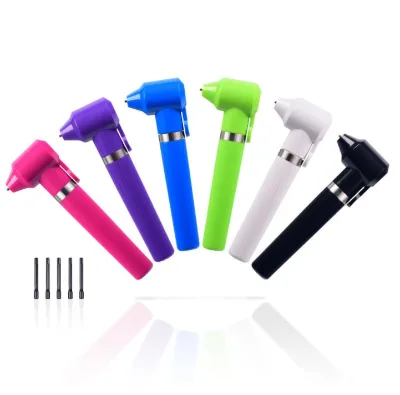


Comprehensive Sourcing Guide
Portable Plastic Tattoo Ink Mixer Sourcing Guide
Sourcing portable plastic tattoo ink mixers requires a clear understanding of the distinction between mechanical mixing tools and electronic devices, as the market offers both manual and battery-operated variants. Buyers must first determine whether their workflow prioritizes the simplicity and low cost of manual stirring sticks or the consistency and speed of electric mixing machines. The observed product landscape includes devices ranging from simple plastic components to complex electric units with specific voltage and battery requirements. Understanding these fundamental differences is critical for aligning procurement with studio operations, ensuring that the selected tool meets the hygiene, efficiency, and precision standards required for permanent makeup and body art applications.
This guide focuses on the technical and commercial verification steps necessary for sourcing these tools effectively. It addresses the material composition, power specifications, and packaging standards observed in current listings, while providing a framework for evaluating supplier reliability. By adhering to the evidence-based facts provided, buyers can avoid common pitfalls such as ordering incompatible power adapters or receiving units that do not meet specific hygiene or durability expectations. The following sections detail the product scope, technical verification points, compliance considerations, cost structures, supplier qualification, and long-term procurement strategies.
Product Scope and Observed Listing Signals
The current market for portable tattoo ink mixers presents a diverse range of products, primarily categorized by their power source and material construction. Listings indicate the presence of both non-disposable and disposable options, with materials ranging from stainless steel to plastic. A significant segment of the observed inventory consists of electric tattoo ink mixer machines, often referred to as pigment blenders, which are designed for permanent makeup and body art applications. These electric units are frequently described with attributes such as "low noise," "easy operation," and "source factory" origins, suggesting a market driven by efficiency and direct manufacturing relationships. Buyers should note that while some products are labeled simply as "tattoo tools," others are specifically identified as "electric tattoo ink mixer machines," indicating a need for precise keyword matching during the sourcing process.
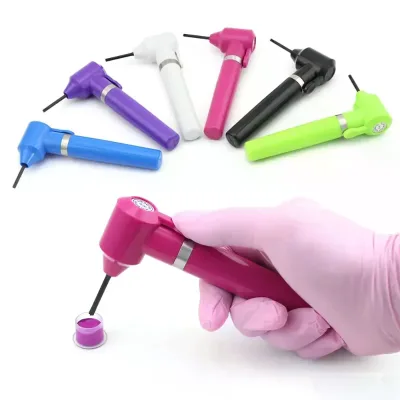
Observed specifications reveal a variety of form factors and operational parameters. For instance, certain electric mixers are specified with a working voltage of 3-5V and are equipped with batteries, such as a 2200mAh capacity, highlighting the importance of power management in portable devices. Other listings describe manual or simpler electric units with dimensions like 13.553cm or 1382.2cm, emphasizing the compact nature of these tools. The packaging varies from simple box packaging to more detailed kits that may include mixing sticks or other accessories. Additionally, color options such as black, white, and green are available, and some products offer OEM and ODM support, allowing for brand customization. These signals indicate a mature supply chain with options for both standard and customized procurement needs.
Technical Specifications to Verify
When evaluating electric tattoo ink mixers, verifying the power specifications is paramount to ensure compatibility with existing studio equipment and safety standards. Buyers must confirm the working voltage, which in observed listings ranges from 3-5V, and check the battery capacity, such as the 2200mAh units noted in some models. It is essential to determine whether the device uses a rechargeable internal battery or requires external power sources, and to verify the charging method and cable type. Additionally, the weight of the device, observed at approximately 0.6kg or 490g for certain models, impacts user comfort during prolonged use, so ergonomic design and weight distribution should be assessed. The gun type, specified as "electric" in some listings, also suggests a specific operational mechanism that may differ from manual mixers, requiring users to understand the control interface and speed settings.
Material composition and physical dimensions are equally critical for durability and storage. While some products are made from stainless steel, the focus here is on plastic-bodied mixers, which must be evaluated for resistance to cleaning agents and potential degradation from ink exposure. The standard dimensions observed, such as 13.553cm or 1689075mm for larger units, help in planning storage and transport logistics. Buyers should also verify the packaging contents, as some kits include additional items like plastic sticks, which may affect the overall utility of the purchase. Furthermore, the model numbers, such as ES1, ES2, or JBQ-001, serve as unique identifiers for technical support and spare parts, so ensuring accurate model matching is vital for long-term maintenance.
Compliance and Safety Documentation
Although specific certification statuses are not explicitly detailed in the observed listings, buyers must proactively request documentation to ensure that the tattoo ink mixers meet international safety and quality standards. For electric devices, this includes verifying compliance with electrical safety regulations, such as CE or FCC certification, depending on the target market. It is crucial to confirm that the battery components, if present, meet safety standards for lithium-ion or similar battery types to prevent overheating or leakage. Additionally, since these tools are used in body art and permanent makeup, which involves contact with skin and pigments, buyers should inquire about the material safety of the plastic components, ensuring they are free from harmful chemicals like BPA or phthalates.
Hygiene and sterilization protocols are another key area of compliance. Buyers should verify whether the plastic parts of the mixer are designed to withstand standard sterilization methods, such as autoclaving or chemical disinfection, without degrading. If the product is marketed as "non-disposable," it must be durable enough for repeated cleaning cycles. Documentation should also include instructions for safe operation and maintenance, highlighting any limitations regarding water exposure or electrical safety. By obtaining these documents, buyers can mitigate risks associated with product failure or health hazards, ensuring that their studio operations remain compliant with local health regulations and industry best practices.
Cost Drivers and Commercial Terms
The cost of portable plastic tattoo ink mixers is influenced by several factors, including the complexity of the device, material quality, and customization options. Electric mixers with battery packs and advanced features, such as low noise operation and easy controls, typically command higher prices than manual or simpler electric units. The observed price range of 0.73-80 USD reflects this disparity, with basic components or accessories at the lower end and fully featured electric machines at the higher end. Buyers should also consider the impact of OEM and ODM services, which may incur additional setup fees or higher per-unit costs but offer branding advantages. The material choice, whether plastic or stainless steel, also affects pricing, with stainless steel generally being more expensive due to material and manufacturing costs.
Commercial terms, such as Minimum Order Quantity (MOQ) and shipping methods, play a significant role in the total cost of ownership. The observed MOQ range of 1-50 pieces allows for flexibility, enabling buyers to start with small orders to test product quality before committing to larger volumes. Shipping options, including express, air, sea, or train, offer different trade-offs between cost and speed. For urgent needs, express shipping may be necessary, while bulk orders can benefit from the lower costs of sea or train transport. Buyers should also verify the packaging details, as secure box packaging is essential to prevent damage during transit, especially for electronic devices with fragile components. Understanding these commercial dynamics helps in negotiating favorable terms and managing inventory effectively.
Supplier Qualification and Quality Control
Evaluating supplier qualification is essential to ensure the reliability and consistency of the tattoo ink mixers. Buyers should prioritize suppliers who offer OEM and ODM support, as this often indicates a higher level of manufacturing capability and flexibility. The observed origin locations, such as Zhejiang and Jiangsu in China, are known for their manufacturing hubs, but buyers should still verify the supplier's production capacity and quality control processes. Requesting samples is a critical step to assess the build quality, functionality, and durability of the mixers. Buyers should test the electric units for battery life, noise levels, and mixing efficiency, as well as inspect the plastic components for defects or rough edges.
Quality control measures should be clearly defined in the procurement agreement. Buyers should inquire about the supplier's testing protocols, including electrical safety tests and material durability assessments. It is advisable to request a Certificate of Conformity or similar documentation that attests to the product's compliance with specified standards. Additionally, buyers should establish clear criteria for acceptable quality levels (AQL) and define the process for handling defective units. By conducting thorough due diligence and maintaining open communication with suppliers, buyers can minimize the risk of receiving substandard products and ensure a consistent supply of high-quality tattoo ink mixers.
Long-Term Procurement Checks
Establishing long-term procurement checks is vital for maintaining product quality and supplier performance over time. Buyers should implement a regular review process to assess the reliability of the tattoo ink mixers in real-world studio conditions. This includes monitoring for issues such as battery degradation, motor failure, or material wear. Feedback from artists and technicians should be collected to identify any usability concerns or maintenance needs. By tracking these metrics, buyers can make informed decisions about reordering, switching suppliers, or requesting product improvements. Additionally, staying updated on industry trends and new technologies can help buyers remain competitive and offer the best tools to their clients.
Supplier relationship management is another key aspect of long-term procurement. Building a strong partnership with suppliers can lead to better pricing, priority support, and early access to new products. Buyers should engage in regular communication with suppliers to discuss performance, address any issues, and explore opportunities for collaboration. This may include negotiating volume discounts, customizing products for specific needs, or co-developing new solutions. By fostering a collaborative relationship, buyers can ensure a stable supply chain and adapt to changing market demands. Furthermore, regularly reviewing commercial terms and shipping arrangements can help optimize costs and logistics, ensuring that the procurement process remains efficient and cost-effective.
FAQs
What materials are used for portable plastic tattoo ink mixers?
Portable plastic tattoo ink mixers are constructed using plastic materials for the main body. Some models also incorporate stainless steel components to ensure durability and hygiene during cosmetic and body art applications.
Can I customize the color of the tattoo ink mixer machine?
Yes, customization is available for the product color. Buyers can select from stock colors including black, white, and green to match their brand identity or specific operational preferences for body painting supplies.
What is the minimum order quantity for these tattoo tools?
The minimum order quantity is typically 50 pieces for this specific product model. Some listings may show a range from 1 to 50 units, but the standard requirement for the electric mixer is 50 PCS.
How is the portable ink mixer packaged for shipping?
The product comes in a box package containing the mixing machine and plastic sticks. Shipping options include express, air, sea, or train delivery methods to ensure safe transport from the factory to the buyer.
Which battery specifications support the electric tattoo ink mixer?
The electric tattoo ink mixer operates with a 2200mAh battery and a working voltage of 3-5V. This power configuration ensures stable performance for permanent makeup pigment blending and body art tool applications.
What are the dimensions of the Five-star magnetic ink mixer?
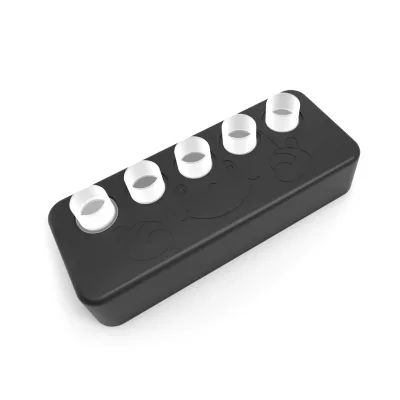
The Five-star magnetic ink mixer has a standard size of 13.5 by 5 by 3 centimeters. Another model variant measures 168 by 90 by 75 millimeters, providing different form factors for various tattoo applications.
Is OEM service accepted for the portable tattoo ink mixer?
OEM and ODM services are accepted for this product. Buyers can request custom branding and specifications, supported by the source factory which offers customization options for the electric tattoo ink mixer machine.
Where are these tattoo ink mixers manufactured?
These products originate from manufacturing locations in Zhejiang and Jiangsu provinces in China. The factories produce high-quality tools suitable for cosmetic, hair, and body art applications with a focus on easy operation and low noise.