Source Portable Quilted Heated Pad for Home Travel Picnic
Find 30 Portable Quilted Heated Pad options from verified suppliers. Compare specifications including wattage, temperature ranges, and materials like PVC or fleece to select the right heating pad for home, travel, or outdoor use.
Key considerations
Products List


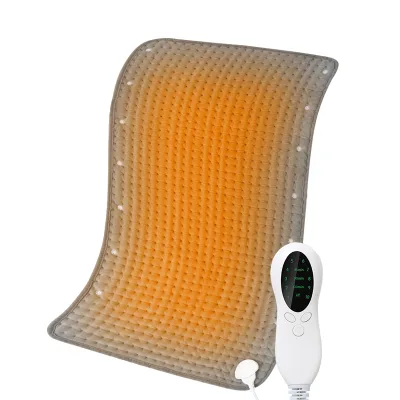


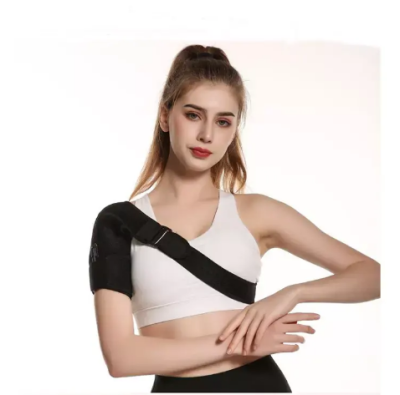


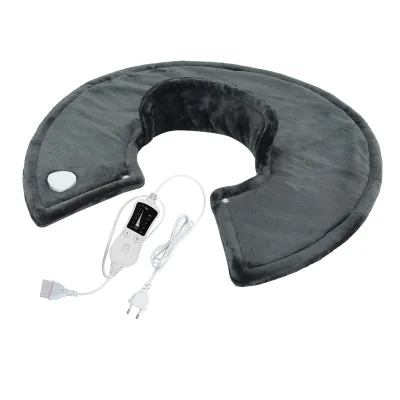


1688 Winter Electric Heating Bed Pad with Hot Water Circulating Heating
$19.00 - $21.00
MOQ: 100 Pieces




Comprehensive Sourcing Guide
Strategic Sourcing Guide for Portable Quilted Heated Pads
Technical Specifications and Operational Parameters
When evaluating portable quilted heated pads for B2B procurement, the primary focus must be on the convergence of thermal efficiency, power management, and material durability. The product category encompasses devices designed to provide consistent warmth in varied environments, ranging from veterinary settings to personal travel applications. A critical technical observation for buyers is the variance in control mechanisms. While some units in the market utilize electronic control systems for precise temperature regulation, others may rely on manual thermostats. For applications requiring strict temperature maintenance, such as veterinary heating pads, electronic control is often the preferred specification to ensure patient safety and comfort.
Power consumption and output are fundamental metrics that dictate the suitability of a heated pad for specific use cases. Buyers should scrutinize the wattage ratings, which can range significantly across different models. Some portable units are engineered with lower wattage profiles suitable for battery operation or low-power environments, while others, particularly those intended for stationary or heavy-duty use, may operate at higher wattages. The electrical input requirements are another vital specification; standard models often support a broad voltage range of 100 to 240V AC at 50/60Hz, ensuring global compatibility. However, the adapter output specifications must be verified to match the load requirements, with common outputs including 12V DC at 2,000 mA.
Material composition plays a decisive role in the tactile experience and thermal retention of the pad. The core heating element is frequently encased in a combination of PVC and shear plush beds, designed to distribute heat evenly while providing a soft surface. Alternative constructions may utilize soft and comfortable fleece or non-woven materials, each offering distinct advantages regarding breathability and washability. The quilting technique, whether knitted or quilted, is essential for preventing the internal heating elements from shifting and for maintaining consistent thermal zones across the surface. For buyers sourcing products intended for seasonal use, the classification of the pad as suitable for winter or four-season application is a key differentiator.
Compliance, Safety Standards, and Certification Verification
In the realm of electrical heating products, compliance with safety standards is non-negotiable. Buyers must prioritize verification of overheat protection features, which are standard in reputable models to prevent thermal runaway. The presence of an adjustable thermostat is another critical safety component, allowing users to set precise temperature limits, often within a range of 23 to 70 degrees Celsius. This range ensures that the device can provide therapeutic warmth without risking burns or material degradation.
Regarding material certifications, while some market data may reference standards such as Oeko-Tex, buyers should treat such mentions as background information rather than guaranteed attributes of every listed product. The absence of a specific certification claim in a product listing does not necessarily indicate non-compliance, but it does require the buyer to request explicit documentation from the supplier. For products intended for veterinary or medical applications, the distinction between disposable and non-disposable units is paramount. Disposable vacuum blood sampling needles and sterile syringes are distinct from the heated pads themselves, but if a procurement strategy involves bundled medical supplies, the hygiene standards for the heating pad must align with the clinical environment.
Buyers should also verify the origin of the product, as manufacturing locations can influence the regulatory framework applied during production. Many suppliers in this sector originate from regions such as Guangdong, China, where specific export standards apply. The warranty period, often cited as 12 months, serves as a proxy for the manufacturer's confidence in their product's longevity and safety. However, a warranty is a commercial promise, not a technical standard; therefore, it should be reviewed alongside the product's electrical safety certifications and material safety data sheets.
Cost Drivers and Pricing Structure Analysis
The pricing structure for portable quilted heated pads is influenced by a complex matrix of factors, including material costs, manufacturing complexity, and order volume. The observed price range in the market is extensive, spanning from 0.1 to 875 USD. This wide disparity indicates that the category includes both basic, single-use items and high-end, feature-rich systems. The lower end of the spectrum typically corresponds to simple, non-disposable pads with basic heating elements and minimal features. In contrast, the higher price points often reflect advanced electronic controls, durable materials like shear plush, and integrated safety systems such as remote controls and overheat protection.
Order quantity is a primary driver of unit cost. The Minimum Order Quantity (MOQ) can vary significantly, ranging from 1 unit for sample orders to 10,000 units for bulk industrial procurement. Suppliers often structure their pricing tiers to incentivize larger orders, meaning the per-unit cost for a 10,000-unit order will be substantially lower than that of a single-item purchase. Buyers must also consider the packaging requirements, as custom packaging options can add to the overall cost. Standard cardboard box packaging is common, but customized branding or specialized protective packaging will incur additional fees.
Additional cost factors include the customization of the product. Features such as custom patterns (e.g., festival, marine, floral, or polka dot designs) and specific dimensions (e.g., 30x40cm, 40x60cm, or 50x50cm) can impact the manufacturing process. Products that are fully customizable, including color and size, often carry a premium due to the setup costs and reduced economies of scale. Furthermore, the inclusion of accessories, such as specific adapters or remote controls, adds to the final landed cost. Buyers should request a detailed breakdown of costs to understand the value proposition of each price point, ensuring that the selected product meets the functional requirements without unnecessary expense.
Typical Applications and Use Case Scenarios
Portable quilted heated pads serve a diverse array of applications, driven by their ability to provide targeted warmth in various settings. In the veterinary sector, these pads are essential for animal anesthesia and post-operative care. The application of these devices in animal care requires specific features, such as auto-control breathing patterns and electronic control methods to ensure the safety of the animal during procedures. The material must be non-toxic and easy to clean, often utilizing PVC heating pads with shear plush beds to provide comfort and hygiene.
Beyond medical applications, these pads are widely used in personal and travel contexts. The specification of applications including home, travel, picnic, airplane, and hotel use highlights the versatility of the product. For travelers, the weight of the pad is a critical factor, with many models designed to weigh between 1 and 1.5 kg to ensure portability. The inclusion of features like adjustable thermostats and overheat protection makes these units suitable for use in confined spaces like airplanes or hotels, where power sources may be limited or temperature control is strict.
The seasonal classification of the product also dictates its application. Pads designed for autumn and winter use often feature thicker insulation and higher wattage to combat cold temperatures. Some models are marketed as "Four Seasons Cushions," suggesting a broader utility that includes health pad functions for year-round comfort. The shape of the pad, typically square, allows for versatile placement on seats, beds, or floors. Whether used as a seat cushion for health benefits or as a therapeutic heating pad for muscle relief, the application scope is broad, requiring buyers to align the product specifications with their specific end-user needs.
Supplier Evaluation and Sourcing Strategy
Evaluating suppliers for portable quilted heated pads requires a rigorous assessment of their capabilities, particularly regarding customization and quality assurance. The availability of customization is a key indicator of a supplier's flexibility. Many suppliers offer options for custom patterns, colors, and sizes, which is essential for buyers looking to brand their products or meet specific market demands. The ability to produce models with specific features, such as remote controls or specific wattage ratings, further demonstrates a supplier's technical competence.
Buyers should verify the supplier's production capacity and lead times, although specific data on these metrics may vary. The origin of the product, often listed as Guangdong, China, provides insight into the supply chain dynamics. Suppliers in this region are accustomed to international trade and may have established logistics networks. However, buyers must conduct due diligence to ensure that the supplier can consistently meet quality standards and delivery schedules. The presence of a warranty, such as a 12-month guarantee, is a positive signal, but it should be backed by a clear service agreement and a responsive customer support team.
When evaluating suppliers, it is crucial to review their product range and model numbers. The existence of multiple models, such as IVT-1501, IVT-1502, and TPHP series, indicates a diverse product portfolio. This diversity allows buyers to select the most appropriate model for their specific needs. Additionally, the supplier's ability to provide detailed product specifications, including single package sizes and standard dimensions, is essential for logistics planning. Buyers should request samples to verify the quality of materials, such as the softness of the fleece or the durability of the non-woven components, before committing to a large order.
Quality Control and Long-Term Procurement Considerations
Implementing a robust quality control (QC) process is essential for ensuring the reliability and safety of portable quilted heated pads. Buyers should establish clear acceptance criteria based on the technical specifications provided, such as wattage accuracy, temperature range, and material integrity. Regular inspections should focus on the quilting technique to ensure that the heating elements are securely embedded and that the surface remains uniform. For products with electronic controls, functional testing of the thermostat and overheat protection mechanisms is mandatory to prevent safety hazards.
Long-term procurement considerations involve building a sustainable relationship with suppliers that can adapt to changing market demands. The ability to customize products, such as adjusting patterns or sizes, is a significant advantage for buyers looking to differentiate their offerings. However, customization must be balanced with cost and lead time implications. Buyers should also consider the environmental impact of the materials used, such as the recyclability of PVC or the sustainability of the fleece. While specific environmental certifications may not always be listed, buyers can inquire about the supplier's environmental policies and material sourcing practices.
Finally, the lifecycle management of the product is a critical aspect of long-term procurement. Buyers should plan for the replacement of worn-out units and the disposal of defective products in an environmentally responsible manner. The warranty period serves as a baseline for product lifespan, but actual usage conditions may vary. Establishing a clear protocol for handling warranty claims and returns is essential for maintaining customer satisfaction. By focusing on quality control, supplier reliability, and lifecycle management, buyers can ensure a steady supply of high-quality portable quilted heated pads that meet the evolving needs of their market.
Comparative Analysis of Product Attributes
To facilitate informed decision-making, the following table summarizes key attributes observed across different product models in the Portable Quilted Heated Pad category. This comparison highlights the variance in specifications that buyers must navigate during the sourcing process.
| Attribute | Model A (e.g., IVT Series) | Model B (e.g., TPHP Series) | Model C (General Portable) |
|---|---|---|---|
| Control Method | Electronic Control | Adjustable Thermostat | Manual / Thermostat |
| Material | PVC Heating Pad with Shear Plush | Soft and comfortable fleece | Non-woven |
| Wattage | 18W | 110W, 170W, 340W | Variable |
| Temperature Range | Auto-Control | 23-70℃ | Standard |
| Dimensions | 5050cm, 3040cm, 40*60cm | 40*50cm | Customizable |
| Application | Veterinary, Animal | Home, Travel, Hotel | General |
| Customization | Yes | Yes | Yes |
| Warranty | 12 Months | Standard | Varies |
| Origin | China | Guangdong, China | China |
This table illustrates that while core functions remain consistent, the specific implementation of features varies significantly. Buyers must align these attributes with their specific operational requirements to select the most suitable product.
FAQs
What control methods are available for veterinary heated pads?
Electronic control is a documented method for animal anesthesia machines and veterinary heating pads. This ensures precise temperature regulation and patient safety during procedures, often paired with auto-control breathing patterns for critical care applications.
Which materials are commonly used in portable heated pads?
Common materials include PVC with shear plush beds, soft fleece, and non-woven fabrics. These materials provide comfort and thermal retention, with quilting or knitting techniques used to secure internal heating elements and prevent shifting.
Can these pads be customized for specific patterns and sizes?
Yes, customization is available for patterns like florals, polka dots, and marine designs. Buyers can also request specific dimensions such as 30x40cm, 40x60cm, or 50x50cm, along with customized colors and packaging options.
What is the typical power consumption and voltage range?
Wattage ratings vary from 110W to 340W depending on the model. Most units support a broad input voltage of 100 to 240V AC at 50/60Hz, with adapter outputs typically providing 12V DC at 2,000 mA for safe operation.
How do temperature settings ensure safety for users?
Devices often feature adjustable thermostats and overheat protection to maintain temperatures between 23 and 70 degrees Celsius. These safety mechanisms prevent thermal runaway and allow users to set precise limits suitable for veterinary or personal use.
Where are these products typically manufactured and shipped from?
Products originate from Guangdong, China, which is a major manufacturing hub for this category. Buyers should verify specific lead times and shipping details as these can vary by supplier and order volume requirements.
What warranty periods are standard for these heating systems?
A 12-month warranty is a standard offering for many veterinary and portable heating pads. This period reflects the manufacturer's confidence in product longevity, though buyers should confirm specific service terms and coverage details.