Source Portable Rechargeable Clip Video Light for Camping, Selfies, and Cameras
Find 30 Portable Rechargeable Clip Video Light options with solar or battery power, adjustable color temperature, and customizable logos. Compare specs from manufacturers in Guangdong, China, with MOQs starting at 1 piece for small orders.
Key considerations
Products List
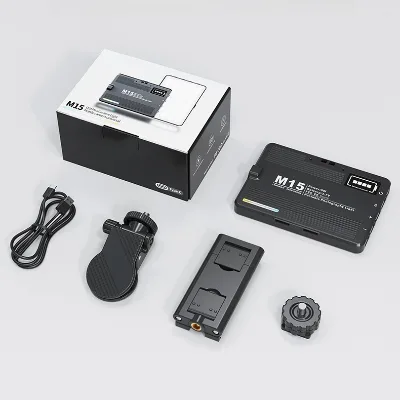
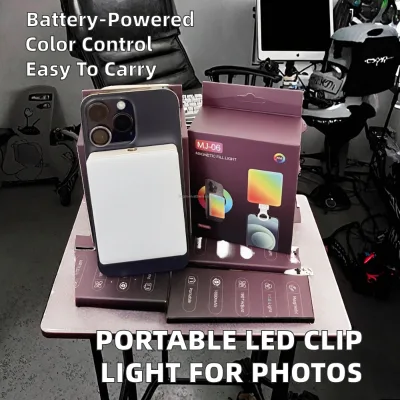


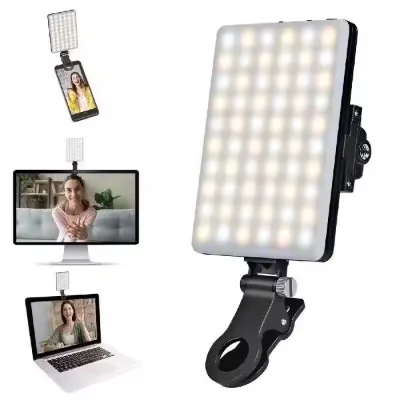
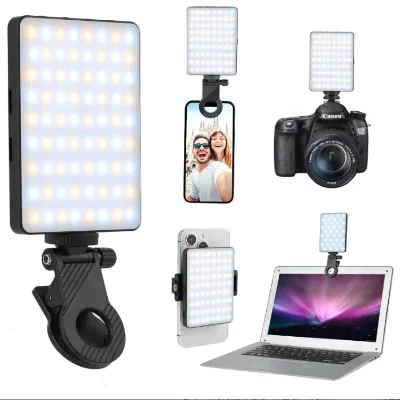
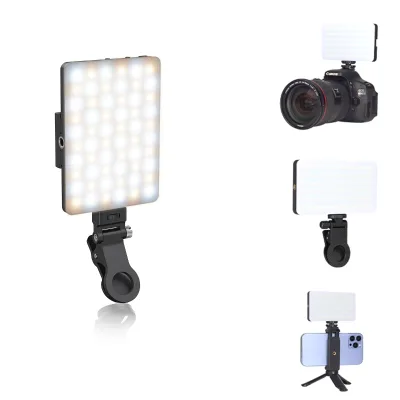
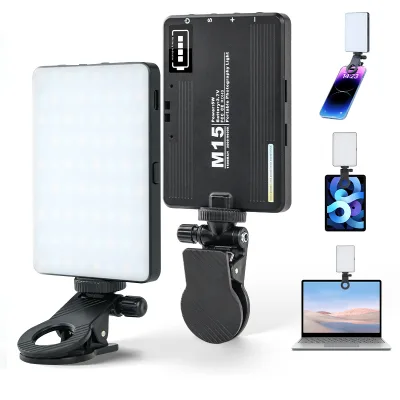
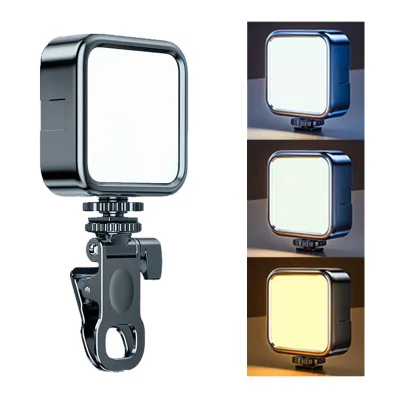
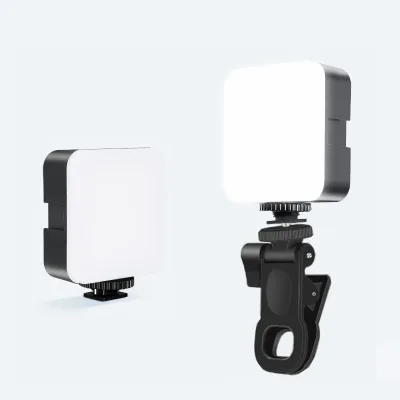

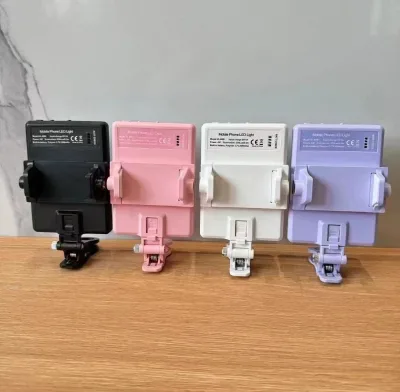
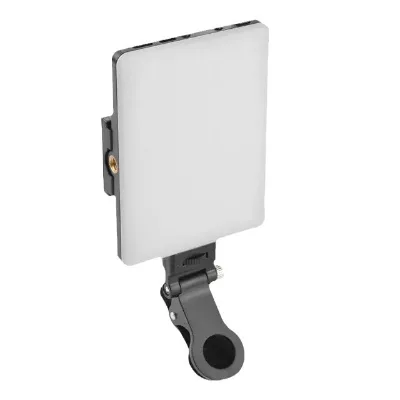

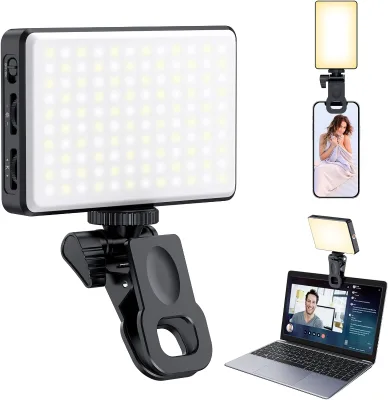

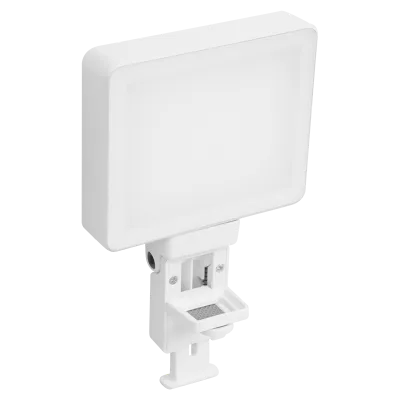
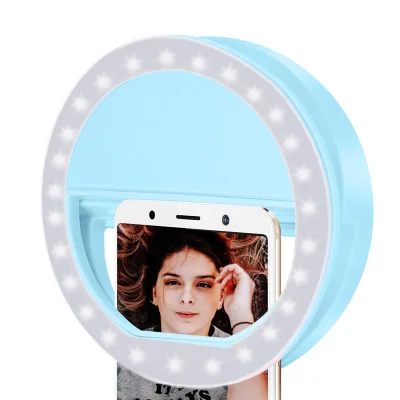


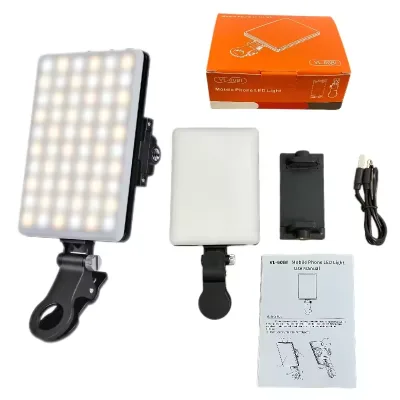
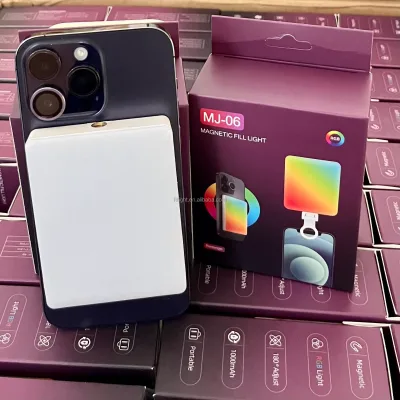
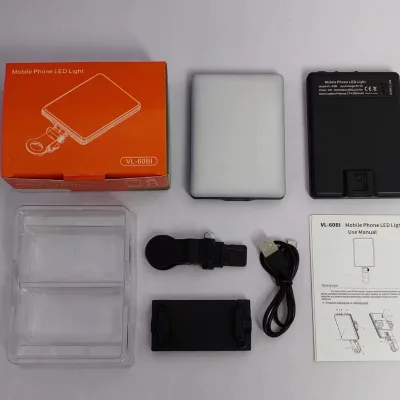
Comprehensive Sourcing Guide
Strategic Sourcing Guide for Portable Rechargeable Clip Video Lights
Understanding the Core Product Category and Technical Architecture
The Portable Rechargeable Clip Video Light represents a specialized segment within the broader lighting industry, designed specifically for mobile content creation, vlogging, and on-camera illumination. These devices are engineered to provide immediate, adjustable lighting solutions that attach directly to smartphones, cameras, or other recording equipment. The fundamental architecture of these units typically integrates a high-density LED array with a compact power management system. Based on observed market data, the primary light source is consistently identified as LED technology, which offers superior energy efficiency and longevity compared to traditional incandescent or halogen alternatives.
The physical construction of these lights often utilizes durable materials such as ABS plastic, which provides a balance between weight reduction and structural integrity. The average unit weight observed in the market ranges from approximately 0.179 kg to 0.250 kg, ensuring that the addition of the light does not significantly alter the center of gravity of the recording device. The power supply mechanism is a critical differentiator in this category. While some units rely solely on rechargeable batteries, such as the common 18650 cell type, others incorporate solar cell capabilities or dual-power systems to extend operational time in remote environments. The operating voltage typically aligns with standard low-voltage DC requirements, often cited around 3.7V for battery-operated units or 5V for USB-powered variants, ensuring compatibility with standard mobile charging infrastructure.
A defining feature of modern portable clip lights is the ability to adjust color temperature. This functionality allows users to match the ambient lighting conditions, ranging from warm tones to cool daylight. Specific product observations indicate color temperature ranges spanning from 2500K to 9900K, with some models offering a bi-color spectrum between 3000K and 7000K. This adjustability is crucial for professional-grade video production where color consistency is paramount. Furthermore, the control modes vary from simple physical switches to more sophisticated wire controls, allowing for precise adjustments without the need to handle the device directly.
Technical Specifications and Performance Metrics
When evaluating specific units for procurement, buyers must scrutinize the detailed technical specifications that define performance. The number of LED bulbs is a primary indicator of light output and uniformity. High-performance models in this category often feature arrays containing up to 72 individual LED bulbs, which contribute to a broader and more even light distribution. The total power consumption for these units is generally rated around 5 Watts, a figure that balances brightness with battery life. The physical dimensions of the single package typically range from 12x9x6 cm to 16x12x7 cm, reflecting the compact nature required for portability.
The mounting mechanism is another vital technical specification. Most units are designed with a hot shoe interface or 1/4-inch screw threads, providing universal compatibility with standard camera tripods and accessories. Some advanced models include integrated phone holders, with a count of one per unit, streamlining the setup process for mobile videographers. In contrast, other models may rely on external clamps or separate phone holders, indicated by a count of zero for integrated holders. The color output capabilities also vary; while some units offer a standard white, warm, or mixed light, others provide full RGB capabilities, allowing for creative lighting effects beyond standard illumination.
The battery capacity is a critical metric for operational reliability. Specifications often cite a 1500mAh battery capacity, which dictates the duration of continuous operation. Buyers should verify the specific battery type, as the 18650 format is common but not universal. The warranty period for these devices is typically standardized at 12 months, reflecting the manufacturer's confidence in the product's durability. Additionally, the operating temperature range is a key specification to consider, with some units rated for a color temperature range of 2500K to 9900K, ensuring versatility across different shooting environments.
Compliance, Certification, and Safety Standards
In the realm of electronic lighting products, compliance with safety and quality standards is non-negotiable for B2B procurement. While specific certification statuses for individual suppliers may vary, buyers must ensure that products meet international safety requirements for electrical components. The presence of a rechargeable battery introduces specific risks related to thermal management and electrical safety, making compliance with standards such as ISO 27001 for information security (if applicable to data handling in smart devices) or relevant electrical safety standards essential.
Buyers should verify that the product documentation includes evidence of compliance with regional safety regulations. For instance, products originating from China, a major manufacturing hub for this category, must adhere to export regulations and safety testing protocols. The absence of a specific certification claim in a product listing does not imply non-compliance, but it necessitates a request for documentation from the supplier. It is crucial to distinguish between observed product attributes and verified compliance claims. For example, while a product may list a specific model number like JMK-W600 or M15, the buyer must independently confirm that the manufacturing process adheres to the necessary quality management systems.
Furthermore, the material composition, such as the use of ABS plastic, should be verified against environmental and safety regulations regarding hazardous substances. The "private mold" attribute observed in some listings suggests that the product design is proprietary, which can be a positive indicator of quality control but requires careful vetting to ensure the mold meets safety standards. Buyers should also check for any specific certifications related to the battery type, as 18650 cells are subject to strict transport and safety regulations due to their lithium-ion chemistry.
Cost Drivers and Pricing Dynamics
The pricing structure for portable rechargeable clip video lights is influenced by several key factors, including material costs, technological complexity, and order volume. The observed price range in the market spans from $0.51 to $21.96 USD, reflecting a wide spectrum of product quality and feature sets. The lower end of this range typically corresponds to basic models with fewer LEDs, simpler control mechanisms, and standard battery capacities. Conversely, the higher end includes units with advanced features such as RGB color mixing, higher LED counts, and more robust build quality.
The Minimum Order Quantity (MOQ) is another significant driver of cost. The market shows an MOQ range from 1 piece to 1000 pieces. Suppliers offering an MOQ of just one piece often cater to small businesses or individual testers, potentially commanding a higher unit price due to the lack of economies of scale. In contrast, bulk orders of 1000 pieces usually result in a lower per-unit cost, making them more attractive for large-scale procurement. The "Small Orders: Accepted" attribute indicates flexibility in the supply chain, allowing buyers to start with smaller quantities before committing to larger volumes.
Additional cost drivers include customization options. Products with customizable logos or specific color requirements often incur additional tooling or setup fees. The "OEM" or "OEM/FTL" branding attributes suggest that many suppliers offer white-labeling services, which can impact the final price depending on the level of customization required. The weight of the product, ranging from 0.179 kg to 0.250 kg, also influences shipping costs, particularly for international buyers. Buyers should factor in these logistical costs when evaluating the total cost of ownership, as lightweight products may offer savings in freight charges.
Typical Applications and Use Cases
The versatility of portable rechargeable clip video lights makes them suitable for a diverse range of applications. The primary use case is in mobile content creation, where the compact size and clip-on design allow for hands-free operation. These lights are ideal for vloggers, influencers, and social media creators who need consistent lighting for selfie videos, live streams, and product reviews. The "Pocket Video Light For Phone Selfie & Camera Photographic Lighting" keyword highlights this specific niche, emphasizing the device's role in enhancing video quality for mobile devices.
Beyond mobile content creation, these lights are also used in professional photography and videography. The adjustable color temperature feature allows photographers to match the ambient light in a studio or on location, ensuring accurate color reproduction. The "Bi-Color" and "RGB" capabilities enable creative lighting effects, making these units valuable for artistic projects, interviews, and event coverage. The "Camping" application noted in the product attributes suggests that these lights are also suitable for outdoor enthusiasts who require portable, battery-powered illumination for night activities or emergency situations.
The "On Camera Lights" classification indicates their integration into professional camera setups. The inclusion of hot shoe mounts and 1/4-inch screws ensures compatibility with a wide array of camera equipment. The "Adjustable Color Temperature" feature is particularly valuable in mixed lighting environments, where the ability to fine-tune the light output can significantly improve the visual quality of the final product. Whether used for professional studio work or casual outdoor recording, the portability and rechargeability of these lights make them an essential tool for modern content creators.
Supplier Evaluation and Quality Control Protocols
Selecting the right supplier for portable rechargeable clip video lights requires a rigorous evaluation process. Buyers should prioritize suppliers who demonstrate transparency in their manufacturing processes and product specifications. The "Brand Name" and "OEM" attributes suggest that many suppliers offer both branded and white-label options. It is essential to verify the supplier's ability to maintain consistent quality across batches, especially when dealing with customized orders. The "Private Mold" attribute indicates that the supplier has invested in proprietary tooling, which can be a sign of stability and commitment to product development.
Quality control protocols should be a central part of the supplier evaluation. Buyers must request documentation regarding the testing procedures used for the LED arrays, battery safety, and overall product durability. The "Warranty: 12 Months" attribute is a standard indicator of a supplier's confidence in their product, but it should be accompanied by clear terms and conditions. Buyers should also verify the "Single gross weight" and "Single package size" to ensure that the packaging is sufficient to protect the product during transit.
When evaluating suppliers, it is crucial to avoid relying solely on observed data points. Instead, buyers should conduct due diligence by requesting samples, reviewing past performance, and checking for any negative feedback or complaints. The "Origin: China" and "Place of Origin: Guangdong, China" attributes highlight the primary manufacturing region, which is known for its electronics industry but also requires careful vetting to ensure compliance with international standards. Buyers should also consider the supplier's ability to handle "Small Orders" and their responsiveness to customization requests, as these factors can significantly impact the procurement experience.
Long-Term Procurement Considerations and Strategic Sourcing
For long-term procurement success, buyers must consider the scalability and sustainability of their supply chain. The "MOQ: 1 Piece" to "1000" range offers flexibility, but buyers should plan for future growth and potential volume increases. Establishing a relationship with a supplier who can accommodate both small and large orders is beneficial for managing inventory and cash flow. The "Customizable" logo and "Color" options allow for brand differentiation, which can be a strategic advantage in competitive markets.
Sustainability is another critical consideration. The use of rechargeable batteries and solar energy options aligns with global trends toward eco-friendly products. Buyers should inquire about the recyclability of the materials used, such as the ABS plastic and the battery components. The "12 Months Warranty" provides a baseline for product reliability, but buyers should also consider the availability of spare parts and the supplier's support infrastructure for repairs or replacements.
Finally, buyers should monitor market trends and technological advancements in the portable lighting sector. The evolution of LED technology and battery efficiency will likely drive future product improvements. By staying informed about these developments, buyers can make strategic decisions that align with their long-term business goals. The ability to adapt to changing market demands, such as the increasing need for high-quality mobile lighting solutions, will be key to maintaining a competitive edge in the B2B procurement landscape.
FAQs
What is the typical power source for these lights?
The power source is typically a rechargeable battery or solar energy. Some models combine solar cells with 18650 batteries, while others rely solely on a 1500mAh battery or USB power supply for operation.
Which color temperature ranges are available for these lights?
Available color temperature ranges span from 2500K to 9900K or 3000K to 7000K depending on the model. Many units offer bi-color or RGB capabilities to adjust between white, warm, and mixed light tones.
Can I order a single unit of this product?
Yes, you can order a single unit as the minimum order quantity is one piece. Some suppliers explicitly accept small orders, allowing buyers to test the product before committing to larger bulk purchases.
How many LED bulbs are typically included in one unit?
High-performance models often include up to 72 individual LED bulbs for uniform light distribution. The total power consumption for these units is generally rated around 5 Watts to balance brightness with battery life.
What materials are used to construct the lamp body?
The lamp body is constructed from durable ABS plastic or general plastic materials. This design ensures a lightweight structure, with unit weights typically ranging between 0.179 kg and 0.250 kg for easy portability.
Which control modes are supported by these video lights?
Supported control modes include switch control and wire control for precise adjustments. These mechanisms allow users to modify settings without directly handling the device, enhancing convenience during filming.