Source Portable Rechargeable AI Nail Lamp for salons, spas, and home use
Find 30 Portable Rechargeable AI Nail Lamp options from verified suppliers. Compare features like power, timer settings, and LED counts to select the right device for professional nail art or home curing needs.
Key considerations
Products List


Wholesale Rechargeable Cordless Manicure Phototherapy Machine Nail Lamp
$21.00 - $26.20
MOQ: 16 Pieces
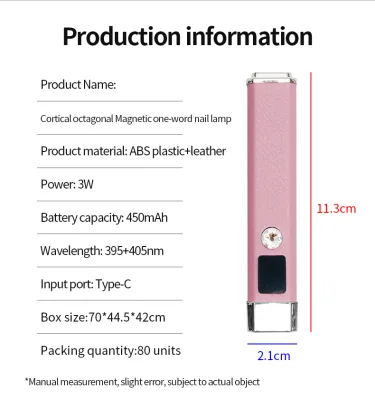


Nail Lamp Portable Rechargeable UV LED Nail Curing Light for Nail Studio
$16.00 - $18.00
MOQ: 24 Pieces


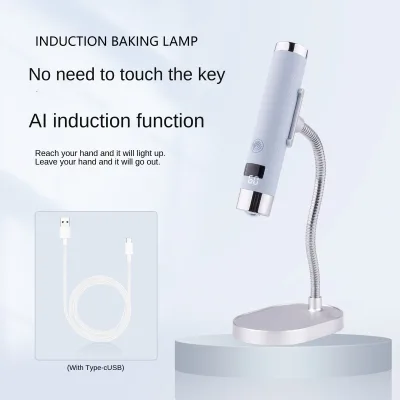


Hot New Smart X11 Professional Beautiful LED Portable Convenient Nail Lamp
$3.19 - $3.70
MOQ: 300 Pieces


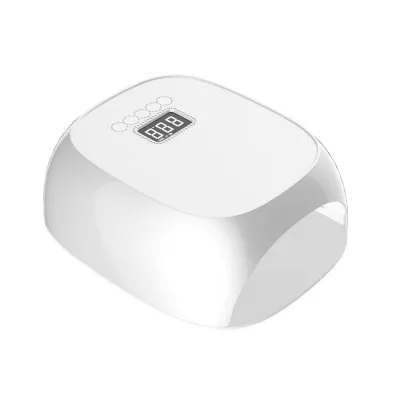


Comprehensive Sourcing Guide
Portable Rechargeable AI Nail Lamp Sourcing Guide
Sourcing portable rechargeable nail lamps requires a careful balance between technical performance, regulatory compliance, and commercial viability. The modern beauty equipment market has shifted significantly toward devices that offer both high curing efficiency and user-friendly portability. Buyers must navigate a landscape where specifications vary widely, from low-power handheld units to high-wattage desktop models with rechargeable capabilities. Understanding the distinction between these form factors is critical for aligning procurement with specific business needs, whether for retail resale, salon equipment supply, or OEM branding.
This guide provides evidence-based procurement strategies for sourcing portable rechargeable nail lamps, focusing on verified product attributes and industry standards. By examining observed listing signals, technical specifications, and compliance requirements, buyers can mitigate risks associated with inconsistent product quality and regulatory non-compliance. The following sections detail the essential verification steps and commercial considerations necessary for successful sourcing in this specialized category.
Product Scope and Observed Listing Signals
The current market for nail curing lamps exhibits a broad spectrum of product types, ranging from simple handheld UV/LED devices to complex, multi-functional units. Observed data indicates a price range of $0.42 to $51.90 USD, reflecting significant variation in build quality, power output, and feature sets. This wide disparity suggests that buyers must look beyond price alone to assess value, as lower-cost items may lack essential features such as rechargeable batteries or advanced timer settings. The presence of both plastic and metal materials in product construction further highlights the need for careful material verification to ensure durability and heat resistance.
Listing signals reveal a strong emphasis on customization and branding opportunities, with many suppliers offering logo acceptance and customizable packaging. Products are frequently described with specific models such as G1, SUN S10, G3, and L16, each associated with distinct power ratings and LED configurations. For instance, some units are specified as 3W handheld devices, while others reach up to 108W with 36 LEDs. These variations indicate that buyers should clearly define their target segment, as a 3W portable unit serves a different use case than a 108W high-speed curing lamp. Understanding these distinctions helps in filtering suppliers who can meet specific performance and aesthetic requirements.
Technical Specifications to Verify
Power output and LED configuration are primary technical indicators of curing efficiency and compatibility with various gel types. Buyers should verify the actual wattage, which ranges from 3W to 108W in observed listings, and ensure it aligns with the intended curing speed and gel thickness. The number of LEDs, such as 12, 30, or 36 pieces, directly impacts the curing area and uniformity. Additionally, the wavelength of the light source, typically 365nm and 405nm, is crucial for effective polymerization of UV gel. Mismatched wavelengths can lead to incomplete curing, resulting in poor nail adhesion and potential customer dissatisfaction.
Timer functionality and power supply options are equally critical for user experience and operational flexibility. Observed products offer various timer settings, including 30s, 60s, 90s, 120s, and even 99s, allowing for precise control over the curing process. The power supply mechanism, whether USB, battery, or electric, determines the portability and convenience of the device. Rechargeable models, in particular, offer enhanced mobility but require verification of battery capacity and charging cycle durability. Buyers should also check physical dimensions, such as 12820mm for handhelds or 2221.5*9.8cm for larger units, to ensure they fit the intended retail or salon space.
Compliance and Safety Documentation
Regulatory compliance is non-negotiable for importing beauty equipment, particularly those involving electrical components and UV light emission. CE and RoHS certifications are frequently cited in product listings, indicating adherence to European safety, health, and environmental protection standards. Buyers must request valid certification documents and verify their authenticity with the issuing bodies. These certifications ensure that the product meets essential requirements for electrical safety, electromagnetic compatibility, and restriction of hazardous substances, which are critical for market access in many regions.
Beyond certifications, buyers should assess the product's standard classification and origin to ensure alignment with local regulations. Products originating from China, as noted in observed data, may have different regulatory pathways depending on the destination market. It is essential to confirm that the product's electrical specifications, such as voltage and frequency, match the target market's standards. Additionally, verifying the presence of safety features, such as automatic shut-off or heat dissipation mechanisms, can prevent potential hazards during use. Documentation should include user manuals, safety warnings, and maintenance guidelines to ensure proper usage and liability protection.
Cost Drivers and Commercial Terms
The cost of portable rechargeable nail lamps is influenced by several factors, including material composition, power output, and customization options. Higher wattage units with more LEDs and advanced features like rechargeable batteries typically command higher prices. Material choice, such as metal versus plastic, also impacts cost, with metal offering greater durability but at a higher production expense. Buyers should analyze the cost structure relative to the expected retail price and profit margins, ensuring that the chosen product offers competitive value without compromising on quality or compliance.
Commercial terms, including minimum order quantity (MOQ) and lead times, play a significant role in procurement planning. Observed MOQs range from 1 to 2000 units, offering flexibility for both small-scale testers and large-volume buyers. Lead times, typically 7-15 days, should be factored into inventory management and order scheduling. Buyers should negotiate clear terms regarding payment methods, shipping responsibilities, and return policies. Additionally, understanding the supplier's capacity for logo customization and packaging design can enhance brand differentiation and market appeal.
Supplier Qualification and Quality Control
Supplier qualification is a critical step in ensuring consistent product quality and reliable service. Buyers should evaluate suppliers based on their production capabilities, quality control processes, and track record in the beauty equipment industry. Requesting samples is essential to verify product performance, build quality, and compliance with stated specifications. Suppliers who offer customization options, such as logo printing and packaging design, demonstrate flexibility and a customer-centric approach, which can be valuable for brand development.
Quality control measures should be integrated into the procurement process to minimize defects and ensure product reliability. Buyers should establish clear quality standards and inspection criteria, including visual checks, functional tests, and safety verifications. Implementing pre-shipment inspections can help identify and rectify issues before products leave the supplier's facility. Additionally, maintaining open communication with suppliers regarding any quality concerns or feedback can foster a collaborative relationship and drive continuous improvement. Regular audits and performance reviews can further ensure that suppliers meet evolving market demands and regulatory requirements.
Long-Term Procurement Checks
Long-term procurement success depends on continuous monitoring of product performance and market trends. Buyers should track customer feedback and return rates to identify any recurring issues or areas for improvement. Staying informed about advancements in nail technology, such as new gel formulations or curing techniques, can help in selecting products that remain relevant and competitive. Regularly reviewing supplier performance and market conditions allows for proactive adjustments in sourcing strategies and product offerings.
Building a resilient supply chain involves diversifying suppliers and maintaining strong relationships with key partners. This approach mitigates risks associated with supply disruptions or quality inconsistencies. Buyers should also consider the lifecycle of the product, including availability of spare parts and after-sales support, to ensure long-term customer satisfaction. By focusing on continuous improvement and strategic partnership development, buyers can sustain a competitive edge in the dynamic beauty equipment market.
FAQs
What power options are available for portable nail lamps?
Portable nail lamps come with USB, battery, or electric power supply options. Some models feature rechargeable capabilities while others rely on direct electric input. Buyers should verify the specific power requirement for their intended usage environment before purchasing.
Which certifications do these nail lamps typically hold?
Many portable nail lamps hold CE and RoHS certifications to ensure safety and environmental compliance. These certifications indicate the product meets specific regulatory standards for electrical safety and restriction of hazardous substances. Always request certification documents from the supplier for verification.
How long is the delivery time for these products?
The standard delivery time for these nail lamps ranges from 7 to 15 days. This lead time applies to most orders but can vary based on order volume and specific supplier schedules. Buyers should confirm the exact timeline during the negotiation phase.
Can I customize the logo on the nail lamp?
Yes, logo customization is available for many portable nail lamp models. Suppliers accept custom branding requests to help businesses establish their identity. This service allows buyers to add their specific logo to the product packaging or the device itself.
What materials are used to construct these lamps?
These lamps are constructed using durable materials such as plastic and metal. The choice of material affects the weight and durability of the handheld device. Buyers can select models based on their preference for lightweight plastic or sturdy metal construction.
What timer settings are included in the nail lamps?
Timer settings typically include options like 30s, 60s, 90s, 120s, and 99s depending on the model. These settings allow users to cure gel polish for the precise duration required. Some advanced models offer multiple preset times for different curing needs.
What is the minimum order quantity for these lamps?
The minimum order quantity ranges from 1 to 2000 units depending on the supplier and product model. Small buyers can start with single units while larger businesses may need to meet higher volume thresholds. Check specific supplier requirements before placing an order.