Source Portable Scuba Diving Tank for Diving, Rescue, and Training
Compare 30 Portable Scuba Diving Tank options from verified suppliers. These high-pressure vessels feature aluminum or alloy construction, various water capacities from 3L to 12L, and working pressures up to 200 bar for professional diving applications; compare the available evidence and request quotations based on your requirements.
Key considerations
Products List


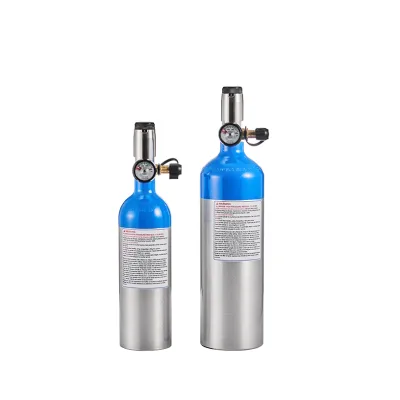

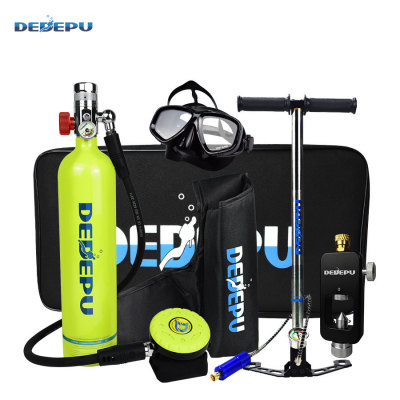
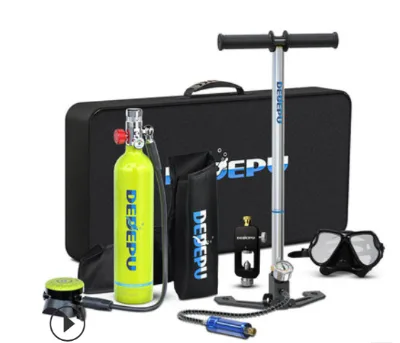

Good Quality 3000psi Scuba Diving Tank Air Cylinder Oxygen Tank Portable Valve
$19.00 - $20.00
MOQ: 1 Pieces

12L Scuba Tank Dive Tank Aluminium Breathing Air Compressor Scuba Tank
$30.00 - $150.00
MOQ: 100 Pieces


Comprehensive Sourcing Guide
Portable Scuba Diving Tank Sourcing Guide
Procuring portable scuba diving tanks requires a careful balance between material performance, regulatory compliance, and logistical efficiency. Buyers must navigate a market where specifications vary significantly based on intended use, whether for recreational diving, technical applications, or industrial gas storage. The core keyword "Portable Scuba Diving Tank" encompasses a diverse range of products, from lightweight aluminum cylinders to high-pressure composite solutions. Understanding the specific operational requirements is the first step in defining the technical parameters that will guide supplier selection and contract negotiation.
This guide provides a structured approach to evaluating suppliers and products based on observed market data and industry standards. It focuses on verifying critical attributes such as pressure ratings, material composition, and manufacturing certifications. By adhering to these procurement principles, buyers can mitigate risks associated with non-compliant equipment and ensure that the selected tanks meet both safety regulations and performance expectations. The following sections detail the essential verification steps and commercial considerations necessary for a successful sourcing strategy.
Product Scope and Observed Listing Signals
The current market for portable scuba diving tanks exhibits a wide range of product configurations, primarily driven by material choices and capacity requirements. Observed listings indicate a strong presence of aluminum alloy cylinders, which are favored for their corrosion resistance and relatively low weight compared to steel alternatives. These tanks are often marketed under various keywords, including "aluminum dive tank" and "oxygen cylinder for diving," reflecting their dual utility in both recreational and specialized gas applications. The diversity in product models suggests that suppliers offer customized solutions to meet specific volume and pressure demands.
Capacity ranges observed in the market span from small 3-liter units to larger 12-liter cylinders, with water capacities clearly defined for each model. This variation allows buyers to select tanks that align with their specific diving duration needs and portability constraints. Additionally, the presence of carbon fiber composite options indicates a segment of the market focused on ultra-lightweight performance, albeit at a higher price point. Buyers should note that while aluminum remains a dominant material, the availability of different wall thicknesses and outside diameters provides flexibility in designing tanks for specific pressure environments.
Technical Specifications to Verify
Verifying technical specifications is critical to ensuring that the selected tanks meet operational safety and performance standards. Key attributes to confirm include the working pressure, which in many observed listings is rated at 200 bar or 20 MPa, with test pressures often set at 30 MPa. These pressure ratings must be clearly documented on the cylinder and verified against the intended diving depth and gas consumption rates. Additionally, the thread type, such as G3/4 or 3/4-14npsm, must be compatible with the buyer’s existing regulator and valve systems to ensure a secure and leak-free connection.
Material composition and physical dimensions are equally important verification points. Aluminum alloy construction is common, but buyers must confirm the specific alloy grade and wall thickness, which can range from 7.4mm to 12.2mm depending on the capacity. The weight of the tank, which can vary from 3.9kg for a 3-liter unit to 14.6kg for a 12-liter model, directly impacts portability and diver fatigue. Buyers should also verify the outside diameter and height to ensure the tanks fit within storage constraints and equipment racks, particularly for commercial dive operations with limited space.
Compliance and Safety Documentation
Compliance with international and regional standards is non-negotiable for portable scuba diving tanks due to the inherent risks associated with high-pressure gas storage. Buyers must request documentation proving that the tanks are manufactured in accordance with recognized standards such as ISO7866, DOT3AL, and GB11640. These standards dictate the design, testing, and marking requirements for seamless aluminum cylinders, ensuring that they can withstand the cyclic stresses of repeated use. Verification of these certifications should be a primary filter in the supplier evaluation process.
In addition to manufacturing standards, buyers should ensure that each tank is individually tested and marked with its test pressure, working pressure, and date of manufacture. The presence of a hydrostatic test certificate for each batch is essential for maintaining a safe operational history. Buyers must also verify that the surface treatment, whether polished, painted, or sandblasted, meets corrosion resistance requirements for marine environments. Proper marking and documentation not only ensure safety but also facilitate regulatory inspections and insurance compliance for dive operators.
Cost Drivers and Commercial Terms
The cost of portable scuba diving tanks is influenced by several factors, including material costs, manufacturing complexity, and order volume. Aluminum cylinders generally offer a competitive price point compared to carbon fiber composite tanks, which involve more expensive raw materials and specialized winding processes. Buyers should expect a wide price range, reflecting the diversity in specifications and quality levels. Understanding these cost drivers helps in budgeting and negotiating favorable terms with suppliers, particularly for large-volume orders.
Minimum Order Quantities (MOQ) and payment terms are also significant commercial considerations. Observed MOQs can range from as low as one unit for sample orders to 500 units for bulk purchases, allowing flexibility for both small dive shops and large distributors. Buyers should clarify whether the quoted price includes packaging, such as carton and pallet or nylon box packing, as this can impact logistics costs. Additionally, lead times and customization options, such as specific thread types or surface finishes, may affect the final price and delivery schedule, so these details should be explicitly agreed upon in the contract.
Supplier Qualification and Quality Control
Selecting a qualified supplier is crucial for ensuring the long-term reliability and safety of portable scuba diving tanks. Buyers should prioritize suppliers who demonstrate a robust quality management system and have a proven track record in manufacturing high-pressure vessels. Verification of the supplier’s production capabilities, including their testing facilities and quality control processes, is essential. Buyers should request evidence of regular internal audits and third-party inspections to confirm that the manufacturing process adheres to the stated standards.
Quality control measures should extend beyond the final product to include raw material verification and in-process inspections. Buyers should inquire about the supplier’s procedures for handling defects and their policy on warranty and replacement for non-conforming products. Additionally, communication and responsiveness are key indicators of a reliable supplier, particularly when dealing with custom specifications or urgent orders. Establishing a clear channel for technical support and after-sales service can help resolve issues quickly and maintain operational continuity for dive operations.
Long-Term Procurement Checks
Long-term procurement success depends on establishing a framework for ongoing supplier performance evaluation and product lifecycle management. Buyers should implement a system for tracking the performance of tanks in the field, including any incidents of leakage, corrosion, or valve failure. This data can be used to assess the reliability of specific suppliers and models, informing future purchasing decisions. Regular reviews of supplier quality metrics, such as defect rates and delivery consistency, help maintain high standards and identify areas for improvement.
Additionally, buyers must stay informed about changes in regulatory standards and industry best practices that may affect the design and testing of portable scuba diving tanks. Periodic re-verification of supplier certifications and product compliance ensures that the equipment remains up-to-date with current safety requirements. By maintaining a proactive approach to procurement and quality management, buyers can mitigate risks and ensure that their dive operations are supported by safe, reliable, and compliant equipment. This long-term perspective is essential for sustaining operational excellence and protecting the safety of divers.
FAQs
What materials are used for portable scuba diving tanks?
Portable scuba diving tanks are primarily constructed from high-grade aluminum alloy or composite materials like carbon fiber. Aluminum models offer corrosion resistance and lightweight portability, while carbon fiber variants provide enhanced strength-to-weight ratios. These materials ensure durability under high pressure, meeting international safety standards for diving applications and ensuring reliable performance in various underwater environments.
What is the working pressure for these diving cylinders?
The working pressure for these diving cylinders is typically 200 Bar or 20 MPa. This high-pressure rating ensures sufficient gas volume for extended dive times. The test pressure is generally higher, around 30 MPa, to guarantee safety margins. These specifications align with standards like ISO7866, ensuring the tanks can safely withstand operational stresses during professional and recreational diving activities.
Which water capacities are available for these tanks?
Available water capacities range from 3 liters to 12 liters, with specific models including 3L, 5L, 7L, and 12L options. Smaller 3L tanks weigh approximately 3.9kg, while larger 12L tanks weigh around 14.6kg. These varying capacities allow divers to select the optimal balance between buoyancy, gas volume, and portability based on their specific diving requirements and physical constraints.
Can these tanks be customized for specific requirements?
Yes, customization is available for these tanks to meet specific client needs. Options include custom thread types such as G3/4 or 3/4-14npsm, and surface treatments like polishing, painting, or sandblasting. Manufacturers accept tailored specifications for dimensions and finishes, ensuring the final product aligns with particular diving gear configurations or branding requirements while maintaining compliance with relevant manufacturing standards.
What standards do these scuba tanks comply with?
These scuba tanks comply with international standards including ISO7866, GB11640, EN1975, and DOT3AL. These certifications ensure the cylinders meet rigorous safety and quality requirements for high-pressure gas storage. Compliance with ISO7866 specifically addresses seamless aluminum cylinders for diving, guaranteeing structural integrity and performance reliability for both recreational and professional diving applications across global markets.
How are the tanks packaged for shipping?
The tanks are packaged using carton and pallet systems or nylon, box, and transparent PP bags depending on the model. This secure packaging protects the cylinders from damage during transit. The packaging methods are designed to ensure safe delivery of these high-pressure vessels, maintaining their pristine condition and preventing any surface scratches or structural stress before they reach the end user or distributor.