Source Portable SF6 Gas Analyzer for Substations, Labs, and Maintenance
Find 30 verified Portable SF6 Gas Analyzer options for electrical substations, laboratory testing, and field maintenance. Compare specifications including dew point accuracy, purity ranges, and response times from suppliers in China.
Key considerations
Products List
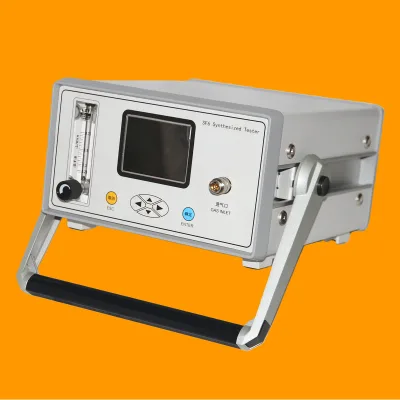
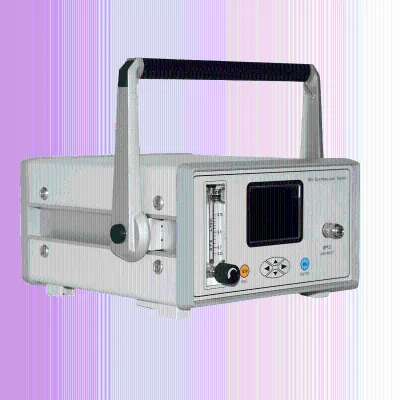


Wholesale Low Price Portable Flue Gas Analyzer for Efficient Emission Gas Analysis
$280.00 - $1500.00
MOQ: 1 Pieces

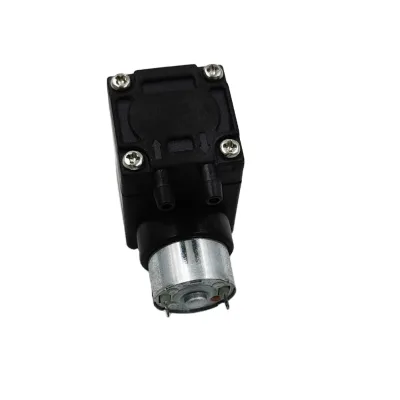


Advanced SF6 Gas Analyzer for Accurate Humidity and Purity Detection
$1200.00 - $13400.00
MOQ: 1 Pieces


Explosion-Proof Portable Flue Gas Analyzer for Safe Emissions Monitoring
$14000.00 - $27000.00
MOQ: 1 unit


Portable Gas Analyzer for Multi-Component Flue Gas Concentration Detection
$14000.00 - $27000.00
MOQ: 1 Unit


Comprehensive Sourcing Guide
Strategic Sourcing Guide for Portable SF6 Gas Analyzers
Understanding Technical Specifications and Performance Metrics
When sourcing a Portable SF6 Gas Analyzer, buyers must first distinguish between general gas detection capabilities and the specific requirements for sulfur hexafluoride (SF6) testing in high-voltage electrical environments. The core functionality of these devices often centers on measuring moisture content, known as dew point, and gas purity. Based on available market data, high-performance units typically feature a dew point measuring range extending from -80℃ to +20℃. This wide range is critical for accurately detecting moisture levels in cold climates or during various operational states of electrical equipment. The precision of these measurements is equally vital; observed specifications indicate a dew point accuracy of ±0.5℃ within the -80℃ to -60℃ range, ensuring reliable data for maintenance decisions.
Beyond moisture, the analyzer must assess gas purity. The standard measuring range for purity is 0% to 100%, with a reported accuracy of ±0.5%. It is important to note that some technical descriptions suggest this precision is independent of flow rates, a significant factor for field technicians who may vary their sampling speed. The response time for these instruments is another key performance indicator, with observed data showing a T90 response time of 30 seconds or less, allowing for rapid diagnostics. Additionally, the resolution ratio is often specified as 0.1℃ or 0.1ppm, providing the granularity needed to detect minute changes in gas composition. The device type is frequently described as automatic, utilizing electronic load controls to manage the sampling process efficiently.
Compliance, Certification, and Regulatory Standards
In the industrial sector, particularly for equipment used in power transmission and distribution, compliance with international standards is non-negotiable. Buyers should verify that the supplier provides documentation confirming adherence to recognized safety and quality standards. Observed product listings frequently cite CE certification, indicating conformity with health, safety, and environmental protection standards for products sold within the European Economic Area. Furthermore, some units are described as meeting both CE and ISO standards, which suggests a broader commitment to quality management systems.
When evaluating a potential supplier, procurement teams must request proof of these certifications rather than relying solely on marketing claims. The standard verification process involves checking the validity of the certification number and ensuring the specific model number matches the certified batch. While some listings mention "SGSF6" as a product model or standard reference, buyers should clarify if this refers to a specific internal standard or a third-party certification body. The presence of a "0" control grade in some specifications may refer to the accuracy class or a specific control mechanism, but this requires clarification against the actual test reports provided by the manufacturer. Ensuring the device meets local regulatory requirements in the buyer's region is the primary responsibility of the procurement team, as international certifications do not automatically guarantee local compliance.
Cost Drivers and Pricing Structures
The pricing landscape for portable SF6 gas analyzers is highly variable, reflecting differences in sensor technology, build quality, and included features. Market observations indicate a price range spanning from approximately $10.18 to $27,000 USD. This vast disparity suggests that the market includes both basic handheld detectors and comprehensive, multi-parameter testing stations. The lower end of the spectrum likely represents simpler devices with limited functionality, while the upper end encompasses units with advanced features such as integrated data logging, multiple gas detection capabilities, and robust industrial-grade housing.
Several factors drive these costs. The complexity of the sensor array is a primary driver; units capable of measuring multiple gases, such as SF6, Oxygen, and potentially toxic gases like H2S (with a range of 1-200ppm), command higher prices. The inclusion of an LCD screen display versus a digital readout, and the presence of an alarm mode utilizing light indicators, also influence the final cost. Furthermore, the packaging and shipping logistics play a role; units are often shipped in wooden crates with a single gross weight of 33.000 kg, which adds to the landed cost. Buyers should be wary of prices that seem unusually low, as they may indicate compromised sensor quality or a lack of necessary certifications. The minimum order quantity (MOQ) for these items is typically 1 unit, allowing for flexible procurement strategies, but bulk purchasing may offer volume discounts that are not immediately visible in the base price.
Typical Applications and Operational Environments
Portable SF6 gas analyzers are primarily deployed in the electrical power industry, specifically for the maintenance and commissioning of high-voltage switchgear, circuit breakers, and gas-insulated substations (GIS). The core application is the comprehensive testing of SF6 gas to ensure its insulating and arc-quenching properties remain intact. Moisture ingress is a leading cause of equipment failure in these systems, making the dew point measurement capability the most critical function. The device's ability to operate in environments with pressures up to 20 bar is essential for testing pressurized equipment without needing to depressurize the system first.
These instruments are also designed to detect other gases, such as Oxygen and toxic gases like H2S, which may be present in the vicinity or as byproducts of equipment failure. The "Target Gas" classification often includes both toxic and flammable gases, highlighting the dual role of the analyzer in ensuring both equipment integrity and personnel safety. The portable nature of the device, with a single package size of 48x38x14 cm, makes it suitable for field technicians who must navigate confined spaces within substations. The power supply requirements, typically AC 220V at 50Hz, indicate that these units are designed for use in standard industrial facilities, though some models may include battery options for extended field use. The application extends beyond simple detection to include data analysis, facilitated by USB 1.1 output interfaces for transferring test results to external systems.
Supplier Evaluation and Customization Capabilities
Selecting the right supplier requires a thorough evaluation of their manufacturing capabilities and willingness to customize. Many suppliers in the market offer OEM (Original Equipment Manufacturer), ODM (Original Design Manufacturer), and OBM (Original Brand Manufacturer) support, allowing buyers to brand the device or modify its specifications. This level of customization is crucial for organizations with specific operational needs or those requiring the device to integrate seamlessly with existing maintenance software. The "Customized" attribute is frequently listed as available, suggesting that features like the display type, alarm modes, or even the measurement range can be tailored.
Buyers should verify the supplier's location and logistics capabilities. Observed data points to origins in Chongqing and Hebei, China, regions known for manufacturing industrial instrumentation. The place of origin can impact lead times and shipping costs. A supplier with a local presence in the buyer's region may offer faster support and easier access to spare parts. Additionally, the warranty period is a key indicator of supplier confidence; a standard 12-month warranty is commonly observed. Buyers should negotiate terms that extend this coverage or include on-site support, especially for critical equipment used in remote locations. The ability to provide a single item for testing before a bulk order is also a valuable service, given the low MOQ of 1.
Quality Control and Long-Term Procurement Considerations
Ensuring long-term reliability requires a robust quality control strategy. Buyers must insist on detailed test reports that verify the claimed accuracy, repeatability, and response times. The specification "Precision and Repeatability: ±0.5%, Have Nothing to Do with The Flow" is a strong claim that must be validated through independent testing. Quality control should also encompass the physical durability of the unit, including the packaging method, which is often a wooden crate to protect the 33kg device during transit. The "Uncertainty" metric, observed as ≤ ±2% in some contexts, should be clearly defined and understood in relation to the overall measurement accuracy.
For long-term procurement, buyers should consider the lifecycle of the device, including sensor replacement and calibration schedules. The "Response Time" and "Recovery Time" of ≤ 30 seconds are performance metrics that may degrade over time, necessitating regular recalibration. The availability of spare parts and the supplier's technical support infrastructure are critical factors. A supplier that offers a comprehensive warranty and easy access to calibration services will reduce the total cost of ownership. Furthermore, the integration of the device with digital systems via the USB interface ensures that data can be archived and analyzed over time, supporting predictive maintenance strategies. By focusing on these long-term aspects, buyers can ensure that their investment in portable SF6 gas analyzers delivers consistent value and safety compliance over the device's operational life.
FAQs
What is the dew point accuracy of the portable analyzer?
The dew point accuracy is ±0.5℃ within the range of -80℃ to -60℃. This precision ensures reliable moisture detection in SF6 gas for high-voltage equipment maintenance and safety compliance.
Can the device measure gas purity and what is the range?
Yes, the device measures purity from 0% to 100% with an accuracy of ±0.5%. This measurement capability is independent of flow rates, ensuring consistent results during field testing operations.
Which certifications does the Portable SF6 Gas Analyzer hold?
The analyzer holds CE certification and meets CE/ISO standards. These certifications confirm compliance with health, safety, and environmental protection requirements for industrial equipment sold in international markets.
How long is the warranty period for this equipment?
The standard warranty period is 12 months. This coverage protects against manufacturing defects and ensures reliability for buyers purchasing the unit for critical power grid maintenance tasks.
What is the response time for gas detection measurements?
The response time is T90 ≤ 30 seconds. This rapid detection capability allows technicians to quickly assess gas conditions and make immediate decisions regarding equipment safety and operational status.
Can buyers request customized support for this analyzer?
Yes, OEM, ODM, and OBM customized support are available. Buyers can tailor specifications to meet specific operational needs while maintaining the core functionality required for SF6 gas testing.
What is the minimum order quantity for purchasing this unit?
The minimum order quantity is 1 unit. This low MOQ allows buyers to procure a single device for testing or initial deployment without committing to large bulk orders immediately.