Source Portable Ultrasonic Air Humidifier for Home, Office, and Travel
Find 30 Portable Ultrasonic Air Humidifier options for home, office, and travel use. Compare models with capacities from 60ml to 200ml, materials like ABS+PP and glass, and certifications including CE and RoHS. Source reliable suppliers for B2B needs.
Key considerations
Products List


Great New Ultrasonic Air Humidifier Purifier USB Humidifier Aroma Diffuser
$9.99 - $11.50
MOQ: 1000 Pieces


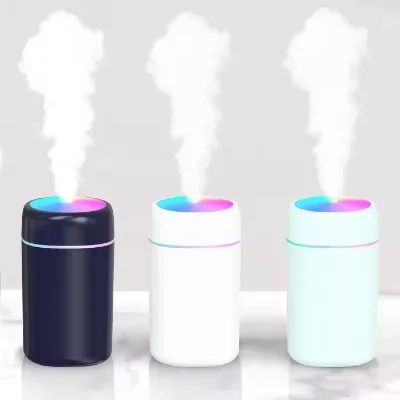


Mini Portable Wireless Humidifier Ultrasonic Air Humidifier for Home Office
$7.00 - $8.00
MOQ: 100 Pieces

Mini Travel Humidifier Ultrasonic Cool Mist Humidifier Portable Air Space Diffuser
$5.28 - $5.90
MOQ: 100 Pieces


New Arrival Nebulizer Ultrasonic Humidifier Portable Air Mist Humidifier
$3.90 - $4.40
MOQ: 200 Pieces


Ultrasonic Air Humidifier USB Portable Water Bottle Humidifier with Night Light
$6.74 - $7.34
MOQ: 100 Pieces


Small Air Humidifier Ultrasonic Portable USB Aromatherapy Diffuser for Home Office
$11.09 - $13.99
MOQ: 100 Pieces

Comprehensive Sourcing Guide
Portable Ultrasonic Air Humidifier Sourcing Guide
The Portable Ultrasonic Air Humidifier market presents a diverse array of options tailored for home, hotel, and automotive environments, with a distinct focus on aroma diffusion capabilities. Buyers observing current listings will encounter products ranging from compact 60ml units to larger 200ml reservoirs, all designed to operate via electric or USB power sources. These devices are primarily engineered to disperse fragrance into the air, often featuring cool-mist impeller technology to ensure efficient humidification without the heat associated with traditional steam models. The observed product weight varies between 0.42kg and 0.65kg, indicating a design philosophy centered on portability and ease of handling for end-users in various settings.
When evaluating the product scope, it is critical to distinguish between models that offer basic humidification and those that integrate advanced features like color-changing LED lights or specific aromatherapy functions. The supply chain currently offers units with customization options for color and branding, allowing buyers to align the aesthetic with their target market's preferences. However, the absence of timing functions in many observed listings suggests that buyers must verify if a specific model includes automatic shut-off or timer capabilities, as this is not a universal standard across all portable ultrasonic units. Understanding these functional nuances is essential for selecting the right product for specific use cases, whether for a luxury hotel amenity or a budget-friendly household item.
Product Scope and Observed Listing Signals
Buyers must carefully analyze the physical dimensions and material composition listed in product specifications to ensure the unit fits the intended application space. Observed listings reveal a variety of form factors, including tabletop and portable styles with dimensions ranging from approximately 11.3cm in width to 19.8cm in height. The materials used are predominantly ABS and PP plastics, though some premium models utilize glass construction, which may influence both the perceived value and the durability of the unit. These material choices directly impact the manufacturing process and the final weight of the device, which is a key factor for logistics and shipping cost calculations.
The capacity of the water tank is another critical signal that dictates the operational longevity of the humidifier between refills. Listings indicate capacities ranging from 60ml to 200ml, with the larger capacity units often featuring AC power sources while smaller, more portable versions may rely on USB power. This distinction is vital for buyers targeting specific environments; for instance, a 60ml USB-powered unit is ideal for car or desk use, whereas a 200ml AC-powered model is better suited for a bedroom or living room. Buyers should verify the power type and capacity together to ensure the device meets the runtime expectations of their end customers without requiring frequent maintenance.
Technical Specifications to Verify
Technical verification begins with confirming the power consumption and the specific power source compatibility of the unit. While many portable models operate on low wattage, such as 4W or 12W, the power type can vary significantly between AC sources and USB connections. Buyers need to ensure that the power adapter or cable provided matches the voltage requirements of the target market, as a mismatch can lead to product failure or safety hazards. Additionally, the humidification method, typically mist discharge via ultrasonic vibration, should be confirmed to ensure the device produces the desired cool mist rather than warm vapor, which is a key differentiator in this product category.
Buyers must also scrutinize the safety features and control mechanisms listed in the technical specifications. A notable observation in the current market is the variation in water shortage protection; some units lack this feature entirely, while others may include it as a standard safety mechanism. This is a critical decision point, as the absence of water shortage power-off protection can lead to motor burnout and product returns. Furthermore, the presence of manual humidity control versus automatic regulation should be verified, as this affects the user experience and the complexity of the internal electronics. Ensuring these technical details align with the buyer's quality standards is essential for minimizing after-sales support costs.
Compliance and Safety Documentation
Navigating the compliance landscape for portable ultrasonic air humidifiers requires a thorough review of the certification portfolio provided by the supplier. The observed listings frequently include a robust set of approvals such as CB, CE, CSA, EMC, GS, LFGB, RoHS, SASO, UL, and UR. These certifications indicate that the product has undergone testing for electrical safety, electromagnetic compatibility, and material safety, which are prerequisites for selling in major markets like Europe, North America, and the Middle East. Buyers should not assume that all listed certifications apply to every unit; instead, they must request specific test reports for the exact model number to confirm that the product meets the regulatory requirements of the destination country.
Material safety is another critical aspect of compliance that buyers must verify, particularly regarding the plastics and glass used in the construction of the humidifier. Certifications like LFGB and RoHS are essential for ensuring that the materials do not leach harmful substances into the air or water, which is a primary concern for health-conscious consumers. The presence of these certifications suggests that the supplier adheres to strict environmental and health standards, but buyers should still request the latest test reports to validate the claims. Additionally, the packaging standards, such as the use of three-layer corrugated boxes with paper inserts, play a role in ensuring the product arrives in good condition, which is part of the overall compliance with shipping and safety regulations.
Cost Drivers and Commercial Terms
The cost structure of portable ultrasonic air humidifiers is heavily influenced by the choice of materials, the complexity of the electronic components, and the level of customization required. Units constructed with glass or featuring advanced features like color-changing LED lights and specific aromatherapy functions will generally command a higher price point compared to basic ABS plastic models. The observed price range of $0.56 to $23.99 reflects this diversity, with the lower end likely representing simple, high-volume production runs and the higher end encompassing premium designs with additional features. Buyers must balance these cost drivers against their target retail price to ensure a viable profit margin.
Commercial terms, particularly the Minimum Order Quantity (MOQ) and packaging specifications, are significant factors in the procurement strategy. The observed MOQ ranges from 1 to 1000 pieces, with a specific high-confidence observation of 500 pieces for certain models, indicating that suppliers may have different thresholds based on the product's complexity. Packaging is another cost driver, with options ranging from individual 3-layer corrugated boxes to bulk cartons containing multiple units, such as 6 pieces per carton. Buyers should negotiate these terms carefully, as larger order volumes may reduce the unit cost but increase the initial capital outlay, while smaller MOQs offer flexibility but at a higher per-unit price.
Supplier Qualification and Quality Control
Supplier qualification for this product category requires a deep dive into the manufacturer's production capabilities and their track record with similar electronic appliances. Buyers should verify the supplier's origin, with China being a primary hub for these products, and assess their ability to handle customization requests for color and branding. The availability of a one-year warranty is a strong indicator of supplier confidence in their product quality, but buyers must also inquire about the specific terms of this warranty, including what is covered and the process for handling claims. A supplier with a robust quality control system will be able to provide detailed information about their production line and testing procedures.
Quality control measures should extend beyond the final product inspection to include raw material verification and in-process checks. Given the electronic nature of ultrasonic humidifiers, suppliers should have protocols in place to test the ultrasonic transducers and the electrical components for durability and safety. Buyers should request samples to perform their own functional tests, focusing on the mist output, the stability of the LED lights, and the reliability of the power-off protection features. Additionally, verifying the supplier's ability to maintain consistent quality across large production runs is crucial, as variations in the ultrasonic frequency or mist density can significantly impact the user experience and product reputation.
Long-Term Procurement Checks
Sustaining a successful procurement relationship for portable ultrasonic air humidifiers involves establishing clear communication channels for ongoing quality assurance and supply chain stability. Buyers should implement a system for regular audits or remote inspections to ensure that the supplier continues to meet the agreed-upon standards for materials, certifications, and production processes. This is particularly important given the dynamic nature of electronic components, where supply chain disruptions or changes in component suppliers can affect the final product's performance. Maintaining a close relationship with the supplier allows for early detection of potential issues and facilitates quick resolutions.
Long-term checks also include monitoring the product's performance in the market and gathering feedback from end-users to drive continuous improvement. Buyers should track return rates and customer complaints to identify any recurring issues with the humidifiers, such as leaks, noise, or premature failure of the ultrasonic transducer. This feedback loop should be shared with the supplier to inform future design iterations and quality control adjustments. By proactively managing these long-term checks, buyers can ensure that their product line remains competitive and reliable, fostering trust with their customers and securing a stable position in the market.
FAQs
What certifications are available for portable ultrasonic air humidifiers?
These devices typically hold CB, CE, EMC, GS, LFGB, RoHS, SASO, and UL approvals. Such certifications ensure compliance with international safety and electromagnetic standards. Buyers can verify specific approval lists for each model to meet regional regulatory requirements before placing bulk orders.
Can I customize the color and packaging of these humidifiers?
Yes, customization is available for both product color and packaging design. Manufacturers offer customized color options and specialized packing methods like corrugated boxes with paper inserts or CMYK printed boxes. This allows buyers to align the product appearance with their brand identity and retail requirements.
What is the typical MOQ for ordering these aroma diffusers?
The minimum order quantity is generally 500 pieces. This standard MOQ applies to many models in this category. Buyers should confirm the exact MOQ with suppliers, as it may vary slightly depending on the specific model, customization level, and current production capacity of the factory.
How does the capacity vary across different portable models?
Capacities range from 60ml to 200ml depending on the specific model. Smaller units like the 60ml version are ideal for travel, while larger 200ml models suit home or office use. Selecting the right capacity ensures optimal mist duration and suitability for the intended usage environment.
What power types are used in these ultrasonic humidifiers?
These humidifiers utilize AC source, USB, or electric power types. Power consumption varies, with some models using 4W and others up to 12W. The power type determines the charging method and usage scenario, allowing buyers to choose between plug-in or portable battery-operated options.