Source Portable Tripod Screen for cameras, phones, and tablets
Compare 30 Portable Tripod Screen options from verified suppliers. Explore models with aluminum or carbon fiber legs, varying heights, and load capacities for digital cameras, mobile phones, and tablets.
Key considerations
Products List
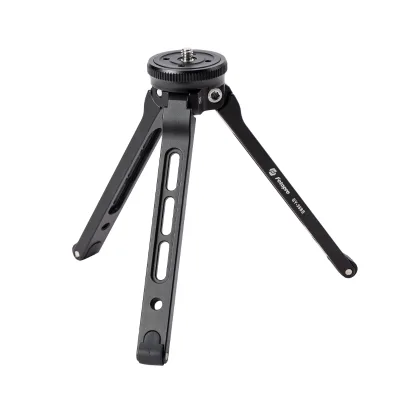
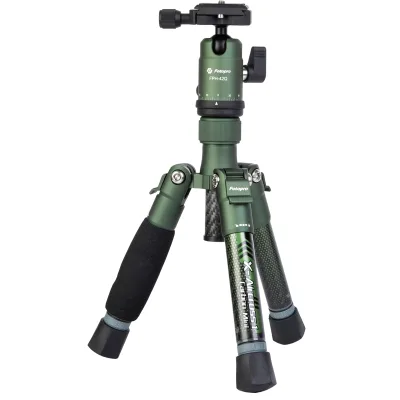


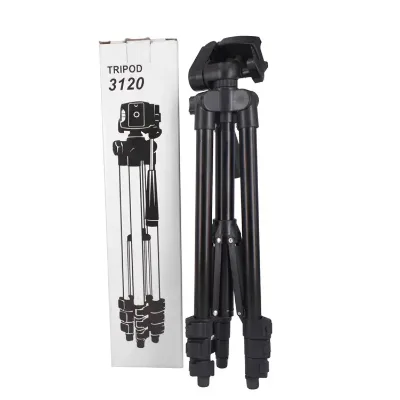


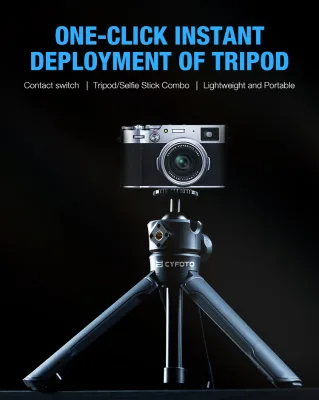
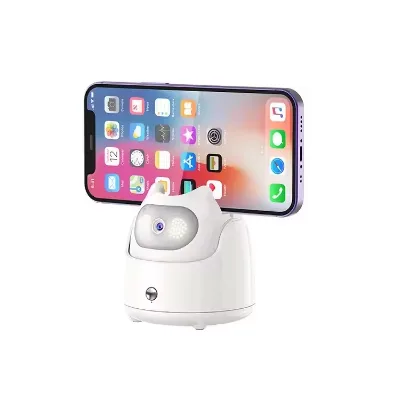
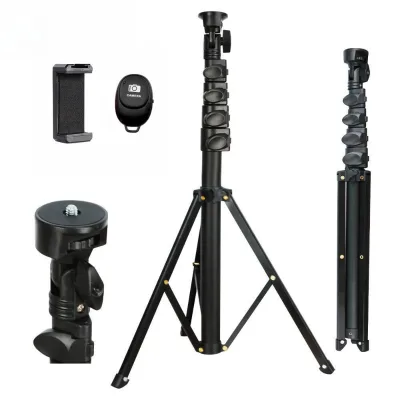


Tripod Projection Screen/Projector Screen with Competitive Prices (TS070)
$18.50 - $19.00
MOQ: 500 Pieces


Comprehensive Sourcing Guide
Strategic Sourcing Guide for Portable Tripod Screen Solutions
Understanding the Product Landscape and Core Specifications
The procurement of Portable Tripod Screen solutions requires a precise understanding of the diverse product attributes available in the global market. When sourcing equipment labeled as "Portable Tripod Screen" or related support systems, buyers must navigate a wide spectrum of specifications that define the utility and performance of the item. The observed product data reveals a significant divergence in design philosophies, ranging from ultra-compact, flexible units designed for mobile devices to robust, professional-grade tripods intended for heavy digital camera loads.
A critical initial observation is the variance in material composition. The market presents options constructed from Aluminum Alloy, which typically offers a balance of durability and cost-effectiveness, alongside Carbon Fiber variants. Carbon Fiber models are often associated with higher weight reduction and enhanced vibration damping, though the specific weight data provided indicates a range from approximately 169 grams to 630 grams. This disparity suggests that the "portable" designation applies to different classes of equipment. For instance, a unit weighing 169 grams is likely a mini flexible tripod designed for smartphones, whereas a 630-gram unit may be a professional tripod with a maximum load capacity of 8kg or 10kg.
Height specifications are equally critical for defining the product's application. The data indicates folded heights ranging from 155mm to 175mm, ensuring extreme portability for travel or on-the-go usage. Conversely, extended lengths vary significantly, with some models reaching a maximum height of 465mm (approximately 18.3 inches) while others extend to 135mm or 170mm. Buyers must align these dimensions with their specific use cases. A maximum height of 465mm is suitable for low-angle shots or tabletop photography, while a 135mm maximum height might be insufficient for standard standing use, indicating a specialized niche product. The number of leg sections also plays a role in the folded size and stability; a 4-section leg design is common in the observed data, offering a compromise between compactness and extension range.
Technical Performance and Load Capacity Analysis
When evaluating the technical performance of portable tripods, the load capacity and structural integrity are paramount. The supply data highlights a maximum load capacity range from 8kg to 10kg. This metric is the primary determinant of whether a tripod can support a specific camera setup, including the camera body, lens, and any attached accessories like microphones or external monitors. A load capacity of 10kg (22.04lbs) suggests a heavy-duty capability suitable for professional DSLR or mirrorless cameras with telephoto lenses. In contrast, a capacity of 8kg (17.6lbs) or lower may be intended for lighter mirrorless setups or tablet mounts.
The locking mechanism is another technical specification that influences user experience and reliability. The observed data lists "Tripod Lock Type" as "Other," which implies a need for further verification. Buyers should not assume a specific locking mechanism, such as flip locks or twist locks, without explicit confirmation from the supplier. The type of lock affects the speed of deployment and the security of the legs during use. Additionally, the diameter of the leg tubes, observed at 22mm in some models, provides insight into the structural rigidity. Thicker tubes generally offer better stability but may add weight.
The inclusion of a bubble level is a notable feature observed in the product data. This accessory is essential for ensuring horizon alignment, particularly in landscape photography or video production where a tilted horizon is immediately noticeable. The presence of a bubble level indicates a higher level of attention to detail in the product design. Furthermore, the "Special Feature" tags such as "Portable," "Mini," and "Flexible" suggest that these products are engineered for adaptability. Flexible tripods, often characterized by their ability to wrap around irregular surfaces, are distinct from rigid tripods and serve a unique market segment for creative angles.
Compliance, Certification, and Safety Standards
Navigating the compliance landscape for portable tripod equipment requires careful attention to safety standards and material certifications. While the provided data mentions a low-confidence background regarding CE certification, buyers must not assume that all listed products possess this status. CE marking indicates conformity with health, safety, and environmental protection standards for products sold within the European Economic Area. The absence of a definitive certification status in the high-confidence facts necessitates a proactive verification process.
Material safety is another critical compliance area. The data lists "halogen" as a product standard for certain items, which may refer to lighting components or specific material treatments. If the product includes integrated lighting or electronic components, compliance with RoHS (Restriction of Hazardous Substances) and WEEE (Waste Electrical and Electronic Equipment) directives is often required for international markets. The "IP Rating" observed in the data, specifically "IP65," indicates a high level of protection against dust and water jets. This rating is crucial for outdoor use or environments with potential moisture exposure. However, the data also lists "IPPortability:Mobile," which appears to be a data entry artifact rather than a standard IP rating. Buyers must clarify the exact IP rating with the supplier to ensure the product meets the environmental requirements of their intended use.
Electrical safety, if applicable, is governed by standards such as IEC 60598 for lighting fixtures. The observed "Color Temperature" range of 3000K-6000K and "Class of Protection: IP65" suggests that some products may include integrated lighting or electronic controls. In such cases, verifying the "Lifting Mode" (observed as "Pneumatic" in one entry) and power specifications (e.g., "Cap Power: 4*(100W/200W/500W)") is essential. These specifications imply complex mechanical or electrical systems that require rigorous safety testing. Buyers should request test reports from accredited laboratories to confirm that the product meets the safety standards of their target market, rather than relying on generic claims.
Cost Drivers and Pricing Dynamics
The pricing of portable tripod solutions is influenced by a complex interplay of material costs, manufacturing complexity, and feature sets. The observed price range of $1.53 to $560 USD reflects the vast diversity in the product category. The lower end of the spectrum likely corresponds to simple, lightweight aluminum tripods with minimal features, such as basic locking mechanisms and no integrated lighting. These products are often mass-produced with high volumes, driving down the unit cost.
Conversely, the higher price points are driven by the use of premium materials like carbon fiber, advanced engineering for higher load capacities, and the integration of complex features such as pneumatic lifting modes or specialized mounting interfaces. The "Customization: Available" attribute suggests that bespoke solutions, which may include branding, specific color schemes, or tailored mechanical designs, will command a premium price. Customization often involves additional tooling costs and longer lead times, which are factored into the final price.
Minimum Order Quantity (MOQ) is another significant cost driver. The observed MOQ range of 1 to 500 units allows for flexibility in procurement strategies. Low MOQs are beneficial for small businesses or prototyping phases, allowing buyers to test the market without significant capital investment. However, higher MOQs often result in better unit pricing due to economies of scale. Buyers must balance the desire for low unit costs with the need for inventory management. A high MOQ of 500 units may be necessary to achieve the lowest price point, but it requires a robust sales channel to absorb the inventory.
Typical Applications and Use Cases
The versatility of portable tripods is evident in the diverse applications supported by the product data. The primary use cases include digital photography, videography, and mobile device support. The "Compatible Brand: All" and "Camera Interface: Regular 1/4-20 Screws" specifications indicate universal compatibility with a wide range of cameras and smartphones. This universality makes these products suitable for a broad audience, from hobbyists to professional content creators.
The "Mini Flexible Tripod" and "Portable Flexible" features are particularly valuable for creative photography. These tripods can be wrapped around tree branches, railings, or uneven terrain, providing unique angles that are impossible with rigid tripods. This capability is highly sought after in travel photography and social media content creation, where portability and adaptability are key. The "Bubble level" feature further enhances the utility of these products for professional applications where precise alignment is required.
For industrial or commercial applications, the high load capacity and robust construction of certain models make them suitable for mounting heavy equipment, such as projectors, large monitors, or specialized sensors. The "Lifting Mode: Pneumatic" observation suggests that some products may be designed for dynamic positioning, which is useful in stage setups or temporary installations. The "Color Temperature" and "IP Rating" data point to applications involving lighting or outdoor environments, where durability and light quality are critical.
Supplier Evaluation and Quality Control Protocols
Evaluating suppliers for portable tripod solutions requires a rigorous approach to quality control and due diligence. The "Place of Origin" data indicates that many products are manufactured in Guangdong, China, a region known for its electronics and hardware manufacturing capabilities. However, the presence of products originating from Shanghai suggests a diverse supply chain. Buyers should verify the specific manufacturing location for each product to ensure it aligns with their quality expectations and logistical requirements.
Quality control should focus on the consistency of materials and the precision of manufacturing. Buyers must request samples to test the load capacity, leg stability, and locking mechanisms. The "Weight" and "Folded Height" specifications should be verified against the actual product to ensure that the supplier is not overstating the portability or capacity. The "Model Number" and "Product Model" fields are essential for tracking specific batches and ensuring consistency in future orders.
Supplier evaluation should also include an assessment of their customization capabilities. The "Customization: Available" attribute indicates that some suppliers can tailor products to specific needs. Buyers should inquire about the customization process, including lead times, additional costs, and the minimum order quantities for custom runs. The "Packing" method, such as "Wooden Box," is another factor to consider, as it impacts the protection of the product during shipping and the overall cost.
Long-Term Procurement and Market Considerations
Long-term procurement of portable tripod solutions requires a strategic approach to inventory management and supplier relationships. The "Selling Units: Single item" attribute suggests that many products are sold individually, which may impact the pricing structure for bulk orders. Buyers should negotiate volume discounts and explore the possibility of bundling products to optimize costs.
The market for portable tripods is dynamic, with continuous innovation in materials and design. Buyers should stay informed about emerging trends, such as the increasing demand for carbon fiber products and the integration of smart features like Bluetooth connectivity or app control. The "Keywords: Mini Flexible Tripod" and "Feature: Portable Flexible" indicate a strong market trend towards compact and versatile solutions.
Sustainability is also becoming a key consideration in procurement. Buyers should inquire about the environmental impact of the materials used, such as the recyclability of aluminum and carbon fiber. The "Standard: halogen" observation may raise concerns regarding the use of hazardous materials, and buyers should ensure that suppliers adhere to environmental regulations.
In conclusion, sourcing Portable Tripod Screen solutions requires a comprehensive understanding of the product specifications, compliance requirements, and market dynamics. By carefully evaluating the technical performance, cost drivers, and supplier capabilities, buyers can make informed decisions that align with their specific needs and long-term strategic goals. The diversity of the product landscape offers numerous opportunities for innovation and value creation, provided that buyers approach the procurement process with diligence and a clear understanding of the available options.
FAQs
What materials are used for portable tripod screens?
Portable tripod screens are constructed from Aluminum Alloy or Carbon Fiber. These materials offer a balance of durability and weight reduction, with observed weights ranging from 169 grams to 630 grams depending on the specific model and design.
How much weight can a Portable Tripod Screen support?
The maximum load capacity for these tripods ranges from 8kg to 10kg. This specification ensures they can support digital cameras, mobile phones, and light accessories while maintaining stability during use.
What is the folded height of a mini portable tripod?
The folded height varies between 155mm and 175mm for compact models. This dimension ensures extreme portability, allowing the equipment to fit easily into bags for travel or on-the-go photography sessions.
Can portable tripods be customized for specific needs?
Yes, customization is available for many portable tripod models. Buyers can request tailored designs, though this may affect lead times and pricing compared to standard inventory items.
Where are these portable tripod screens manufactured?
These products originate from Guangdong and Shanghai in China. The manufacturing locations indicate a supply chain focused on electronics and hardware production with established capabilities for portable support systems.
What is the minimum order quantity for these tripods?
The minimum order quantity ranges from 1 to 500 units. This flexibility allows buyers to order single items for testing or larger batches for bulk distribution without immediate high-volume commitments.