Source Portable Travel Shoe Organizer for Travel, Storage, and Promotion
Compare 30 Portable Travel Shoe Organizer options from verified Chinese manufacturers. These units feature waterproof or non-waterproof designs, custom sizes, and logo printing for travel, storage, and promotional use; compare the available evidence and request quotations based on your requirements.
Key considerations
Products List


Cationic Fabric Travel Shoe Bag Waterproof Portable Shoe Organizer Storage Bag
$1.98 - $2.20
MOQ: 1000 Pieces


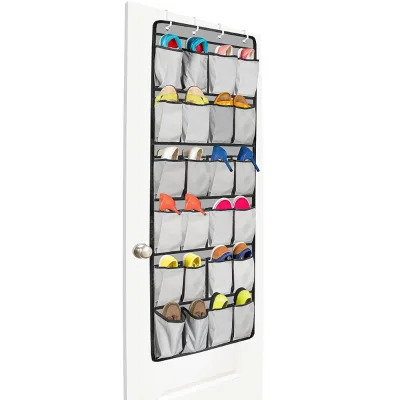
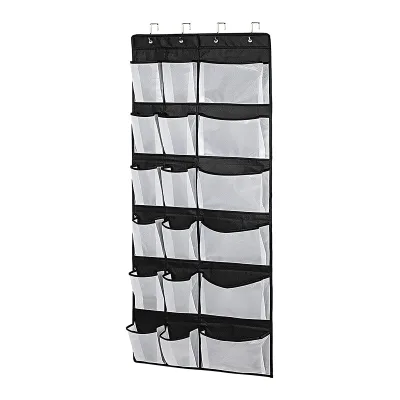


Adjustable Home Double Layer Shoe Slots Organizer-Space Shoe Rack Holder
$0.17 - $0.20
MOQ: 5000 Pieces

Comprehensive Sourcing Guide
Portable Travel Shoe Organizer Sourcing Guide
The Portable Travel Shoe Organizer market features distinct product variations ranging from rigid box types to flexible folding designs, each serving specific logistical needs for travelers and retailers. Buyers must distinguish between models designed for general storage and those optimized for promotional distribution, as the structural integrity and material composition vary significantly across these categories. Understanding these physical differences is the first step in aligning procurement with specific operational requirements, ensuring the selected solution fits the intended use case without unnecessary bulk or fragility.
Procurement decisions should prioritize the internal material composition and external durability features, as observed listings indicate a prevalence of polyester and Dacron fabrics with varying hardness levels from medium soft to soft. While some units offer waterproof capabilities essential for wet environments, others are explicitly noted as non-waterproof, requiring careful selection based on the travel conditions or storage environment. This distinction dictates the suitability of the product for different scenarios, from gym bags to luggage compartments, and influences the long-term value proposition for the end user.
Product Scope and Observed Listing Signals
Buyers should analyze the observed product models to identify specific functional attributes such as zipper closures, open designs, and patterned versus plain aesthetics that define the product's market positioning. The available data highlights a range of styles from leisure and simplicity to specialized uses like sports, shopping, and gift packaging, indicating that a single SKU rarely satisfies all potential market segments. Sourcing strategies must therefore account for this diversity, selecting suppliers who can provide a portfolio of options rather than a single generic item to meet varied customer demands.
Commercial signals such as the acceptance of customization for color, size, and logo printing are critical indicators of a supplier's flexibility and readiness to support private label initiatives. The presence of specific model numbers alongside customizable attributes suggests a hybrid supply chain where standard base products are adapted to client specifications, allowing for brand differentiation without the high costs of tooling entirely new molds. Procurement teams should verify the extent of these customizations, ensuring that the supplier can reliably execute changes in dimensions, patterns, and branding elements without compromising the core structural integrity of the bag.
Technical Specifications to Verify
Verification of physical dimensions and capacity is essential, as observed specifications range from compact carry-on sizes to larger storage units with defined standard measurements like 30 by 21 by 11 centimeters. Buyers must confirm that the listed dimensions align with their logistical constraints, particularly regarding weight limits and space efficiency within luggage or retail displays. The distinction between medium capacity and specific size choices requires precise validation to ensure the product meets the functional requirements of the target user base without being oversized or undersized for its intended purpose.
Material hardness and closure mechanisms are equally critical technical parameters that determine the product's durability and ease of use in dynamic environments. The observed range from medium soft to soft hardness affects how the bag maintains its shape when loaded, while the choice between zipper and open closures impacts security and accessibility. Procurement teams should request physical samples to test these attributes, ensuring that the selected model offers the necessary balance between flexibility for packing and rigidity to protect contents during transit.
Compliance and Safety Documentation
While specific certification statuses are not universally listed in the provided data, buyers must verify that all materials, particularly polyester and Dacron, comply with relevant safety standards for consumer goods in their target markets. The absence of explicit certification claims in the source text necessitates a proactive approach where suppliers are required to provide documentation confirming the absence of harmful substances and adherence to textile safety regulations. This due diligence is vital to mitigate liability risks and ensure that the products can be legally imported and sold in regions with strict chemical and material safety requirements.
Packaging standards and labeling requirements also fall under the compliance umbrella, as observed listings mention specific packing methods like one bag in one OPP bag. Buyers should ensure that the packaging process meets environmental regulations and that any printed logos or patterns adhere to local advertising and labeling laws. Verifying that the supplier follows consistent packing protocols helps prevent damage during shipping and ensures that the final product presentation meets the quality expectations of the end consumer.
Cost Drivers and Commercial Terms
Minimum Order Quantities (MOQs) represent a significant cost driver, with observed ranges spanning from 500 to 5000 pieces, directly impacting the initial capital outlay for procurement projects. Buyers must align their order volume with these thresholds to secure favorable unit pricing, recognizing that lower MOQs may result in higher per-unit costs while larger orders leverage economies of scale. Understanding these thresholds is crucial for financial planning, as the MOQ dictates the inventory risk and cash flow requirements associated with the initial purchase order.
Lead times and sample availability further influence the total cost of ownership, with sample times noted as 5 to 7 days for certain models. These timelines affect the speed of product development and market launch, requiring buyers to factor in potential delays when planning inventory replenishment cycles. Additionally, the cost of customization, including logo printing and thermal transfer processes, should be clearly defined in commercial terms to avoid unexpected expenses that could erode profit margins on the final retail price.
Supplier Qualification and Quality Control
Supplier qualification should focus on their ability to manage customization requests while maintaining consistent quality across different production batches. The observed acceptance of customizable colors, sizes, and logos indicates a flexible manufacturing process, but buyers must verify that the supplier has robust quality control systems to ensure these variations do not lead to defects or inconsistencies. Establishing clear quality benchmarks for material hardness, closure functionality, and print durability is essential to maintain brand reputation and customer satisfaction.
Quality control protocols must also address the specific usage scenarios identified, such as travel, sports, and promotional events, to ensure the product performs reliably under stress. Buyers should implement pre-shipment inspections that test the structural integrity of the bag, the strength of the zipper or closure, and the adhesion of any printed patterns. This rigorous approach helps identify potential issues before the product reaches the market, reducing the risk of returns and negative feedback that could damage the buyer's business relationships.
Long-Term Procurement Checks
Sustainable procurement practices require ongoing monitoring of supplier performance regarding delivery reliability and adherence to agreed-upon specifications over time. Buyers should establish key performance indicators that track on-time delivery rates, defect rates, and the consistency of customization execution to ensure the supply chain remains stable and responsive to changing market demands. Regular audits and performance reviews help identify any deviations in quality or service that could impact the long-term viability of the partnership.
Market trends and consumer preferences for portable travel organizers are dynamic, necessitating a strategy that allows for continuous product evolution and adaptation. Buyers should maintain open communication channels with suppliers to stay informed about new materials, design innovations, and potential cost-saving opportunities that could enhance the product's competitiveness. By fostering a collaborative relationship based on mutual growth and transparency, procurement teams can secure a reliable supply of high-quality shoe organizers that meet the evolving needs of their customers.
FAQs
Can I customize the size and color of the Portable Travel Shoe Organizer?
Yes, customization is available for both size and color choices. The product accepts custom specifications and allows for personalized color options to meet specific branding or functional needs. This flexibility ensures the organizer fits various storage requirements and aesthetic preferences for different users.
What material is used for the inside of the Portable Travel Shoe Organizer?
The inside material is polyester, providing durability and ease of cleaning. This material choice supports the bag's function as a storage solution for shoes, ensuring that the interior remains resilient during travel and daily use while maintaining a lightweight profile for portability.
What is the typical MOQ for ordering portable travel shoe organizers?
The typical MOQ ranges from 500 to 1000 pieces depending on the specific model. Some items require 500 PCS while others may need 1000 PCS. Buyers should verify the exact requirement for their chosen model to ensure compliance with supplier production thresholds.
How long does it take to receive a sample of the Portable Travel Shoe Organizer?
The sample time is typically 5-7 days. This timeframe allows for the production and dispatch of a single unit for quality verification. Buyers can use this period to assess the material quality, zipper functionality, and overall construction before committing to a larger bulk order.
Is the Portable Travel Shoe Organizer waterproof or water-resistant?
Waterproof status varies by model. Some versions are explicitly waterproof, while others are noted as not waterproof. Buyers should check the specific product attributes for the model they intend to purchase to determine if it meets their protection needs for wet or humid travel conditions.
What closure type is used for the Portable Travel Shoe Organizer?
The closure type is typically a zipper, ensuring secure storage for shoes. Some models may feature an open design or handled carry-on style. The zipper closure helps keep contents contained and protected during transit, making it suitable for travel, sports, and shopping bag uses.