Source Portable Travel Vietnamese Coffee Phin for Camping, Travel, and Outdoor Use
Find and compare 30 Portable Travel Vietnamese Coffee Phin options designed for camping, travel, and outdoor brewing. These versatile coffee drippers feature eco-friendly materials like silicone and stainless steel, offering easy carry and customizable branding for cafes and individual buyers.
Key considerations
Products List
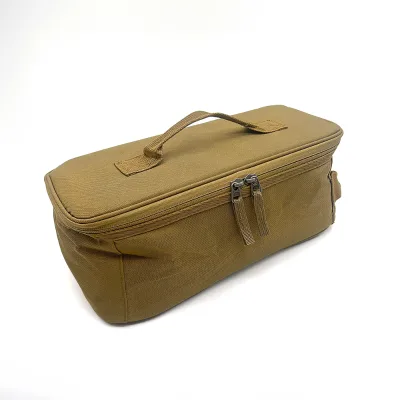
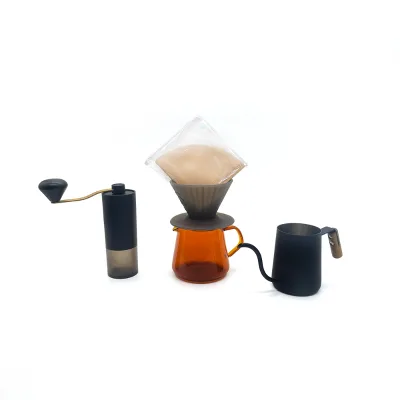

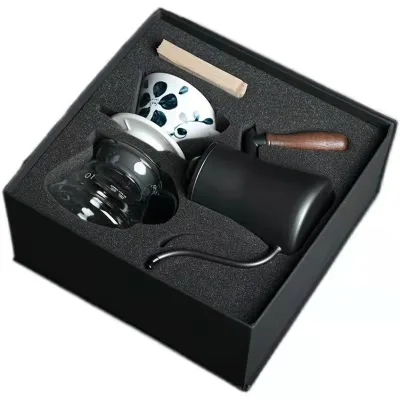


Portable Espresso Coffee Machine Works with Capsule Pod for Travel Office
$29.86 - $43.99
MOQ: 100 Pieces
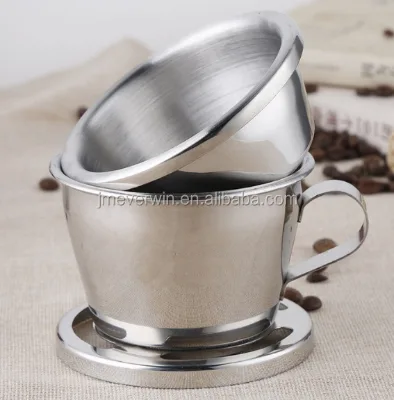
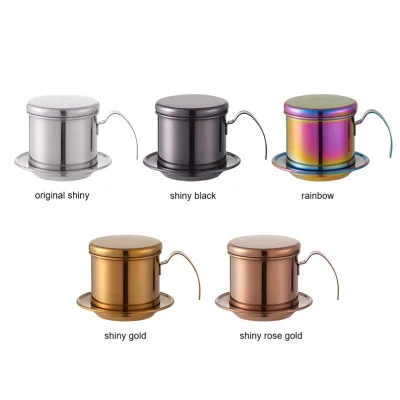
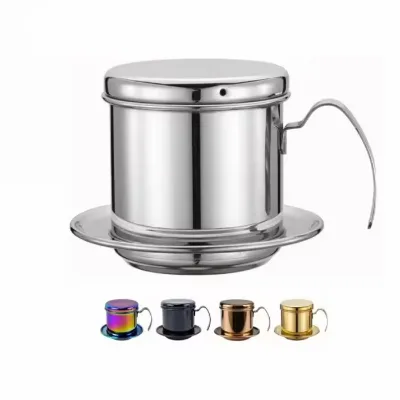
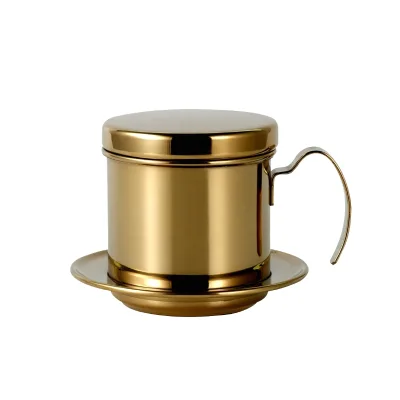
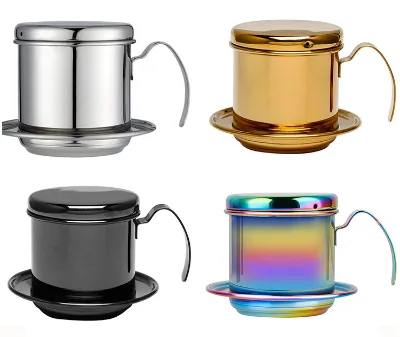


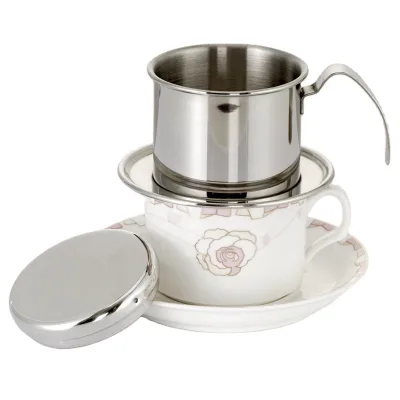
Comprehensive Sourcing Guide
Portable Travel Vietnamese Coffee Phin Sourcing Guide
Sourcing Portable Travel Vietnamese Coffee Phin equipment requires a nuanced understanding of both traditional brewing mechanics and modern travel constraints. The core keyword highlights a specific intersection of functionality: the need for a compact, durable device capable of producing authentic drip-filter coffee while on the move. Unlike traditional stationary phin filters, travel-oriented models must balance structural integrity with portability, often incorporating collapsible designs, protective carrying cases, or integrated grinders. Buyers must recognize that "portable" in this context does not merely mean small; it implies a system designed to withstand the rigors of transit, camping, or outdoor use without compromising the delicate extraction process required for Vietnamese-style coffee.
The procurement landscape for these items is diverse, ranging from simple silicone drippers to complex multi-piece sets housed in canvas bags. Observations from current market listings indicate a strong emphasis on multifunctionality, with many products marketed as complete coffee and tea tool kits rather than single-unit filters. This trend suggests that buyers are increasingly looking for comprehensive solutions that include accessories such as cups, spoons, or storage bags. Consequently, the sourcing strategy must account for these bundled offerings, evaluating not just the primary brewing device but the quality and utility of the accompanying components that define the overall user experience.
Product Scope and Observed Listing Signals
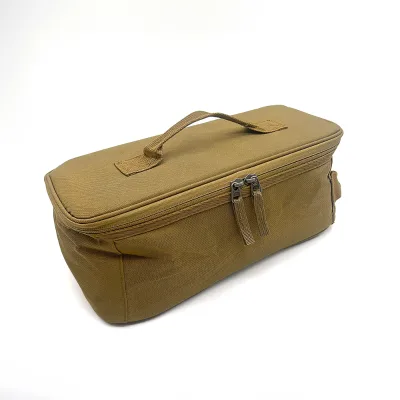
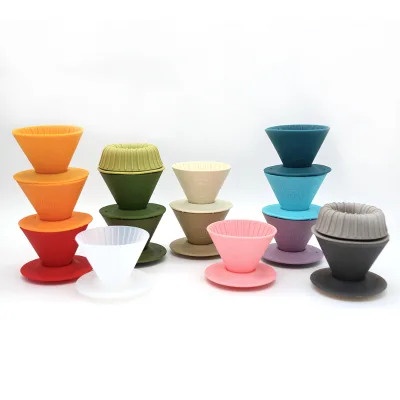
The observed product scope reveals a significant variation in materials and form factors, primarily driven by the intended use case. Listings frequently highlight housing materials such as stainless steel and food-grade silicone, each offering distinct advantages for travel scenarios. Stainless steel models provide durability and heat retention, making them suitable for rugged outdoor environments, while silicone options offer flexibility, softness, and ease of cleaning, which are critical for travelers with limited packing space. The presence of attributes like "Folding" and "Portable" in the data suggests that collapsible designs are a key differentiator, allowing users to reduce the footprint of their coffee gear significantly when not in use.
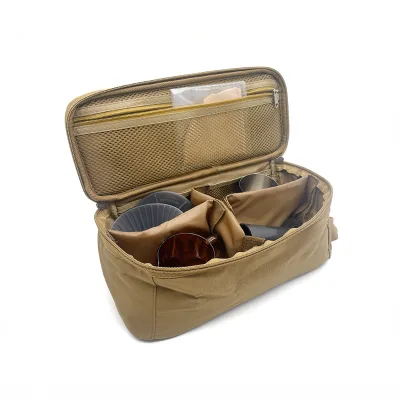
Another prominent signal in the current market is the integration of additional functions, such as built-in coffee grinders or the inclusion of carrying cases. Several listings describe products as "Portable with coffee grinder" or include canvas bags with specific dimensions, indicating a shift toward all-in-one travel kits. These kits often feature contemporary styles and customizable branding, appealing to both individual consumers and commercial buyers such as cafes or outdoor gear retailers. The availability of multiple model numbers, such as 911-#1005 and 911-#9775, alongside varying sizes and weights, underscores the importance of verifying specific product configurations rather than assuming uniformity across all portable phin offerings.
Technical Specifications to Verify
When evaluating technical specifications, buyers must prioritize dimensions, weight, and capacity to ensure compatibility with travel constraints. The observed data shows a wide range in single package sizes, from compact cones measuring 14x14x15 cm to larger sets housed in bags measuring up to 36x18x20 cm. Weight is another critical factor, with items ranging from lightweight silicone drippers at 0.600 kg to heavier canvas bag sets at 1.500 kg. Buyers should verify these metrics against their specific packing requirements, ensuring that the chosen product fits within luggage size restrictions and does not add excessive bulk to their travel gear.
Capacity and volume specifications are equally important for determining the brewing output of each device. Listings indicate volumes ranging from 201-300ml, with specific models citing a 300ml capacity. This range is typical for single-serve or small-batch brewing, which is ideal for travel scenarios where space and resources are limited. Buyers should confirm the exact volume of the dripper or cup to ensure it meets their caffeine consumption needs. Additionally, the shape of the device, whether cone-shaped or rectangular, can affect the flow rate and extraction quality, so visual inspection or detailed product images are essential to understand the brewing geometry.
Compliance and Safety Documentation
Safety and material compliance are paramount when sourcing products that come into direct contact with food and beverages. The observed listings mention "Food Grade Silicone" as a primary material, which is a positive indicator for safety, but buyers must still request specific certification documents to verify this claim. While general certifications like CE are mentioned in background data, they are not explicitly linked to specific product models in the high-confidence facts. Therefore, procurement teams should insist on clear documentation confirming that all silicone components meet relevant food safety standards, such as FDA or LFGB regulations, to ensure the product is safe for repeated use.
For products involving electrical components, such as those with built-in USB-powered grinders, additional compliance checks are necessary. The observation of "USB" as a power source implies the presence of electronic circuits, which must comply with regional electrical safety standards. Buyers should verify that the USB charging cables and internal batteries meet safety requirements for portable electronics, including overcharge protection and short-circuit prevention. Even for non-electric models, buyers should ensure that any metal components, such as stainless steel housings, are made from food-grade alloys that do not leach harmful substances into the coffee during the brewing process.
Cost Drivers and Commercial Terms
The cost structure for Portable Travel Vietnamese Coffee Phin products is influenced by material quality, complexity of design, and packaging. Stainless steel and multi-component sets with integrated grinders or carrying cases typically command higher prices than simple silicone drippers. The observed price range of 0.4-80 USD reflects this disparity, with lower-end items likely being basic filters and higher-end items being comprehensive travel kits. Buyers should align their budget with the desired feature set, recognizing that added functionalities like eco-friendly materials, customizable logos, or premium packaging will increase the unit cost.
Commercial terms, particularly Minimum Order Quantities (MOQ) and customization options, play a significant role in the procurement process. The data indicates an MOQ range of 1-5000, with some listings accepting small orders of just 3 pieces, which is advantageous for sample testing or small-scale retail. Customization is widely available, with options for logo printing and brand name customization, allowing buyers to create private-label products. Buyers should negotiate these terms carefully, considering the trade-off between lower MOQs and higher per-unit costs, as well as the lead times associated with custom branding, which can impact inventory planning and time-to-market.
Supplier Qualification and Quality Control
Supplier qualification for portable coffee gear requires a focus on manufacturing capability and quality assurance processes. Given the diverse origins, including China and Taiwan, buyers should assess the supplier's experience in producing travel-specific accessories. The presence of "Customizable" brand names and "Acceptable" small orders suggests that many suppliers are flexible and experienced in handling varied client needs. However, buyers must verify the supplier's ability to maintain consistent quality across batches, particularly for products with moving parts or electronic components, such as USB grinders.
Quality control measures should include rigorous testing of material durability, especially for silicone and canvas components that are subject to frequent folding and packing. Buyers should request samples to test the ease of use, cleaning, and structural integrity of the products under travel conditions. For electronic components, functional testing of the USB charging and grinding mechanisms is essential. Additionally, buyers should inquire about the supplier's defect rate and return policies, ensuring that there is a clear process for addressing any quality issues that may arise after the initial order is placed.
Long-Term Procurement Checks
Long-term procurement success depends on establishing a reliable supply chain that can adapt to changing market demands and product iterations. Buyers should monitor the supplier's ability to innovate, particularly in areas such as eco-friendly materials and compact design improvements. The observed trend toward multifunctional and eco-friendly products suggests that consumer preferences are shifting, and suppliers who can keep pace with these trends will be more valuable partners. Regular communication with suppliers about upcoming product releases and material updates can help buyers stay ahead of market trends and offer fresh, relevant products to their customers.
Sustainability and ethical sourcing are also becoming increasingly important in the procurement of travel gear. Buyers should evaluate suppliers' commitment to environmental responsibility, such as the use of recyclable packaging or sustainable materials. The "Eco-Friendly" attribute observed in some listings indicates a growing awareness of these issues, but buyers should seek deeper insights into the supplier's overall sustainability practices. By prioritizing suppliers who demonstrate a genuine commitment to ethical and environmental standards, buyers can enhance their brand reputation and meet the growing demand for responsible consumer goods in the travel and outdoor sectors.
FAQs
What materials are used for the portable travel coffee gear?
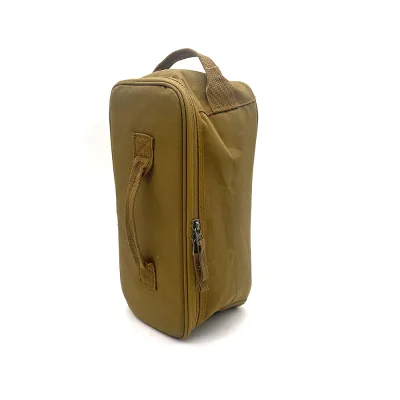
The housing is made of stainless steel while the travel bag uses canvas material. Some drippers feature food grade silicone bodies for softness and portability during outdoor camping or travel adventures.
Can I customize the logo on these coffee tools?
Yes, logo customization is available for these coffee and tea tools. Buyers can request custom branding on the items, which supports commercial buyers like cafes looking for outdoor gear solutions.
What is the minimum order quantity for these products?
The minimum order quantity is as low as 3 pieces for certain items. Other listings accept small orders starting from 1 unit, making it accessible for various buyer needs.
How much does the portable coffee set weigh?
The single gross weight varies by item, with some sets weighing 1.5 kg and others 0.6 kg. The travel bag itself weighs 1.1 kg and has a single package size of 36x18x20 cm.
Where are these coffee makers manufactured?
These products originate from China, with some specific items coming from Taiwan, China. The manufacturing location ensures availability for global buyers seeking portable coffee solutions.
What capacity options are available for the coffee drippers?
The volume capacity is typically 300ml for the coffee drippers. This size fits well within the 201-300ml capacity range suitable for individual travel or camping use.
Are these coffee tools suitable for outdoor camping?
Yes, the application is explicitly designed for camping, travel, and outdoor use. The portable design and eco-friendly features make them ideal for adventurers needing reliable coffee gear.