Source Powder Coated WPC Fence for Garden, Home, and Commercial
Find 30 listings for Powder Coated WPC Fence suitable for garden, home, and commercial applications. Buyers can compare specifications, certifications, and customization options to select the right exterior cladding or wall panel solution.
Key considerations
Products List


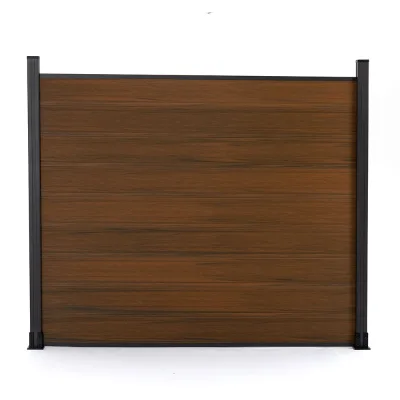


High Quality and No Pollution Wood Plastic Composite Panel WPC Fence
$30.00 - $40.00
MOQ: 1 Square Meters


Comprehensive Sourcing Guide
Powder Coated WPC Fence Sourcing Guide
Product Scope and Observed Listing Signals
The market for wood-plastic composite (WPC) fencing presents a diverse array of products that blend the aesthetic appeal of natural timber with the durability of synthetic polymers. Based on observed listing signals, these products are frequently marketed with specific surface treatments, such as wood grain patterns, to mimic the look of traditional fencing materials while offering enhanced resistance to environmental degradation. Buyers should note that while the core keyword emphasizes "powder coated" finishes, the supplied data indicates a strong prevalence of WPC materials constructed from a blend of wood powder, high-density polyethylene (HDPE), and additives. This composition suggests that the surface texture is often integral to the extrusion process rather than solely a post-extrusion coating, although powder coating may be applied to metal posts or specific decorative elements within the fence system.
Observations of product listings reveal a wide variance in application contexts, ranging from residential households and gardens to commercial complexes, hotels, and public parks. The observed price range spans from approximately $0.98 to $950 USD, reflecting differences in material density, thickness, and included components such as posts and gates. Minimum order quantities (MOQs) typically start as low as one unit for samples or small projects but can rise to 200 square meters for bulk commercial orders. This variability requires buyers to clearly define their project scale early in the sourcing process to avoid misalignment with supplier capabilities, as many manufacturers specialize in large-scale production runs rather than small-batch retail fulfillment.
Technical Specifications to Verify
When evaluating WPC fence products, the material composition is a primary technical factor that dictates performance and longevity. The supplied facts highlight a standard formulation consisting of 60% wood powder, 30% HDPE, and 10% additives, which contributes to the material's eco-friendly profile and structural integrity. Buyers must verify the specific thickness of the fence panels, as observed listings show variations such as 20mm and 22mm, which directly impact rigidity and wind resistance. Additionally, the weave technique and construction materials should be scrutinized; while some products are labeled simply as "fence," others specify detailed construction materials that may include aluminum posts or specialized mounting hardware, which are critical for the overall stability of the installation.
Surface characteristics and dimensional standards are equally important for ensuring the fence meets aesthetic and functional requirements. Observed data points to a "wood grain" surface pattern and a "European" or "modern" design style, which are common preferences for exterior cladding and decorative wall panels that may be integrated into fence designs. Buyers should confirm the exact dimensions of the panels, with observed sizes including 6x6ft configurations or customized lengths, and verify the single package size and gross weight to calculate shipping costs accurately. Furthermore, the inclusion of features such as waterproofing, anti-static properties, and soundproofing capabilities should be validated through product datasheets, as these attributes enhance the utility of the fence in diverse environments, from noisy urban areas to humid coastal regions.
Compliance and Safety Documentation
Certification status is a critical component of the procurement process, ensuring that the WPC fence meets international safety and quality benchmarks. The observed listings frequently cite CE and ISO certifications, which indicate compliance with European health, safety, and environmental protection standards. Buyers should request valid certification documents to verify that the manufacturer has undergone rigorous auditing processes. While ISO9001 and ISO14001 are mentioned in background knowledge as relevant standards for quality and environmental management, buyers must confirm that the specific supplier holds these certifications and that they apply to the production of the WPC fence components being purchased.
In addition to general certifications, specific performance-related claims such as waterproof, anti-static, and soundproof attributes require supporting documentation. These claims are often listed alongside thermal insulation properties, suggesting a multi-functional product design. Buyers should ask for test reports or technical data sheets that substantiate these performance claims, particularly regarding fire resistance and UV stability, which are crucial for outdoor applications. Ensuring that the product meets local building codes and regulations is also essential, especially for commercial projects where liability and safety standards are strictly enforced. Verifying that the manufacturer provides comprehensive after-sale support, such as online technical assistance, can also mitigate risks associated with installation errors or material defects.
Cost Drivers and Commercial Terms
The cost of WPC fencing is influenced by several key factors, including material composition, panel thickness, and the complexity of the design. Products with higher wood powder content or specialized additives may command higher prices due to the cost of raw materials and the complexity of the extrusion process. Observed price ranges indicate that basic panels can be sourced at lower price points, while premium products with custom designs, thicker profiles, or integrated features like aluminum posts will be priced higher. Buyers should also consider the impact of customization options, such as specific wood grain patterns or custom sizes, which may incur additional setup fees or higher per-unit costs.
Commercial terms, including minimum order quantities (MOQs) and packaging methods, play a significant role in the total cost of ownership. The observed MOQ of 200 square meters for some suppliers suggests that economies of scale are a major driver of pricing, with smaller orders potentially subject to higher unit costs. Packaging is another critical consideration; products are often shipped in pallet packages or other special package methods to prevent damage during transit. Buyers should negotiate clear terms regarding packaging standards to ensure that goods arrive in pristine condition, and clarify who bears the responsibility for freight costs and insurance. Additionally, lead times and payment terms should be explicitly defined in the contract to avoid delays and financial discrepancies.
Supplier Qualification and Quality Control
Selecting a reliable supplier requires a thorough assessment of their manufacturing capabilities and quality control processes. Buyers should verify the supplier's place of origin, with many WPC manufacturers located in regions like Zhejiang and Shanghai in China, which are known for their robust manufacturing infrastructure. It is advisable to request factory audits or virtual tours to assess the production environment, equipment, and quality assurance protocols. Suppliers that offer project solution capabilities, such as graphic design, 3D model design, and total solution packages, demonstrate a higher level of professionalism and can provide valuable support during the planning and installation phases.
Quality control measures should be integrated into the procurement process to ensure consistent product quality. Buyers should inquire about the supplier's testing procedures for raw materials and finished products, including checks for dimensional accuracy, surface finish, and structural integrity. The availability of services such as 3D modeling and video installation guides can also indicate a supplier's commitment to customer success and ease of installation. Furthermore, buyers should evaluate the supplier's after-sale service offerings, such as online technical support, to ensure that any issues arising post-delivery can be resolved efficiently. Establishing a clear communication channel and defining expectations for quality standards can help build a strong partnership with the supplier.
Long-Term Procurement Checks
Long-term procurement success depends on the durability and maintenance requirements of the WPC fence. The observed service life of 25-30 years suggests that WPC products are designed for longevity, but buyers should verify the warranty terms and conditions provided by the supplier. Understanding the maintenance requirements, such as cleaning procedures and resistance to fading or warping, is essential for minimizing lifecycle costs. Buyers should also consider the environmental impact of the product, as WPC is often marketed as an eco-friendly alternative to traditional wood, reducing the need for chemical treatments and preserving natural resources.
As market trends and regulations evolve, buyers should stay informed about changes in material standards and sustainability requirements. Regularly reviewing supplier performance and product quality can help identify potential issues early and maintain high standards. Building a relationship with a supplier that offers continuous support and innovation can provide a competitive advantage in future projects. Additionally, buyers should consider the scalability of their supply chain, ensuring that the supplier can meet increasing demand without compromising quality or delivery times. By focusing on these long-term factors, buyers can make informed decisions that align with their strategic procurement goals.
FAQs
What is the standard composition of WPC fence materials?
The standard composition consists of 60% wood powder, 30% high-density polyethylene, and 10% additives. This blend ensures the material is durable and eco-friendly. The construction utilizes a woven technique to create a robust fence structure. This specific ratio provides the necessary strength for outdoor applications while maintaining a natural wood grain appearance.
What certifications are required for these WPC fence products?
Products typically hold CE and ISO certifications to ensure compliance with international standards. These certifications verify the quality and safety of the materials used. The fencing is designed to meet specific regulatory requirements for outdoor construction. Buyers should verify that the specific supplier provides valid documentation for these certifications before placing orders.
What is the minimum order quantity for WPC fencing?
The minimum order quantity is generally set at 200 square meters. This threshold ensures efficient production and shipping logistics for the manufacturer. Buyers requiring smaller quantities may need to negotiate or look for stock items. The MOQ applies to the total surface area of the fencing panels ordered.
How long is the expected service life of WPC fencing?
The expected service life ranges from 25 to 30 years. This longevity is due to the waterproof and anti-static properties of the material. The construction resists weathering, making it suitable for long-term outdoor use. This durability reduces the need for frequent replacements compared to traditional wood fencing.
Can WPC fence panels be customized for specific projects?
Yes, customization is available for various project requirements. Buyers can request specific packaging methods, such as pallet packages, and tailored standards. The product supports graphic design and 3D model design services for total project solutions. Customization allows the fence to fit specific aesthetic or functional needs for commercial or household use.
What is the typical thickness of the WPC fence panels?
The typical thickness of the panels is 20mm or 22mm. This dimension provides structural integrity for outdoor wall and fence applications. The thickness ensures the panels are sturdy enough to withstand environmental conditions. Buyers should confirm the exact thickness required for their specific structural design needs.