Source Power Factor Saver for Hotels, Textiles, and Elevators
Find 30 verified options for Power Factor Saver units tailored for hotel, textile, and elevator applications. Compare specifications including voltage, current, and modulation systems from suppliers in Zhejiang Ningbo and China to identify the right equipment for your facility; compare the available evidence and request quotations based on your requirements.
Key considerations
Products List


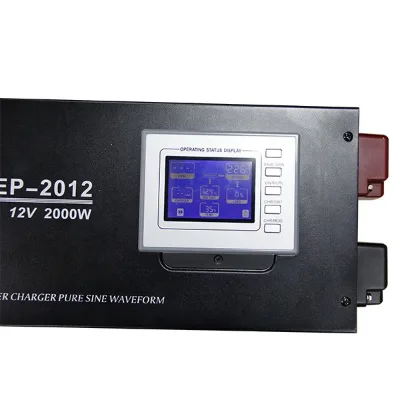


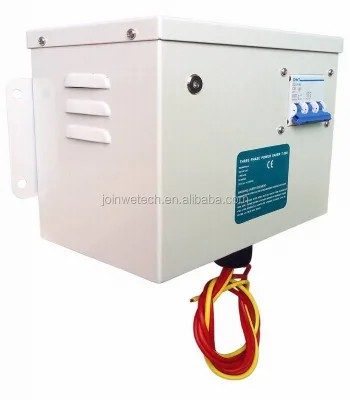


Efficient Single Phase Control Friendly Installation Automatic Voltage Regulator
$11.00 - $15.00
MOQ: 50 Pieces

Comprehensive Sourcing Guide
Power Factor Saver Sourcing Guide
Procuring power factor savers requires a nuanced understanding of electrical infrastructure needs, particularly for facilities aiming to optimize energy efficiency and reduce utility penalties. These devices are critical for managing reactive power in AC systems, ensuring that the electrical load remains balanced and efficient. Buyers must recognize that while the term "Power Factor Saver" is common, the underlying technology often involves complex switching power supplies, variable-frequency drives, or static VAR compensators. The market offers a wide array of products, ranging from simple single-phase units to sophisticated three-phase industrial controllers. Understanding the specific application context is the first step in narrowing down the vast selection available to suppliers.
The sourcing process is further complicated by the diversity of product attributes listed in global marketplaces. Observations indicate a broad spectrum of specifications, including input voltages of 220V to 240V, output powers ranging from 201 to 300W, and various modulation systems like PFM or PWM control. Some listings describe products as terminal power distribution equipment, while others classify them as high-performance transducers or vector control transducers. This inconsistency in terminology and specification highlights the need for rigorous verification. Buyers cannot rely solely on product titles or generic descriptions; they must delve into the technical datasheets to ensure the device matches their specific electrical requirements and operational environment.
Product Scope and Observed Listing Signals
The observed product landscape reveals a significant variance in technical classifications, which can confuse procurement teams unfamiliar with the nuances of power electronics. Listings frequently describe devices with attributes such as "Series Switching Power Supply," "Self-excited Switching Power Supply," and "Frequency Modulation Type." These terms suggest that many so-called power factor savers are actually sophisticated switching power supplies or variable-frequency drives rather than simple capacitor banks. For instance, some products are identified as having a "Link of Transformation" that involves AC-DC-AC conversion, indicating a complex inverter-based architecture. Buyers must distinguish between passive correction devices and active electronic controllers, as their installation, maintenance, and performance characteristics differ substantially.
Another critical signal is the diversity in output types and current ratings. While some products are specified for single-phase applications with single outputs, others are designed for triple outputs or three-phase transducer applications. Current ratings vary widely, with some units supporting continuous output of 100% rated current, while others are limited to specific amperage ranges like 15A to 16A. The presence of features such as "Constant Torque Universal Type" or "Elevator Special" functions suggests that these devices are often integrated into larger motor control systems. Procurement specialists must carefully map these observed signals to their actual load profiles, ensuring that the selected device can handle the specific harmonic distortions and reactive power demands of their facility without causing instability in the power grid.
Technical Specifications to Verify
Verifying technical specifications is paramount to ensuring compatibility with existing electrical infrastructure. Buyers must confirm the input voltage range, as observed listings indicate a prevalence of 220V to 240V inputs, but this may not suit all international standards or industrial environments. It is essential to verify the frequency characteristics, with many products supporting 50Hz or 60Hz, which is crucial for regions with varying grid frequencies. Additionally, the phase configuration must be strictly validated; while single-phase units are common, three-phase systems require different control algorithms and hardware architectures. Misalignment in these basic parameters can lead to equipment failure or ineffective power factor correction, resulting in wasted capital and potential operational disruptions.
Beyond basic electrical parameters, the modulation and control systems require close scrutiny. Products may employ PFM (Pulse Frequency Modulation) or PWM (Pulse Width Modulation) control, each offering different efficiency and response characteristics. The starting mode, whether self-excited or otherwise, impacts the inrush current and startup stability. Furthermore, the output power rating, often observed in the 201-300W range for certain listings, must be sufficient for the intended load. Buyers should also investigate the iron core shape, such as C-core designs, and the nature of the DC power, which may be voltage variable-frequency drive based. These detailed specifications determine the device's ability to respond dynamically to load changes and maintain a stable power factor under varying conditions.
Compliance and Safety Documentation
Compliance with international safety and environmental standards is non-negotiable for industrial power electronics. Buyers must verify that products carry recognized certifications such as RoHS, ISO, CE, CCC, UL, FCC, and CB. These certifications indicate adherence to specific safety, electromagnetic compatibility, and environmental regulations relevant to the target market. For instance, CE marking is essential for European markets, while UL and CSA certifications are critical for North American compliance. The absence of these certifications poses significant legal and safety risks, including potential liability in case of electrical fires or equipment failure. Procurement teams should request valid certification documents and verify their authenticity with the issuing bodies before finalizing any purchase.
In addition to product-level certifications, buyers must ensure that the documentation includes comprehensive safety manuals and installation guidelines. These documents should detail the proper wiring configurations, grounding requirements, and emergency shutdown procedures. The presence of a warranty, often observed as greater than two years, provides an additional layer of protection and indicates manufacturer confidence in product durability. However, the warranty terms should be clearly understood, including coverage for parts, labor, and any exclusions related to improper installation or misuse. Ensuring that all compliance documentation is complete and up-to-date is a critical step in mitigating risk and ensuring long-term operational reliability.
Cost Drivers and Commercial Terms
Understanding the cost drivers associated with power factor savers helps buyers negotiate better commercial terms and avoid hidden expenses. The complexity of the internal circuitry, such as the use of advanced modulation systems or high-quality components, significantly influences the price. Observed price ranges vary widely, from as low as $0.88 to over $99,999, reflecting the diversity from simple components to complete industrial systems. Buyers should be wary of unusually low prices, which may indicate inferior quality or lack of necessary certifications. The MOQ (Minimum Order Quantity) also plays a role, with observed ranges from 1 to 1000 units, affecting the unit cost and inventory management strategies.
Commercial terms such as payment methods, shipping conditions, and lead times must be clearly defined in the contract. The observed packing methods, including export cartons, color boxes, and standard cartons, impact shipping costs and product protection during transit. Buyers should also consider the total cost of ownership, including installation, maintenance, and potential energy savings. While the initial purchase price is important, the long-term benefits of improved power factor, such as reduced electricity bills and avoided utility penalties, often justify a higher upfront investment. Negotiating favorable terms, such as extended warranties or bulk discounts, can further enhance the value proposition of the procurement.
Supplier Qualification and Quality Control
Supplier qualification is a critical step in ensuring the reliability and consistency of Power Factor Saver supplies. Buyers should assess the supplier's manufacturing capabilities, quality control processes, and track record in the industry. Suppliers originating from regions like Zhejiang Ningbo or broader China may offer competitive pricing, but buyers must verify their ability to maintain consistent quality across batches. Requesting samples for testing is a prudent step to evaluate performance against specified technical parameters. Additionally, suppliers should provide evidence of their adherence to quality management systems, such as ISO certifications, which indicate a structured approach to quality control.
Quality control measures should extend beyond the initial purchase to include ongoing monitoring and performance audits. Buyers should establish clear acceptance criteria for delivered goods, including visual inspections, electrical testing, and functional verification. Regular communication with the supplier regarding any issues or performance deviations is essential for maintaining a productive relationship. Suppliers who proactively address quality concerns and provide timely support are more likely to be reliable long-term partners. By rigorously qualifying suppliers and implementing robust quality control procedures, buyers can minimize the risk of receiving defective or non-compliant products, ensuring the integrity of their electrical infrastructure.
Long-Term Procurement Checks
Long-term procurement checks are essential for maintaining the performance and reliability of power factor savers over their operational lifespan. Buyers should establish a schedule for regular maintenance and inspection of the installed devices. This includes checking for signs of wear, such as capacitor degradation or connector corrosion, and verifying that the devices are operating within their specified parameters. Monitoring the power factor correction performance over time can help identify any drift in efficiency or emerging issues that require attention. Proactive maintenance can extend the lifespan of the equipment and prevent unexpected failures that could disrupt operations.
Furthermore, buyers should stay informed about advancements in power electronics technology and regulatory changes that may impact their existing installations. Periodic reviews of the procurement strategy can help identify opportunities for upgrading to more efficient or compliant devices. Engaging with suppliers for technical support and updates ensures that the procurement team remains aware of new products or services that could enhance their electrical infrastructure. By maintaining a proactive approach to long-term procurement checks, buyers can optimize the performance of their power factor savers, reduce operational costs, and ensure continued compliance with industry standards.
FAQs
What is the typical output power range for these units?
The typical output power range is 201 to 300 watts. This capacity supports moderate electrical loads in commercial settings. The units are designed for stable performance within this specific power bracket. Buyers should verify exact wattage requirements against their specific application needs to ensure compatibility and optimal efficiency during operation.
Can these devices be customized for specific industrial applications?
Yes, customization is available for these power factor savers. Manufacturers offer tailored solutions to meet unique operational requirements. This flexibility allows for integration into diverse industrial environments. Buyers can request specific modifications to ensure the equipment aligns perfectly with their existing infrastructure and performance expectations.
Which certifications are commonly associated with these power supplies?
Common certifications include RoHS, ISO, CE, CCC, UL, FCC, CB, and CSA. These standards ensure compliance with international safety and quality regulations. Buyers can rely on these documented certifications for regulatory approval in various global markets. Always verify specific certification documents with the supplier before finalizing procurement decisions.
How is the power supply system structured for these units?
The power supply system utilizes terminal power distribution equipment. It employs a series switching power supply connection mode. This design ensures efficient energy transmission and regulation. The self-excited switching mechanism supports stable voltage output, making it suitable for applications requiring consistent power delivery and reliable performance.
What is the standard input voltage for these devices?
The standard input voltage is 220V, with a range of 220V to 240V. This specification supports single-phase power sources operating at 50Hz or 60Hz. Buyers should ensure their local power infrastructure matches these requirements. Proper voltage matching is essential for optimal device performance and longevity in various global electrical environments.
What warranty period is typically provided for these products?
A warranty period of more than two years is typically provided. This coverage offers assurance regarding product durability and manufacturer support. Buyers benefit from extended protection against potential defects or performance issues. Always confirm specific warranty terms and conditions with the supplier to understand the full scope of coverage and support services.