Source Forming Die Candy Making Mold for Hard Candy Production
Find 30 options for Forming Die Candy Making Mold to support hard candy, gummy, and chocolate production lines. Compare specifications like 304 stainless steel construction, electric power sources, and automated thermal processing capabilities to select the right tooling for your facility.
Key considerations
Products List


Fruit Candy Making Machine/Hard Candy Die Forming Machine/Hard Candy Making Machine
$1000.00 - $8000.00
MOQ: 1 Sets

Fruit Candy Making Machine/Hard Candy Die Forming Machine/Hard Candy Making Machine
$1000.00 - $8000.00
MOQ: 1 Sets

Fruit Candy Making Machine/Hard Candy Die Forming Machine/Hard Candy Making Machine
$1000.00 - $8000.00
MOQ: 1 Sets
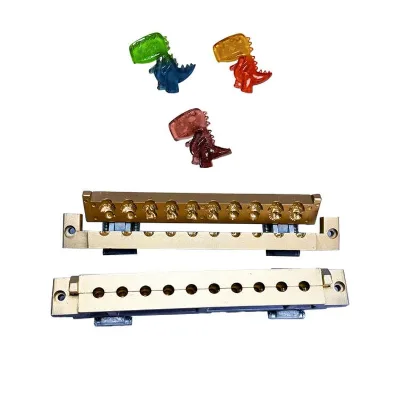


Comprehensive Sourcing Guide
Forming Die Candy Making Mold Sourcing Guide
Buyers evaluating forming die candy making molds must first distinguish between the complete thermal processing lines and the specific die-casting molds used for shaping. The market offers integrated systems capable of handling candy, chips, and biscuits with capacities ranging from 150 to 300 kilograms per hour, alongside standalone aluminum molds designed for pouring or manual operations. Understanding this distinction is critical, as the former requires significant electrical infrastructure while the latter serves as a component within a broader production workflow.
Procurement decisions should also account for the specific material composition and customization options available for the target product. While some units are constructed from 304 stainless steel to meet hygiene standards for hard candy and chocolate, other specialized molds utilize aluminum for specific die-casting applications. Buyers must verify whether the supplier offers customized dimensions or standard sizes, as the ability to tailor the mold thickness and shape directly impacts the final product's texture and appearance.
Product Scope and Observed Listing Signals
The observed product listings reveal a wide spectrum of capabilities, from fully automatic thermal processing units to manual pouring tools. High-capacity machines often feature electric power sources with voltages of 380V or 415V and utilize Schneider electric parts for reliability. In contrast, smaller scale molds are described with specific dimensions like 370 by 60 millimeters and are intended for 2D, 3D, or 4D gummy and hard candy applications, indicating a clear segmentation between industrial automation and artisanal tooling.
Buyers must carefully analyze the listed application fields to ensure the equipment matches their specific confectionery needs. The data indicates that some systems are versatile enough to process popcorn, ice cream, and donuts, while others are strictly designated for candy molds. This variance suggests that a single supplier may offer different product tiers, requiring the buyer to explicitly confirm whether the listed capacity and process type align with their intended output volume and product variety before proceeding with an order.
Technical Specifications to Verify
Technical verification begins with confirming the material grade and structural dimensions of the forming die. While some listings specify 304 stainless steel for the main body to ensure durability and food safety, other components, particularly the molds themselves, are often made from aluminum to facilitate heat transfer and detailed shaping. Buyers should request detailed dimension sheets to verify that the size, such as 2000 by 1100 by 1300 millimeters for larger units, matches their factory floor space and that the candy thickness capabilities, typically 4 to 8 millimeters, meet their quality standards.
Power requirements and processing methods are equally critical to validate before finalizing a purchase. The supply chain data indicates that cooking processes may vary between steam, gas, and electricity, necessitating a check against the buyer's existing utility infrastructure. Additionally, the cooling type, often an air blower system, and the specific molding method, such as die-casting or progressive die punching, must be confirmed to ensure the machine can achieve the desired production speed and product consistency without requiring extensive retrofitting.
Compliance and Safety Documentation
Compliance verification requires a rigorous review of the certification documents provided by the supplier, specifically looking for CE and SGS certificates which are frequently cited in the product data. These certifications are essential for ensuring that the electrical components and mechanical structures meet international safety standards, particularly for equipment operating at high voltages like 380V or 415V. Buyers should insist on seeing the original certificates rather than relying on marketing claims to mitigate the risk of non-compliant machinery entering their facility.
Beyond general certifications, buyers must also verify the specific safety standards related to the food contact materials used in the forming dies. The use of 304 stainless steel is a common standard for food processing equipment, but the aluminum molds used for specific applications must also be confirmed as food-grade. Ensuring that all materials in contact with the candy, including the mold surfaces and any sealing components, adhere to relevant food safety regulations is a non-negotiable step in the procurement process to protect consumer health and brand reputation.
Cost Drivers and Commercial Terms
Cost drivers for forming die candy making molds are heavily influenced by the level of automation and the complexity of the die-casting process. Fully automatic systems with high capacities and advanced thermal processing features command significantly higher prices compared to manual or semi-automatic molds. Buyers should expect the price range to vary widely, potentially spanning from low-cost individual molds to high-value integrated production lines, depending on the inclusion of features like custom dimensions, specialized cooling systems, and advanced electric control panels.
Commercial terms regarding delivery and payment must be clearly defined to avoid supply chain disruptions. The observed data suggests a standard delivery time of approximately 45 days, which can impact production planning and inventory management. Furthermore, the minimum order quantity (MOQ) can range from a single item to 200 units, meaning buyers need to negotiate terms that align with their production scale. Packaging methods, such as wooden boxes with plastic film or cartons, also affect shipping costs and should be factored into the total landed cost calculation.
Supplier Qualification and Quality Control
Supplier qualification should focus on their ability to provide consistent after-sales support and spare parts availability. The market data indicates that many suppliers offer online support and a one-year guarantee on spare parts, which is crucial for maintaining continuous production. Buyers should verify the specific warranty terms, noting that some listings mention a six-month warranty, and ensure that the supplier has a clear protocol for handling technical issues to minimize downtime during the critical initial production phase.
Quality control processes must be validated through the supplier's manufacturing standards and testing procedures. Buyers should inquire about the specific production standards, such as the use of 304 stainless steel, and request evidence of quality control checks performed on the molds before shipment. The presence of key selling points like long service life and sustainable characteristics suggests a focus on durability, but buyers must confirm these claims through independent testing or by reviewing past performance data from similar clients to ensure the equipment will withstand the rigors of industrial candy production.
Long-Term Procurement Checks
Long-term procurement success depends on establishing a reliable supply chain for spare parts and ongoing technical assistance. Buyers should assess the supplier's inventory levels for critical components like electric parts and mold inserts to ensure rapid replacement availability in case of wear or damage. The availability of customized options also plays a vital role, as the ability to adapt the mold dimensions or cooling systems over time can extend the useful life of the equipment and allow for product line expansion without purchasing entirely new machinery.
Finally, buyers must monitor the supplier's adherence to evolving industry standards and their commitment to sustainable practices. The product data highlights characteristics such as sustainability and long service life, which are increasingly important for modern manufacturing operations. Regular audits of the supplier's quality management systems and their ability to maintain consistent product specifications over multiple production cycles will ensure that the forming die candy making molds continue to meet the buyer's operational requirements and quality expectations for years to come.
FAQs
What material is used for the Forming Die Candy Making Mold?
The Forming Die Candy Making Mold is constructed from 304 stainless steel and aluminum. This combination ensures durability and food safety for hard candy production. The aluminum components allow for detailed die-casting, while the stainless steel parts provide structural integrity and resistance to corrosion during continuous thermal processing operations.
Can the Forming Die Candy Making Mold be customized for specific shapes?
Yes, the Forming Die Candy Making Mold offers available customization options. Buyers can specify unique dimensions and designs to suit their production needs. The mold supports various candy types, including hard candy and gummies, allowing for tailored 2D, 3D, or 4D shapes to meet specific brand requirements and market demands.
What is the typical lead time for the Forming Die Candy Making Mold?
The typical lead time for the Forming Die Candy Making Mold is 45 days. This duration covers manufacturing, quality checks, and preparation for shipment. Buyers should plan their procurement schedules accordingly to ensure timely delivery. The production process involves precise machining and assembly to meet the specified capacity and performance standards.
Which certifications apply to the Forming Die Candy Making Mold?
The Forming Die Candy Making Mold holds CE and SGS certifications. These certifications confirm compliance with international safety and quality standards. The equipment also meets ISO9001 standards for quality management. Buyers can rely on these documented credentials to ensure the machinery meets regulatory requirements for food processing applications in various global markets.
What is the capacity of the Forming Die Candy Making Mold?
The Forming Die Candy Making Mold has a capacity ranging from 150 to 200 kg per batch. The machinery capacity is listed as 80 to 300 kg per hour. This range supports medium to large-scale production lines. Buyers can select the appropriate model based on their daily output requirements and the specific throughput needs of their candy manufacturing facility.
How is the Forming Die Candy Making Mold packaged for shipping?
The Forming Die Candy Making Mold is packaged in a wooden box with plastic film or a carton. This packaging protects the equipment during transit and ensures it arrives in new condition. The container shipping option is also available for larger orders. Proper packaging helps prevent damage and maintains the integrity of the precision-machined components during international shipping.